post
Beyond Market Intelligence keeps post in one place: 44 stories so far. The section currently leads with “Why Model Switching Can Erase the Savings of Cheaper AI Inference”, “Turn Requirements Into Agents That Actually Execute”, and “Explore how one founder's pledge to share equity could reshape access to innovation”. Testing cheaper LLM inference models comes with a hidden cost: switching models mid-session can erase the savings entirely. Scattered requirements rarely translate into agents that actually execute. Acme AI is the next-generation, AI-powered spreadsheet platform built to replace Excel and redefine how analysts, data scientists, and enterprise teams work… The list below is every post story on Beyond Market Intelligence, newest first.
Why Model Switching Can Erase the Savings of Cheaper AI Inference
Testing cheaper LLM inference models comes with a hidden cost: switching models mid-session can erase the savings entirely. I ran routing experiments to understand why, and the results show that context loss, incompatible reasoning patterns, and repeated re-processing add up fast. The math on model switching is clear, cheaper per token means nothing when you pay the switching tax repeatedly. For deeper context on what keeps LLMs in check, see our related piece on spec-driven test automation.
Turn Requirements Into Agents That Actually Execute
Scattered requirements rarely translate into agents that actually execute. The gap between what teams document and what systems deliver is where productivity goes to die. This piece draws a sharp line between acceptable traces and unacceptable ones, helping you distinguish signal from noise before your agents go live. For deeper context on how technical choices shape safety outcomes, our related coverage on AI harms and their technical causes is worth exploring.

Explore how one founder's pledge to share equity could reshape access to innovation
Elon Musk just pledged to share equity from his companies, a move that arrived hours after Anthropic promised 5% of its shares to a public benefit fund. When founders put ownership on the table, access to innovation shifts. It is a direct challenge to the old model where founders hoard control. For deeper context on similar commitments, see our coverage of Anthropic dedicating 5% of shares to advance public benefit initiatives.
Python 3.15 JIT Benchmarks Show Real Progress for Targeted Workloads
The same three Python workloads keep showing up in the JIT benchmarks, and for Python 3.15, they finally show real progress. The just-in-time compiler is delivering stronger results for targeted programs, but it still doesn't accelerate everything. That honesty matters. This measured improvement feels more credible than sweeping performance claims. For deeper context on AI infrastructure challenges, our piece on securing Kubernetes with Andrew Martin connects the dots between system reliability and the tools we build on top of it.
How Predictable Is an AI's Supposedly Random Number
If an AI model is told to pick a "random" number, its output is far from unpredictable. We read the exact answer distribution from the logits of open models, both base and instruction-tuned, and turned that data into bits and guesses-to-crack. The results reveal how deterministic these systems actually are. It's a sobering look at what randomness means inside a neural network.

Six Architectural Patterns for Scaling Reliable AI Agents
Reactive loops are fine for demos, but production demands more. This guide walks through six architectural patterns that actually scale, moving beyond basic ReAct into autonomous, reliable systems built for real-world use. It's the kind of practical thinking that turns prototypes into products. For deeper context, our related piece on the hidden instability beneath LLM temperature zero explains why even deterministic settings can fracture after a hundred completions, a problem these architectures are designed to solve.

Why a Decision-First Model Can Rein In Risky AI Agent Actions
A single bad tool call can turn an AI agent from a helpful assistant into a liability. TypeSafe's Jev addresses this by putting decisions first, catching risky actions before they ripple into the real world. That's a pragmatic layer of safety we can get behind. It pairs well with our look at how open data center deals signal a smarter path to community trust, both show that proactive guardrails build better outcomes.
Seeking a Sydney badge for NeurIPS 2026? A Paris swap awaits
A Sydney badge for NeurIPS 2026 is out there, but it might come with a Paris detour. One attendee assigned to Paris wants to swap with anyone holding a Sydney slot, hoping to trade locations before the conference begins. It's a straightforward request that highlights how flexible conference planning can be. If you're in a similar position, exploring these swaps could simplify your travel. For more on navigating event logistics, check out our coverage of TechCrunch Disrupt 2026.
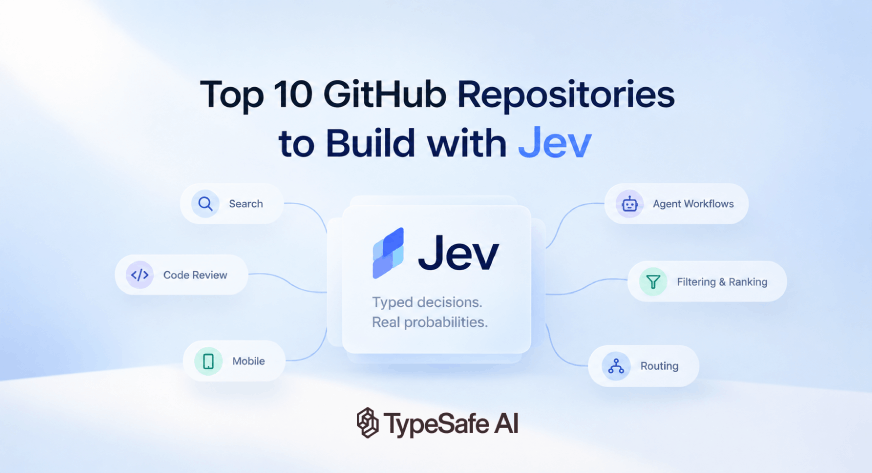
Explore How Jev Projects Bring Clarity to AI Decision-Making
Every agent makes dozens of small calls before delivering something useful: which source to trust, which tool to invoke, when to stop. Jev pulls those hidden choices into the open, converting them into typed decisions with probabilities rather than free-form text. That clarity makes the reasoning auditable and the output more dependable. For anyone exploring how structured judgment improves AI workflows, the GitHub projects offer a practical starting point. Related coverage on why small decision models outperform LLMs for answer evaluation deepens the conversation nicely.
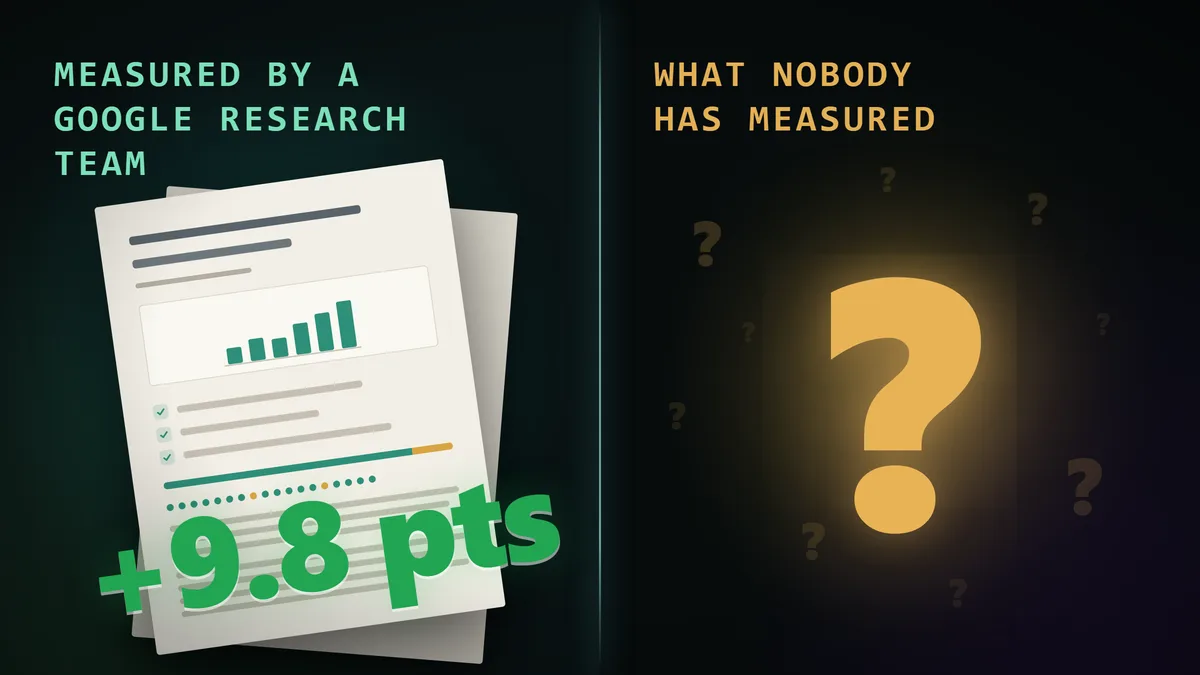
How Google's Data Validated Part of My Argument and Left Room to Explore
Google's own data validated half of my argument, and left the other half open for exploration. In this third installment on spec-driven test automation, we see how measurable evidence can sharpen a thesis without closing the conversation. That's the kind of thinking partner AI should be. For a deeper look at that concept, see our guide on turning AI into a thinking partner that accelerates how you learn.
Your Questions Belong Here, Not in a New Thread
A single thread for questions keeps the conversation focused and makes it easier for everyone to find answers. Scattering questions across new posts buries helpful responses and fragments the community. We've seen how well this works in past threads, thanks to everyone who contributed answers. If you have a question, drop it here. And if you're curious about how arXiv is tightening its submission limits to sustain quality, that related article offers deeper context on managing community growth.

Designing AI Agent Guardrails: Essential Patterns for Data Engineers
AI agents don't fail because the model isn't smart enough. They fail because the architecture around them lacks boundaries. Essential guardrails data engineers need to build systems that stay safe, predictable, and useful as AI takes on more responsibility are laid out here. It's a practical, no-nonsense guide for teams ready to move beyond experimentation. If you're designing these systems, this is the pattern to study.

Transform an Open LLM Into a Fast Classifier by Swapping Its Head
Swapping a language-modeling head for a classification head turns a small Qwen LLM into a fast, single-pass text classifier. That's a practical move, not a theoretical one. It makes open-source models more useful for real tasks without the overhead of full generation. We see this as a natural step toward focused, efficient AI tools. For deeper context on how calibrated models handle high-frequency decisions, our piece "Smart Graph Decisions at Scale" explores that territory. This is about building smarter workflows, not just faster ones.

Expanding Your Tech Fluency: Key Insights Beyond Artificial Intelligence
Artificial intelligence dominates the conversation, but true fluency demands more. In "10 Things I'm Learning Beyond AI to Become More Technologically Fluent," the author steps past the hype to explore the foundational technologies quietly shaping our world. It's a refreshing, grounded take that invites you to broaden your digital toolkit. For those ready to deepen their understanding, this piece pairs well with our guide on navigating AI/ML job requirements, where the skill shift becomes tangible.

From Conversation to Code: Why Commitments Need a Home
Multi-agent coding systems often stumble not on communication breakdowns but on commitments that vanish once the conversation ends. That's a sharp observation worth sitting with. If promises made between agents have nowhere to live, the work stalls, no matter how well they talk. This piece reframes failure as an architectural gap, not a social one. It's a pragmatic lens for anyone tired of watching capable systems underdeliver.
Streamline your data by merging vertical cells without creating new ones
Merging data from vertical cells into one cell, without creating a new one, is a common request that trips up many Excel beginners. You are not missing something obvious; the tool simply handles this differently than most expect. The key is to use a formula, not a paste option, to combine text. We have covered similar data hurdles before, like in our piece on "Monitor Cypress Tests with Grafana," where persistent observability solves a different kind of data puzzle.
Explore ICDE Results and Discover What They Mean for Your Data Workflows
Tomorrow's ICDE results carry real weight, and waiting on them is never easy. For those refreshing portals and refreshing again, this thread is your space to share outcomes, compare notes, and find some clarity in the uncertainty. The anticipation is part of the process, but you do not have to sit with it alone. Post your results, ask your questions, and dig into the discussion. And if the stress feels familiar, our piece on neurosurgery match requirements shows how intense academic pressure has become.
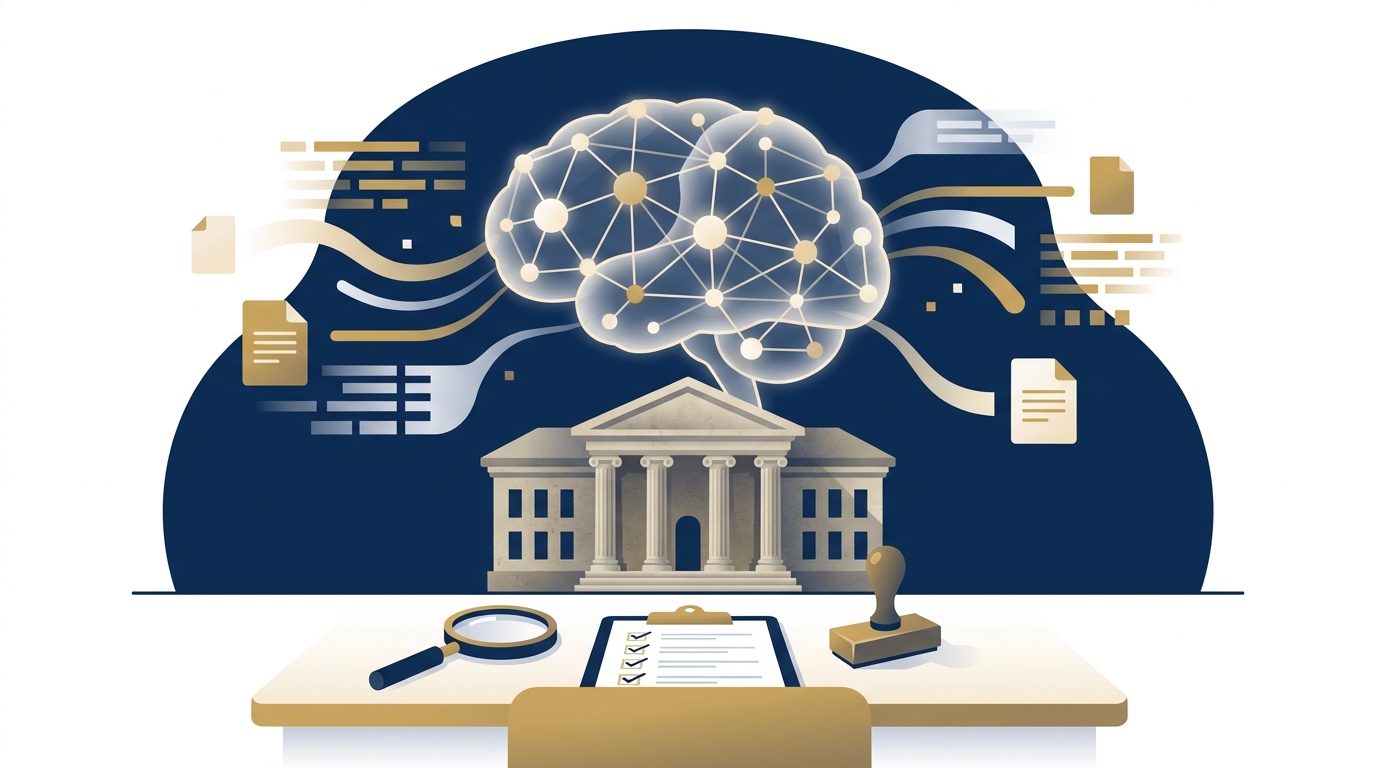
Validating LLMs: What Banking Model Rules Teach Us About AI Testing
Banks have spent decades refining model validation, but large language models don't fit neatly into those established frameworks. This piece examines what actually breaks when the rules shift from statistical models to generative systems, and more importantly, what survives the transition. It's a practical look at testing output quality where traditional assumptions no longer hold. For anyone wrestling with AI governance, this offers a grounded starting point.
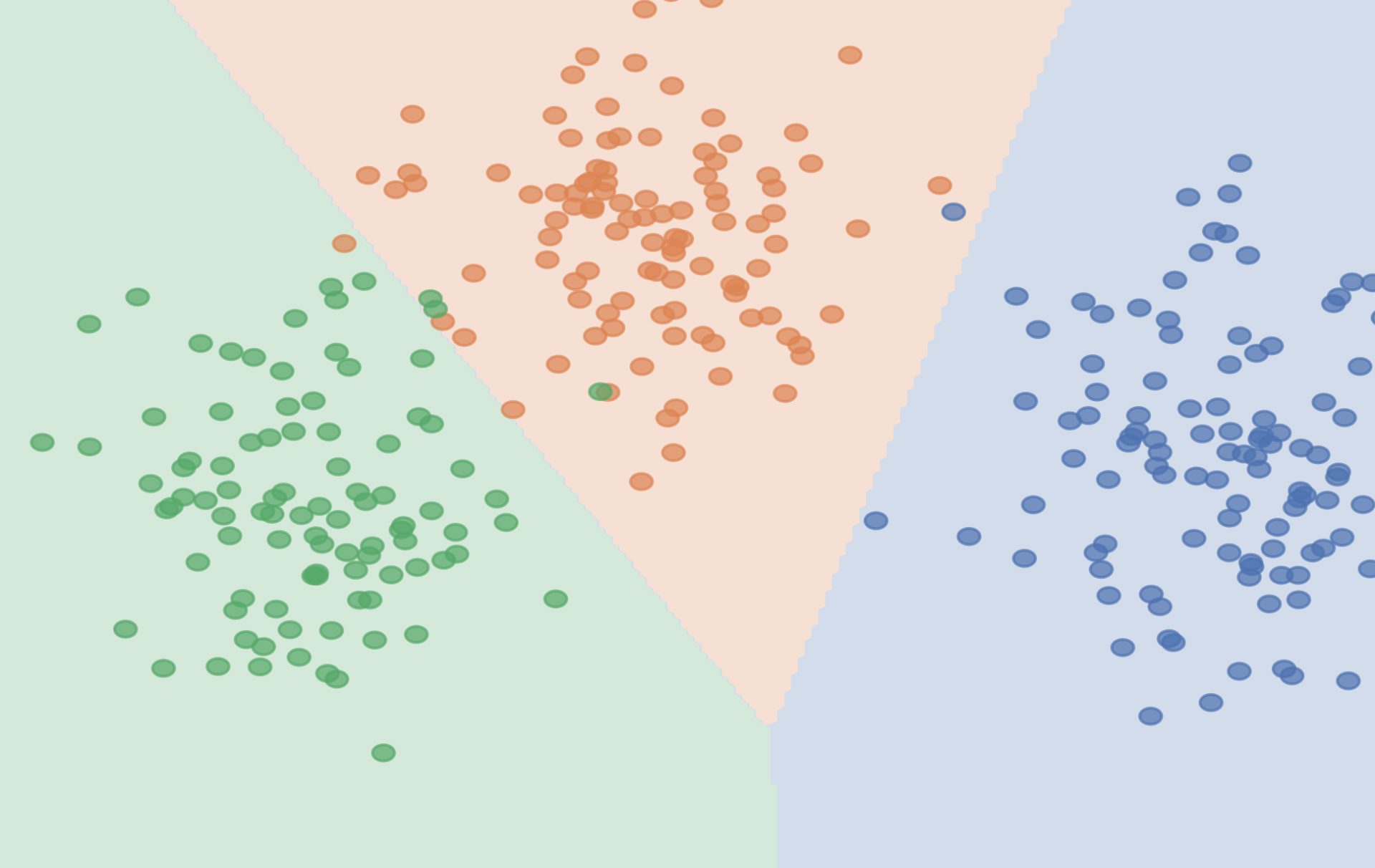
Simplify Complex Real Estate Data with Linear Discriminant Analysis
A real-estate dataset rarely gives you the luxury of clean, low-dimensional features. When classification tasks start drowning in noise, Linear Discriminant Analysis steps in to cut through the clutter. Applying LDA for dimensionality reduction sharpens class separation rather than just shrinking data. It's a practical reminder that reducing dimensions is about preserving what matters most for prediction. For those ready to push further into advanced modeling, our guide on distributed training offers a natural next step.
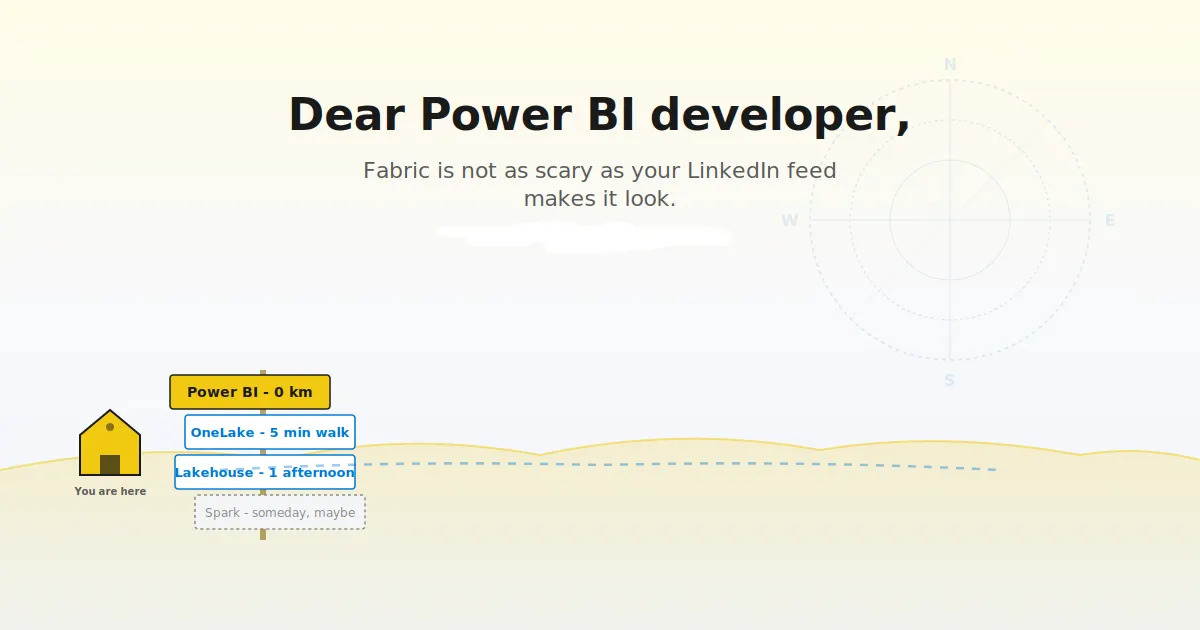
Navigate Microsoft Fabric with confidence and purpose, not panic.
Power BI Premium's retirement isn't a crisis; it's a handoff. For developers, Microsoft Fabric changes the ground rules, but not the core craft. This guide cuts through the noise, separating what truly shifts in your workflow from what stays comfortably familiar. It's a practical starting point for those who'd rather adapt with clarity than react with alarm. For a deeper look at how structured thinking applies elsewhere, explore our piece on how LLMs navigate token space. The takeaway?

When a RAG System Says No, It Should Show Four Proof Points
A confident wrong answer is a bug, but a bare "no answer" with no justification is barely better. This piece breaks down why a RAG system that says "not in this document" must show four distinct kinds of evidence to earn trust. It's a practical push for accountability in AI output. For readers wrestling with how LLMs structure their reasoning, "Exploring Paragraph Structure" offers a useful companion on the mechanics behind the curtain.

Explore the AI skills that will empower data scientists through 2027
If you're a data scientist, the tools you use are changing faster than the workflows you've mastered. That's why we're focusing on five AI skills that will keep you relevant in 2027. Each one targets a specific challenge, from simplifying complex tasks to boosting productivity. We've included runnable code you can paste straight into your notebook, so you're not just learning, you're doing. For a deeper look at how distributed systems fit into this, check out our guide on unlocking LLM training.

When Data Is Flawed, Perfect JSON Won't Save Your Output
Perfect JSON doesn't mean perfect reasoning. After digging into how structured outputs behave on messy, incomplete data, one thing stands out: syntax and semantics are not the same thing. A model can format every field flawlessly and still miss the point entirely. That gap matters. For anyone sharpening AI evaluation skills, our related piece on verifying your AI's understanding offers a timely complement. The takeaway? Structure is a tool, not a verdict.
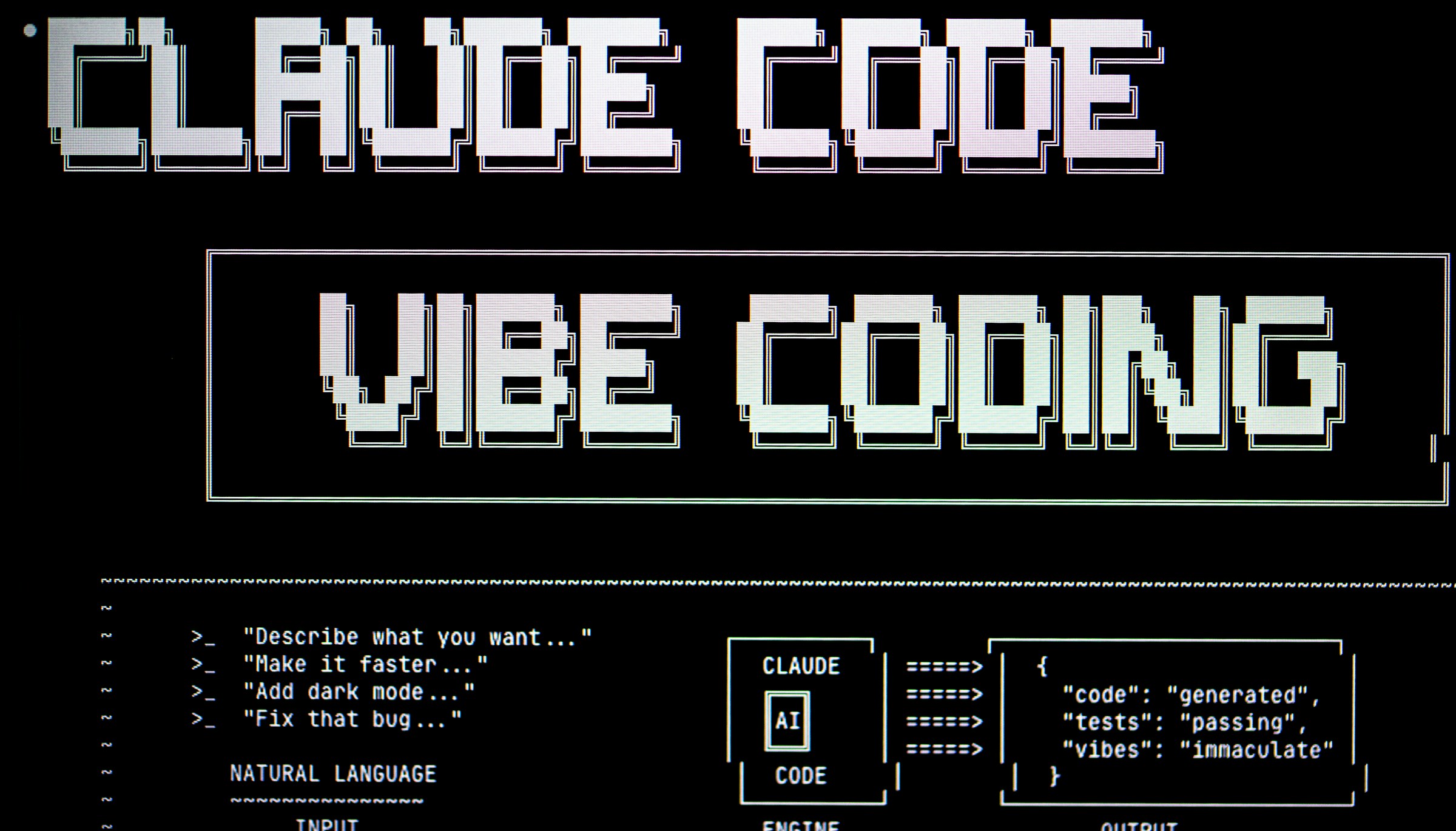
New context engineering guidelines to transform your data science workflow
Context engineering is no longer a behind-the-scenes concern for AI researchers; it is becoming a core skill for data scientists who want their models to act, not just generate. The latest guidelines push us past static prompts toward dynamic, structured reasoning. That shift is practical, not theoretical. We think it deserves your attention, especially if you are building workflows that need to scale.