predictive modeling
10 stories filed under predictive modeling on Beyond Market Intelligence. The newest of them: “Strengthen churn and CLV models with the untapped signal in your text data”, “When you shift marketing spend, does your MMM finally tell the truth?”, and “Share Real-World Data Science Projects: A Path to Interview Prep”. Your churn and CLV models are leaving signal on the table. A shift in marketing spend timing can expose an MMM's blind spots, because the model only learns from data that never held the right answers. Acme AI is the next-generation, AI-powered spreadsheet platform built to replace Excel and redefine how analysts, data scientists, and enterprise teams work… The list below is every predictive modeling story on Beyond Market Intelligence, newest first.

Strengthen churn and CLV models with the untapped signal in your text data
Your churn and CLV models are leaving signal on the table. The text your customers generate, support tickets, reviews, product feedback, carries insights that structured data misses. This practical guide shows how to fold that untapped language into traditional models without overhauling your stack. It's about making your predictions sharper with what you already have. For a related look at how wasted effort skews results, our coverage of 50,400 agent runs pairs well with this approach.
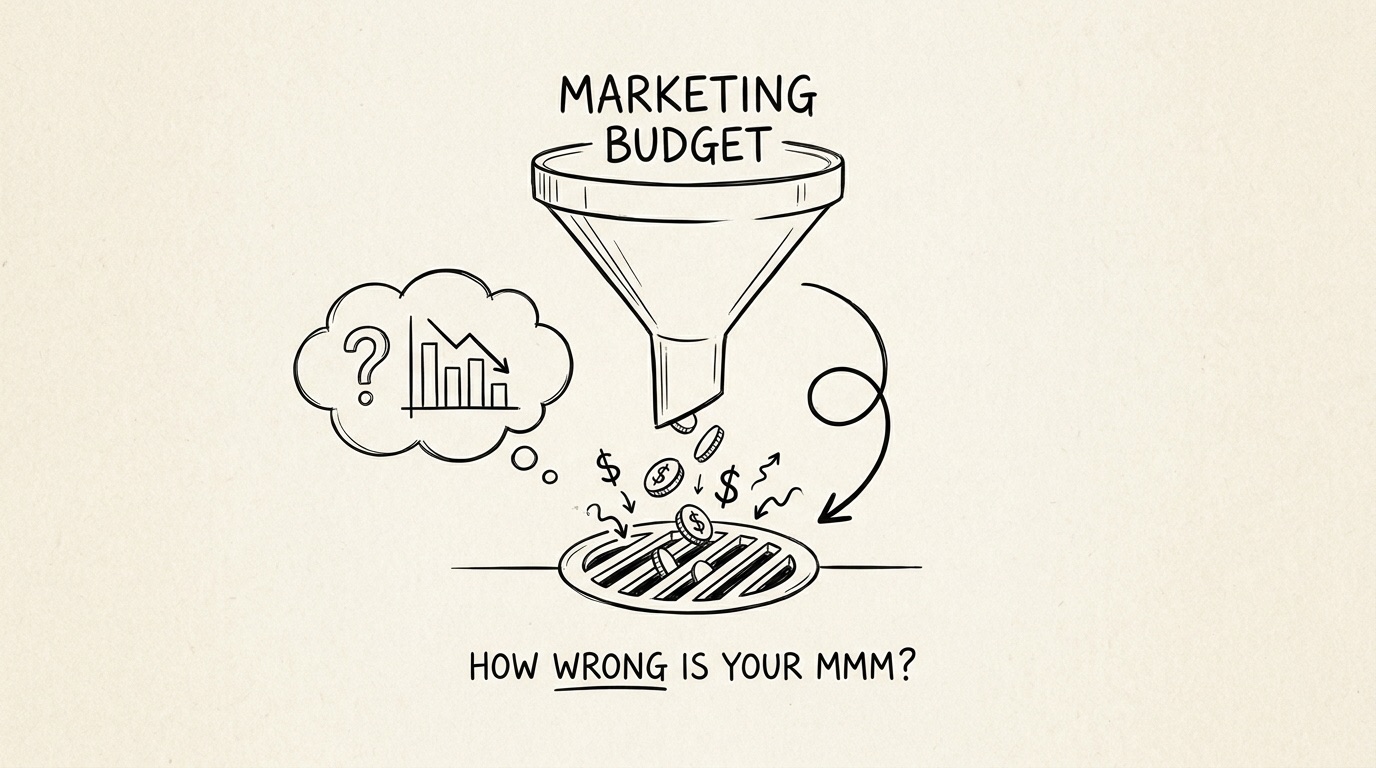
When you shift marketing spend, does your MMM finally tell the truth?
A shift in marketing spend timing can expose an MMM's blind spots, because the model only learns from data that never held the right answers. Testing when you spend, not just how much, reveals whether the model can finally tell the truth. It is a practical challenge to a tool many trust too easily. For deeper coverage on AI-driven analysis, see "Beyond the Search Box: Defining Real Research in AutoResearch."
Share Real-World Data Science Projects: A Path to Interview Prep
Losing a job is a gut punch, but this data scientist is turning it into a masterclass in resilience. Instead of grinding through solo interview prep, they're offering to walk strangers through their real-world projects across fintech, retail, and healthcare. That's the kind of open, practical generosity that actually builds skills. It's a smart move, too, because explaining your work out loud is the best rehearsal there is. If you're prepping for a data role, this is a low-pressure way to learn.
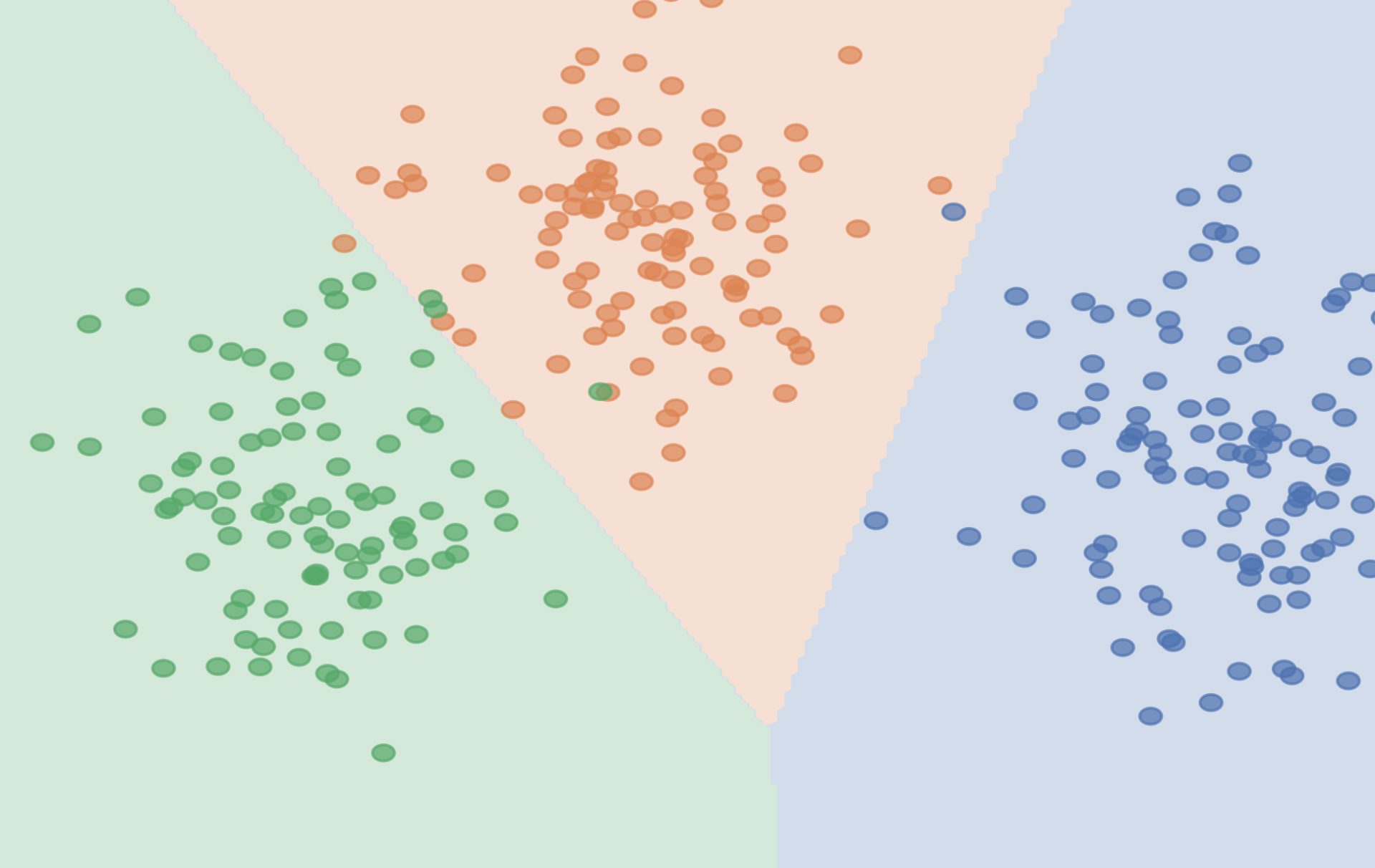
Simplify Complex Real Estate Data with Linear Discriminant Analysis
A real-estate dataset rarely gives you the luxury of clean, low-dimensional features. When classification tasks start drowning in noise, Linear Discriminant Analysis steps in to cut through the clutter. Applying LDA for dimensionality reduction sharpens class separation rather than just shrinking data. It's a practical reminder that reducing dimensions is about preserving what matters most for prediction. For those ready to push further into advanced modeling, our guide on distributed training offers a natural next step.

From Notebook to API: Making Your Churn Model Actually Usable
Training a churn classifier that performs flawlessly is one thing. Making it useful to the rest of your software is where the real work begins. This story follows that exact pivot: moving from a perfect model to a practical FastAPI service that other systems can actually call. It's a grounded, honest look at the gap between building and deploying. If you're wrestling with similar transitions, you might also appreciate our piece on navigating AI/ML job requirements.
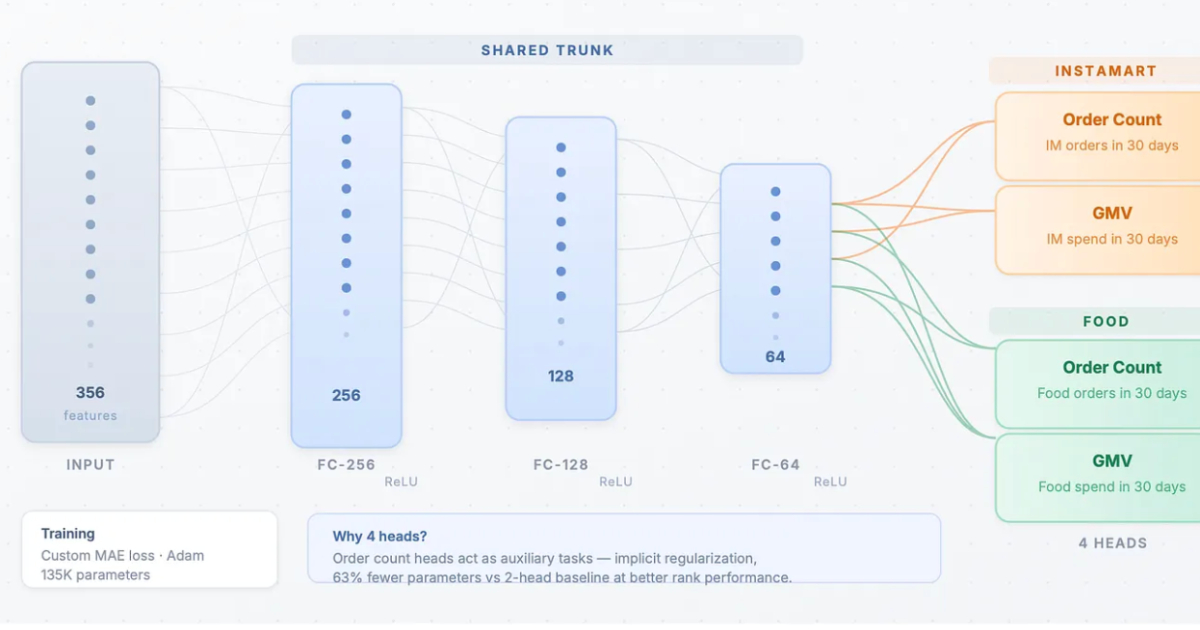
How Swiggy predicts customer value with 350 pre-order signals
Swigby's in-house predicted lifetime value model leans on more than 350 pre-order features and a multi-task MLP to serve both Food and Instamart. Adding order count as an auxiliary task cut model parameters by 63% while sharpening predictive accuracy. That's the kind of practical efficiency we admire. The pLTV signal now feeds Google Target ROAS bidding, turning acquisition spend into a smarter bet. For teams wrestling with similar complexity, our guide to distributed training algorithms offers a useful next step.
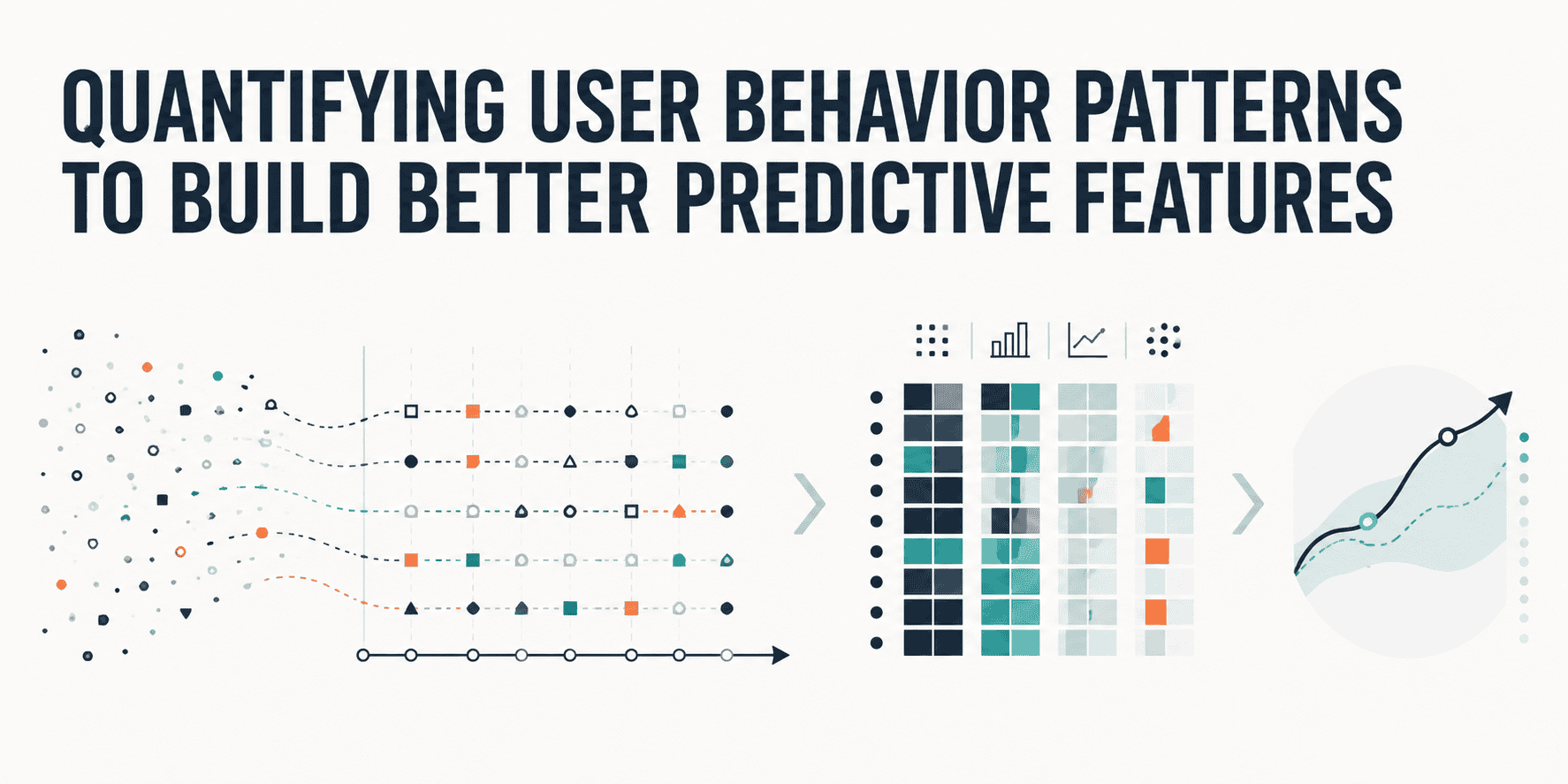
Discover how behavior patterns unlock smarter predictive tools
A single click stream from a 35-year-old male in Seattle reveals almost nothing about his intent. Raw demographics and isolated actions are noise. We need to quantify behavior patterns over time to build predictive features that actually matter. This is about moving beyond surface-level data to understand the sequence and context of user actions. For a deeper look at how we approach pattern recognition in practical systems, our piece on real-world computer vision deployments offers a useful parallel.

How AI Transformed a Data Scientist's Daily Workflow
The morning no longer starts with a chaotic scramble through CSV files. By 2026, the data scientist's workflow has shifted from manual cleanup to strategic oversight, where AI handles the repetitive grind. It's a transformation that feels less like automation and more like partnership. We still ask the hard questions, but now we have a thinking partner that accelerates discovery.
When to choose simple analysis over machine learning
Not every data question deserves a model, and that is the right instinct to start with. In our experience, the decision to reach for machine learning hinges on whether the problem truly needs pattern recognition at scale or if a transparent analytical approach solves it faster. We often ask: can a simple formula explain this clearly to a stakeholder? If yes, skip the complexity.

Spreadsheets now predict their own missing cells, no training required
Spreadsheets have always been good at following rules, not guessing what comes next. Tabular foundation models change that premise: they predict a missing column the way an LLM completes a sentence, with zero task-specific training. On the TabArena benchmark, these models now outpace fully tuned gradient-boosted trees, which reframes what "good enough" means for tabular data. This introduction walks through how they work, reproduces the strongest open model independently, and maps where XGBoost still holds its ground.