rag
Beyond Market Intelligence keeps rag in one place: 46 stories so far. The section currently leads with “EmbeddingGemma 2 Now Processes Code, Images, Video, and Audio”, “Pinpoint the bug: Odin reads your report and shows the file to fix”, and “Rethinking Retrieval: When Your Data System Needs Autonomous Reasoning”. EmbeddingGemma 2 now understands more than just text: code, images, video, and audio are all in its grasp. Paste a bug report into Odin and it pinpoints the exact file, 93% of the time, and the specific function, 79.4% of the time. Acme AI is the next-generation, AI-powered spreadsheet platform built to replace Excel and redefine how analysts, data scientists, and enterprise teams work… The list below is every rag story on Beyond Market Intelligence, newest first.

EmbeddingGemma 2 Now Processes Code, Images, Video, and Audio
EmbeddingGemma 2 now understands more than just text: code, images, video, and audio are all in its grasp. Built on Gemma 4 and released under Apache 2.0, this compact model from Google is purpose-built for efficient semantic search and on-device RAG. It is a focused, practical tool that prioritizes performance without demanding massive resources. For those exploring how AI handles locked-down code, our piece on "When Closed Code Won't Open, Can AI Do the Heavy Lifting" offers a fitting companion read.
Pinpoint the bug: Odin reads your report and shows the file to fix
Paste a bug report into Odin and it pinpoints the exact file, 93% of the time, and the specific function, 79.4% of the time. This isn't another cloud-dependent AI tool. It runs mostly in your browser using local models, keeping your code private while matching the accuracy of far heavier agents. That efficiency is what stands out. If you've ever felt buried by debugging, this is worth exploring.
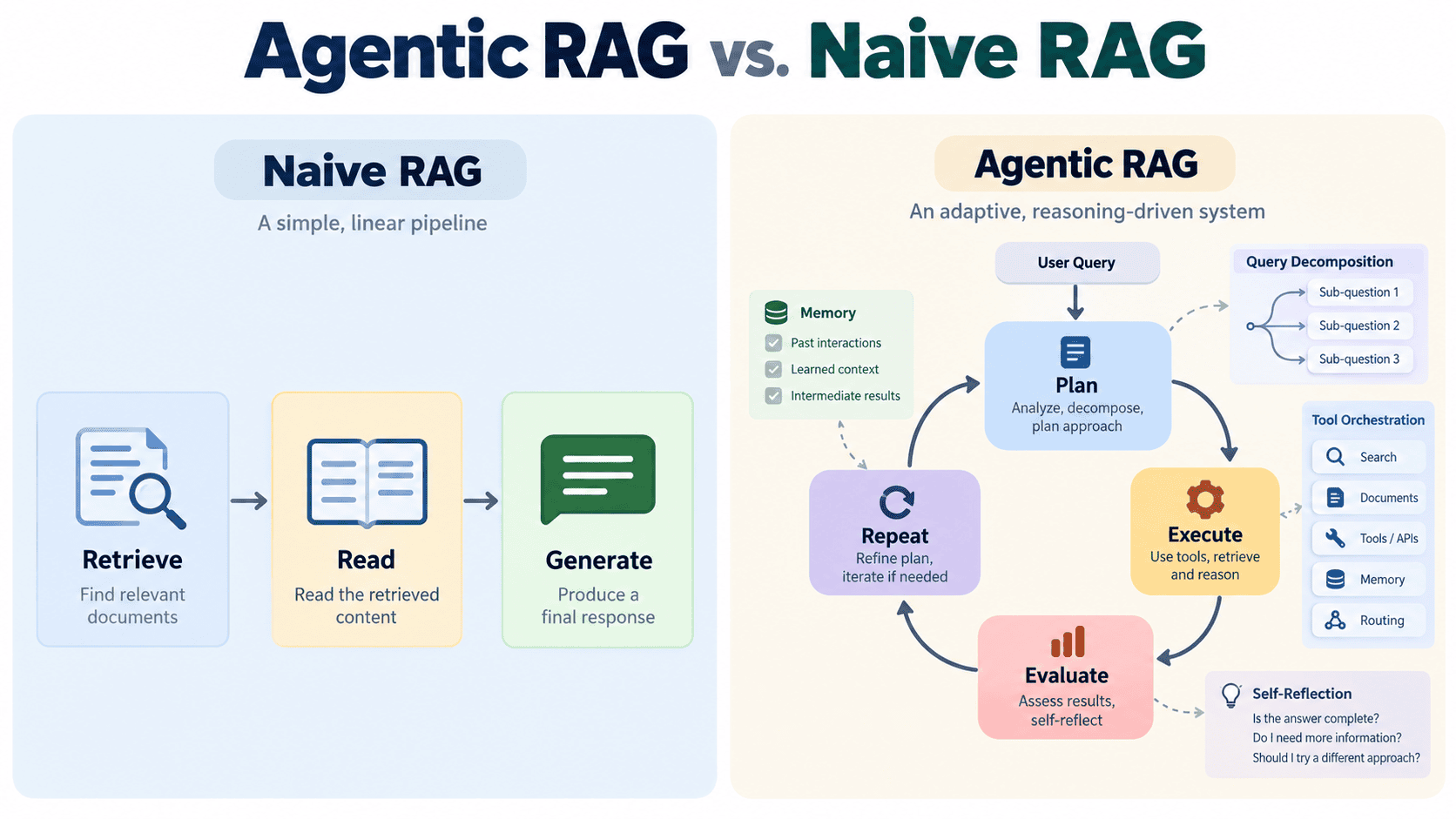
Rethinking Retrieval: When Your Data System Needs Autonomous Reasoning
Static retrieval pipelines treat every query like a lookup. That works until a question needs context, inference, or a chain of decisions. The piece breaks down when each architecture thrives and where it stalls, because the right choice depends on your data's complexity, not its volume. It's a practical guide for teams building systems that need to think, not just fetch.

Explore how LLMs fit into recommender systems with Kim Falk's new guide
Adding an LLM to a recommender system sounds promising until you ask whether the complexity is actually justified. Kim Falk's new guide treats recommendation as a full pipeline, not a single trick, examining where LLMs earn their place in candidate generation, reranking, and signal extraction. The real question isn't whether the system works. It's whether the improvement justifies the cost. For deeper context on the operational challenges, our related article "Taming AI's Real-World Demands: Agents, Evals, and Rising Token Costs" explores similar trade-offs in production.
Production RAG's Missing Piece: Confident Answers, Honest Refusals
Moving a RAG prototype to production means confronting the gap between demos and dependable answers. The checklist we needed focuses on citations for every response, the confidence to refuse when context is insufficient, and access control that resists clever workarounds. Ingestion should never block a user. This is about building trust through honesty. For a deeper look at how systems handle uncertain inputs, our guide on multi-armed bandit simulations offers a useful parallel. Watch the full breakdown here.

From siloed AI evals to a unified framework for production-grade agentic products
Moving from ad-hoc AI agent evaluations to a unified, production-grade framework is the kind of transition most teams only talk about. Susan Chang shows how Elastic actually did it. She balances LLM-as-a-judge with deterministic rules and bridges Python data science evals with TypeScript production code. Deep tracing catches regressions across complex RAG and cybersecurity workloads. It is a practical, human-centered approach to keeping domain context intact. For more on building these skills, explore our five free courses on practical AI engineering.
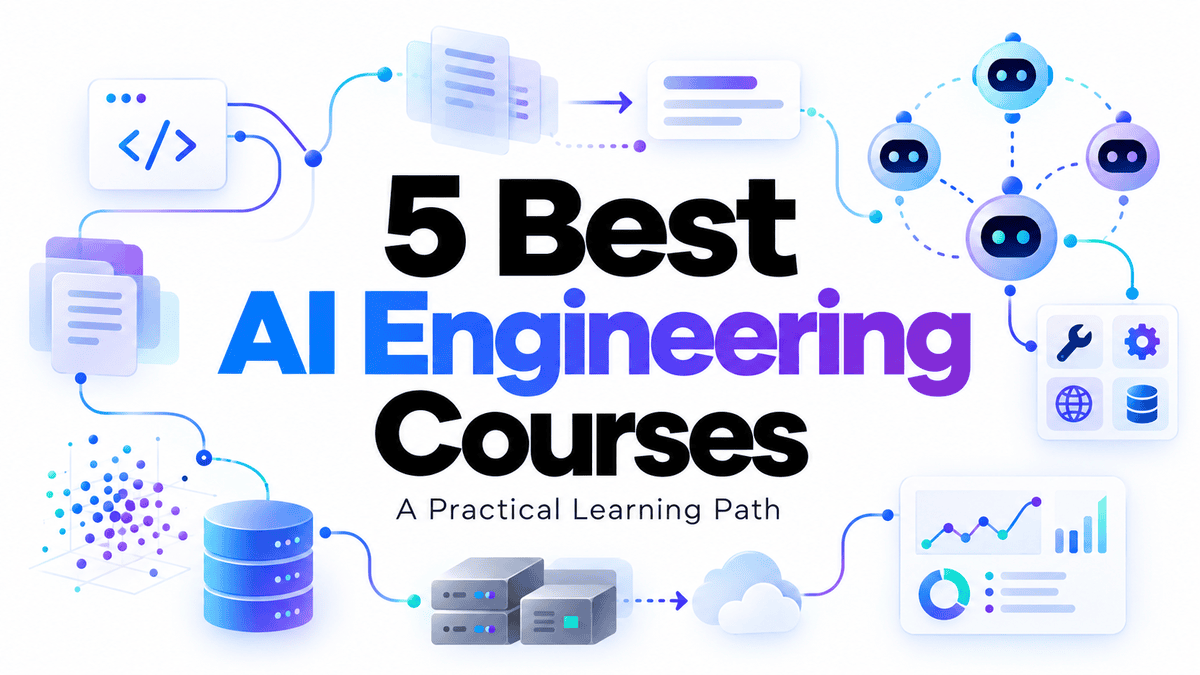
Explore five free courses to build practical AI engineering skills
Practical AI skills shouldn't require a computer science degree to access. That's why these five free courses focus on the fundamentals that actually matter: LLM basics, RAG, MLOps, fine-tuning, and deployment. Each one is built to move you from understanding concepts to applying them in real workflows. If you're ready to strengthen your engineering toolkit, start exploring. And for a broader view of where AI infrastructure is heading, our coverage of Python Workers going live offers useful context.

Bridging Retrieval and Action: A New Approach to AI Tasks
RAG retrieves. Agents act. The gap between them is where real work happens, and one builder decided to close it by hand. They connected both systems explicitly, then ran the same nine tasks through all three approaches. The result is a clear look at what each setup can and cannot do. It is a practical experiment, not a theory. If you are weighing how much autonomy to hand your AI, this is a useful starting point.
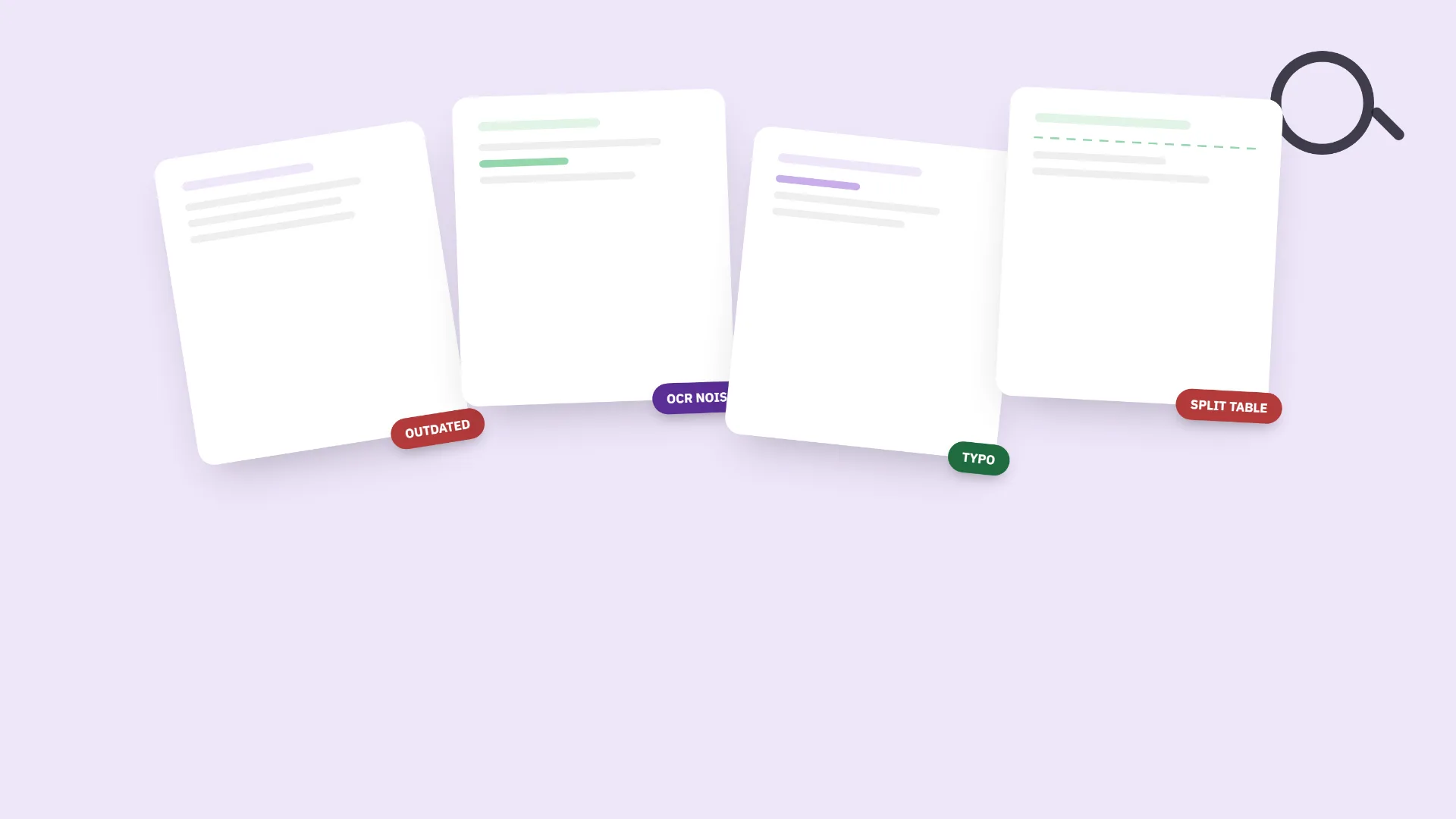
Uncover Retrieval Weaknesses: Test Your RAG Pipeline Now
Your evaluation set has a blind spot, and it's costing you. A small adversarial test set can expose retrieval failures your standard checks never touch, revealing exactly where your RAG pipeline stumbles under real-world pressure. This approach isn't about adding more data; it's about testing smarter. We think that's a practical, necessary step for anyone serious about reliability. For a deeper dive into how these systems hold up, our guide, "Verify Your AI's Understanding: A Simple Check for Tax Season," offers a useful parallel.
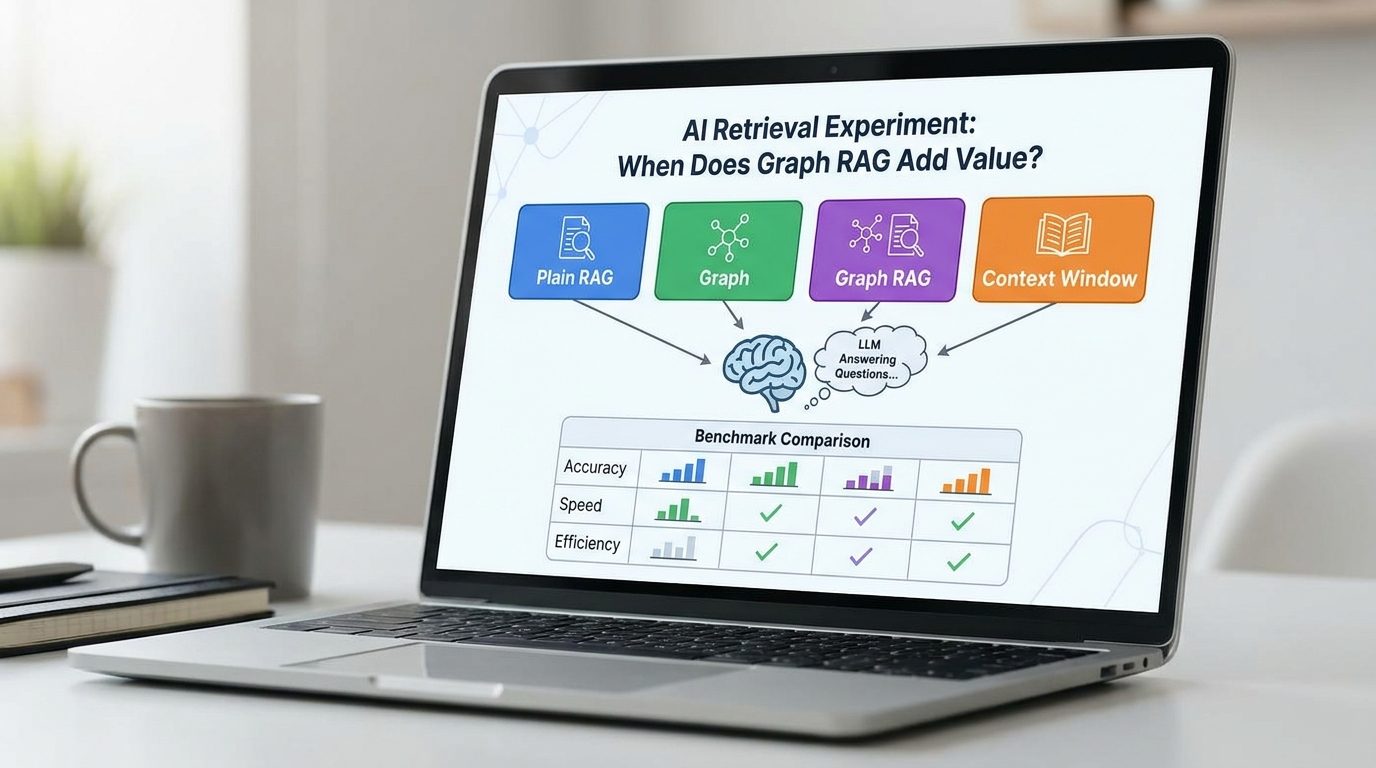
Four AI Retrieval Methods Benchmarked for Real-World Trade-offs
Four retrieval architectures, one laptop, and a single set of documents. That's the setup for this hands-on experiment, which benchmarks plain RAG, graph RAG, and a frontier model's context window against the same questions. The results offer a practical look at when graph RAG earns its complexity. For those exploring how AI structures understanding, our related piece on verifying AI comprehension in tax season is a natural next step. The trade-offs here are worth your attention.

Discover five free GitHub courses to build practical AI skills
Microsoft's GitHub is quietly becoming one of the best free launchpads for data science and AI skills. These five courses cut through the noise, covering everything from machine learning fundamentals to generative AI, LLMs, RAG, and fine-tuning. What stands out is how practical the path feels, you are not just reading about concepts, you are building toward AI agents. If you are ready to move beyond theory, this is a solid starting point.
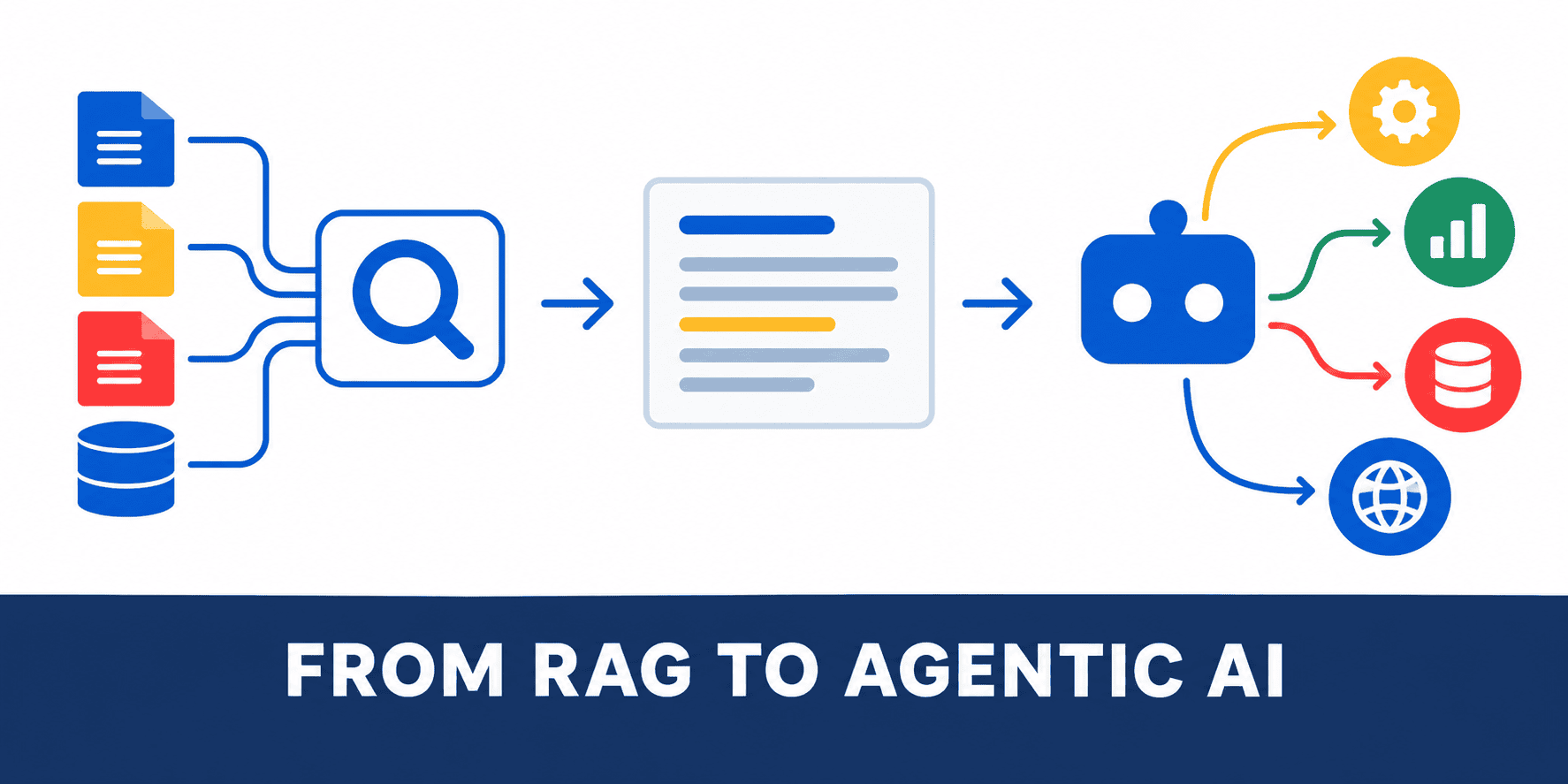
Evolving AI: Lessons from Building Intelligent Enterprise Systems
Three generations of intelligent retrieval systems is a long arc to trace, and the lessons are tangible. Each iteration tackled a constraint the previous one couldn't crack, which is exactly how progress should feel: deliberate, not chaotic. This is a story about persistence in engineering, and it's worth reading. For those curious about the underlying mechanics, our guide to distributed training offers a practical entry point. But start here, where the real-world friction meets the fixes.
Upgrade your embedding model across a billion documents without downtime.
Upgrading an embedding model usually means a brutal choice: serve stale vectors or spend 108 days on backfill. The team behind embedflow found a smarter path. By reranking just 50 documents from the old index against the new model, they matched native retrieval quality. That is a practical shortcut, not a theoretical one. They tested it across 63 migrations, and the results hold up. If you are wrestling with vector upgrades, this is worth exploring.

When a RAG System Says No, It Should Show Four Proof Points
A confident wrong answer is a bug, but a bare "no answer" with no justification is barely better. This piece breaks down why a RAG system that says "not in this document" must show four distinct kinds of evidence to earn trust. It's a practical push for accountability in AI output. For readers wrestling with how LLMs structure their reasoning, "Exploring Paragraph Structure" offers a useful companion on the mechanics behind the curtain.
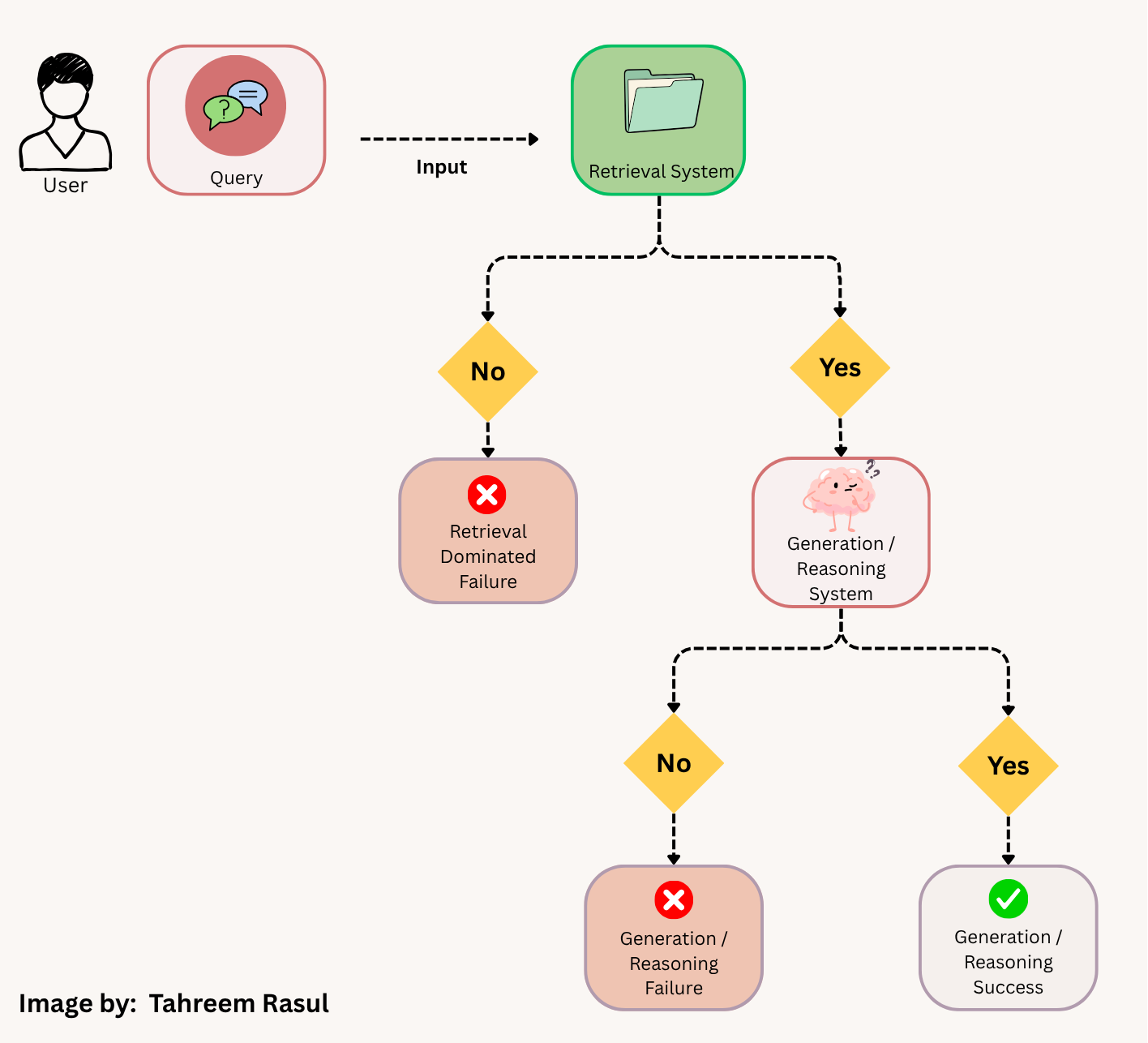
Building Smarter RAG Pipelines That Earn Their Complexity
Most teams add complexity to RAG pipelines before they've earned it. This framework flips that instinct, introducing advanced techniques only when observed failures demand them. Starting with lexical and hybrid search, then moving to reranking and agentic information seeking, the approach keeps systems lean and understandable. It's a disciplined counter to the temptation of overbuilding. For readers tracking how retrieval evolves into action, the related piece on bridging retrieval and action offers a useful follow-up.

Design Your Data: Why a Simple FAQ Can Outperform RAG
Most RAG setups fight messy documents. This piece flips that struggle into a design choice. A well-structured FAQ inverts the pipeline: parsing becomes trivial, retrieval acts as a cache, and few-shot prompting turns into a retrieval problem. It's a clever reframing that rewards intentionality. If you're tired of wrestling with chaotic corpora, this perspective offers a practical path forward. For a deeper look at how LLMs handle structure, our piece on paragraph navigation in token space pairs well with this.
Test your RAG apps against unauthorized document access with an open-source tool
A RAG app that quietly retrieves documents a user shouldn't see is a risk most teams don't catch until it's too late. This open-source checker tackles exactly that gap, supporting both offline test cases and live HTTP API checks with bearer-token or API-key auth. It's a practical, no-frills tool for validating access boundaries before they become a problem. The call for hands-on feedback from engineers testing non-sensitive environments is the right move.

Why Embeddings Outperform Classical Spell-Check on Noisy Data
Three sources of noisy text plague enterprise RAG: user typos, transcription slips, and OCR character errors. Classical spell-check catches only the first, leaving embeddings to absorb the rest. That gap matters more than most teams realize, because retrieval quality hinges on how well your system tolerates imperfection. This piece breaks down the problem clearly, and it pairs well with our guide on paragraph structure and token space. Both explore how LLMs actually process the messiness we feed them.

Choose the right tool first, not just the AI default
Retrieval answers one kind of question, but it is not the whole toolkit. Classifying a request, matching free text to a reference list, or cleaning OCR noise each has a cheaper, more direct method. The real engineering is knowing which tool to reach for. That practical focus makes this a useful read for anyone feeling stuck in RAG's limitations. For a deeper look at how LLMs handle structure, explore our related piece on paragraph and token space.

What data scientists miss about rerankers and why it reshapes your RAG architecture
Ask a data scientist what a RAG reranker actually does under the hood, and you'll get a pause before an honest answer: it's not magic, it's a focused relevance filter. That honesty matters more than any architecture diagram, because it forces hard decisions about where your enterprise RAG pipeline spends its compute. We think that clarity is the real unlock. For teams already wrestling with distributed systems, this piece pairs well with our practical guide to distributed algorithms.

Rethinking Enterprise RAG: Ten Overlooked Positions That Demand Your Attention
Most tutorials treat enterprise RAG as a simple plug-and-play. This series argues for ten positions that challenge that assumption, starting with the idea that retrieval isn't just a search problem, it's a structural one. Each article maps a specific argument, building a coherent framework rather than a collection of tips. If you're tired of surface-level advice, start with "Exploring Paragraph Structure: How LLMs Navigate Token Space" to see why token coordinates need better metrics. This is the map. The rest is exploration.

Build the Index Before You Open the Folder
A case file is more than a stack of PDFs, and the index proves it by mapping what the case type demands before a single folder is opened. The two questions worth building for are not retrieval questions at all, which reframes how we think about RAG's purpose. It's a sharp, practical push toward relational tables that serve the work. For deeper context on how LLMs handle structure, our related piece on paragraph structure and token space pairs well here.

Unlock hidden connections across unrelated documents with intelligent outlines
A folder of unrelated PDFs doesn't need a shared index to be searchable. Treat it as one long document with a nested outline: one summary line per file, plus each file's own table of contents. Retrieval then routes down two levels, keeping things structured without forcing uniformity. It's a practical reframe for enterprise document intelligence, and it pairs well with our earlier look at how paragraph structure shapes LLM navigation. Explore the method; it's simpler than it sounds.

Row-Level Chunks Deliver the Exact Table Data You Need
Tables are rarely retrieved in pieces. But when a document stores data in rows, each row carries its own context: the column headers that give it meaning. That row becomes a chunk, and it is often the exact unit the reader needs. Row-level chunks should be treated as a retrieval standard, not a workaround. It is a practical reframing of RAG, and it pairs well with our earlier look at how paragraph structure shapes token navigation.