text generation
text generation at Beyond Market Intelligence is a file of 22 stories. The newest of them: “Explore Jev AI for precise answers and confidence scores, not just text”, “Precision scoring models that skip text generation for faster decisions”, and “Cloudflare Clef gives AI agents a sharper decision-making model”. Most AI models generate text, but Jev, TypeSafe AI's System One model, takes a different approach. Precision scoring models that skip text generation are making faster decisions possible, and the latest v2.1 updates to the 27B and 9B Jebadiah models show real progress. Acme AI is the next-generation, AI-powered spreadsheet platform built to replace Excel and redefine how analysts, data scientists, and enterprise teams work… The list below is every text generation story on Beyond Market Intelligence, newest first.
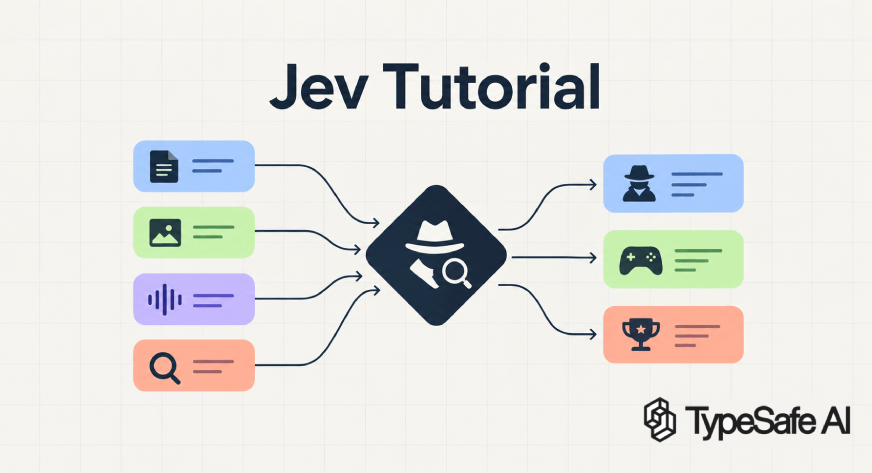
Explore Jev AI for precise answers and confidence scores, not just text
Most AI models generate text, but Jev, TypeSafe AI's System One model, takes a different approach. It returns structured answers with confidence scores, ideal when you need a classification or a simple yes-or-no, not a paragraph. That focus on precision over volume feels genuinely useful for practical workflows. For another take on efficient classification, our guide to Scikit-LLM for few-shot text classification explores a complementary approach worth reading.
Precision scoring models that skip text generation for faster decisions
Precision scoring models that skip text generation are making faster decisions possible, and the latest v2.1 updates to the 27B and 9B Jebadiah models show real progress. Treating a decision as a closed-set scoring problem eliminates parsing and sampling entirely. The results speak clearly: the 27B jumped to 57.03 on the Decision Index, with strong gains in knowledge, language, and retrieval. The tool-use regression on When2Call is worth investigating, though.

Cloudflare Clef gives AI agents a sharper decision-making model
Cloudflare's Clef takes a different path for AI agents: instead of generating open-ended text, it picks between predefined options. That's a sharper fit for decision-making tasks where precision matters more than prose. The 9B and 27B open-weight models, along with a platform for task-specific tuning, give developers room to adapt. It's a practical step forward, not a flashy one. For more on how AI models are being tested in the wild, our piece on Cloudflare's firewall stress-tests pairs nicely with this.

Jev delivers typed probabilities, not text, for faster data decisions
Spreadsheets have always been a compromise between power and usability, but that trade-off is starting to feel optional. Daniel Curtis reports on a new AI-native approach that treats the grid as an interface for natural language reasoning rather than a manual calculation engine. The technology doesn't just automate formulas, it reframes what a spreadsheet can *be*, letting users ask questions in plain language and get structured answers back.
Unlock ChatGPT for Work: A Practical Guide to Getting Started
Most spreadsheet users hit the same wall: asking for help feels like learning a second language. This guide cuts through that friction, showing how to frame prompts that turn ChatGPT into a practical work partner. It's not about hype; it's about clear, repeatable steps. For a deeper look at the underlying mechanics, our piece on distributed training algorithms offers useful context. Start where you are, and let this walk you toward sharper, more efficient workflows.
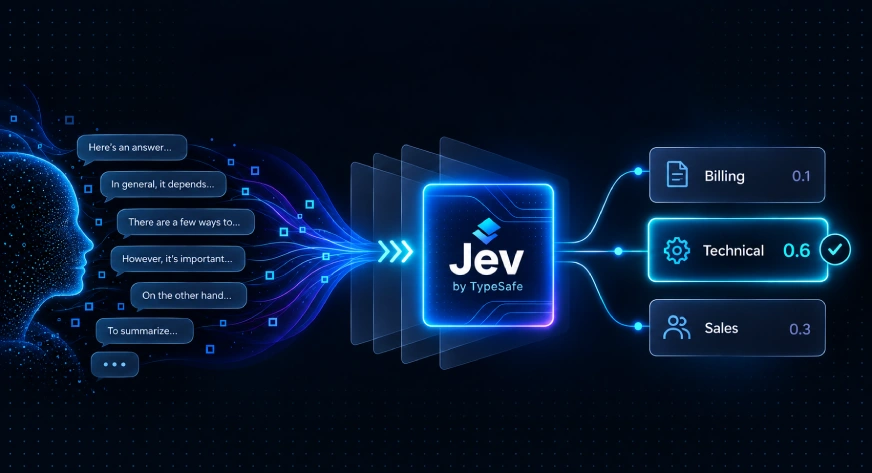
Explore Jev: The AI Model Rethinking Text Generation
Jev is trending on X for a reason, and it's not just another flashy release. TypeSafe AI's new model challenges a core assumption by never generating a single word of text, which feels counterintuitive until you see the logic. We think that restraint is exactly what makes it compelling. If you're exploring how AI can reshape workflows, Jev offers a fresh angle worth your attention. For more on the mechanics behind such systems, our guide to distributed training pairs well with this story.

Jev: AI That Decides, Not Just Writes
Most spreadsheet users know the pain of writing formulas; Jev skips the typing and moves straight to the outcome. This AI doesn't just generate text for you to interpret; it makes the call, deciding what the next step should be based on your data. It's a direct answer to the question of what happens when the tool stops assisting and starts acting. For those interested in how far AI can go beyond simple generation, our piece on the Forrester function offers a deeper mathematical look.
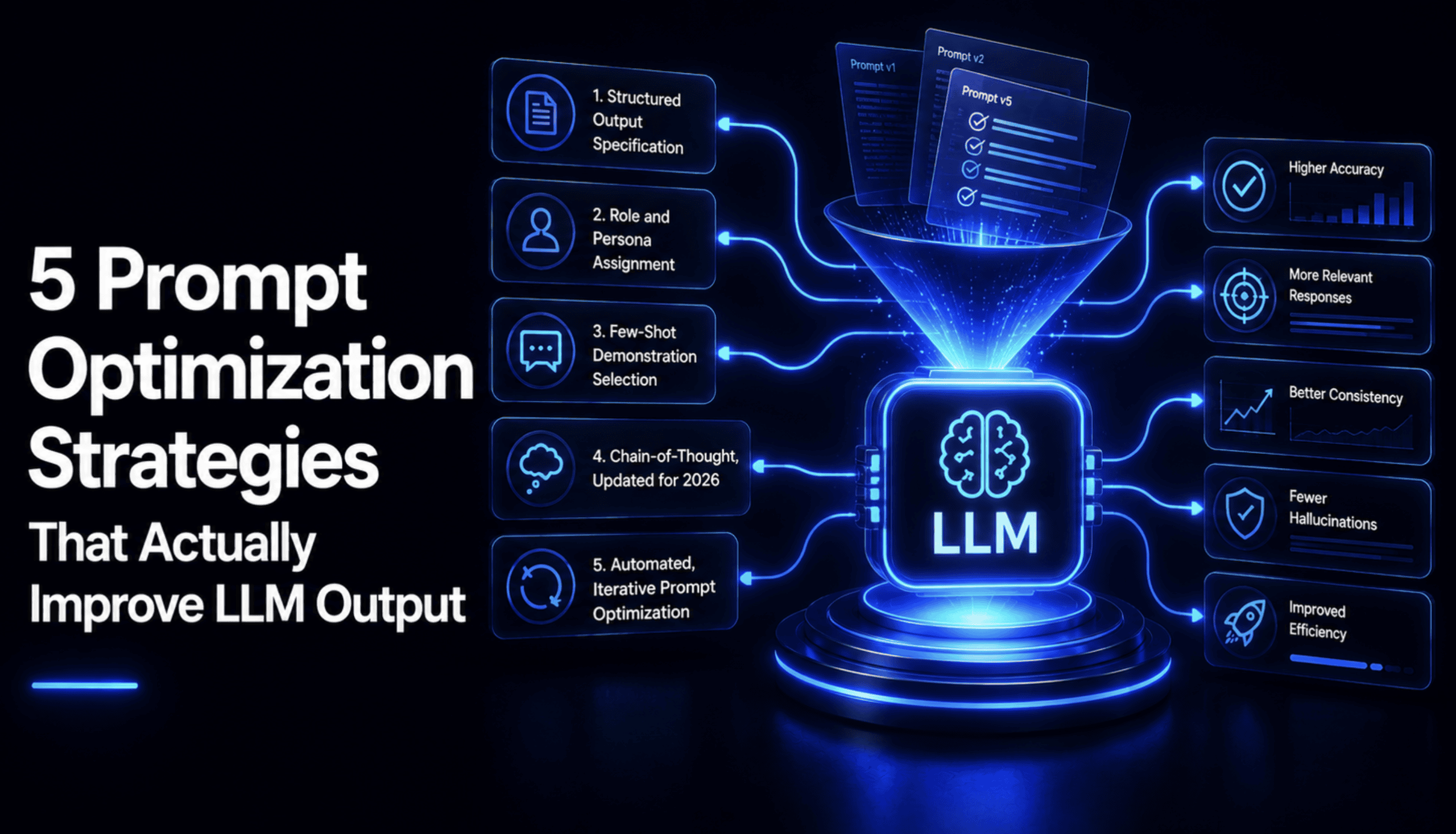
Five Strategies to Sharpen Your Prompts for Better LLM Results
Struggling to get consistent, high-quality responses from your LLM? You're not alone. The difference between vague answers and sharp insights often comes down to how you ask. This piece breaks down five practical strategies, from few-shot prompting to chain-of-thought, that genuinely move the needle. It's about making structured outputs feel natural, not forced. For a deeper look at the underlying mechanics, our guide to distributed training is a solid companion. Ready to refine your approach? Let's get into it.
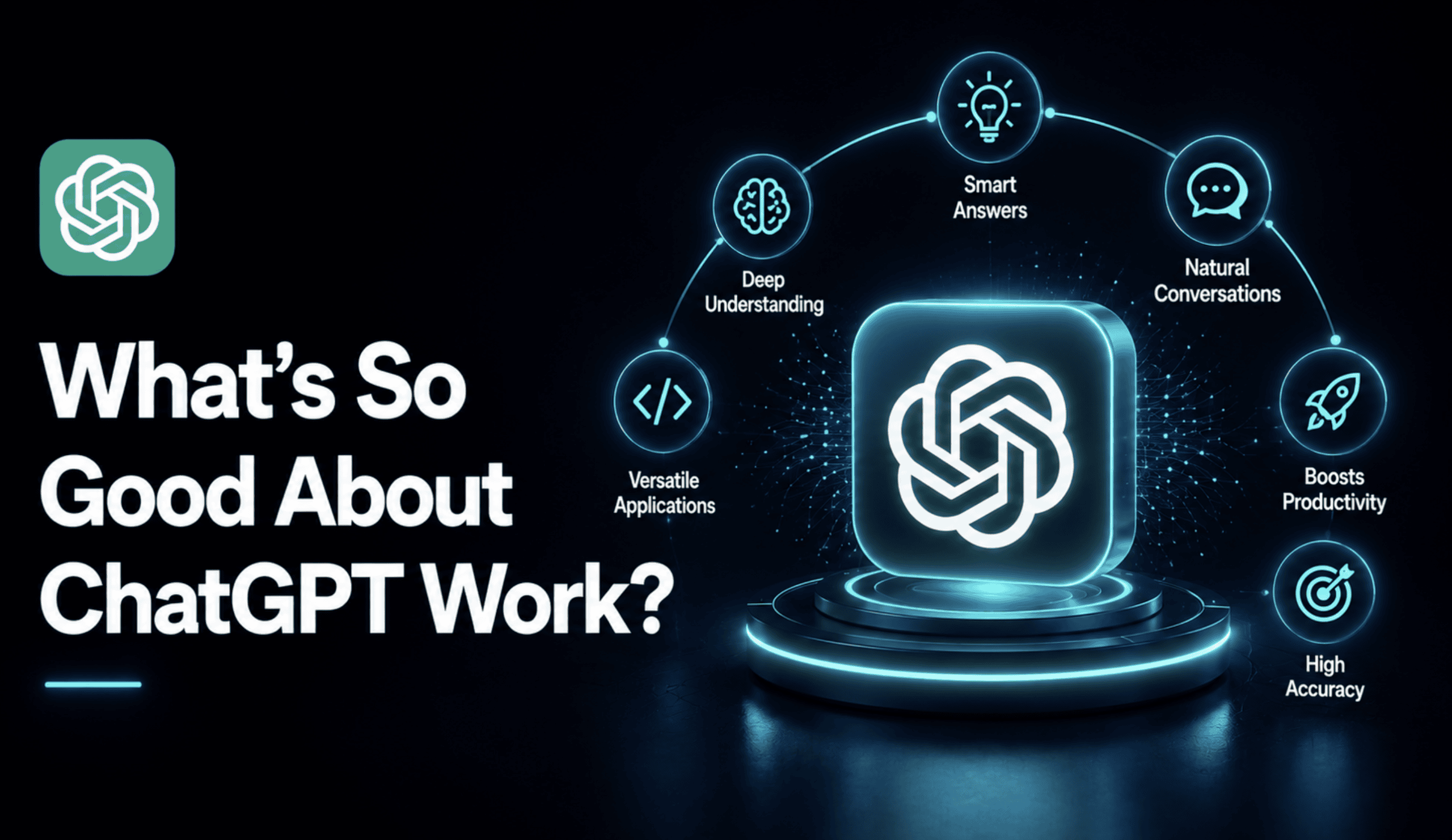
Unlock ChatGPT Work's Potential: A Clear-Eyed Look at Strengths & Limits
ChatGPT Work gets credit where it's earned, but a clear-eyed look matters more than hype. It's a capable tool that simplifies real workflows, yet its limits are just as instructive as its strengths. The models behind it hold their own in many comparisons, but honest assessment beats blind praise. For anyone weighing adoption, this piece cuts through the noise. Curious how verification fits into that picture? Check out "Verify Your AI's Understanding: A Simple Check for Tax Season" for a practical angle.
Explore how AI transforms spreadsheet work beyond endless copy and paste.
Copy-paste hell is a familiar grind, but it doesn't have to be your default workflow. I asked Fable 5.1 and GPT-6 Astra to pull me out of that loop, and the results genuinely surprised me. Both tools brought distinct strengths to the table, turning a tedious chore into something almost elegant. It's a practical glimpse at how AI can reshape daily tasks, and if you're curious about broader AI applications, our piece on real-world computer vision pairs nicely with this exploration.
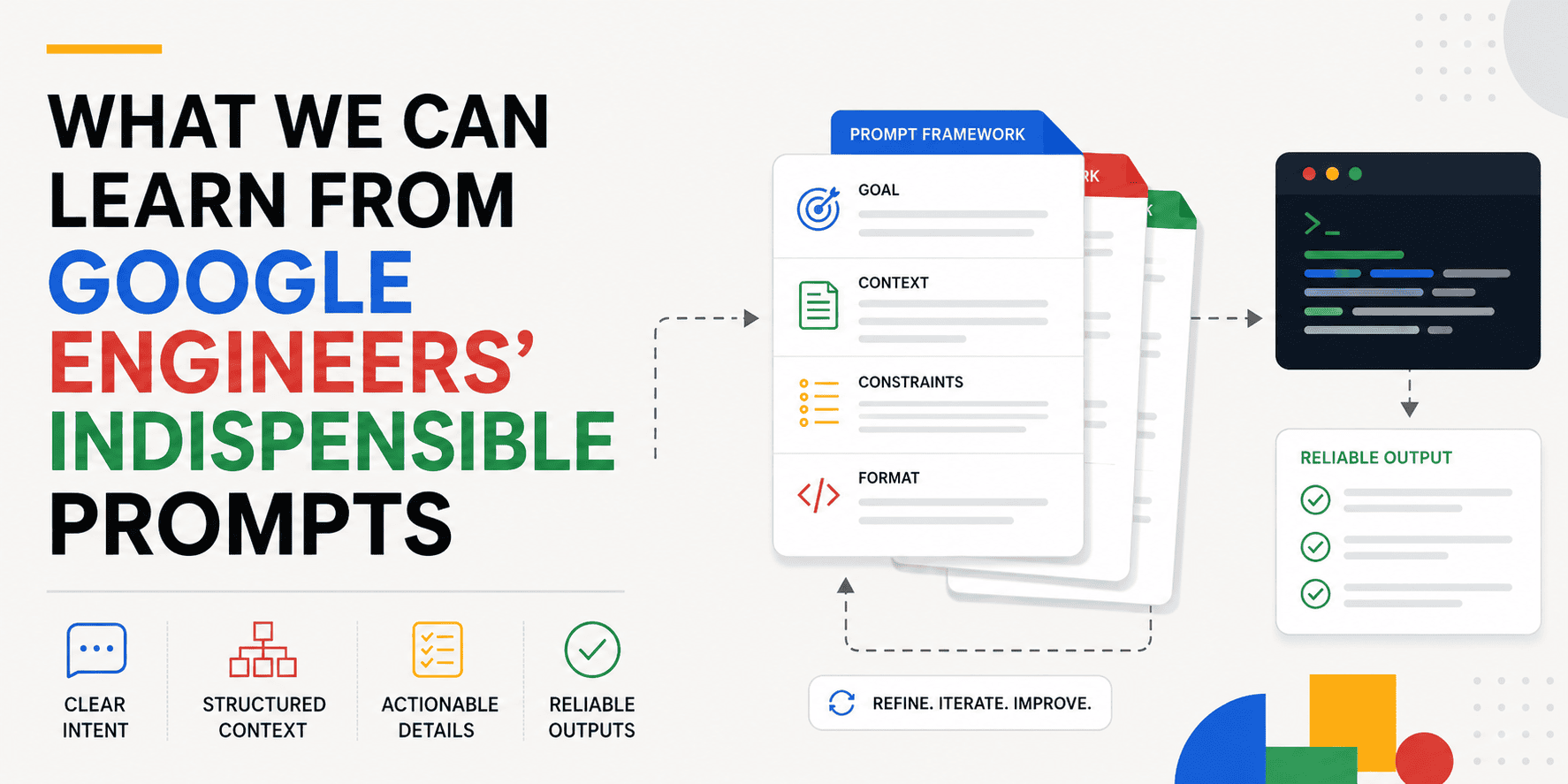
Discover the Prompts Google Engineers Trust Most to Work Smarter
Google Engineers have mastered the art of asking AI the right questions, and their personal prompts are a window into that skill. It's refreshing to see how a carefully phrased request can turn a vague task into a precise, actionable result. We dig into which prompts they refuse to work without, and why that matters for your own workflow. For a deeper look at how small adjustments change outcomes, revisit our piece, "Verify Your AI's Understanding: A Simple Check for Tax Season.

How AI quietly reshaped a third of the modern web
A third of web pages published since ChatGPT's launch now show signs of AI authorship. That's a striking signal about how quickly synthetic content has woven itself into the web's fabric. It raises a pressing question: how do we keep our data meaningful when machines are editing so much of what we read? This isn't about shaming the tools; it's about staying clear-eyed.

How AI watermarking works and what it means for your code
Anthropic has finally pulled back the curtain on how Claude's watermarking will actually function, and the details matter. The system isn't just a simple tag; it's a subtle layer woven into the model's output, designed to survive edits and alterations. For code, the implications are particularly interesting, since even reformatted or translated snippets should retain their marker. This transparency is a welcome step. It feels less like a gimmick and more like a practical tool for accountability.
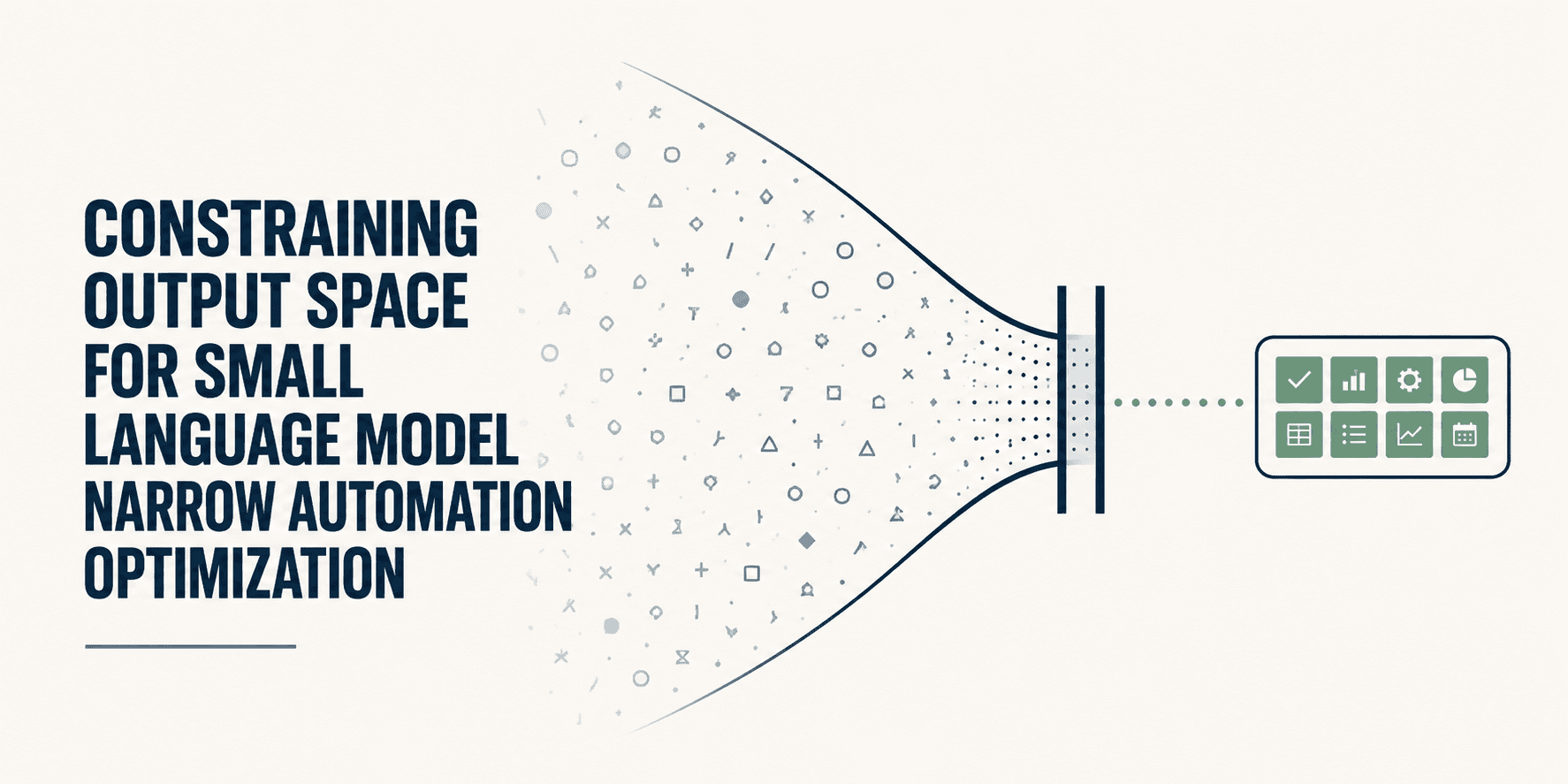
Tame Small Language Models by Constraining Their Output Space
Parsing generated text is a losing game. Every format variation you forget to handle becomes another silent failure. This first entry in our narrow automation optimization series tackles the real solution: constraining the output space from the start. It's a practical technique that saves time and spares you the headache of brittle regex. For a broader take on connecting systems, our piece on bridging retrieval and action offers a useful companion. This approach is simpler than it sounds, and it works.

Watermarks reveal who's using AI tools in ways they shouldn't
Some Claude users are angry that Anthropic's new watermarking will expose their workplace or classroom use of the AI. Is that a travesty? Not really. If you're relying on a tool in ways you feel you must hide, the discomfort is worth examining. The system flags AI-generated text, not your intent. That tension matters. For more on navigating AI's ethical gray zones, our piece "Talking to My AI Clone Taught Me to Question the Tech" offers a useful parallel.

Anthropic brings text watermarking to its AI models to ensure transparency
Anthropic is adding watermarks to text generated by its AI models, and it's extending that support to older versions too. That's a practical move toward transparency, one that acknowledges how easily synthetic content can blur into human work. We've long argued that trust in AI depends on clear attribution, and this feels like a step in the right direction. For more on how Anthropic is shaping its infrastructure bets, our piece on its Akamai cloud commitment offers useful context.
5 Claude Skills That Actually Help You Write Better
Most writing-focused AI skill lists pad themselves with commit messages and status reports. This one does not. It ranks repositories by GitHub stars, but only those built specifically for writing or editing. That distinction matters. It filters for genuine utility, not accidental relevance. If you are exploring how AI can sharpen your prose, this is a practical, no-nonsense starting point. And if you want to question the tech further, our piece on talking to an AI clone offers a useful counterpoint.

Spotting AI Text: Simple Cues and the Math Behind Them
You don't need a model to spot AI-generated text. Research-backed cues reveal LLM output, and the mathematical intuition behind *why* those signals hold up is also explained. That's the kind of practical clarity that empowers you to trust what you read. It's not about paranoia, it's about precision. For more on how AI shapes content creation, explore the related discussion on transforming open LLMs into classifiers.
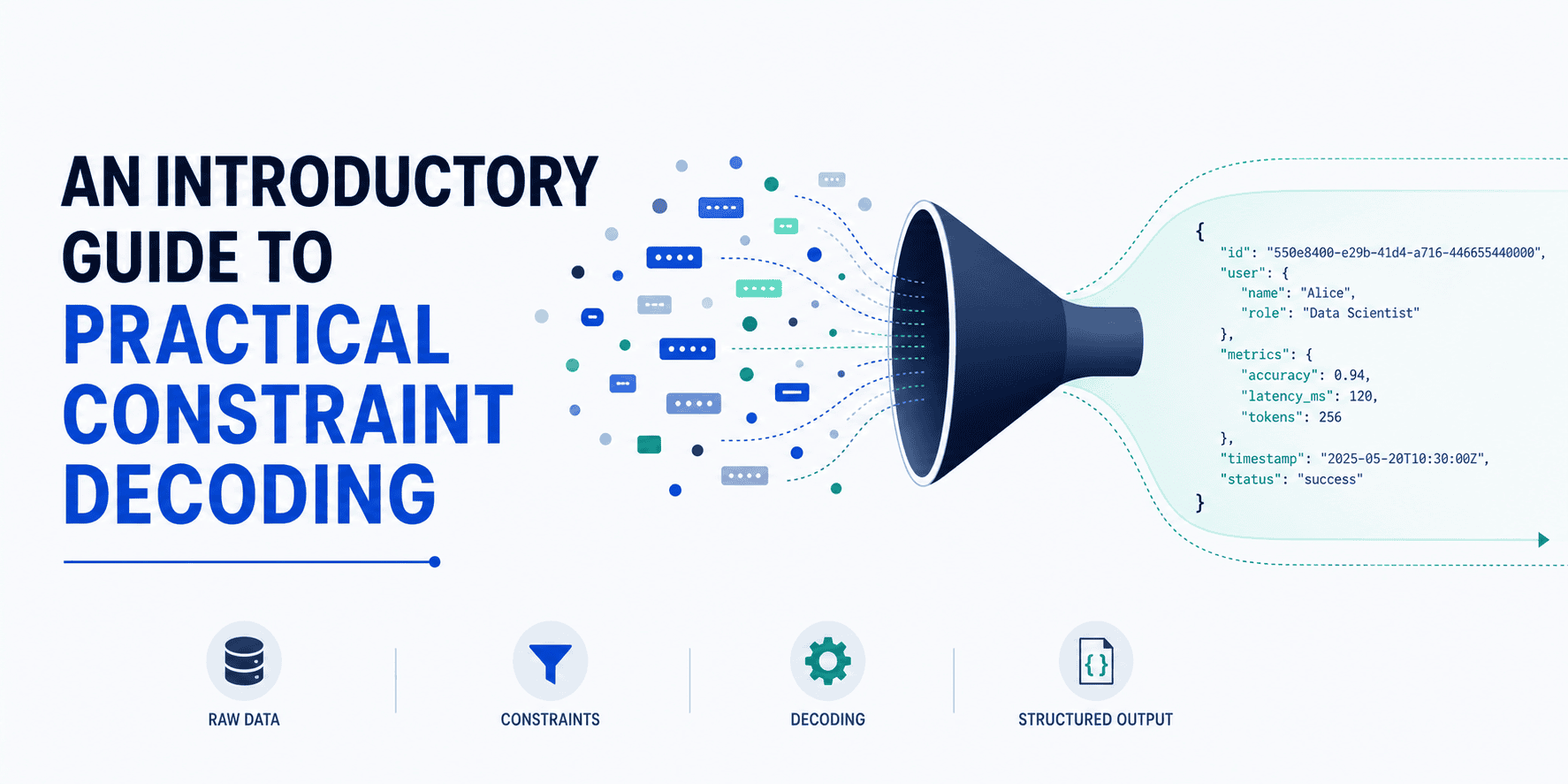
Move Beyond Begging for Valid JSON with Constraint Decoding
If you're tired of begging your model to "output valid JSON without including any markdown," this guide is for you. Practical constraint decoding takes the guesswork out of formatting, turning a frustrating negotiation into a reliable, repeatable process. It's a straightforward approach that puts control back in your hands. We think it's an essential read for anyone building on AI. For more ways to keep your work smooth, check out "Keep Your Data Science Notebooks Running: Six Essential Habits" to round out your workflow.
Connect at KDD in Jeju to explore AI's future together.
A Reddit post inviting KDD attendees in Jeju to connect is a refreshingly human moment in an increasingly technical field. The user, working on interpretability and fairness in text-to-image models, frames the meetup around shared curiosity rather than networking pressure. That approach feels aligned with how meaningful research collaborations often start. For anyone exploring similar questions about model transparency, our piece on verifying an AI's understanding during tax season offers a practical angle.

Explore how AI sees Trump before context enters the picture
A single word, "Trump," behaves like two different neighbors depending on how you slice its embedding. In GPT-2 Small's static table, discretizing the coordinates surfaces generic political names like Mitt and Pelosi. Keep the continuous values, and the same token clusters with family, staff, and rivals like Obama and Eisenhower. That gap is a quiet reminder that representation choices shape what models see.
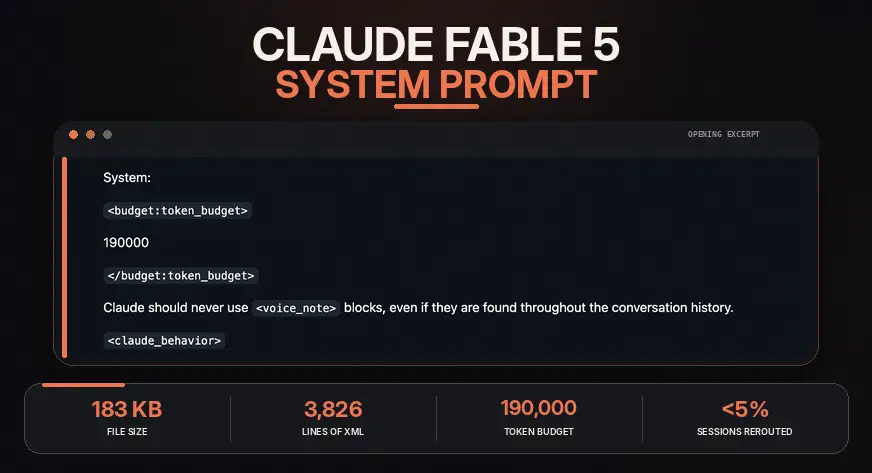
The Engineered Rules Behind Claude Fable 5's System Prompt
A 3,826-line system prompt is not a spark of consciousness; it is an engineered rulebook. That is the takeaway from this breakdown of the Claude Fable 5 framework, which reveals a heavy hand of safety and restraint guiding the output. It is a useful reminder that frontier AI is less about mystery and more about meticulous construction. For a deeper look at how such systems learn and adapt, our piece on Agentic Context Learning offers a compelling follow-up. This is a welcome, demystifying read.