towards data science
219 stories filed under towards data science on Beyond Market Intelligence. The newest of them: “From Notebook to API: Making Your Churn Model Actually Usable”, “Reduce Uncertainty Before Agents Speed Up Your Data Workflows”, and “Explore How Graph Neural Networks Unlock Smarter Data Connections”. Training a churn classifier that performs flawlessly is one thing. Agentic AI moves fast. Acme AI is the next-generation, AI-powered spreadsheet platform built to replace Excel and redefine how analysts, data scientists, and enterprise teams work… The list below is every towards data science story on Beyond Market Intelligence, newest first.

From Notebook to API: Making Your Churn Model Actually Usable
Training a churn classifier that performs flawlessly is one thing. Making it useful to the rest of your software is where the real work begins. This story follows that exact pivot: moving from a perfect model to a practical FastAPI service that other systems can actually call. It's a grounded, honest look at the gap between building and deploying. If you're wrestling with similar transitions, you might also appreciate our piece on navigating AI/ML job requirements.

Reduce Uncertainty Before Agents Speed Up Your Data Workflows
Agentic AI moves fast. Too fast to skip the hard part. Before you let it run, you need to be sure you're solving the right problem. This practical framework helps you slow down, reduce uncertainty, and get clarity before the acceleration begins. It's a smart, grounded read. For more on how agents handle tasks, check out *Bridging Retrieval and Action* to see the mechanics in action.
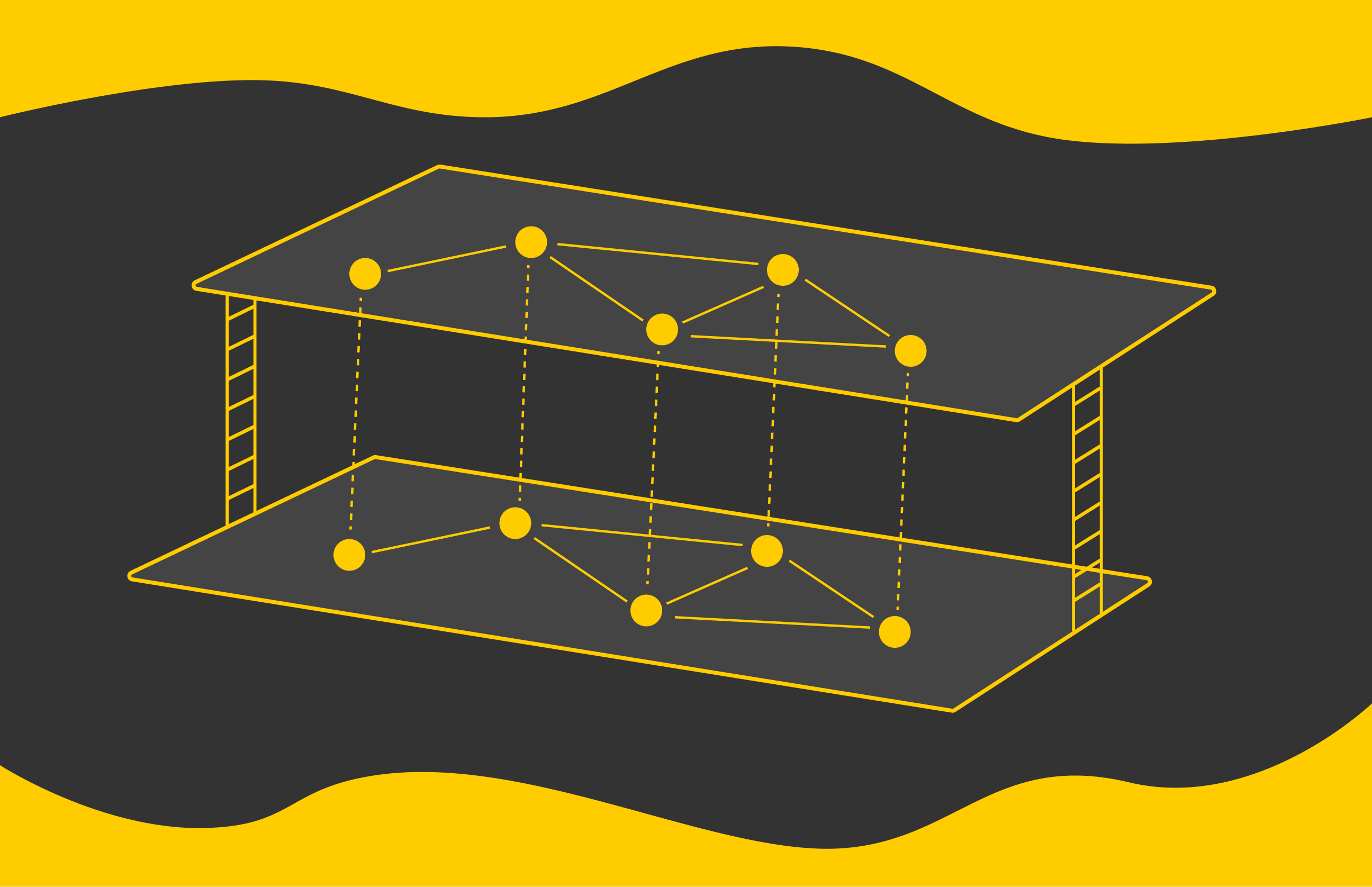
Explore How Graph Neural Networks Unlock Smarter Data Connections
Graph neural networks can feel like a black box, but they don't have to. This visual guide breaks down GCN, MPNN, and GAT by showing exactly how they pass messages and weigh connections. It's a clear, practical look at the mechanics, and it's perfect for anyone ready to move beyond spreadsheet mental models. For a broader perspective on how AI structures complex information, you might also explore our related guide on paragraph structure in LLMs.

When a RAG System Says No, It Should Show Four Proof Points
A confident wrong answer is a bug, but a bare "no answer" with no justification is barely better. This piece breaks down why a RAG system that says "not in this document" must show four distinct kinds of evidence to earn trust. It's a practical push for accountability in AI output. For readers wrestling with how LLMs structure their reasoning, "Exploring Paragraph Structure" offers a useful companion on the mechanics behind the curtain.

When Fuzzy Matching Fails, a Safer Architecture Emerges for Data Lakes
The matcher was supposed to finish what normalization started, but testing against real data proved otherwise: no version of it could be made safe. So the author set it aside, and what remains is a cleaner architecture built on that honest failure. It is a pragmatic take on entity key drift, favoring stability over cleverness. For readers wrestling with similar data lake challenges, this approach feels refreshingly grounded.

Discover how PySpark window functions transform data analysis beyond groupBy
Grouping data in PySpark gets you partway there, but it leaves you staring at a wall when you need rankings, running totals, or lagged values. That's where window functions step in, and this practical guide shows you exactly why the trusty `groupBy` falls short. It's a clear, hands-on read for anyone ready to move past basic aggregations. If you're also curious how structured thinking applies elsewhere, our piece on paragraph structure in LLMs pairs nicely with this mindset.

Explore uncertainty to make smarter decisions with Bayesian neural networks
Point predictions give you an answer, but they don't tell you how much that answer is worth. That's the gap this guide steps into. It walks through Bayesian neural networks in a practical, grounded way, showing how uncertainty quantification turns a single guess into a range of possibilities you can actually act on. It's a thoughtful read for anyone tired of blind confidence in their models.

Explore the AI skills that will empower data scientists through 2027
If you're a data scientist, the tools you use are changing faster than the workflows you've mastered. That's why we're focusing on five AI skills that will keep you relevant in 2027. Each one targets a specific challenge, from simplifying complex tasks to boosting productivity. We've included runnable code you can paste straight into your notebook, so you're not just learning, you're doing. For a deeper look at how distributed systems fit into this, check out our guide on unlocking LLM training.
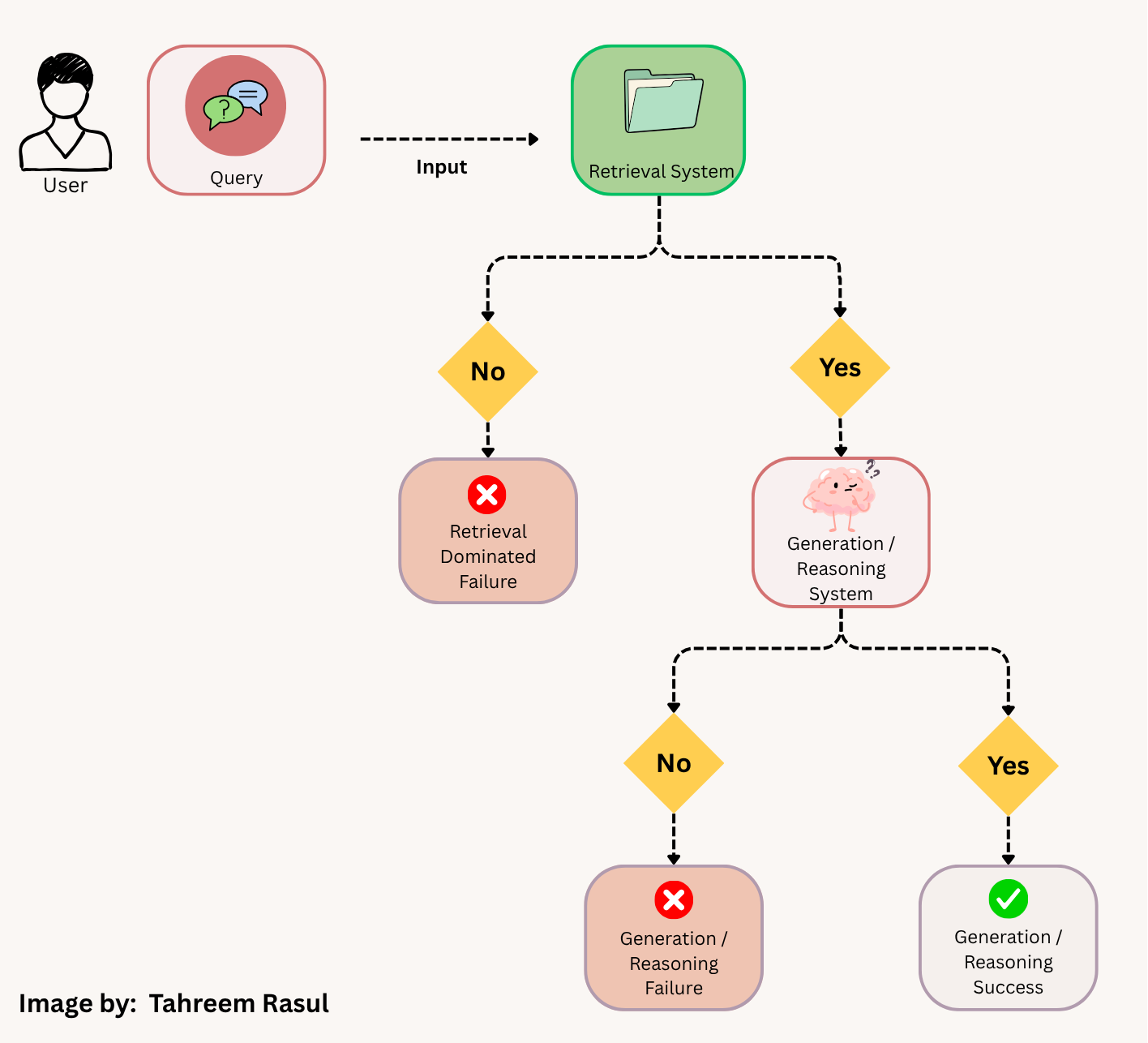
Building Smarter RAG Pipelines That Earn Their Complexity
Most teams add complexity to RAG pipelines before they've earned it. This framework flips that instinct, introducing advanced techniques only when observed failures demand them. Starting with lexical and hybrid search, then moving to reranking and agentic information seeking, the approach keeps systems lean and understandable. It's a disciplined counter to the temptation of overbuilding. For readers tracking how retrieval evolves into action, the related piece on bridging retrieval and action offers a useful follow-up.

Design Your Data: Why a Simple FAQ Can Outperform RAG
Most RAG setups fight messy documents. This piece flips that struggle into a design choice. A well-structured FAQ inverts the pipeline: parsing becomes trivial, retrieval acts as a cache, and few-shot prompting turns into a retrieval problem. It's a clever reframing that rewards intentionality. If you're tired of wrestling with chaotic corpora, this perspective offers a practical path forward. For a deeper look at how LLMs handle structure, our piece on paragraph navigation in token space pairs well with this.

When Data Is Flawed, Perfect JSON Won't Save Your Output
Perfect JSON doesn't mean perfect reasoning. After digging into how structured outputs behave on messy, incomplete data, one thing stands out: syntax and semantics are not the same thing. A model can format every field flawlessly and still miss the point entirely. That gap matters. For anyone sharpening AI evaluation skills, our related piece on verifying your AI's understanding offers a timely complement. The takeaway? Structure is a tool, not a verdict.
New context engineering guidelines to transform your data science workflow
Context engineering is no longer a behind-the-scenes concern for AI researchers; it is becoming a core skill for data scientists who want their models to act, not just generate. The latest guidelines push us past static prompts toward dynamic, structured reasoning. That shift is practical, not theoretical. We think it deserves your attention, especially if you are building workflows that need to scale.

Choose Your Coding Agent: A Practical Guide to Claude and Codex
Choosing the right coding agent can feel like navigating a maze, especially when both Claude Code and Codex promise to streamline your workflow. This guide cuts through the noise, offering a clear breakdown of where each tool shines. It's a practical read for anyone tired of guessing which assistant fits which task. I appreciate how it prioritizes real-world application over hype.
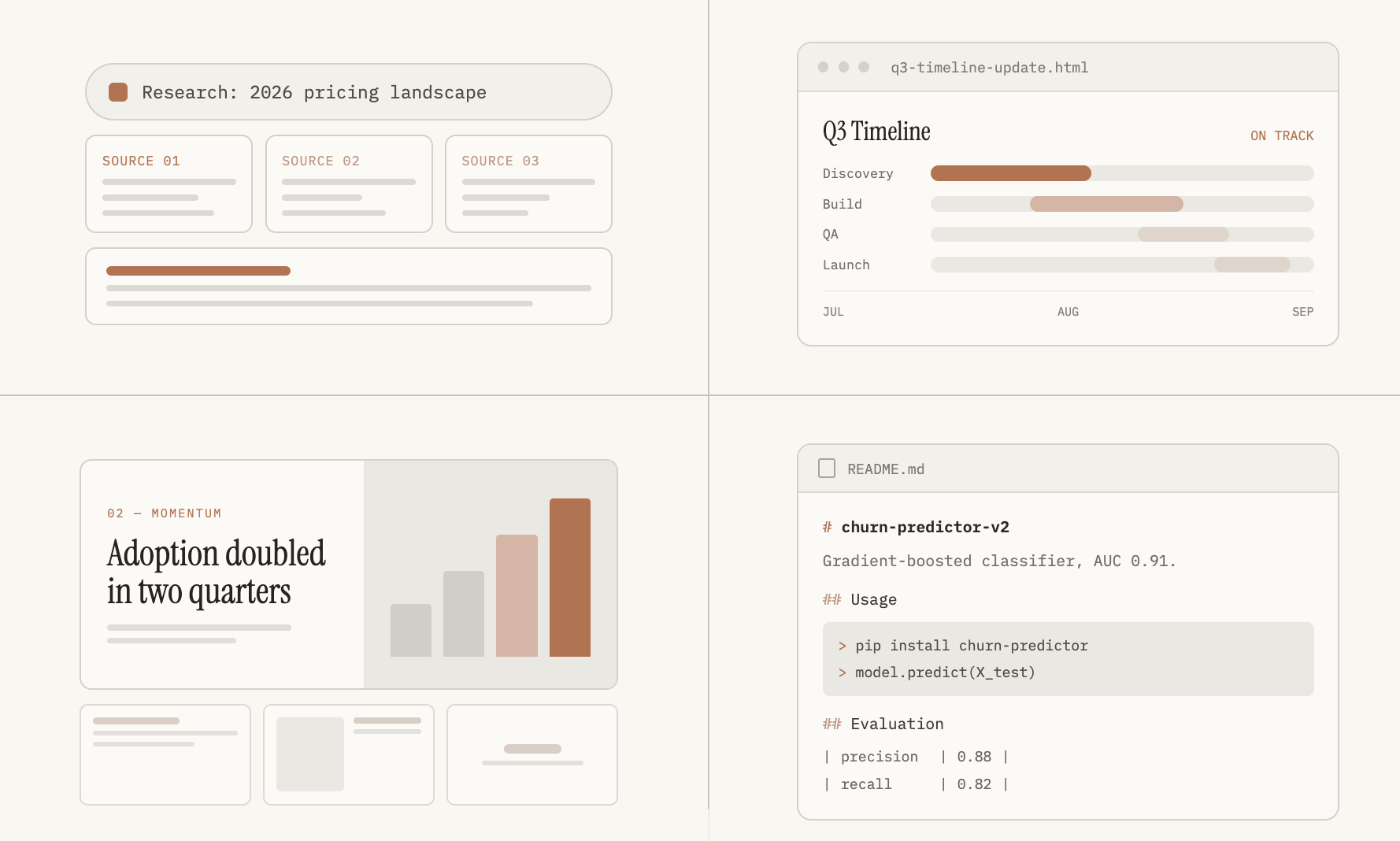
Four data skills to future-proof your workflow in 2026
Spreadsheets have taught us to wrestle with data. Claude skills, on the other hand, are built to help you stop wrestling and start working. This guide breaks down four practical additions to your workflow that keep you ahead of the curve without the hype. It is a grounded, useful read for anyone who wants to stay relevant. If you are also brushing up on the infrastructure side, our guide to distributed algorithms is a solid companion piece.

Build smarter agents by connecting LangGraph to Postgres locally or in the cloud.
Connecting a LangGraph AI agent to Postgres doesn't have to be a headache. This walkthrough shows you exactly how to run the backend locally with Docker or scale it to the cloud, keeping the focus on practical steps rather than abstract theory. It's a straightforward approach for anyone tired of wrestling with database integrations. We appreciate the clarity here, especially since so much AI tooling feels needlessly complex. For deeper context on how LLMs handle structure, our piece on paragraph navigation is worth a look.

Understanding AI Code Estimates for Better Communication
If you've leaned on Claude for coding, you've likely noticed its time estimates can miss the mark. That's not a flaw to fix; it's a signal about how LLMs process complexity. We think that gap actually makes you a sharper communicator, pushing you to clarify scope and break work into smaller steps. It's a practical lesson in collaboration. For more on building that technical foundation, our guide to distributed training algorithms pairs well with this mindset.

Explore How Bounded AI Agents Navigate Knowledge Graphs for Smarter Insights
Most of us hand our AI agents a search box and call it a day. The approach argues for something sharper: typed tools, hard bounds, and a gate the model cannot talk past. The payoff is letting the agent wander a knowledge graph on its own, within strict limits. Four models and one wrong prediction later, the question is whether that discipline is worth it. We think it is, and the reasoning here is worth your attention.

Discover how to guide AI agents toward code you can trust
Writing code with AI agents is about more than generating lines faster. It's about steering the output toward quality. This practical guide cuts through the noise, showing you how to work with these tools to get better code, not just more of it. We appreciate the focus on real workflows over hype. For a deeper look at the underlying mechanics, you might also explore our piece, "Unlock LLM Training: A Practical Guide to Distributed Algorithms."

Why Your Best Fraud Model Might Not Belong in Production
Six models trained for fraud detection, yet the one with the best metrics never made it to production. That's the honest hurdle this final-year project exposes: evaluation scores don't always translate into real-world deployment. It's a grounded lesson in how operational constraints, not just accuracy, shape what actually ships. For anyone moving from academic benchmarks to practical systems, this is a useful reality check.

AI handles the execution but human judgment still leads analytics.
Agentic AI is rewriting the analytics stack, shifting execution to intelligent agents that handle the heavy lifting. But as this technology takes over the mechanical work, one skill remains untouchable: the human judgment to ask the right questions. The distinction matters because agents can process data, yet they can't decide what truly matters. This division of labor isn't about replacing people; it's about freeing them to focus on insight and strategy.
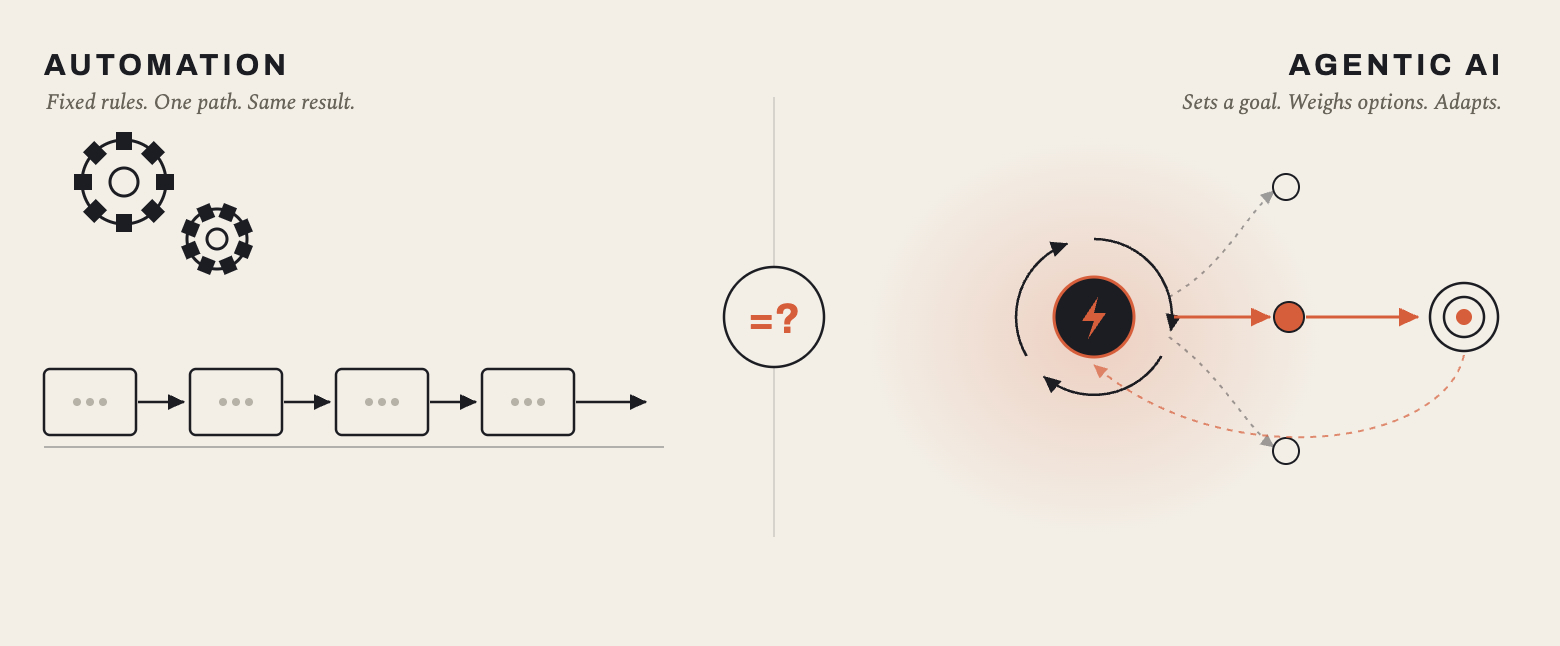
Beyond the Flowchart: What True Agentic AI Actually Requires
Most agents marketed as intelligent are just flowcharts wearing a neural network costume. The distinction matters, because true agency implies adapting to new contexts, not just executing a fixed sequence. This piece cuts through the hype to show why most current systems fail the test. If you are questioning whether the tech is genuinely learning or just following orders, you will want to read this.

The Equation That Reveals Bagging's Limits and Why Randomness Matters
Bagging has a ceiling, and no amount of trees will break it. The equation explains why random forests need that extra layer of chaos to keep improving. It's a sharp reminder that more isn't always better when the mechanism stalls. The experiment makes the point concrete, turning theory into something you can see. If distributed systems intrigue you, *Unlock LLM Training* pairs well with this mindset, though it stands firmly on its own.

Unlock Smarter Workflows by Managing Hundreds of Coding Tasks
Claude Code is built to handle the heavy lifting, but the real skill lies in knowing how to direct it across a hundred or more distinct tasks. This guide cuts through the noise, offering a practical approach to structuring your prompts and workflows so you're not just issuing commands, but truly collaborating with your coding agent. It's about turning a useful tool into a dependable partner.

What data scientists miss about rerankers and why it reshapes your RAG architecture
Ask a data scientist what a RAG reranker actually does under the hood, and you'll get a pause before an honest answer: it's not magic, it's a focused relevance filter. That honesty matters more than any architecture diagram, because it forces hard decisions about where your enterprise RAG pipeline spends its compute. We think that clarity is the real unlock. For teams already wrestling with distributed systems, this piece pairs well with our practical guide to distributed algorithms.