10 Everyday Tasks You Can Automate with AI Today (With n8n Templates)
Our take
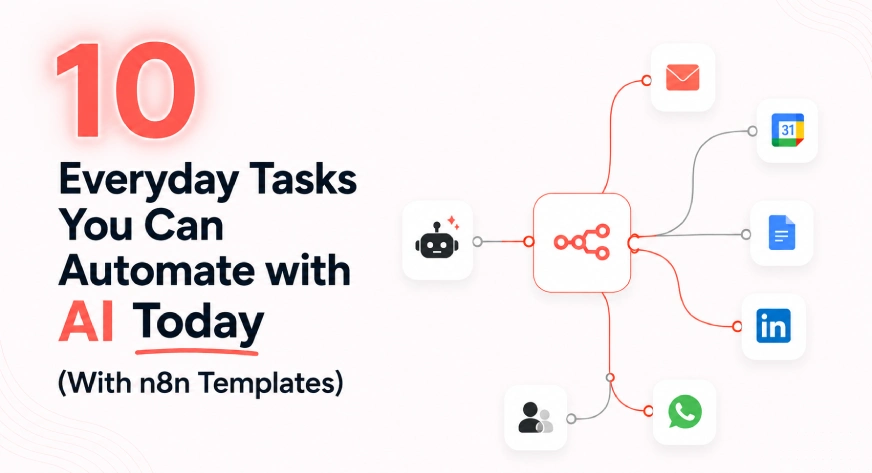
In the realm of data management, the conversation around automation is gaining momentum, particularly as organizations strive to streamline workflows and enhance productivity. The article titled "10 Everyday Tasks You Can Automate with AI Today (With n8n Templates)" sheds light on a pressing question that often emerges from discussions about AI automation: where do we begin? As the digital landscape continues to evolve, low-code platforms such as n8n are emerging as essential tools, enabling users to create real-world automation workflows with minimal coding expertise. This democratization of technology is transforming how individuals and teams approach their daily tasks.
Automation, when paired with AI, can significantly reduce the time and effort spent on repetitive tasks. The tasks outlined in the article, ranging from data entry to email management, illustrate just how accessible automation can be. By leveraging n8n's templates, users can quickly implement solutions that not only save time but also enhance accuracy and consistency across processes. This accessibility is crucial, especially for those who may feel overwhelmed by the complexities of traditional coding. As highlighted in the article, the goal is not just to talk about automation but to empower users to take action and explore these transformative solutions. For those facing challenges in data processing, resources like Top 7 Python Libraries for Large-Scale Data Processing can provide additional insight into enhancing efficiency.
The significance of adopting low-code automation tools extends beyond individual convenience; it reflects a broader shift in the workplace towards more integrated and responsive data management practices. As organizations move away from relying solely on legacy systems, there is a clear need for innovative solutions that can adapt to rapidly changing demands. This transition is not just about replacing old tools; it is about redefining how teams collaborate, share information, and ultimately, make decisions. The approach detailed in the n8n article resonates well with the ongoing conversation around data governance, as discussed in pieces like The Domain Shift: Moving Data Governance from Product Triage to Infrastructure Investment. Effective data governance hinges on the ability to respond swiftly to new insights and challenges, an objective that low-code platforms can facilitate.
Moreover, the human-centered aspect of these automation tools cannot be overstated. By focusing on user outcomes, n8n and similar platforms help alleviate the cognitive load often associated with data management tasks. This shift towards a more intuitive user experience fosters an environment where individuals can engage more fully with their data, driving innovation and creativity rather than bogging them down with routine tasks. As noted in the article, the aim is to empower users to explore and discover new possibilities, which is essential in today’s fast-paced business environment.
Looking ahead, it will be fascinating to observe how the integration of AI in low-code platforms continues to evolve. As more users begin to embrace these tools, we may witness a significant cultural shift in how organizations leverage data. Will we see a surge in hybrid roles that blend technical skills with business acumen? How will this impact the future of data literacy across industries? As we navigate these questions, it’s clear that the journey towards automation is just beginning, and the potential for transformation is immense.
Most AI automation content sounds useful, but then leaves you with one big question: where to start? Instead of only talking about automation, you probably want to create real-world automation workflows with minimal coding. That’s where the power of low-code platforms like n8n comes into play. Here are 10 everyday tasks you can AI automate […]
The post 10 Everyday Tasks You Can Automate with AI Today (With n8n Templates) appeared first on Analytics Vidhya.
Read on the original site
Open the publisher's page for the full experience