Airbnb Cuts Authentication Code by 60% with Server Driven Architecture
Our take
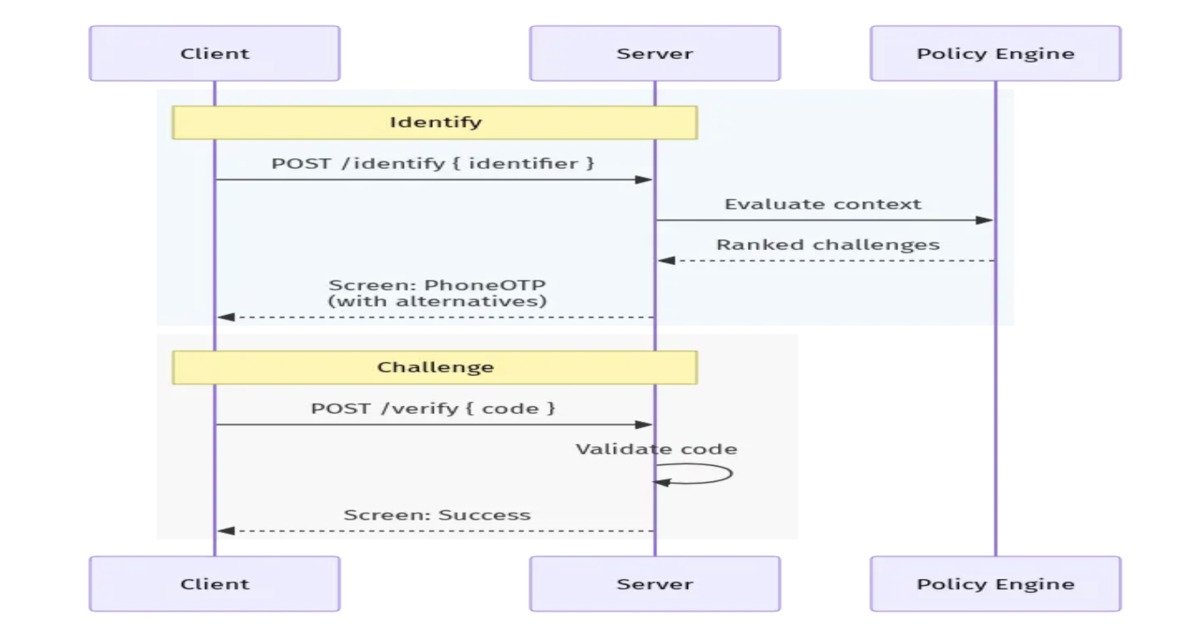
Airbnb’s recent overhaul of its authentication architecture, resulting in a remarkable 60% reduction in related code, is a compelling case study in the power of server-driven design and policy-based challenge selection. The tangible benefits – a 2.6% improvement in successful authentication, 27% reduction in duplicate account creation, and an 11% drop in OTP costs – speak volumes about the potential for optimizing seemingly immutable aspects of user experience. This isn’t just about shaving off kilobytes; it’s about fundamentally rethinking how authentication flows are managed and delivered. The shift resonates with recent developments in the broader tech landscape, particularly those focused on streamlining complex systems. For instance, Shopify’s introduction of Gisting Shopify Introduces Gisting: Compressing LLM System Prompts into Learned Tokens, which similarly focuses on compressing and optimizing complex processes, highlights a growing trend towards efficient resource utilization. Similarly, the focus on seamless connectivity demonstrated by projects like Tether Tether: Apple Continuity Like Experience Between iOS and Linux Desktop Machines underscores a desire for fluid, integrated user experiences, a principle directly applicable to authentication.
The brilliance of Airbnb’s approach lies in its move away from embedding authentication logic within the client-side application. This decoupling allows for more dynamic and adaptive challenge selection based on various factors – device, location, risk score, and more – all orchestrated by the server. Traditional authentication systems often suffer from rigidity, requiring frequent client-side updates to accommodate evolving security protocols or new challenge types. By centralizing the logic, Airbnb gains significantly greater agility, enabling quicker responses to emerging threats and a more personalized user experience. This also drastically reduces the size of the web client bundle, a crucial detail in today's mobile-first world where every byte counts. The reduction of 100 KB is not insignificant; it can contribute to faster load times and a more responsive application, directly impacting user satisfaction and conversion rates. The focus on policy-based challenge selection, rather than hardcoded rules, suggests a system designed for scalability and adaptability – critical attributes for a platform as large and globally distributed as Airbnb.
The broader significance of this development extends beyond authentication itself. It represents a paradigm shift towards a more intelligent and server-centric approach to user experience management. Instead of pushing complex logic to the client, developers are increasingly empowered to leverage the server as a dynamic orchestrator, capable of adapting to real-time conditions and delivering personalized experiences. This trend aligns with the growing adoption of serverless architectures and microservices, which promote modularity and independent scalability. The implications for security are also noteworthy. Centralized authentication policies facilitate consistent enforcement of security measures across all platforms and devices, reducing the risk of vulnerabilities arising from client-side inconsistencies. Moreover, the reduced code base inherently minimizes the attack surface, making the system more resilient to potential exploits. The focus on reducing OTP costs, a common friction point for users, demonstrates a user-centric design philosophy that prioritizes both security and convenience.
Looking ahead, it will be interesting to see how other companies adopt and adapt Airbnb’s Flexible Authentication system. The core principles – server-driven flows, policy-based challenge selection, and dynamic adaptation – are likely to become increasingly prevalent as organizations strive to build more secure, scalable, and user-friendly authentication experiences. The real question is whether this model represents a fundamental shift in how we approach authentication, or simply a refinement of existing techniques. Will we see a future where client-side authentication code becomes a relic of the past, replaced by a dynamic, server-orchestrated system that seamlessly adapts to the evolving landscape of security threats and user expectations?
Airbnb redesigned its authentication architecture around server driven flows and policy based challenge selection. The new Flexible Authentication system reduced authentication related code by 60%, cut the web client bundle by 100 KB, improved successful authentication by 2.6%, reduced duplicate account creation by 27%, and lowered OTP costs by 11%.
By Leela KumiliRead on the original site
Open the publisher's page for the full experience