coding
coding at Beyond Market Intelligence is a file of 60 stories. The newest of them: “Stats prep is the blind spot experienced data scientists ignore”, “Which AI Assistant Handles Data Science Tasks Best for Statisticians”, and “When Code Outpaces Reading, It's Time to Hire AI”. Forgetting the formula for a confidence interval mid-interview isn't a knowledge gap, it's a recall problem. Statisticians evaluating ChatGPT, Claude, and Gemini for data science work need a clear, practical comparison, not marketing hype. Acme AI is the next-generation, AI-powered spreadsheet platform built to replace Excel and redefine how analysts, data scientists, and enterprise teams work… The list below is every coding story on Beyond Market Intelligence, newest first.
Stats prep is the blind spot experienced data scientists ignore
Forgetting the formula for a confidence interval mid-interview isn't a knowledge gap, it's a recall problem. Experienced data scientists overindex on leetcode and ML, assuming stats fluency will carry itself. It won't. The fix isn't more breadth; it's structured, deliberate coverage of the fundamentals you haven't touched since grad school. LLMs help, but they loop. Pair them with targeted drilling and you'll turn those blank moments into crisp answers. If you're rebuilding your prep approach, exploring causal model selection can sharpen the same muscle.
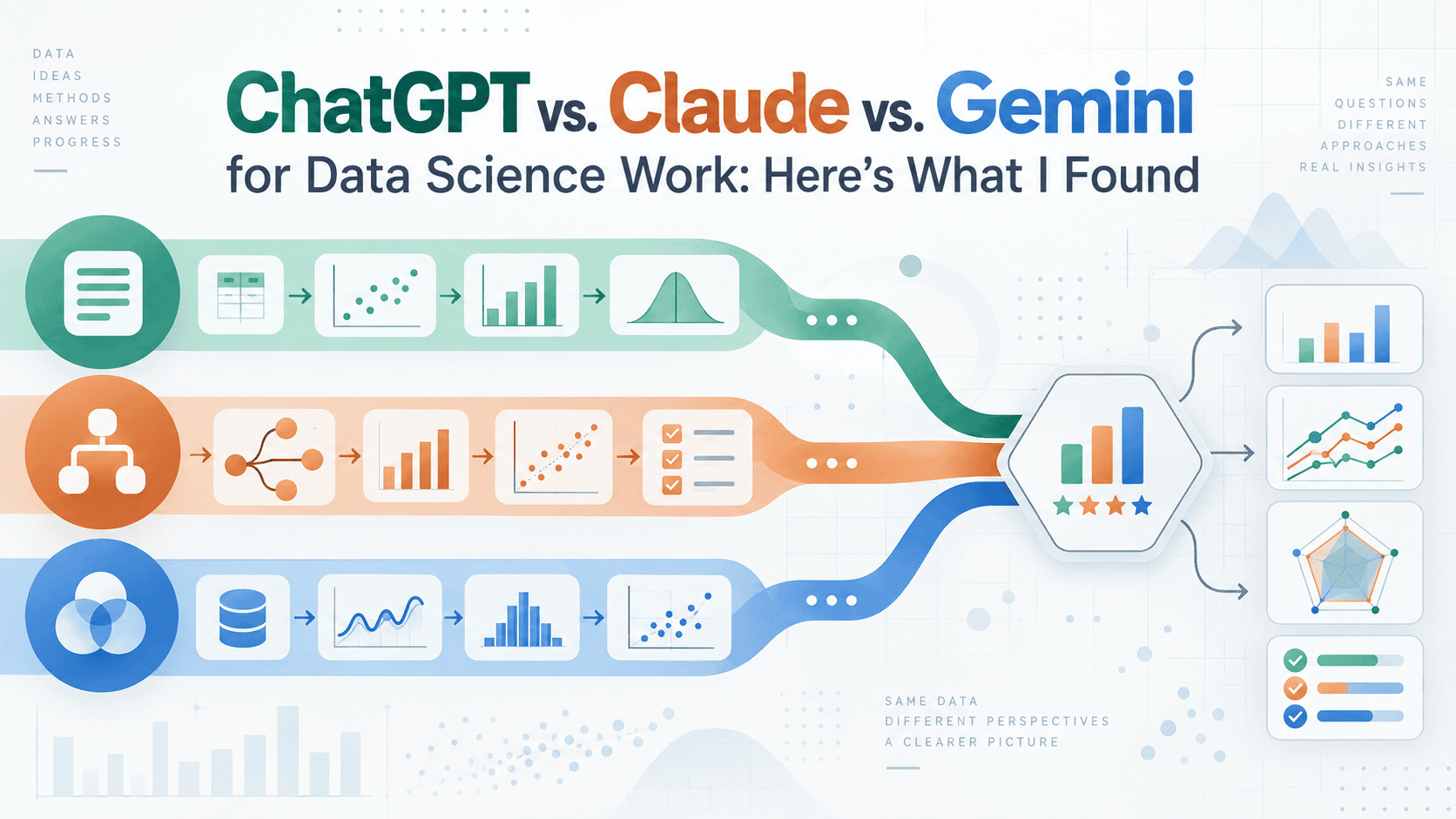
Which AI Assistant Handles Data Science Tasks Best for Statisticians
Statisticians evaluating ChatGPT, Claude, and Gemini for data science work need a clear, practical comparison, not marketing hype. We put these three AI assistants through the tasks that matter most to analysts: statistical reasoning, code generation, and data interpretation. The results reveal meaningful differences in accuracy and approach. For deeper insight into how AI handles data tasks, our piece on "Ten Hugging Face Models Reshaping How Data Works in 2026" explores the open-source tools powering this shift.
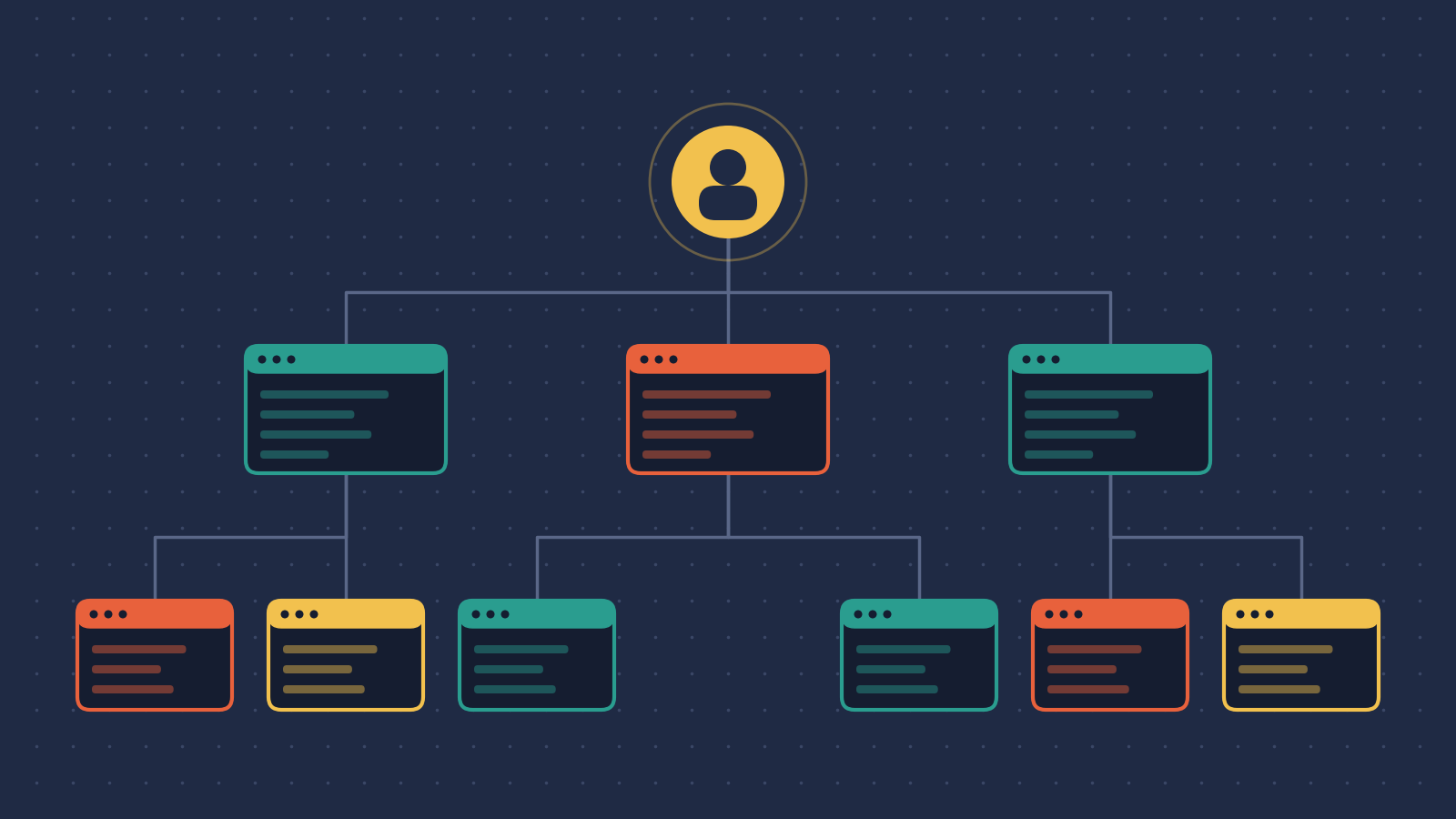
When Code Outpaces Reading, It's Time to Hire AI
AI agents now write more code than any of us can read. That single realization reframes the entire conversation around artificial intelligence. We have moved past the era of asking AI for help and into an era where we hire it as a collaborator. The shift is practical, not philosophical. If you are still treating AI as a tool for drafting emails, you are missing the point.

Redefining Dev Teams for an Agentic Era with Safety and Humanity
Engineering leaders facing agentic coding's surge need more than faster pipelines. Hannah Foxwell anchors them in three practical priorities: build software worth building, automate safety before speed, and preserve the human element through generalist skillsets and sustainable on-call. It's a grounded framework that keeps teams human-centered amid AI-driven velocity. For a related look at AI in action, see our coverage of Flai's $27M round fueling an AI platform booking 50,000 appointments monthly.
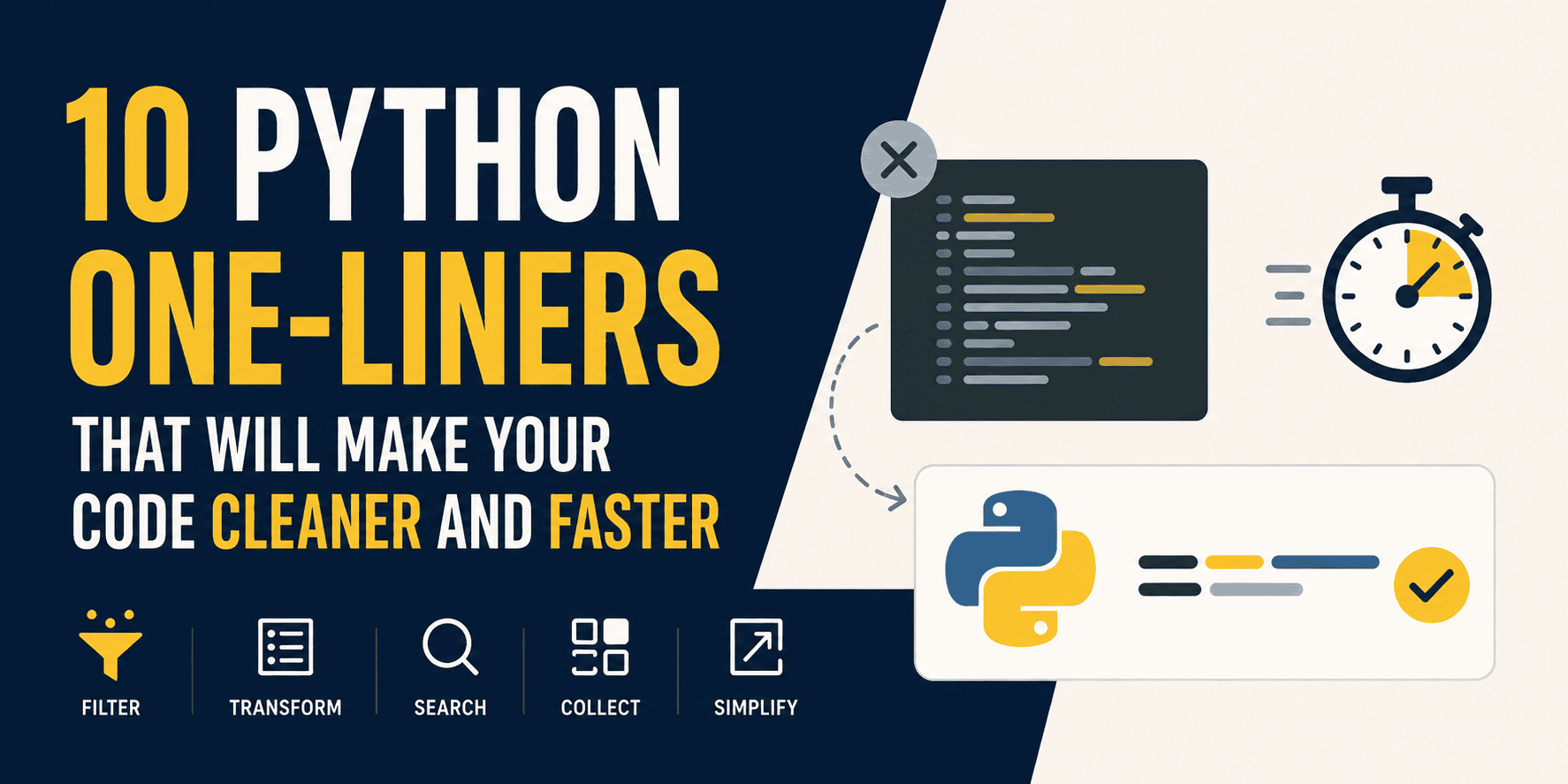
One line of code, seconds of time saved. That's the power of AI
One line of code, seconds of time saved. That's the promise of AI, and it's refreshingly direct. You type once, get the result, and move on, no follow-up lines, no corrections, no wasted motion. This isn't about flashy automation; it's about giving you back small pockets of time that add up. For a deeper look at how AI speeds up decisions, see our coverage of Jev, which delivers typed probabilities instead of text.

Google's Gemini 4 Argon delivers a focused workhorse for coders and security teams
Google's latest Gemini model, Gemini 4 Argon, is positioned as a focused workhorse for coders and security teams. That's a smart bet. Specialized tools often outperform generalists in high-stakes work, and this model leans into that truth. It promises practical muscle where precision matters most. For those exploring how AI can reshape technical workflows, this feels like a grounded step forward. For deeper context on how AI is redefining productivity benchmarks, see our coverage of Opus 5.5.
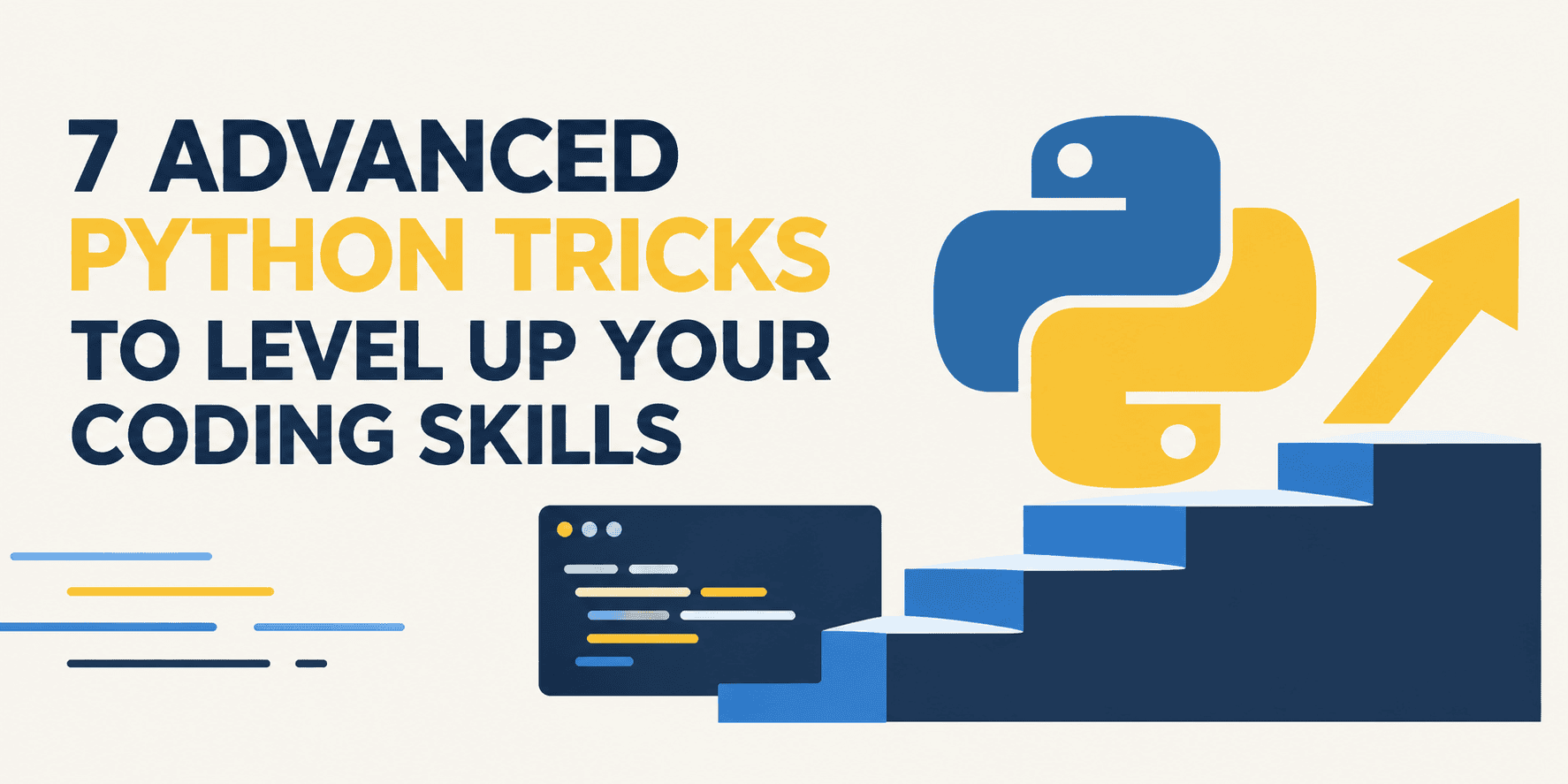
Unlock Python's Potential: Advanced Techniques for Smarter Coding
Python's depth isn't hidden in obscure syntax. It's in mastering what the language already offers, turning familiar code into sharper, more efficient tools. This guide walks through advanced techniques that feel less like learning and more like recognition, a nudge toward the smarter habits you've been circling. For those exploring how AI reshapes workflows, our visual guide to MCP pairs well here, showing how similar principles extend beyond code. The payoff isn't complexity; it's clarity. And that's a skill worth unlocking.

Unlock the Full Potential of Your Coding Agent Subscriptions
Most coding agents promise efficiency, yet many teams barely scratch their surface. This guide cuts through the noise, showing you how to turn a simple subscription into a serious productivity lever. I appreciate the focus on practical, repeatable tactics rather than abstract theory. If you are ready to move beyond basic autocomplete, this is a worthwhile read. For another perspective on pushing tools further, our piece on expanding your tech fluency offers a broader lens worth exploring.
Streamline AI Projects: Balancing Research, Work, and Personal Pursuits
Balancing research, a new corporate role, and personal projects is a lot, and the anxiety that comes with it is completely understandable. You are not alone in feeling that the advice out there is jumbled. Instead of chasing every new model, start by mapping each tool to a specific stage in your workflow. For deep ideation, your current GPT subscription is a solid anchor. For coding and architecture, Claude's models often excel.
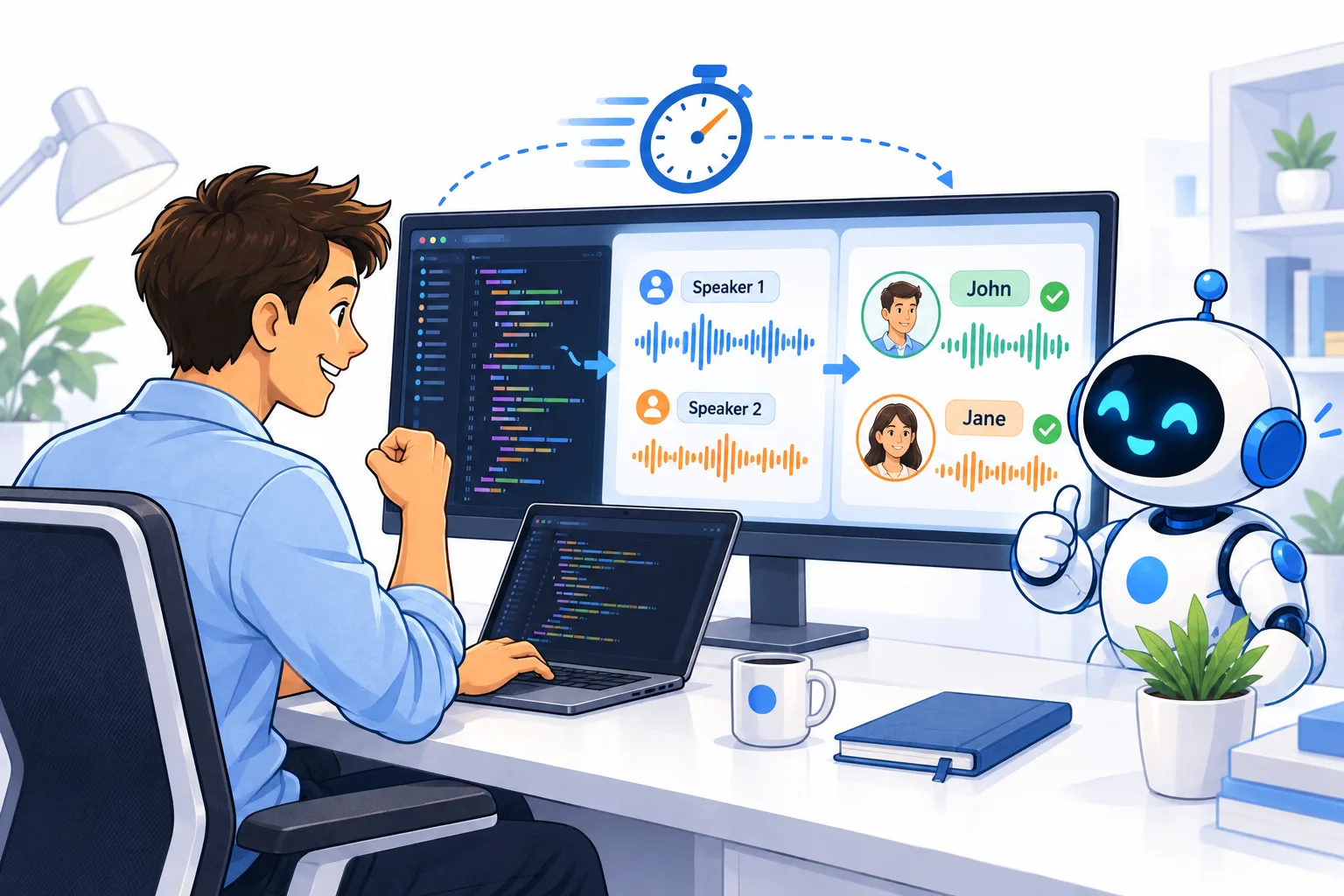
Code an Internal Speaker Recognition Tool with Claude
If you've ever wrestled with identifying who's speaking in a meeting recording, building a speaker-recognition tool from scratch can feel like a heavy lift. This guide walks through coding one internally with Claude, turning a complex audio challenge into a practical, hands-on project. It's a smart, accessible approach for teams ready to move beyond manual transcription. For a broader look at how AI handles real-world inputs, you might also enjoy *Exploring Real-World Computer Vision*, it pairs nicely with the concepts here.

Explore the Inner Workings of sanoTTS: A Deep Dive into AI Synthesis
Every tensor on the sanoTTS anatomy page is real, pulled from the shipped int8 model as it synthesized an actual sentence. No stand-ins. That authenticity turns a technical breakdown into something you can trust and explore. This is vibe coding at its best, using interactive visuals to make the core mechanics of AI synthesis click. If you are curious about how these models truly operate, this is a refreshingly honest look.
Accelerating Research: Can Review Systems Handle AI-Driven Productivity?
ICLR 2027's submission surge is a clear signal: genuine ML research is accelerating, not just the noise. We're seeing ideas that once took days of coding collapse into hours, and the momentum is real. But this productivity boom forces a hard question about our review infrastructure. If we expect humans to keep pace with an exploding volume of contributions, we need to empower reviewers with agentic tools. Otherwise, the bottleneck shifts from discovery to evaluation.
Exploring Autograd: A High Schooler's C++ Machine Learning Project
Building a tensor library and autograd engine from scratch in C++ is no small feat, especially for a high schooler. That kind of hands-on exploration is how you truly internalize the mechanics behind machine learning, moving beyond black-box frameworks. This project shows genuine curiosity and a solid grasp of fundamentals. We appreciate the willingness to share it for feedback. For those interested in seeing how such foundational work connects to real-world applications, our piece on real-world computer vision deployments offers a useful perspective.
Speed Isn't Everything When AI Does the Work You Used to Own
One near miss, and four months of running agents left a writer asking a sharper question than any bug report: what are you supposed to do while the AI writes the code? The speed is real, but so is the quiet erosion of judgment. This isn't a warning against automation; it's a call to stay present in the loop. If you're navigating similar shifts, our guide to distributed training offers a practical foothold for keeping your skills sharp.

Explore how LARA makes frozen LLMs adaptable with lightweight modular behaviors
Most post-training work assumes you must bolt new weights onto a model. LARA challenges that by training small, low-rank residual adapters at selected layers, leaving the frozen LLM untouched. The result is a library where behaviors like coding, maths, or medical reasoning are separate, lightweight files. You can load them, blend them, or route them per token. The Mixture of Behaviors demo shows a single model switching between Hemingway and Fitzgerald styles. It is practical, modular research.
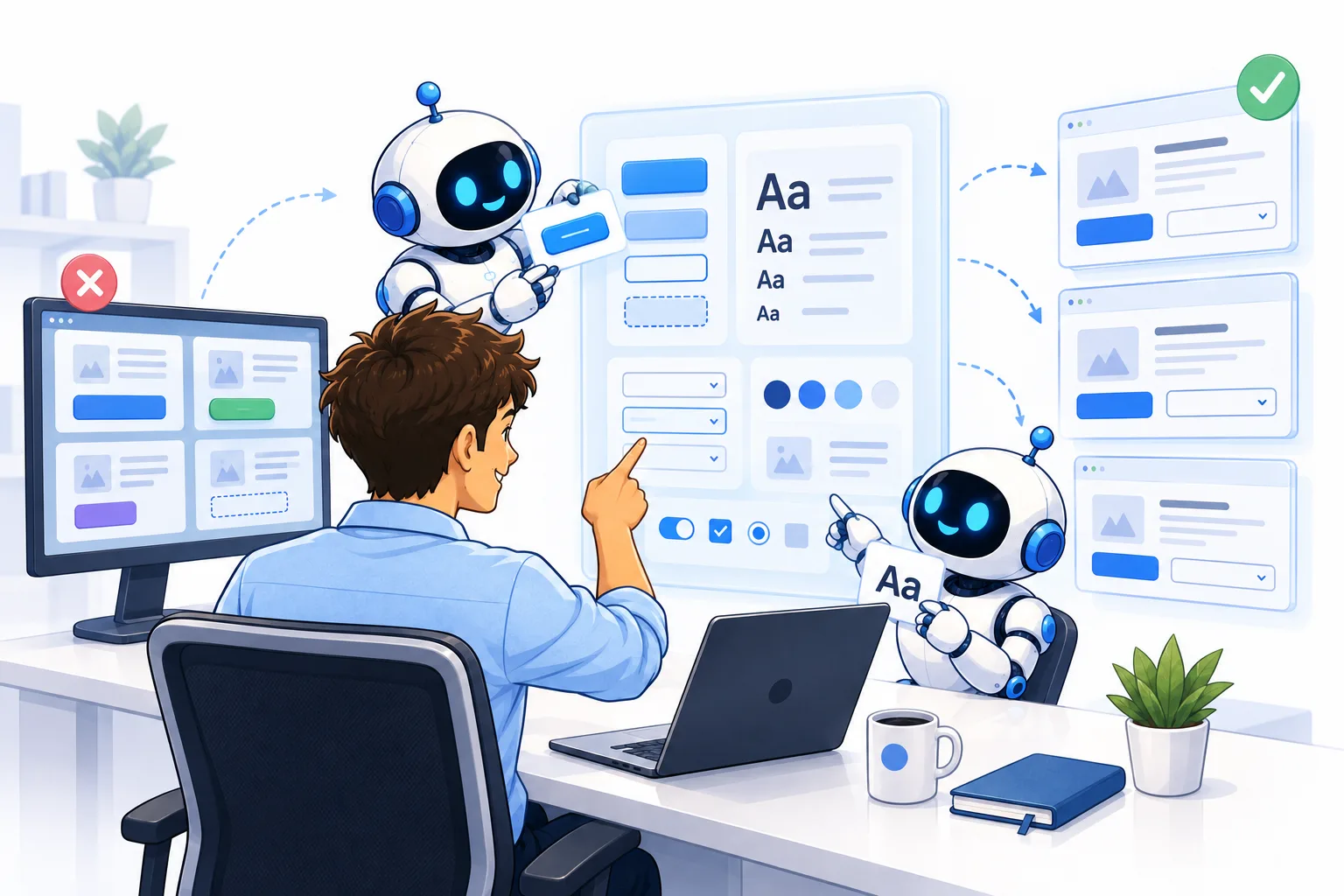
Design with precision using AI to guide your app's visual identity.
Consistent design shouldn't be a happy accident. If you're tired of patching together styles across projects, Claude Code offers a practical path to professional-looking apps without the usual friction. This guide walks through how to build design systems that actually stick, turning messy workflows into something repeatable. It's a smart, accessible approach for teams ready to move beyond manual fixes. For more on applying AI to real-world challenges, explore our piece on computer vision deployments. The takeaway? Consistency is a skill you can code.
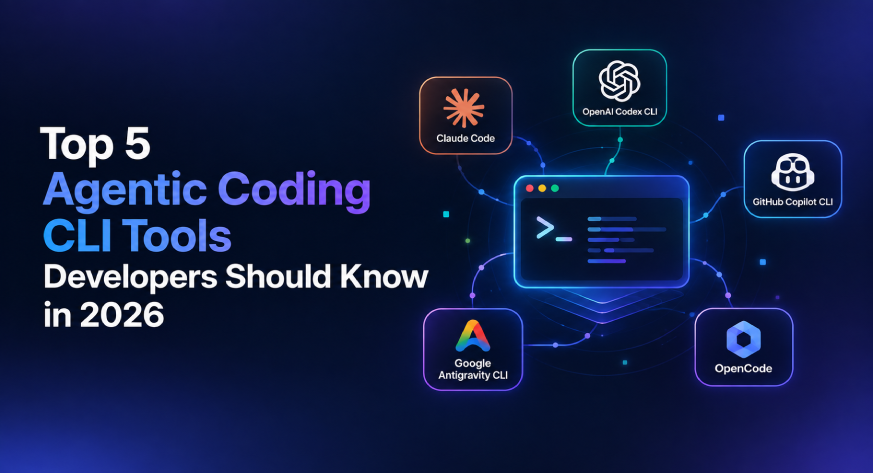
From Terminal Helper to Autonomous Developer: The CLI Evolves
A year ago, terminal AI meant asking a model to explain an error or tweak a function. In 2026, leading coding CLIs operate as full agent runtimes, inspecting repos, planning work, and verifying results. We compare five standouts, including Claude Code and Codex CLI, to show how this shift transforms daily workflows. If you are tracking how AI skills are evolving, our related piece, "Navigating AI/ML Job Requirements," offers useful context on what developers now need. Explore the tools that make complex tasks simpler.
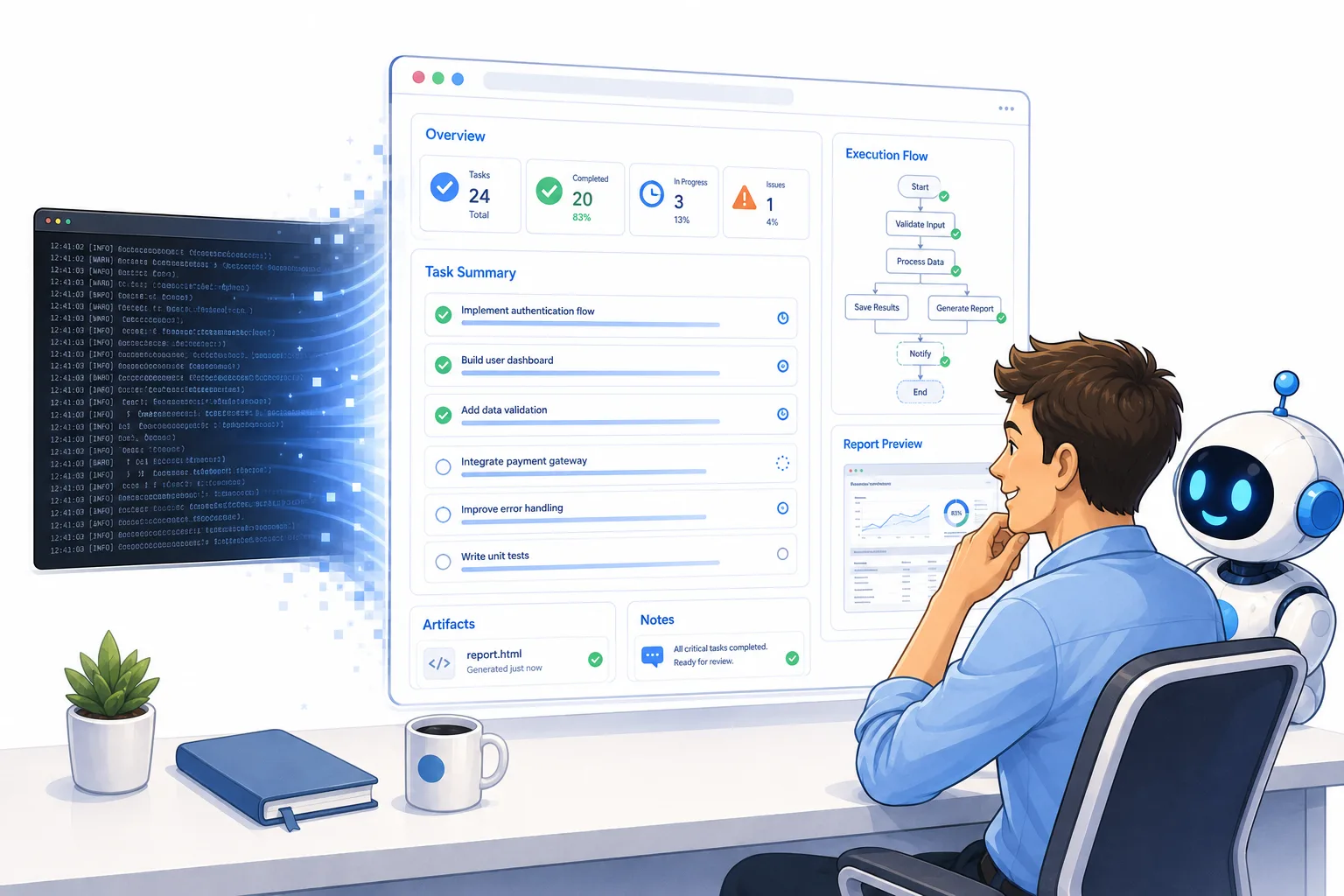
Code Smarter by Clarifying Intent with AI Agents
Tired of repeating yourself to Claude Code, only to watch it misinterpret your intent? This guide cuts through the noise, showing you how to communicate with your coding agents in a way that actually gets results. It's not about more prompts, but sharper ones. For a deeper dive into how AI handles complex tasks, explore the Forrester Function piece. Your workflow deserves better than guesswork.

Explore how GPT-6 Astra transforms coding and agentic workflows.
OpenAI's GPT-6 Astra lands with a clear focus: coding, computer use, and long-running agentic tasks. That's a meaningful step beyond the usual model drop. It signals a shift toward practical, sustained work rather than quick prompts. For anyone who has felt the ceiling of traditional spreadsheets or legacy tools, this is the same spirit we champion: making complex systems feel manageable. If you're curious about how AI handles structure, our piece on paragraph navigation in LLMs pairs well with this release.

Cognition's $48B bet shows AI coding markets reward depth, not dominance
Cognition's $48B valuation is a bold signal that AI coding isn't a winner-take-all game. Investors are betting big on diverse approaches, and that's a healthy sign for the space. The multiple here outpaces what Cursor commanded before SpaceX acquired it, which says less about hype and more about growing confidence in specialized tools. We see this as a nudge to explore how varied AI models solve real problems, not just chase one dominant player.
Unlock AI Coding: Five Free Ways to Access Powerful Models
The cost of AI coding agents and proprietary models can feel like a barrier, but it doesn't have to be. We've identified five free ways to access powerful coding models, from open-weight options to trial-based agents that don't require a GPU setup. This is about practical access, not hype. If you're also curious how AI handles real-world tasks, our piece on real-world computer vision deployments offers a grounded look at what these systems actually do. Explore the options and start building without the subscription.

Vibe coding taught a costly lesson in skipping the fundamentals
A $52 bill and two hours of frantic coding sounded like a win. It wasn't. The app worked just long enough to save the day, then left a mess that took far longer to untangle. That's the hidden cost of moving fast without a plan. If you're tempted to skip the groundwork, don't. Explore the process before you build, and you'll avoid the regret that follows shortcuts.
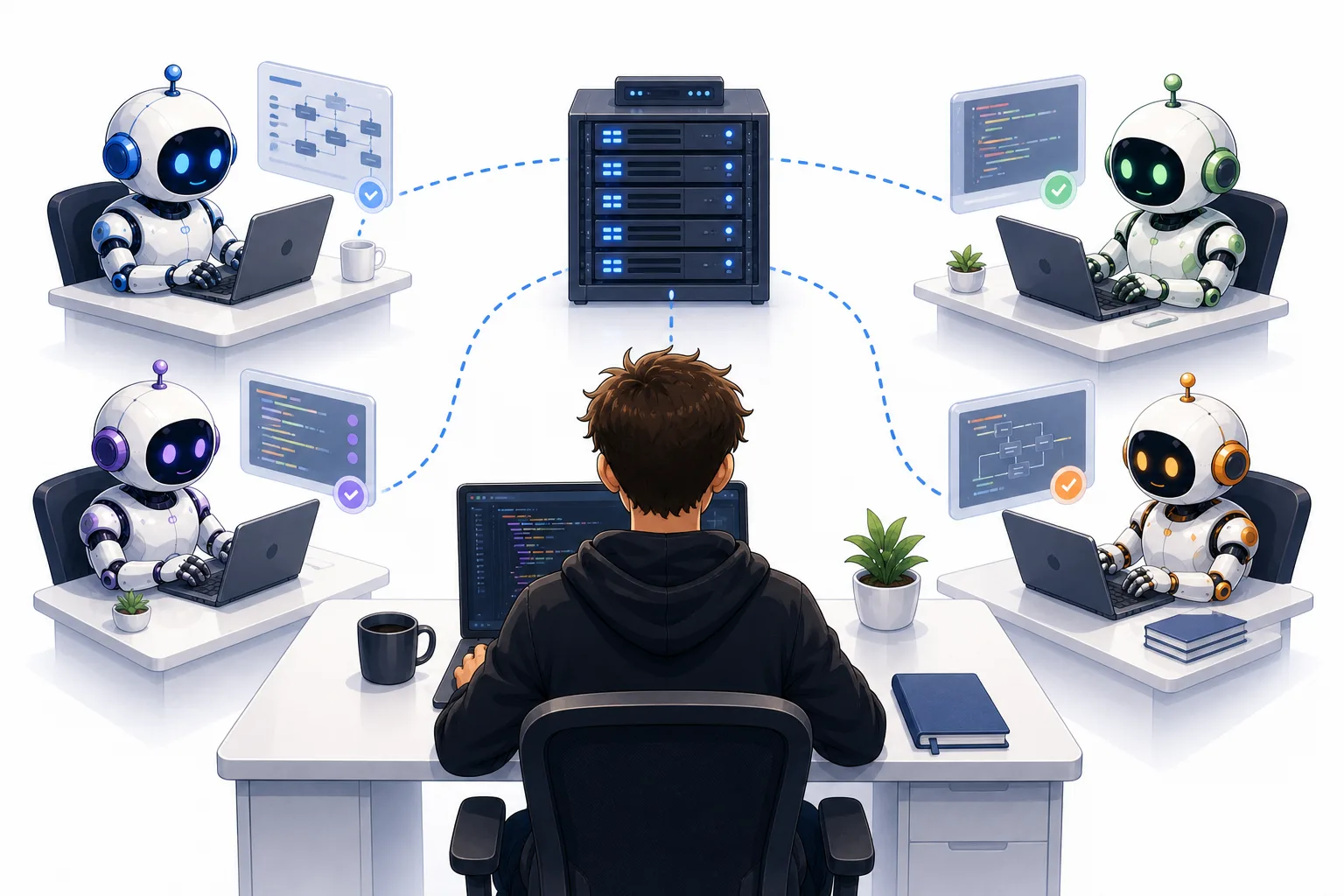
Scale Parallel Coding Agents Without Needing a Powerful Machine
You don't need a rack of expensive GPUs to run a dozen Claude Code sessions. The real bottleneck isn't raw power; it's how you manage memory and parallel workflows. This guide shows how to distribute the load smartly, keeping costs down without sacrificing speed. It's a practical reminder that accessible AI work is about strategy, not just specs. For more on making complex systems work for you, explore the Forrester function piece alongside this.

Explore how sharing your AI prompts unlocks a deeper discount.
Meta is offering a steep discount on its Muse Spark model, roughly 95% off, to users who share their prompts and outputs. It's a straightforward trade: your usage data helps train future iterations, and you pay far less in return. That's a pragmatic deal, though it does raise a fair question about what your contributions are worth. For a deeper look at how AI agents are being deployed in practice, our piece on real-world computer vision offers useful context.