JioHotstar Explains the Distributed Engineering Behind Personalized Ad Requests at Streaming Scale
Our take
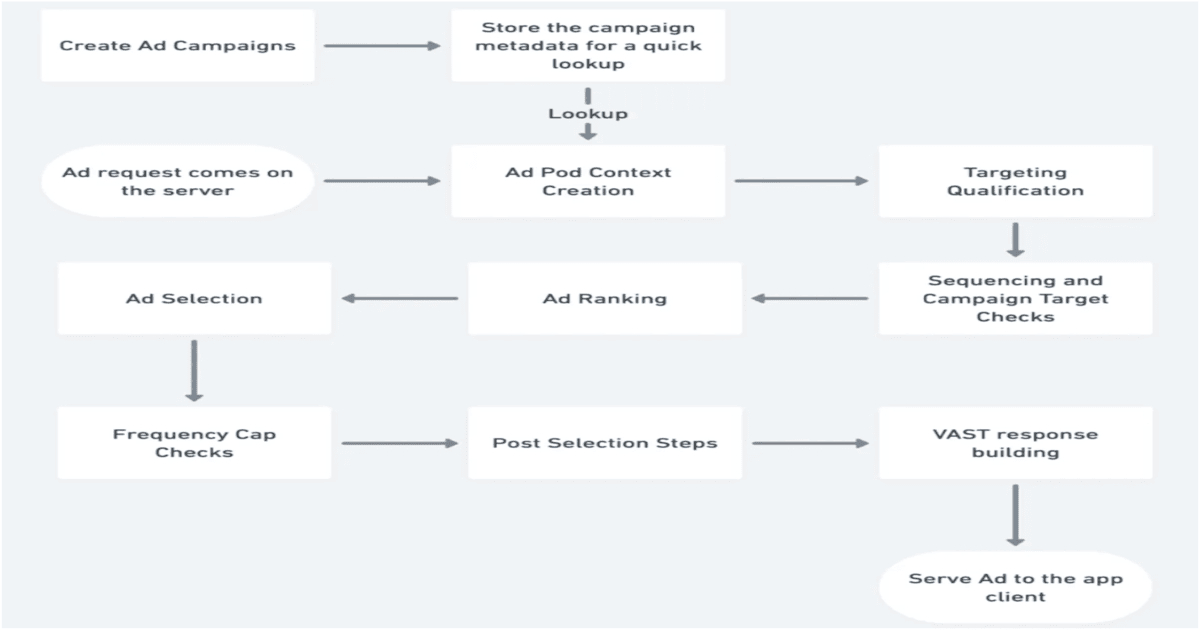
The sheer scale of personalized advertising delivery during streaming is often underestimated, and JioHotstar’s recent explanation of its distributed engineering architecture offers a fascinating glimpse into the complexity involved. Delivering targeted ads seamlessly within a live or on-demand stream, without disrupting the viewing experience, requires an incredibly sophisticated system. It’s not simply about serving an ad; it's about orchestrating a cascade of decisions – ad selection, waterfall tiering to maximize revenue, precise pacing algorithms to avoid jarring interruptions, and constant latency optimization – all while coordinating multiple services in real-time. This level of engineering is increasingly necessary as streaming platforms strive to balance user experience with monetization, and it's a challenge that goes far beyond traditional ad tech. The intricacies described in the article highlight a shift towards infrastructure designed specifically for the demands of streaming, rather than adapting existing systems. The challenges they’ve overcome in service coordination are particularly noteworthy, given the need for near-instantaneous responses across a geographically distributed user base. It's a testament to how far the industry has come, and a clear indication of what’s required to maintain a competitive edge. Related to this focus on optimized infrastructure, Laurence Tratt's discussion on Presentation: Automatically Retrofitting JIT Compilers provides a fascinating parallel, demonstrating the ongoing quest for performance gains through intelligent, automated systems – albeit in a completely different domain.
The JioHotstar case underscores a broader trend within the AI and cloud space: the increasing importance of specialized infrastructure. While general-purpose cloud platforms provide the foundation, streaming and other high-demand applications are pushing the boundaries of what’s possible, requiring custom-built solutions to handle the unique challenges of real-time data processing and delivery. The $10 billion deal between Anthropic and Volta, detailed in Anthropic signs $10B deal with AI cloud startup Volta, illustrates the growing recognition of this need, with companies investing heavily in AI-optimized cloud infrastructure to support demanding workloads. JioHotstar’s approach, with its emphasis on distributed architecture and meticulous optimization, represents a practical example of this trend in action. Moreover, the concept of an “all-in-one AI powerhouse” explored in Honest Abacus AI Review: ChatLLM, DeepAgent, AI Studio & More resonates here, as JioHotstar's ad decisioning system likely leverages various AI components to personalize ad selection and optimize delivery. The integration of these components into a cohesive, scalable system is the key takeaway.
What's particularly insightful is the level of detail JioHotstar provides regarding its waterfall tiering and pacing algorithms. These are crucial elements in maximizing advertising revenue while maintaining a positive user experience. The article implies a constant balancing act – aggressively pursuing revenue opportunities without overwhelming viewers with intrusive ads. Achieving this equilibrium requires sophisticated algorithms and a deep understanding of user behavior. The focus on latency optimization is also critical. Even a slight delay in ad delivery can disrupt the viewing experience and lead to user frustration. The engineering effort required to minimize latency in a distributed system is substantial, and JioHotstar’s success in this area highlights their commitment to providing a seamless streaming experience. Their transparent explanation serves as a valuable case study for other streaming platforms grappling with similar challenges.
Looking ahead, it's likely we'll see even more sophisticated approaches to personalized advertising in streaming, potentially incorporating real-time contextual data and advanced AI models to predict user preferences with greater accuracy. The ability to seamlessly integrate advertising into the viewing experience will become increasingly important as streaming platforms compete for viewers’ attention. The question becomes: how far can personalization go before it becomes intrusive, and how can platforms ensure that advertising enhances, rather than detracts from, the overall viewing experience? The engineering challenges are significant, but the potential rewards – both for platforms and advertisers – are substantial.
JioHotstar explains the distributed architecture behind its real-time ad request workflow, covering ad decisioning, waterfall tiering, pacing algorithms, latency optimization, and service coordination required to select and deliver personalized advertisements during streaming playback at scale.
By Leela KumiliRead on the original site
Open the publisher's page for the full experience