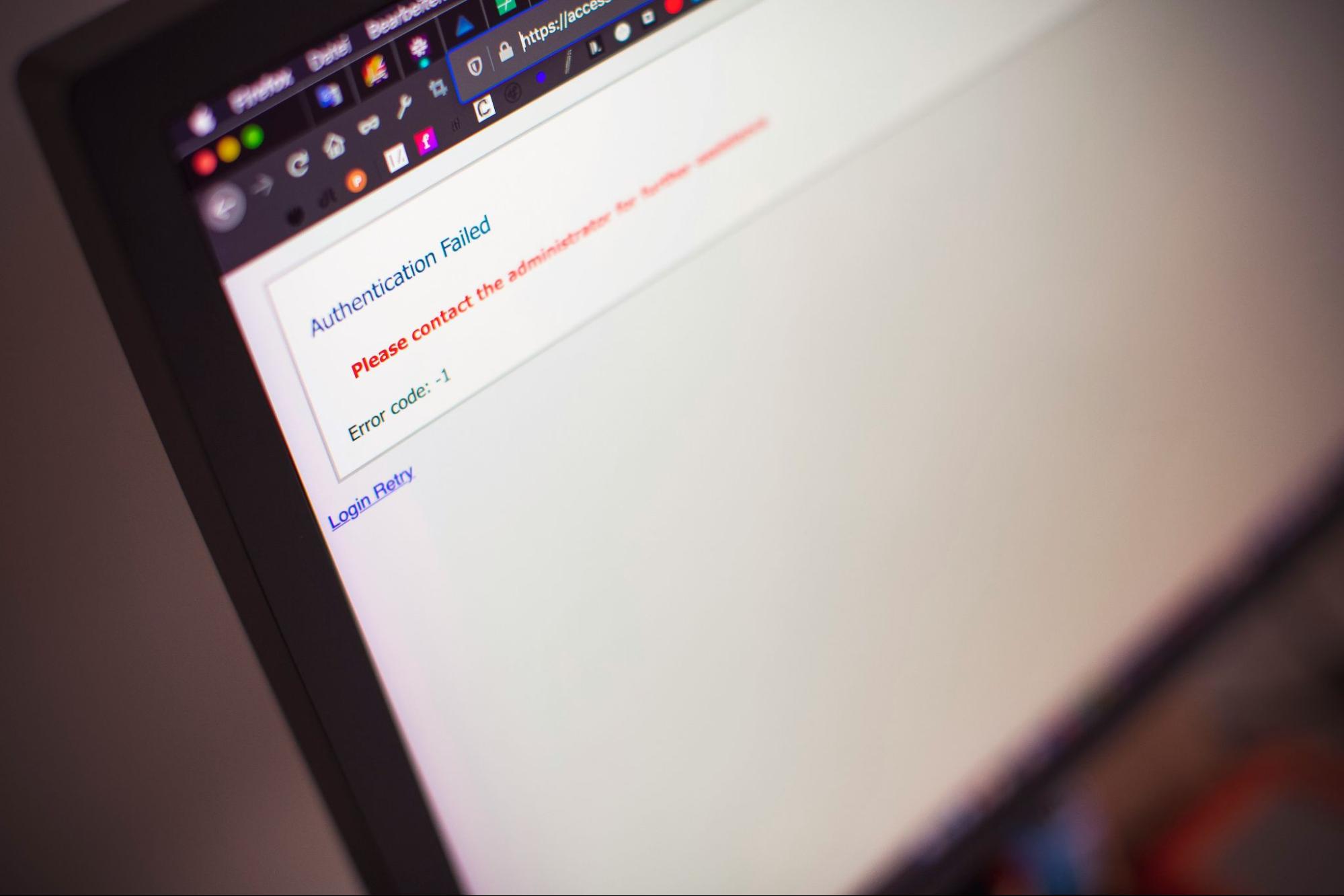
CAPTCHAs were designed to prove you're human, but they often prove the opposite: that the web wasn't built with everyone in mind. That's not just a technical oversight, it's a failure of imagination. For years, developers have treated accessibility as an afterthought, layering barriers on top of barriers in the name of security. The result is a system that blocks bots but also blocks people who are blind, have limited mobility, or process information differently. If your human check excludes actual humans, it isn't working.
What does this mean for you, the person building products or managing data? It means the tools you rely on to verify users may be silently turning away a significant portion of your audience. A user with a visual impairment cannot solve a distorted text test. A user with a motor disability may struggle with a click-based image grid. When you deploy these checks without considering real user needs, you are not protecting your system, you are protecting it *from* the wrong people. The practical takeaway is simple: accessibility is not a feature you add later. It is a constraint you design for from the start.
There is no universal solution. That honesty matters. No single CAPTCHA variant works for every disability, and pretending otherwise leads to half measures. But understanding real user needs is where accessibility truly starts, not with a checklist, but with empathy. Ask your users what they struggle with. Watch them try to complete a verification step. You will discover that the most secure solution is often the most human one: giving people multiple ways to prove they are real, whether through audio, simple logic puzzles, or behavioral signals that require no interaction at all.
Our opinion is plain: if your verification system excludes users, it is not secure, it is incomplete. The goal should not be to find a perfect test that every human can pass. The goal should be to stop treating accessibility as a compromise. Build for the user who cannot see the image, cannot click the box, or cannot hear the audio. When you do, you build for everyone. That is not a concession. It is the only way to make the web truly human.