In today's fast-paced digital landscape, the user experience (UX) is no longer a secondary consideration; it is a critical determinant of a business's success. Carrie Webster's article, "Ten Data-Backed Truths Of User Experience ROI," emphasizes that every moment of friction in a user interface carries substantial financial implications. The shift in perspective from treating design merely as an aesthetic choice to recognizing it as a core business strategy is a vital evolution that aligns with the increasing complexity of user needs and behaviors. This transformation is reflected in other areas of technology as well, such as the challenges of extracting specific data from spreadsheets, as discussed in articles like need formula to give result for next occurrence in a list and Trying to find the best way to return a value based on multiple criteria, one of which is a date.. In both instances, the complexity of data management parallels the intricacies of UX, underscoring the need for innovative solutions that enhance productivity and streamline processes.
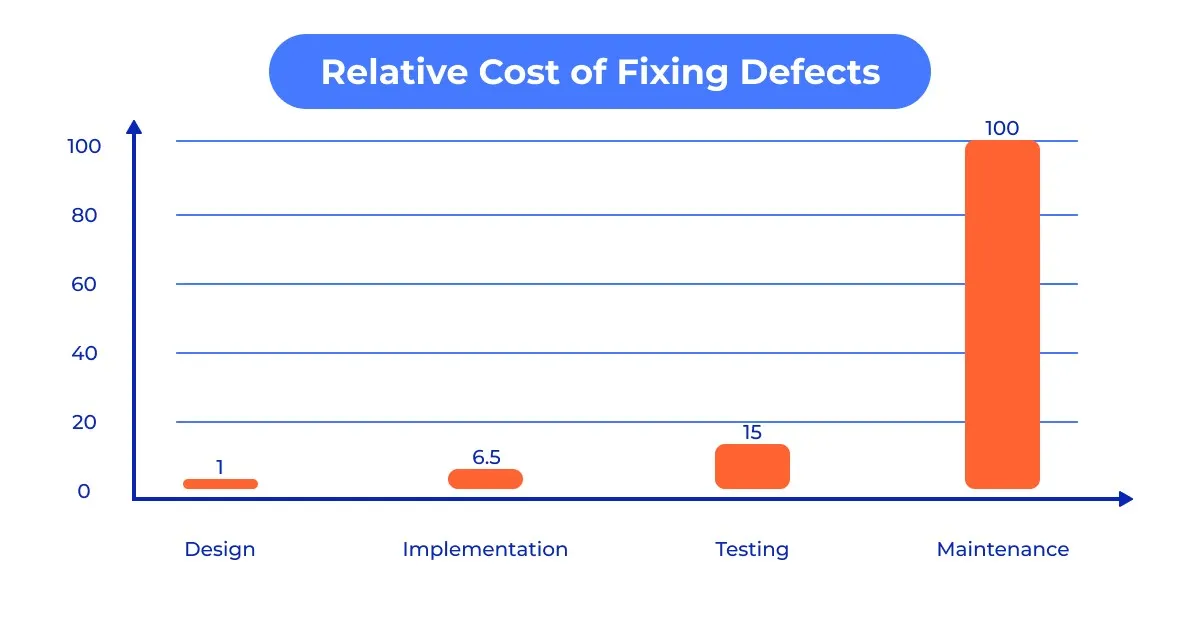
Webster notes that the financial costs of poor UX are not merely theoretical; they manifest as lost revenue, wasted engineering resources, and diminished customer loyalty. This reality highlights the importance of integrating UX research and analytics into the design process, which should be as rigorous and data-driven as any other aspect of product development. The implications for businesses are profound: organizations that prioritize user experience are not just improving satisfaction but are also actively safeguarding their bottom line. This forward-thinking approach is essential in an era where consumer expectations are higher than ever, and where a single design misstep can lead to significant financial repercussions.
The correlation between UX and business metrics such as revenue and retention is increasingly undeniable. As companies strive to stay competitive, understanding how to reduce friction in user interactions becomes paramount. This trend is evident in various fields, including financial technology, where seamless user experiences can lead to increased engagement and better decision-making, such as in the realm of AI Tax Optimization: Strategies for High Net Worth Individuals. By focusing on user journeys and eliminating barriers, organizations can not only boost their operational efficiency but also foster long-term customer relationships that are resilient to market fluctuations.
As we look towards the future, it is crucial for businesses to embrace a holistic view of user experience as a strategic imperative rather than an afterthought. The challenge lies in consistently balancing technical innovation with human-centered design. This approach will require a culture that values feedback and iterative improvement, ensuring that user insights are integrated into every stage of product development. As we continue to navigate this landscape, one question remains: how will organizations measure the success of their UX initiatives in tangible terms? The answers may redefine not only how we approach UX but also how we perceive the intersection of technology and user engagement in driving business growth.