API
API at Beyond Market Intelligence is a file of 58 stories. The newest of them: “Five Self-Hosted Docker Tools That Keep Your Developer Data Local”, “Explore Claude Haiku 5.5's faster workflows and 90% lower costs”, and “Explore OGX: Build AI apps with any model on your infrastructure”. If you're feeling constrained by traditional spreadsheets, it's time to explore a solution that empowers your data journey. Claude Haiku 5.5 slashes list prices by 90% while adding adaptive thinking and a 1M token context window. Acme AI is the next-generation, AI-powered spreadsheet platform built to replace Excel and redefine how analysts, data scientists, and enterprise teams work… The list below is every API story on Beyond Market Intelligence, newest first.
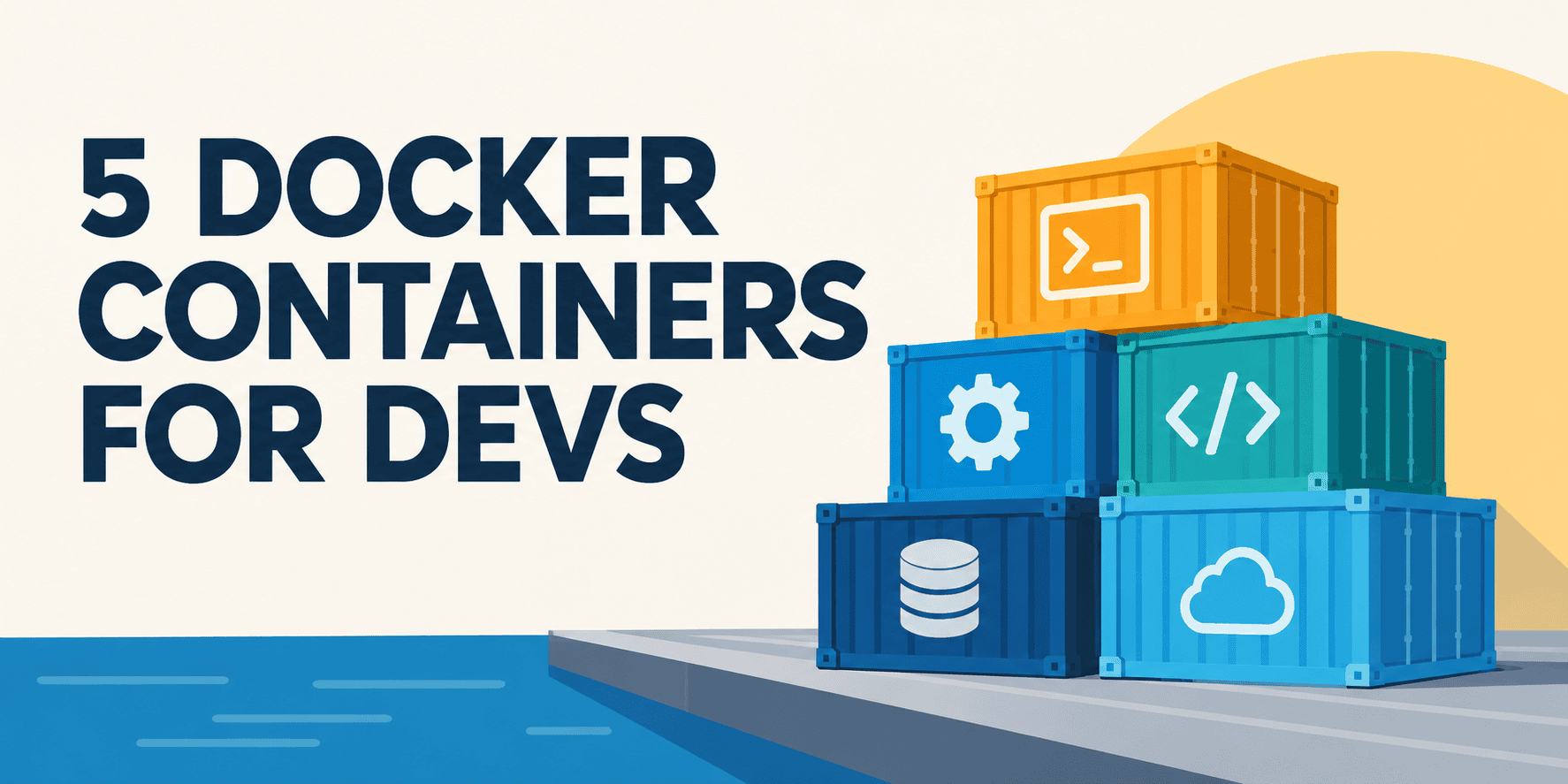
Five Self-Hosted Docker Tools That Keep Your Developer Data Local
If you're feeling constrained by traditional spreadsheets, it's time to explore a solution that empowers your data journey. Claude Haiku 5.5 now offers a smarter way forward, cutting list prices by 90% while adding adaptive thinking and a 1M token context window. That's faster workflows without the complexity. Discover how AI can transform your spreadsheet experience, making complex tasks simpler and more intuitive, because your tools should work for you, not the other way around.
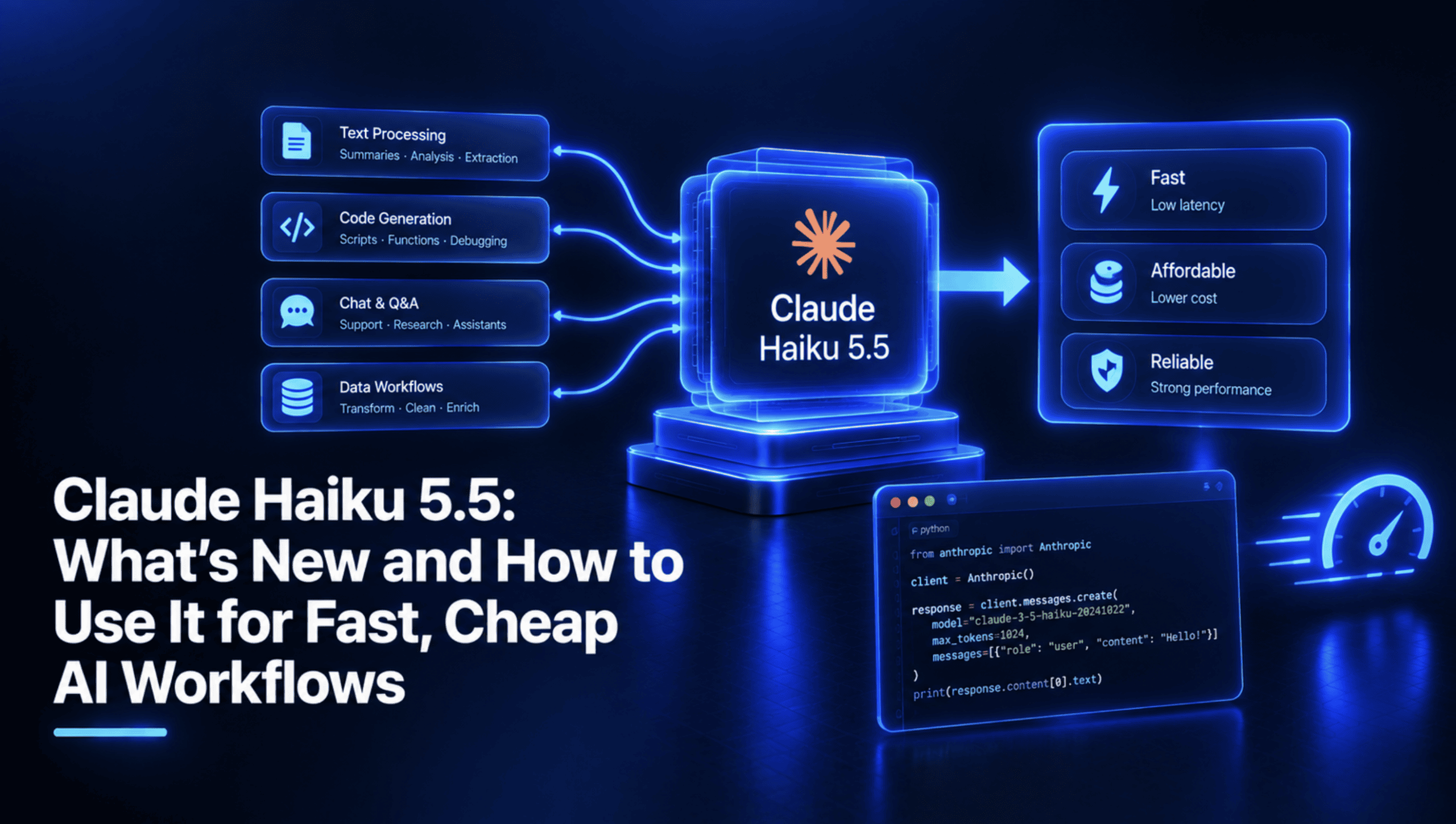
Explore Claude Haiku 5.5's faster workflows and 90% lower costs
Claude Haiku 5.5 slashes list prices by 90% while adding adaptive thinking and a 1M token context window. That's a dramatic leap from Haiku 4.5, making classification, extraction, and sub-agent workflows far more accessible in Python. Faster workflows at a fraction of the cost invite real experimentation. For deeper context on how AI agents learn from weaknesses, explore our coverage of Google's EnvHarness research.
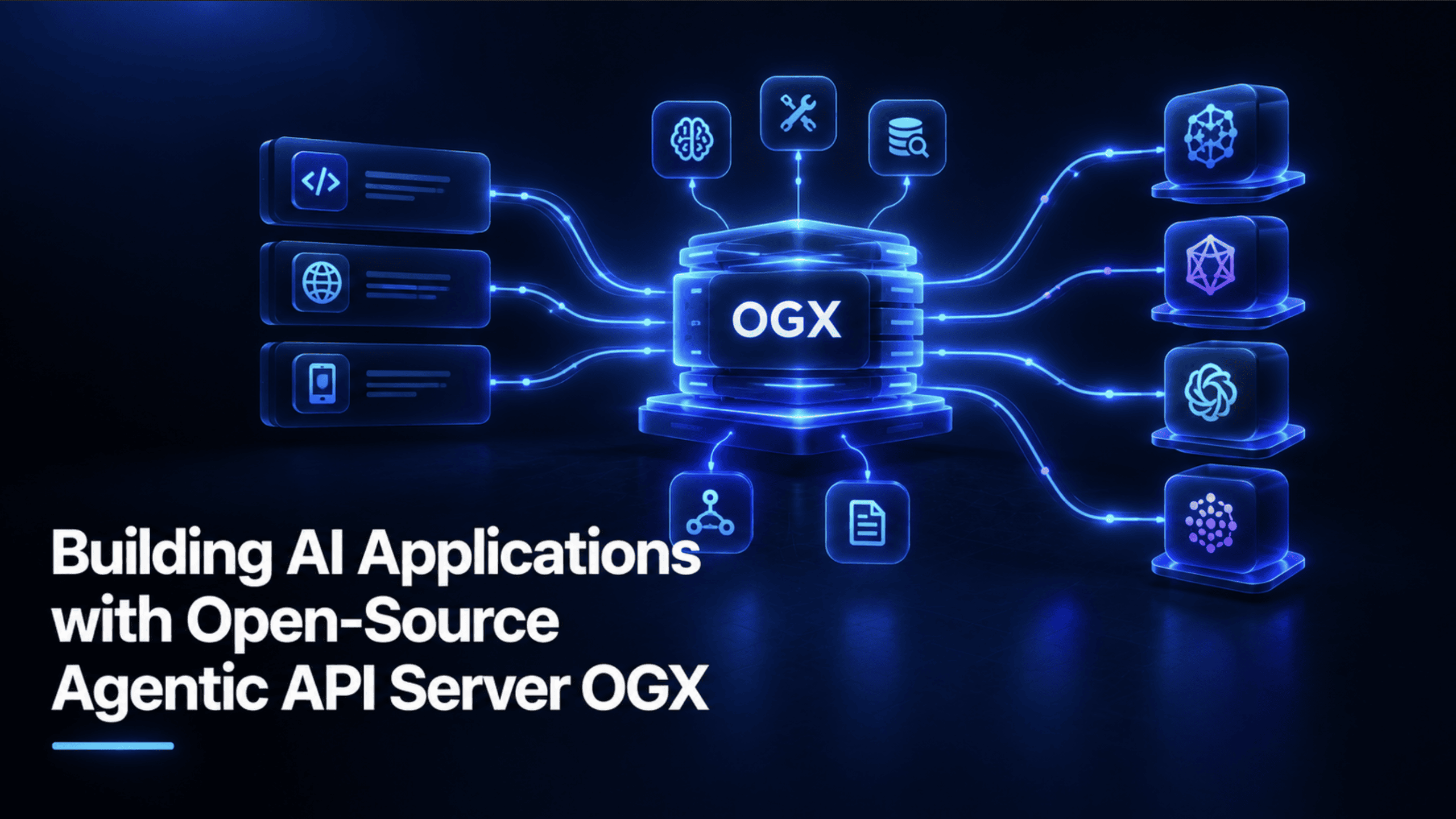
Explore OGX: Build AI apps with any model on your infrastructure
An open-source API server that works with any model on your own infrastructure, OGX is built for teams who want AI flexibility without vendor lock-in. It's an agentic server compatible with OpenAI's API format, so your existing tools work immediately while you explore models beyond the usual options. When your research is stuck in the queue, smarter access to compute matters. OGX gives you that control.

From Model to API in One File: Flama's AI Architecture Now on arXiv
Flama's new arXiv paper makes a compelling argument: a model should be a file, not a deployment puzzle. Packaging weights, artifacts, and metadata into a single `.flm` means you can inspect, score, and promote a model without spinning up a server. The same file runs on vLLM or MLX depending on your hardware. That's practical engineering. And for those building agents, the connection to escalation logic in our related piece on smarter AI agents is worth exploring.
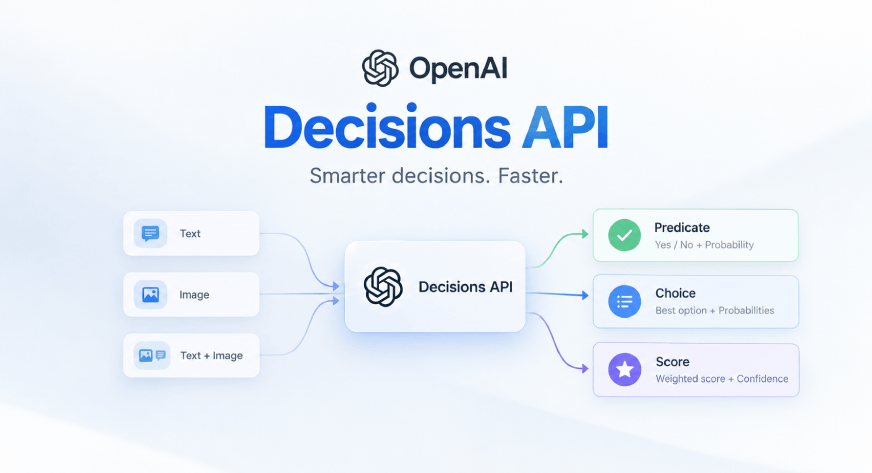
Make Smarter AI Agents That Know When to Escalate and When to Act
A false positive triggers an unnecessary escalation; a false negative lets a genuine issue slip through. That's the high-stakes calculus every decision-making AI agent must master. The new OpenAI Decisions API gives developers a structured way to handle exactly that, knowing when to act and when to hand off. It moves beyond simple classification into practical, context-aware judgment.

Explore How OpenAI's Decisions API Can Reshape Your Data Workflows
If you're still treating AI agents like chat bots that occasionally call a function, OpenAI's new Decisions API suggests a more intentional path. This practical guide walks through how a decision-first model lets you define, constrain, and audit every tool call before it executes, turning reactive workflows into deliberate, auditable processes. It's a genuine step toward production reliability. For deeper context on agent stability, our piece on "Six Architectural Patterns for Scaling Reliable AI Agents" pairs well here.
How to benchmark online AI models without losing your data to training
Protecting your benchmark data from becoming training data is a real problem, especially for low-resource languages where every example is precious. The trust gap with API-only models is legitimate, and a paid account is not a guarantee of privacy. You are right to be cautious. The practical answer is that there is no foolproof method, only risk mitigation.

Designing the Interface for Real-Time LLM Agents That Adapt on the Fly
Real-time LLM agents that adapt mid-thought aren't a distant ambition, they're already working in robotics, voice assistants, and coding tools like Codex. The question isn't *if* these agents can handle interruptions or new stimuli, but how we generalize that capability. Developers need reusable building blocks, not low-level inference pipelines. An interface built around async coroutines and shared memory, as explored in the AsyncLLM preprint, points toward a practical path.
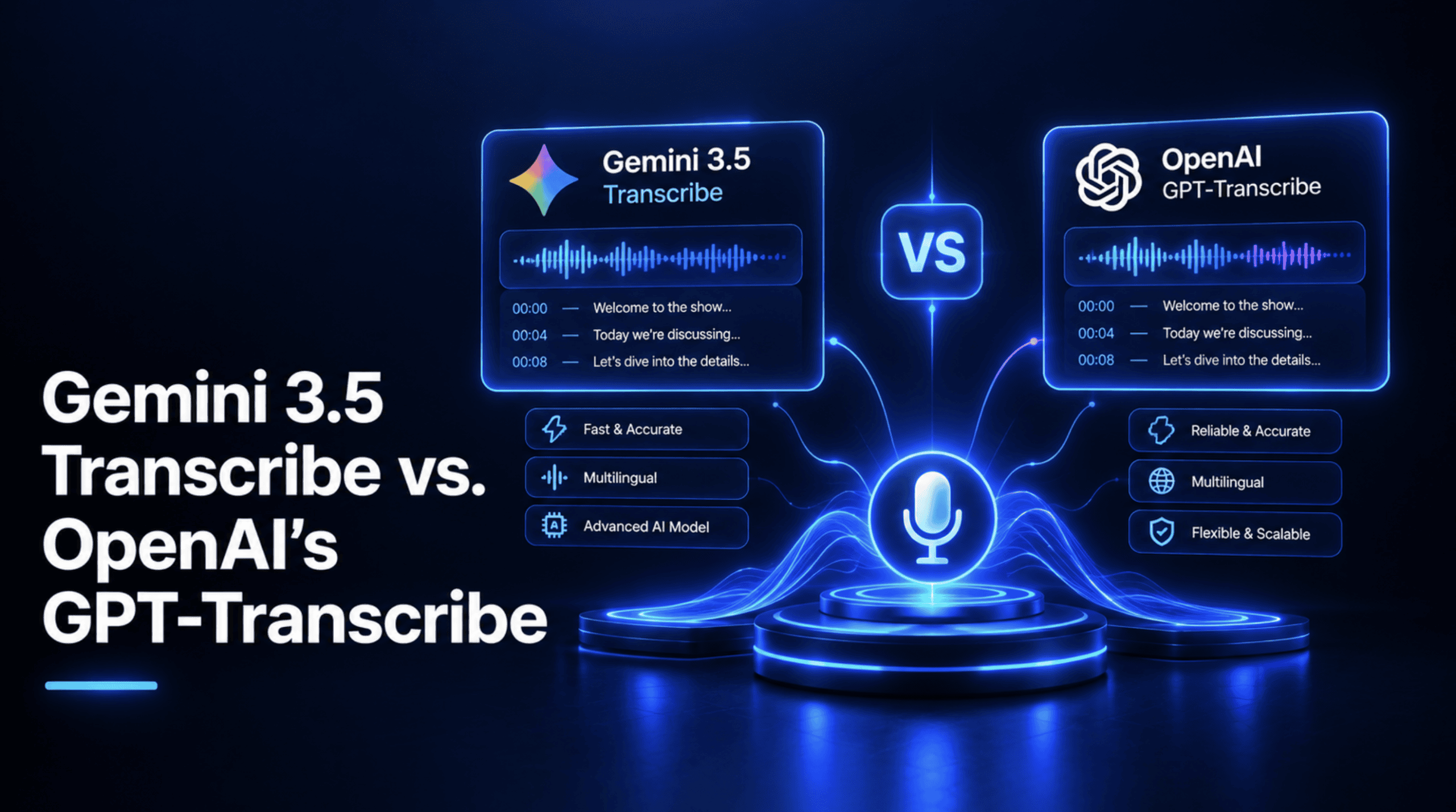
Two AI transcribers compared: real performance where the numbers count
You've read the benchmarks, but what happens when two AI transcribers face real-world data? We pushed them past marketing claims to see where the numbers actually land. The comparison walks through each model's background, a concrete use case with working code, and a side-by-side comparison of the metrics that determine productivity. If you appreciated our breakdown of Qwen3-VL's struggles with dates, this follow-up answers a practical question: which tool earns its place in your workflow?
Navigating AI/ML Job Requirements: A Shift in Expected Skills
The job title says "AI/ML Engineer," but the posting asks for FastAPI wrappers and DSA drills, not the math or data processing skills that once defined the role. That's a real shift, and it's leaving candidates like u/Ishaat_Rahman wondering if the bar has quietly moved to PhD-only territory. The confusion is fair. The role now leans heavily on software engineering, which changes what "entry-level" means.
Prepare Your iOS Apps for the iPhone Duo’s Flexible Displays
The iPhone Duo's flexible display demands more than a quick tweak; it asks developers to rethink navigation, toolbars, and even camera behavior across distinct physical states. That's a meaningful shift in how we approach iOS design, and it's smart to start planning now. The outer screen, inner canvas, and partial folds each introduce new reserved regions to respect. For a deeper look at how skill demands are changing alongside hardware, check out our piece on navigating AI/ML job requirements.

Empower Robotics Development with Feather’s Customizable Platform
A $30,000 platform might sound like a serious commitment, but for software developers tired of rigid robotics tools, it's a practical bet. Feather is building something customizable, not a locked-down box. That focus on flexibility matters. It gives teams room to iterate, test, and adapt without fighting the hardware. If you're exploring how far accessible AI can push real-world systems, our piece on real-world computer vision deployments pairs well with this mindset.

Kubernetes 1.37 arrives with a sharper focus on AI workloads
Kubernetes 1.37, named "Garhwal," lands with a clear focus on stability, security, and AI/ML workloads. The Stable Metrics API is a welcome step, giving teams reliable data for smarter scaling decisions. Meanwhile, the Rootless Kubelet reaching beta signals a serious commitment to safer, more contained operations. This release feels less about flash and more about hardening the foundation. For those wrestling with evolving AI/ML job demands, our related article on navigating that skill shift is worth a look.

SolidStart 2.0 Modernizes, Enters Maintenance as SolidJS Evolves.
SolidStart 2.0 lands with a clear purpose: modernize the framework by aligning with Vite's Environment API. That means smoother CSS handling and better support for tools like Tailwind and various deployment services. It's a practical step forward for developers who want less friction. But the bigger story is what comes next. SolidStart is entering maintenance mode as its best ideas fold into Solid 2.0. That's a confident move, shifting focus to a unified future rather than splitting attention across projects.

Evolve Your Web Interactions: htmx 4 Streamlines Data and DOM Updates
htmx 4 trades the aging XMLHttpRequest for the fetch() API, and that single move makes streaming data far more fluid. Built-in morphing swaps keep your DOM state intact, while the new hx-partial tag cleans up updates without extra scripting. We appreciate that attribute inheritance is now explicit and event names follow a standard. It is a focused, practical upgrade for those who want less JavaScript, not more. If you are navigating shifting tech expectations, our piece on AI/ML job requirements offers a useful parallel.
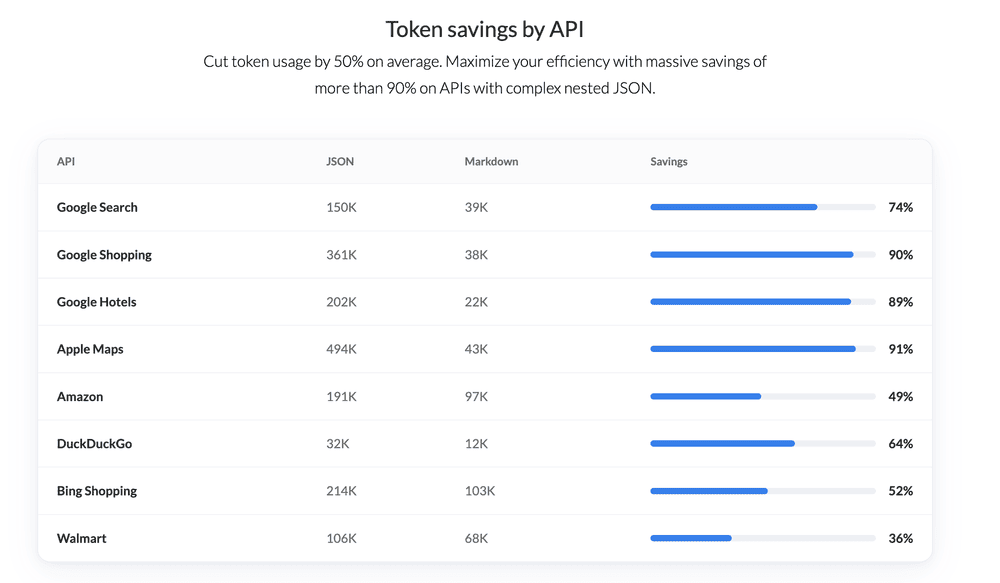
Reduce Search Result Tokens by 74% with Smarter Data Structuring
A single search result can quietly consume thousands of tokens, and that weight adds up fast when you're paying for every call. SerpApi's Markdown output tackles this directly, trimming usage by up to 74% by stripping away the noise and keeping only what matters. That's a meaningful reduction in context-window overhead and agent costs. It's the kind of practical efficiency that pairs well with the broader optimization thinking in our guide to distributed training.
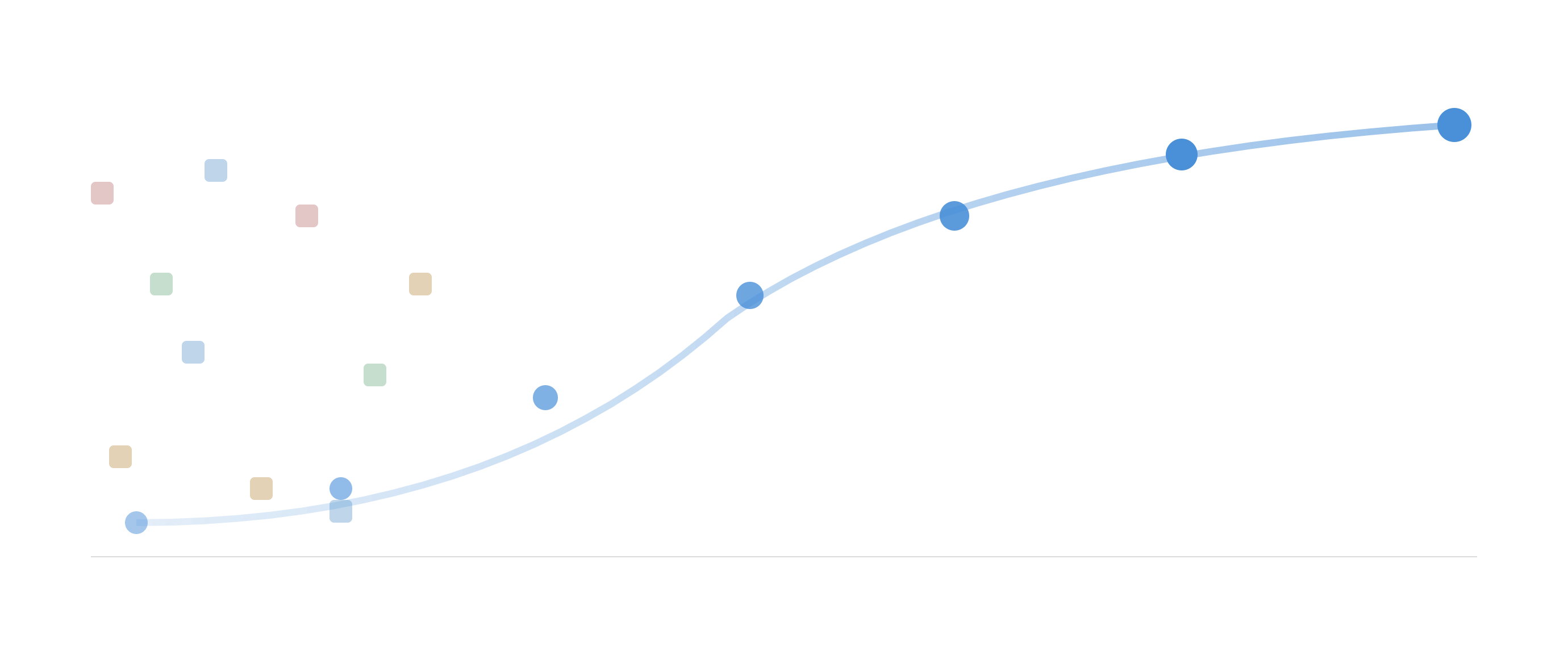
Explore how many labeled examples your text classifier truly needs before scaling up.
Before you default to an LLM API for every text classification problem, consider what a decades-old baseline can already accomplish with the labeled data you have on hand. This piece measures exactly how much more data buys you, turning guesswork into a clear, practical equation. It's a grounded, refreshingly honest look at efficiency. For those ready to move beyond theory, it pairs well with our guide on real-world computer vision deployments, where similar trade-offs shape every decision.
.NET 11 RC1 Arrives with C# 15, F# 11, and Go-Live Readiness
.NET 11 Release Candidate 1 arrives with a go-live license, signaling production readiness for those ready to move. C# 15 and F# 11 step up as default language versions, while dotnet test extends its reach to mobile and desktop. SignalR's authentication refresh is finalized, and Android builds see meaningful speed gains in .NET MAUI. This is a release focused on practical efficiency, not spectacle. For developers juggling complex workflows, it's worth exploring how these refinements simplify daily tasks.
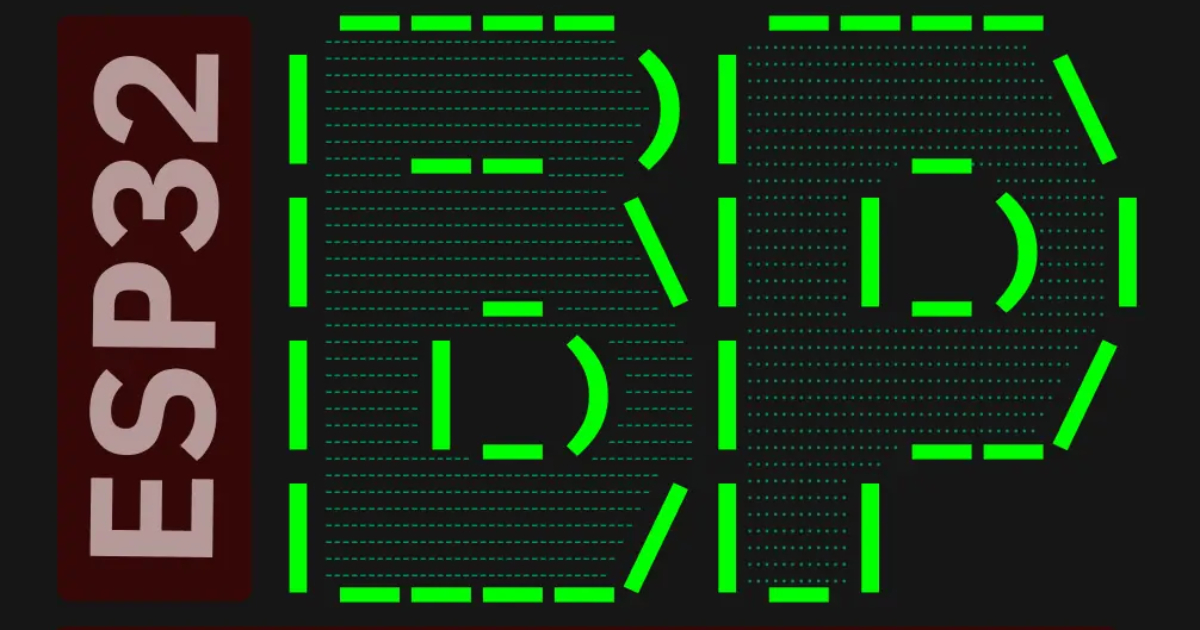
Debug Your Microcontroller Directly From a Browser Window
Browser-based hardware debugging is a bold step forward, and the ESP32 Bit Pirate makes it feel surprisingly accessible. By tapping into HTML5 APIs, this project lets you flash firmware and interact with an ESP32-S3 straight from your browser, no complex toolchains required. Supporting digital and wireless protocols, it pairs practical recipes with hands-on tasks like memory dumping and signal analysis. It's a pragmatic, human-centered approach to microcontroller work. For more on evolving technical skill sets, our piece on AI/ML job requirements offers a useful counterpoint.

Jotai 3.0 Streamlines State Management with a Leaner, Modern Core
Jotai 3.0 arrives as a leaner, ESM-only package, and that's a move we respect. By dropping legacy builds and deprecated APIs, the team signals a clear commitment to modern React workflows without forcing users into a painful migration. The backward compatibility keeps the transition practical, while the deferred feature work shows patience over hype. It's a focused release that prioritizes stability. For those tracking how teams modernize infrastructure, Cloudflare's EmDash migration offers a parallel story worth exploring.
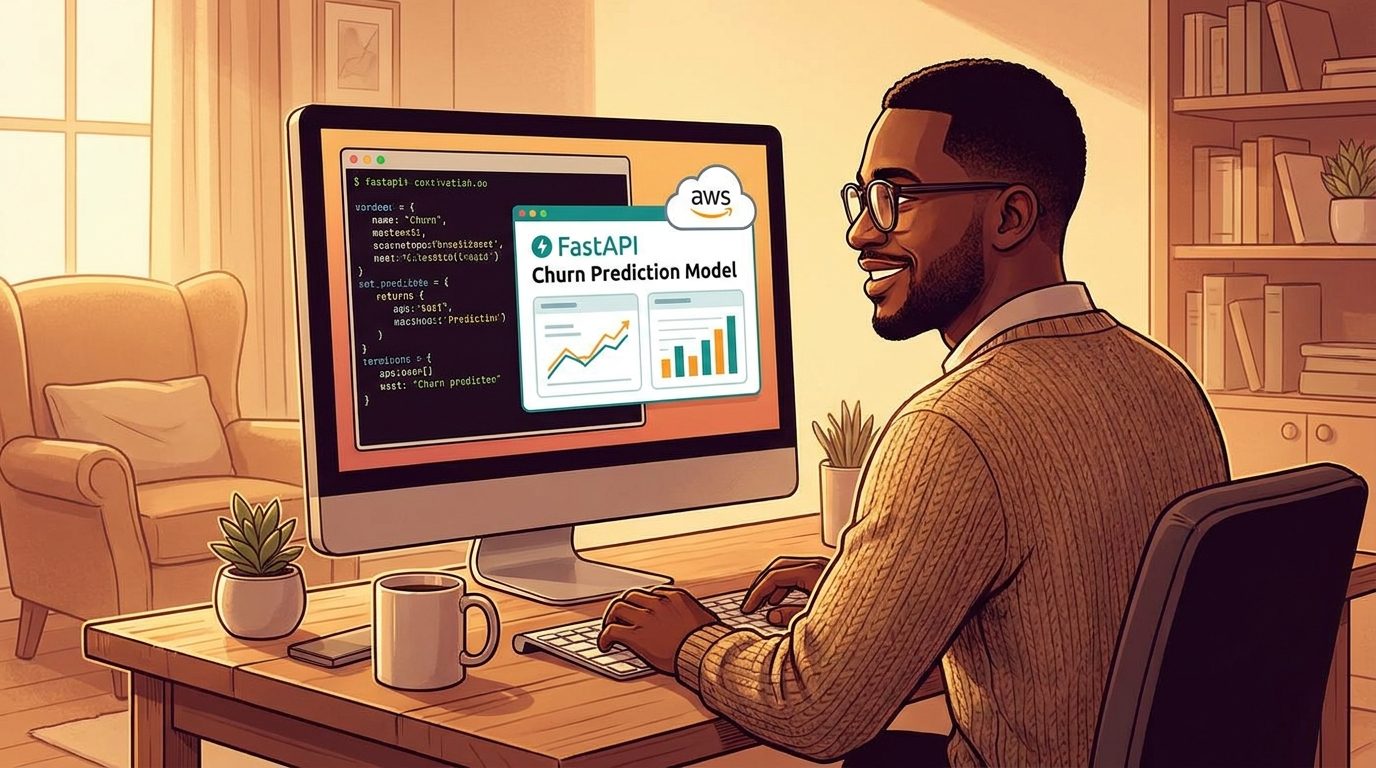
From Notebook to Production: When Your Model Meets a Real API
A model that runs on your machine is only the beginning. The real work starts when someone else needs to call it. This walkthrough of building a FastAPI endpoint for churn prediction captures that gap perfectly, detailing everything that broke between "it runs" and "it's live." It's a grounded, practical look at deployment realities. For more on tackling technical hurdles, explore the Forrester function piece, but this guide stands strong on its own.

Explore how GPT-6 Astra transforms coding and agentic workflows.
OpenAI's GPT-6 Astra lands with a clear focus: coding, computer use, and long-running agentic tasks. That's a meaningful step beyond the usual model drop. It signals a shift toward practical, sustained work rather than quick prompts. For anyone who has felt the ceiling of traditional spreadsheets or legacy tools, this is the same spirit we champion: making complex systems feel manageable. If you're curious about how AI handles structure, our piece on paragraph navigation in LLMs pairs well with this release.

Protect your Claude account from unauthorized token theft
A Claude user recently watched his account burn through tokens while he wasn't even working. That's not a glitch; that's a breach. Anthropic has since warned subscribers that hackers are actively stealing credentials, a quiet but urgent reminder that AI access is now a target. This isn't about paranoia, it's about protecting your workflow. If you're managing sensitive data, this should push you to lock down your access now.

Explore Rustuna, a faster, memory-efficient Optuna built in Rust.
If you've ever felt the weight of Python dependencies or memory overhead in your optimization workflow, Rustuna is worth a close look. This new Rust-based implementation of Optuna keeps the familiar API you already know while stripping away the bloat. The team's focus on zero Python dependencies and a smaller memory footprint speaks directly to real pain points, especially around supply chain security. It's a thoughtful, practical step forward for teams who want speed without sacrificing reliability.