building
Beyond Market Intelligence keeps building in one place: 17 stories so far. The section currently leads with “Four Phases to Master AI Product Management by 2026”, “Explore OGX: Build AI apps with any model on your infrastructure”, and “Measuring clutch performance with analytics built for college sports”. Becoming an AI product manager by 2026 doesn't require a computer science degree, but it does demand a structured approach to building the right skills. An open-source API server that works with any model on your own infrastructure, OGX is built for teams who want AI flexibility without vendor lock-in. Acme AI is the next-generation, AI-powered spreadsheet platform built to replace Excel and redefine how analysts, data scientists, and enterprise teams work… The list below is every building story on Beyond Market Intelligence, newest first.
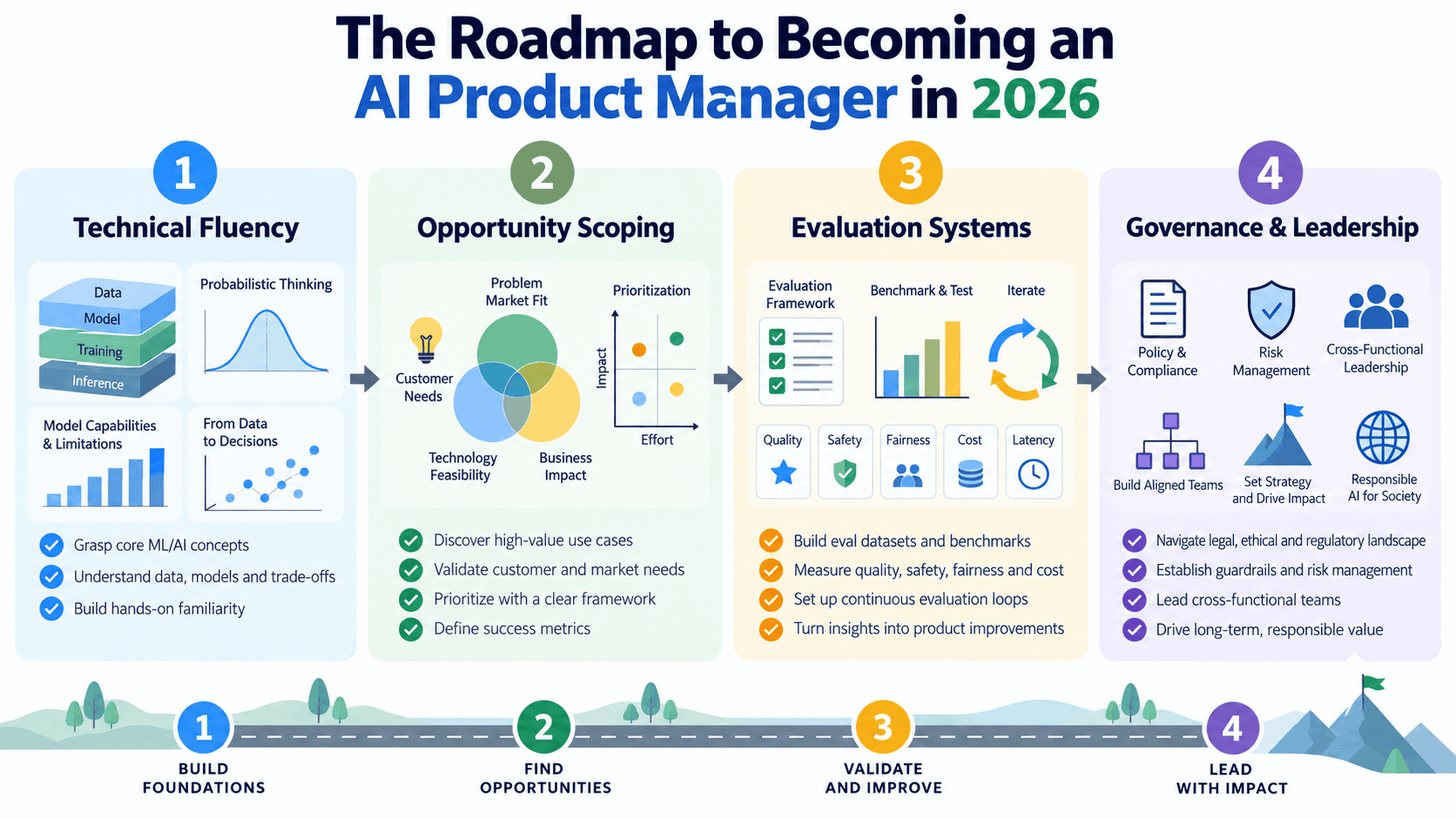
Four Phases to Master AI Product Management by 2026
Becoming an AI product manager by 2026 doesn't require a computer science degree, but it does demand a structured approach to building the right skills. This four-phase roadmap focuses on technical fluency, evaluation skills, and governance literacy. It's a practical path for anyone ready to move beyond traditional product management. For a real-world look at how AI is changing user interactions, see our coverage of "Yelp's AI now calls restaurants for you to get real-time wait times."
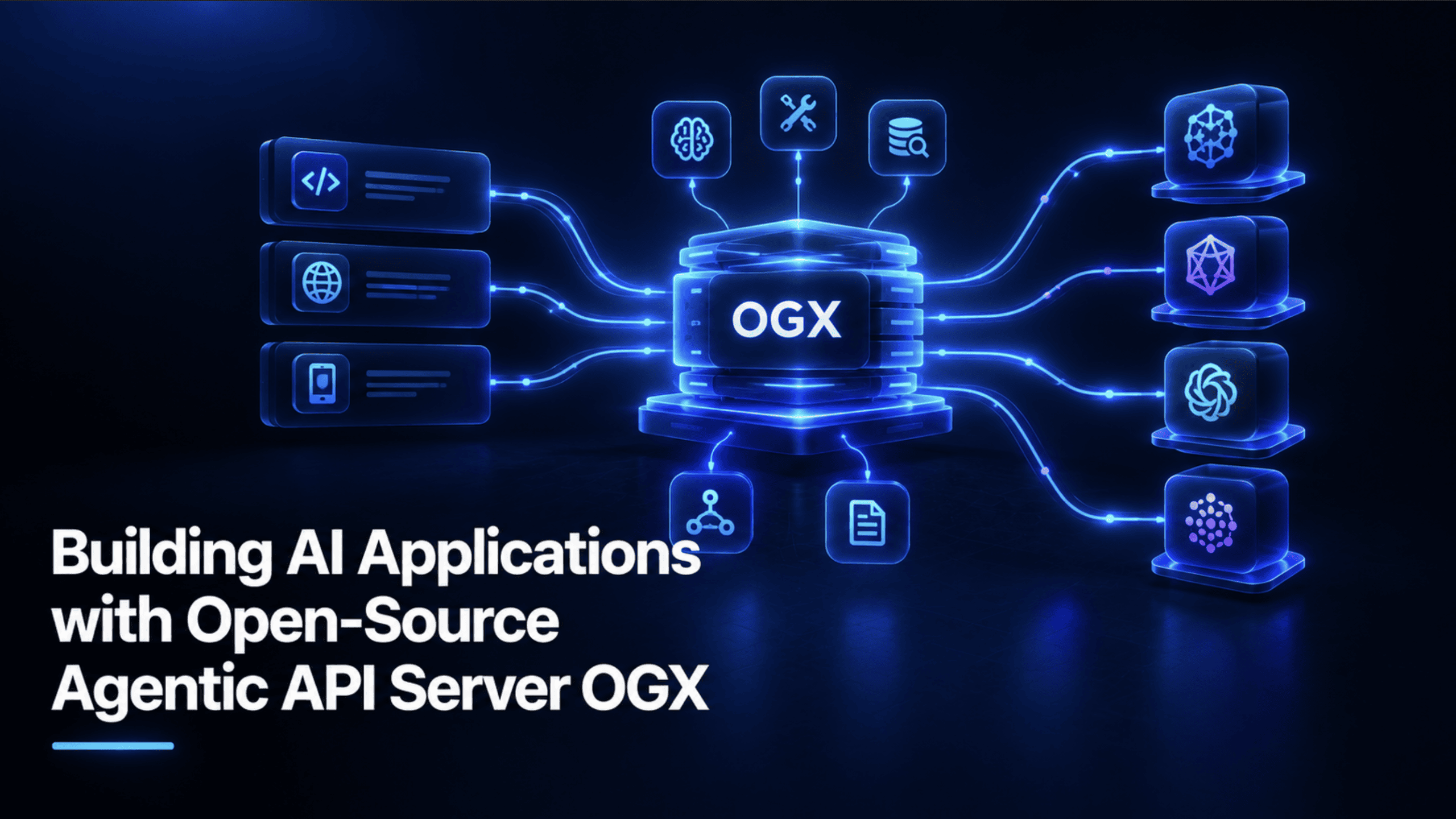
Explore OGX: Build AI apps with any model on your infrastructure
An open-source API server that works with any model on your own infrastructure, OGX is built for teams who want AI flexibility without vendor lock-in. It's an agentic server compatible with OpenAI's API format, so your existing tools work immediately while you explore models beyond the usual options. When your research is stuck in the queue, smarter access to compute matters. OGX gives you that control.

Measuring clutch performance with analytics built for college sports
Measuring clutch performance has long felt more like folklore than fact. NTangible is changing that with an analytics platform built specifically for college sports and club organizations, designed to quantify an athlete's ability to deliver under pressure. This isn't about gut feelings, it's about data that finally captures what happens when the stakes are highest. For a glimpse into how other innovators are rethinking legacy systems, see our coverage of how Cambridge Heavy Industries is quietly building a desktop fusion future.

How Cambridge Heavy Industries is quietly building a desktop fusion future
A laser-powered fusion device small enough to sit on a factory floor is being built by Cambridge Heavy Industries, quietly positioning itself to fuel the coming wave of fusion power plants. This is not a distant promise; it is hardware in development. While factory robots from Industrial Next retrain in minutes for delicate assembly, Cambridge is tackling the bigger energy question. Their approach deserves attention.
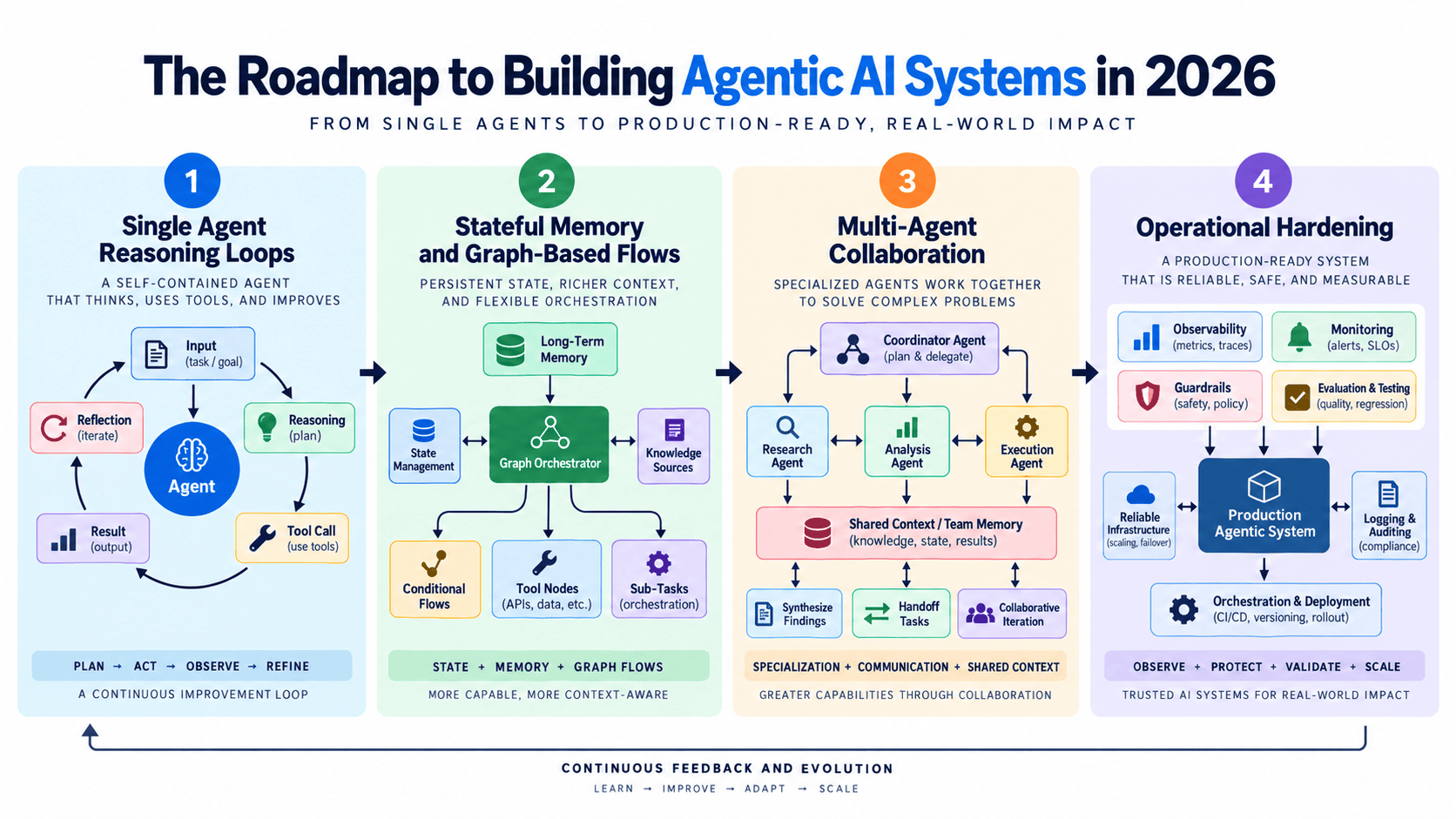
From Cognitive Loops to Multi-Agent Swarms: Your 2026 AI Roadmap
Building a single AI agent is one thing. Scaling it into a coordinated swarm is where the real leap happens. Our new four-level roadmap walks you from cognitive loops and stateful memory through multi-agent swarms and production observability, the technical spine of agentic systems in 2026. Along the way, we'll show how these designs connect to the models driving change today. Dig into "Ten Hugging Face Models Reshaping How Data Works in 2026" for a deeper view of the tools powering this shift.
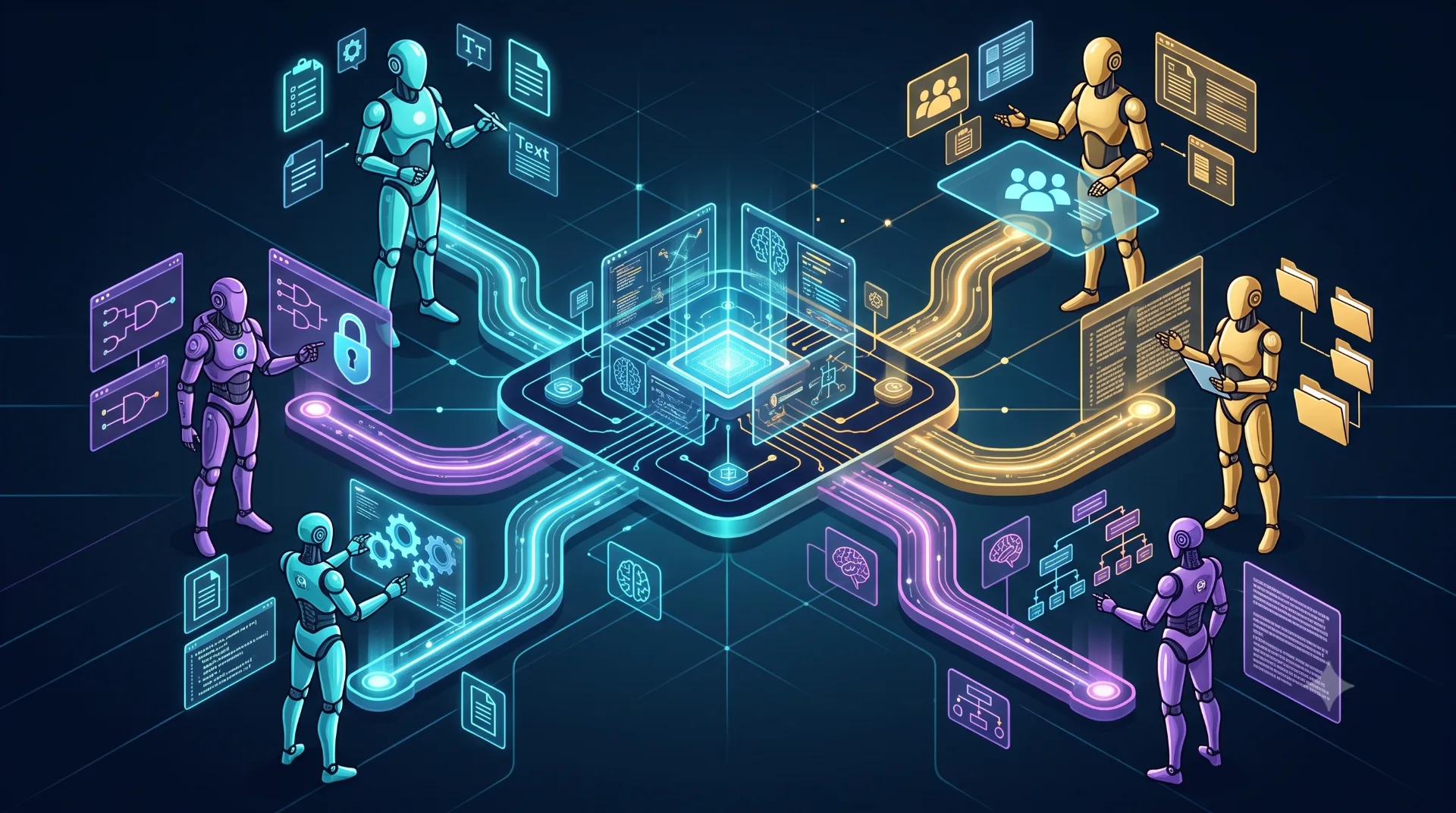
Six Architectural Patterns for Scaling Reliable AI Agents
Reactive loops are fine for demos, but production demands more. This guide walks through six architectural patterns that actually scale, moving beyond basic ReAct into autonomous, reliable systems built for real-world use. It's the kind of practical thinking that turns prototypes into products. For deeper context, our related piece on the hidden instability beneath LLM temperature zero explains why even deterministic settings can fracture after a hundred completions, a problem these architectures are designed to solve.

From ad spend to asset creation, Melius raises $20M to reimagine marketing tools
Melius has raised $20 million to build marketing tools that actually generate creative assets and campaigns, rather than just optimizing ad spend. That's a meaningful reorientation. For too long, marketers have been asked to do more with spreadsheets and dashboards. Melius is betting on creation over management. It's a bet we find compelling. For deeper coverage on how AI is reshaping practical workflows, see our related piece on building Python AI libraries that deliver.
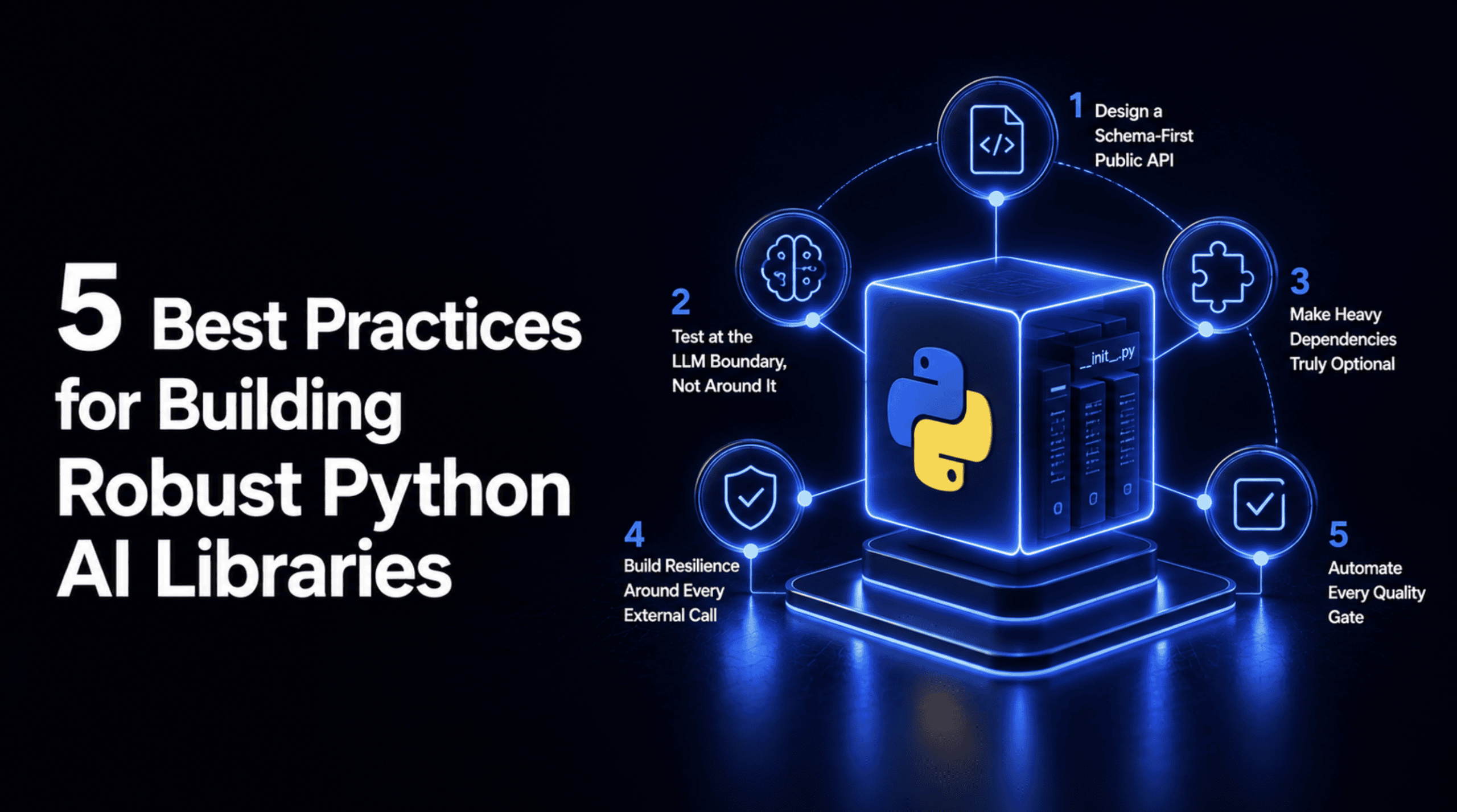
From demo to production: build Python AI libraries that deliver
Building a Python AI library that works in a demo is one thing. Making it survive production is another. This guide cuts through the noise, covering the best practices that separate a polished SDK from a prototype. It's about writing code that delivers real outcomes, not just clever demos. For more on how AI transforms workflows, see our coverage of "Discover how Dots by OpenAI transforms chaotic meetings into clear actions."

Founders weigh open versus closed AI at Disrupt 2026
Founders at Disrupt 2026 are confronting a defining question: open or closed AI? The choice shapes everything from flexibility to control, and there is no universal answer. We examine how builders are navigating this decision, weighing transparency against performance. For deeper context on how startups are earning real traction, explore our coverage of "Five startups earning trust and traction at PearX demo day." Register now to save up to $100 and get a second pass at 50% off.
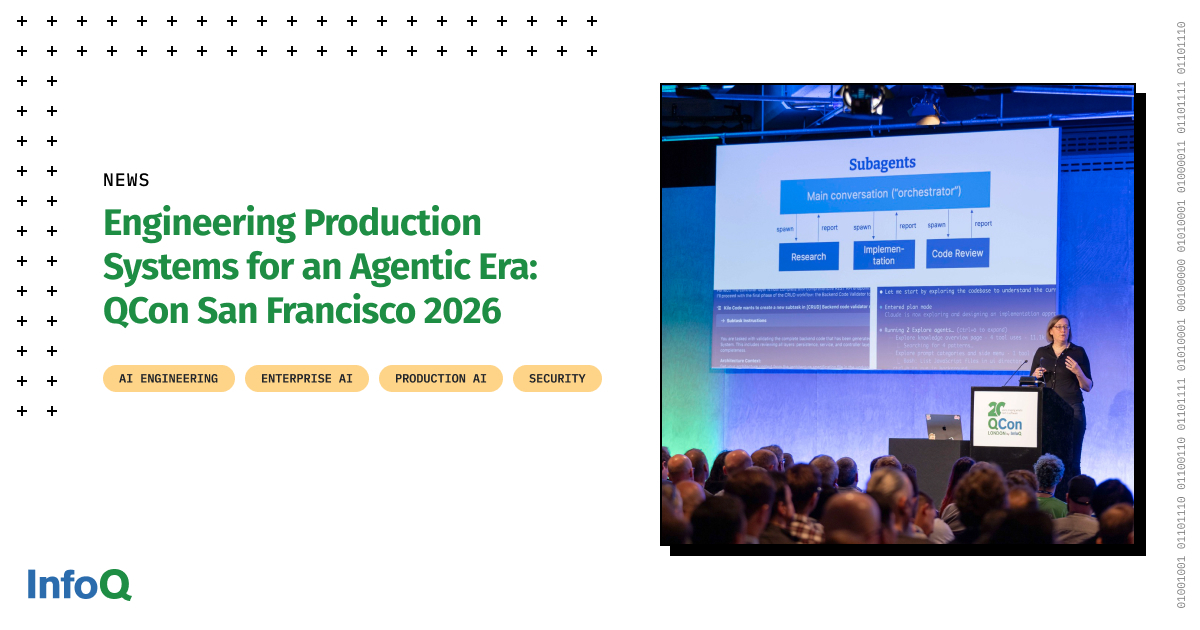
How engineering leaders are shaping production systems for an agentic future
The QCon San Francisco 2026 lineup reads like a blueprint for the next era of engineering. Airbnb, OpenAI, Netflix, and Honeycomb are sending practitioners, not visionaries, to share how they build production systems as AI agents take on more responsibility. This is not theory. It is the messy, practical work of evolving infrastructure under real load. For deeper context on the talent shifts shaping this world, see our coverage of how OpenAI parts with three researchers over data handling concerns.
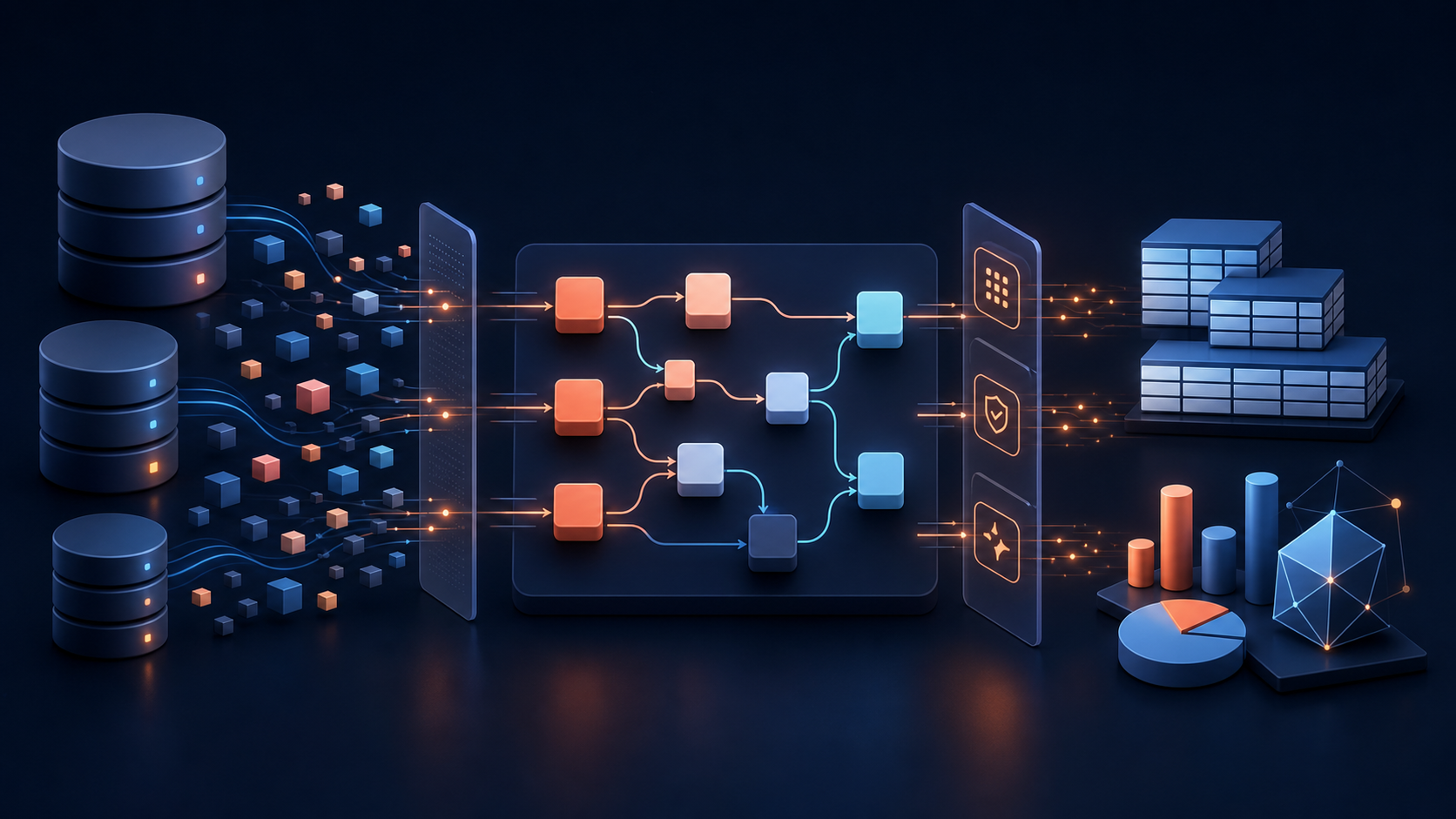
Build smarter data models with SQL transformations you can test and trust
Struggling to keep SQL transformations in sync across your team? That's exactly where dbt steps in. This practical guide walks through building, testing, and documenting transformations without the fluff. It's about turning messy pipelines into something you can trust, then moving on to bigger questions. For a deeper look at how structured thinking applies elsewhere, explore our piece on paragraph structure in LLMs. Start here, and make your data workflow feel genuinely manageable.

Join the team shaping the future of tech events in Boston
Volunteering at TechCrunch Founder Summit in Boston offers a front-row look at what it takes to build a tech event from the ground up. The rebranded gathering, formerly All Stage, lands on November 4th, and we're seeking people curious about the behind-the-scenes work. If that sounds like you, apply to volunteer. It's a hands-on way to connect with the community while the industry converges.
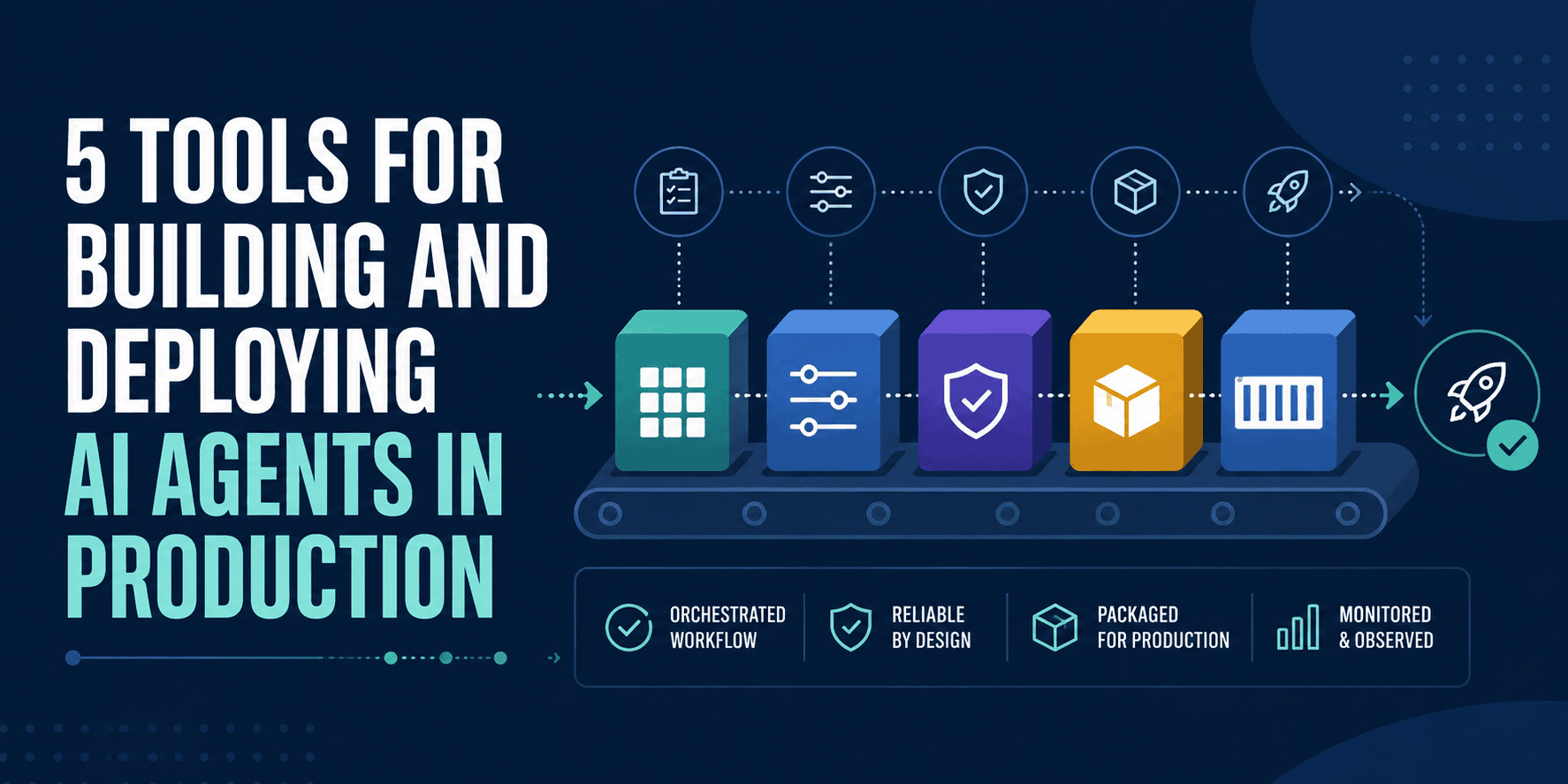
From Agent Logic to Scale: Five Essential Tools for Production AI
Building an AI agent is one thing; running it reliably in production is another. This guide breaks down five tools, each tackling a specific layer of the stack, from shaping the agent's core logic to scaling it under real-world pressure. It's a practical, no-nonsense walkthrough for teams ready to move beyond experimentation. If you're still questioning how much trust to place in these systems, our piece on talking to an AI clone offers a timely counterpoint worth exploring.

5 Principles for Enterprise Agent Systems Built to Earn Trust
A $100M+ company runs on its spreadsheets, and when I built an agent system to handle those workflows, I learned trust isn't a feature, it's the foundation. This post breaks down five principles that decide whether such systems survive production, from verifiability to continuous improvement. It's a grounded look at what actually works. If you're questioning how much to rely on AI outputs, our piece "Verify Your AI's Understanding" pairs well with this. Explore how to build agents people will actually use.

Empower Business Users to Explore Data Without Writing SQL
Most business questions don't need a SQL query, they need a direct answer. This step-by-step guide shows how to build an AI data agent that lets users explore data conversationally, skipping the syntax entirely. It's a practical, human-centered approach to analytics that puts the focus on insight, not commands. If you're curious about the broader implications of talking to AI, "Talking to My AI Clone Taught Me to Question the Tech" offers a thoughtful counterpoint.

A Decade Inside Airbnb: Lessons from Building Its Data Foundation
Ten years after joining Airbnb in early 2016, one insider steps away with a notebook full of reflections. The timing matters: the hyper-growth years are still vivid, and so are the lessons on building a semantic layer that made data work at scale. What stands out is how deliberately Airbnb treated its unique culture, not as a perk, but as infrastructure. For anyone wrestling with data's role in their own organization, this is a candid look at what actually happens behind the scenes.

Building on proven foundations to create smarter AI agents
Classical machine learning is often seen as the quiet workhorse behind flashier AI systems, but it deserves more credit than that. Building AI agents on proven foundations rather than chasing complexity for its own sake is a compelling case. It's a smart, grounded perspective that values reliability over hype. For readers curious about how these ideas connect to larger questions of trust and capability, our related article, "Talking to My AI Clone Taught Me to Question the Tech," offers a thoughtful counterpoint.