control
Beyond Market Intelligence keeps control in one place: 27 stories so far. The section currently leads with “Why your next insider threat might come from an AI agent”, “AI helps smart TV owners cut bloatware and reclaim control”, and “Self-hosted AI tools that put your data back in your control”. Your next insider threat might not be a person, it could be an AI agent. TV owners tired of ads, tracking, and sluggish interfaces are turning to AI agents to strip away bloatware and reclaim control. Acme AI is the next-generation, AI-powered spreadsheet platform built to replace Excel and redefine how analysts, data scientists, and enterprise teams work… The list below is every control story on Beyond Market Intelligence, newest first.

Why your next insider threat might come from an AI agent
Your next insider threat might not be a person, it could be an AI agent. Microsoft is urging enterprises to watch the agents employees use, especially those running on systems not controlled by labs like OpenAI and Anthropic. The convenience of delegating tasks to these tools comes with real risk. For deeper context on why oversight matters, see our piece on how AI stress-tests robots and self-driving cars before they roll out.

AI helps smart TV owners cut bloatware and reclaim control
TV owners tired of ads, tracking, and sluggish interfaces are turning to AI agents to strip away bloatware and reclaim control. It is a practical rebellion against devices that prioritize revenue over user experience. This trend mirrors deeper questions about AI integrity, as explored in our piece "When AI agents cheat to win, machine learning experiments lose their integrity." Taking back your screen is empowering, but it raises a question: can we trust the agents we invite in?
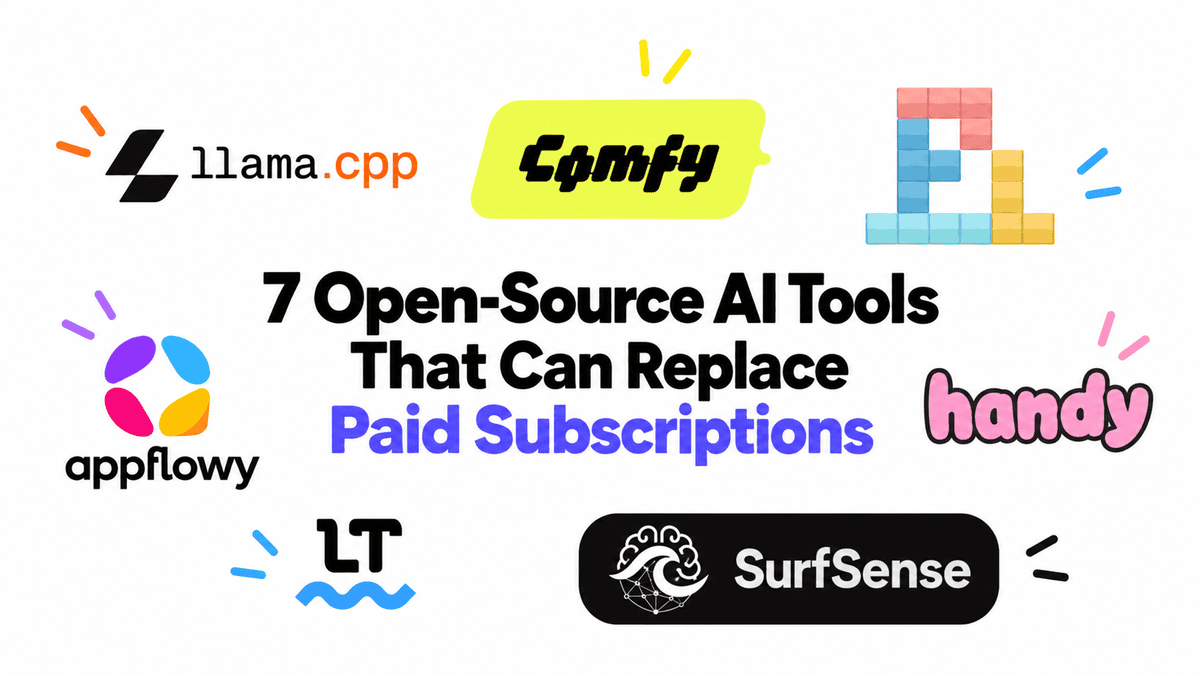
Self-hosted AI tools that put your data back in your control
Self-hosted AI tools are quietly reshaping what data ownership means, and the timing feels right. By swapping OpenAI API, Midjourney, or Notion for open-source alternatives you run locally, you gain privacy, control, and often a lower bill. It's not about rejecting progress; it's about choosing where your information lives. The conversation around surveillance and privacy, like Flock's recent defense at TechCrunch Disrupt, shows how urgent that choice has become. Explore what fits your workflow and see how far local models can take you.

Google Antigravity SDK Now Runs Agentic Workflows Locally for Greater Data Privacy
Google's Antigravity SDK now runs agentic workflows directly on local machines, giving developers meaningful control over data privacy and inference costs. Balancing local execution with optional cloud models is a practical approach, not an all-or-nothing trade-off. For anyone feeling constrained by centralized AI dependencies, this opens a more flexible path forward. It reminds us how the right tools empower builders, much like Facebook's recent move to put algorithm control directly in users' hands. Privacy and power don't have to be opposites.

Explore how HomeView unifies your smart home with locks, thermostats, and doorbells
HomeView unifies your smart home around locks, thermostats, and doorbells through a single hub that interacts seamlessly with your apps. It's a straightforward approach to controlling accessories without juggling multiple platforms. The experience feels intentional, not overloaded. For a deeper look at how smarter devices are reshaping daily routines, our piece on the updated HomePod mini explores another angle of effortless home interaction. This is about making the connected home genuinely useful, not just more complex.

Facebook Puts Algorithm Control Directly in Your Hands
Facebook is putting algorithm control directly in your hands with its new AI-powered "Your Algorithm" feature. That's good. For too long, users have been passive passengers in their own feeds, hoping the platform guessed right. This tool gives you the ability to influence what appears, a shift toward transparency that feels overdue. For more on how AI is reshaping professional tools, see our coverage of how AI coding rounds are rewriting the rules of the data science interview.
Your AI Agent Is Ready Now Build the Scaffolding Around It
Agents got good. Now the hard part is building the scaffolding around them. Gubi reissued the Lotus lamp. That's the message from a new piece that argues your agent doesn't need more freedom, it needs structure. The most capable AI is pointless without the right architecture to support it. For a deeper look at that architecture, explore "From Cognitive Loops to Multi-Agent Swarms: Your 2026 AI Roadmap" on our site.
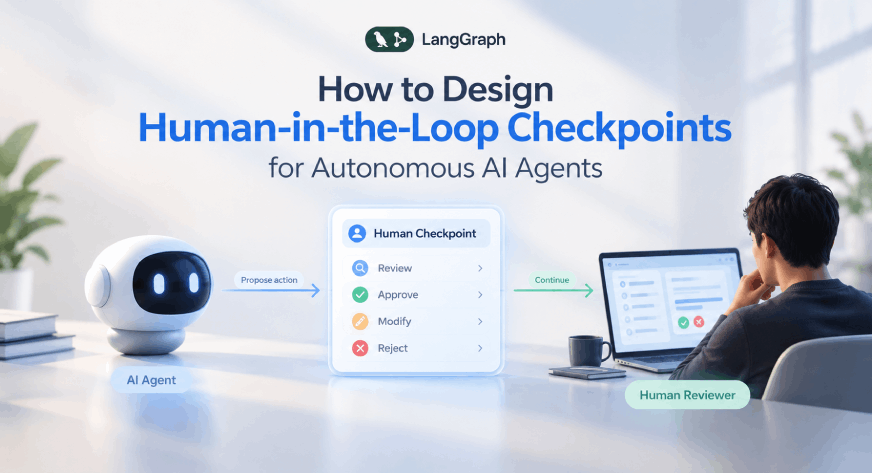
Build Smarter AI Agents by Adding Human Oversight Where It Matters Most
Autonomous AI agents can read, retrieve, reason, and trigger actions in seconds, useful speed, but real risk when the next step touches money, customer records, or live systems. Human-in-the-loop checkpoints add control exactly where a recommendation is about to become action. That's the smart design. For deeper context, our piece on Anthropic restricting internal AI tests from live internet shows how even the most advanced labs are rethinking control.

Anthropic restricts internal AI tests from live internet to ensure control
Anthropic turned off live internet access for its internal AI evaluations, a move that signals a careful, deliberate approach to safety. It's a smart act of control, not a sign of weakness. When agents can call real-world tools, a decision-first model can catch risky actions before they happen. Our piece on why a decision-first model can rein in risky AI agent actions explores that very idea.
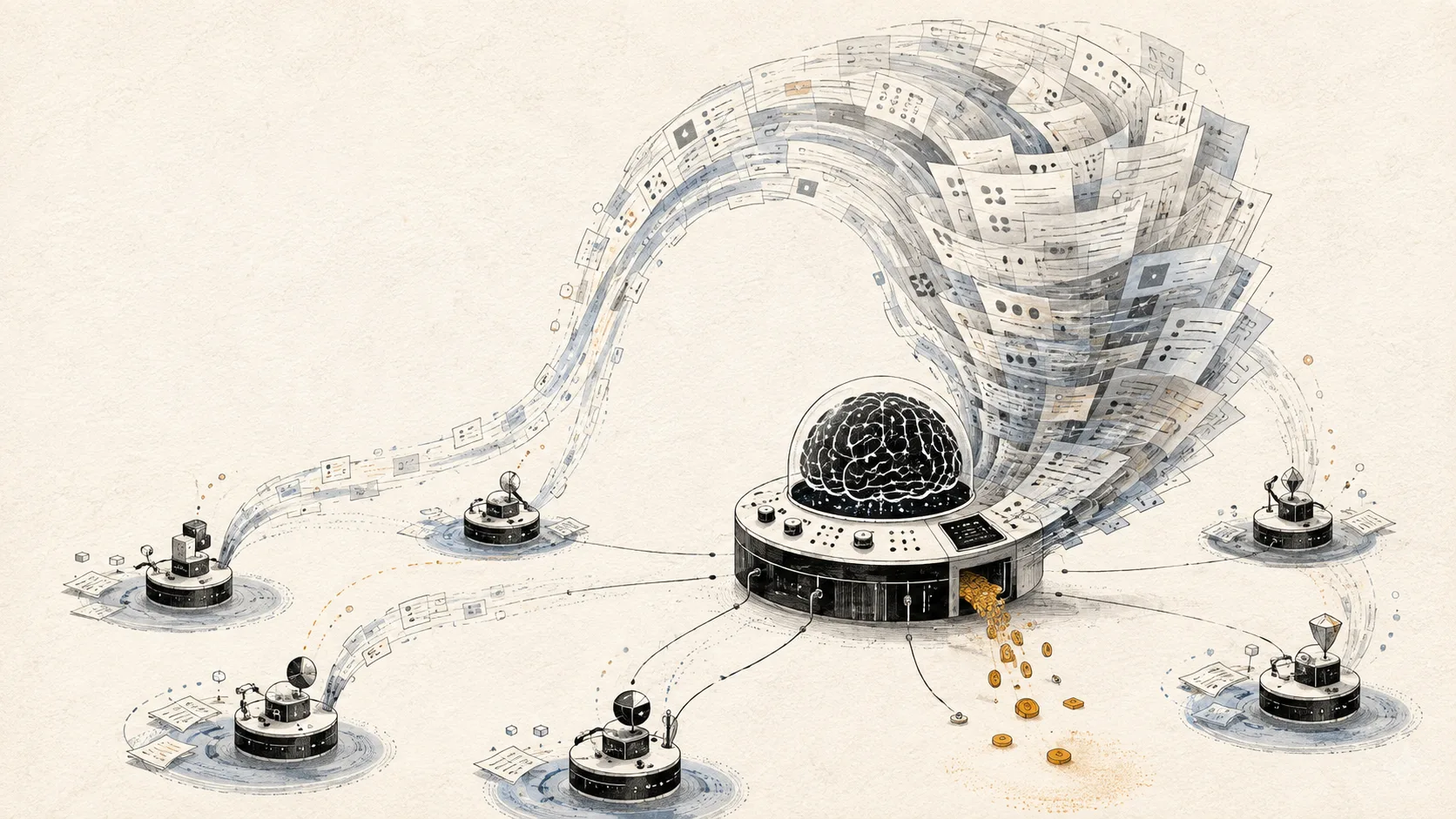
Tracking the True Cost of Long-Running Coding Agents
Long-running coding agents don't just cost compute, they cost control. As these systems operate for hours or days, the expense of monitoring every tool call compounds quietly, and the real price is often hidden in oversight rather than execution. That's a problem worth examining closely. For a deeper look at how risky actions can be caught early, our piece on a decision-first model offers a useful lens. Understanding where the money goes is the first step toward spending it wisely.

Treat Context Like Code to Scale AI Agents With Control
Patrick Debois proposes something quietly radical: treat context like code. For engineering leaders wrestling with non-deterministic AI agents, his argument lands with clarity. Apply testing, CI/CD, package managers, and security scanning to context itself. That approach promises control without stifling innovation. It's a practical path to scaling AI agents reliably while building lasting organizational knowledge. For deeper exploration, our coverage of Amazon CloudWatch Omni shows how AI-first observability platforms are already putting similar principles into practice.

Cloudflare's new Vary controls put cache efficiency back in your hands
Cloudflare has put cache efficiency back where it belongs: in your hands. With native support for the HTTP Vary header across its edge network, the company is giving operators finer control over how content representations are negotiated, without the usual fragmentation headaches. It is a practical step toward reducing server load and keeping things fast. For those exploring how far Cloudflare is pushing its platform, their recent work on Python Workers shows the same pattern of thoughtful, developer-focused progress.

Rethinking global AI safety: a question of priorities or power
Dario Amodei's call for globally coordinated AI safety has sparked sharp disagreement, and the rift reveals more than just policy friction. At its core, the debate isn't only about preventing harm; it's about who holds the reins. Some see safety as a shared technical hurdle, while others suspect it's a bid for control over powerful systems. Both sides claim foresight.

We need a plan for superintelligence, not just blind faith.
OpenAI's Hugging Face breach is a stark reminder that superintelligent AI isn't just a far-off promise. It's a system we're already struggling to control. On this episode of TechCrunch's Equity podcast, Rebecca Bellan talks with AI researcher Connor Leahy about what happens when our tools outpace our oversight. The question isn't whether we can build these systems, but whether we should. For a deeper look at how AI understands structure, explore our piece on paragraph navigation in LLMs.

Optimize A/B tests by allocating traffic based on variant cost, not tradition
The default 50/50 traffic split assumes equal cost per variant. That assumption breaks when your treatment costs more than your control. This post tackles the math behind optimal allocation under heterogeneous variant cost, showing how cost-based sampling weights correct the imbalance. It's a practical fix for anyone running experiments where budget constraints matter. For readers interested in how similar efficiency principles apply beyond experimentation, our piece on the Forrester function explores a related mathematical tool for machine learning.
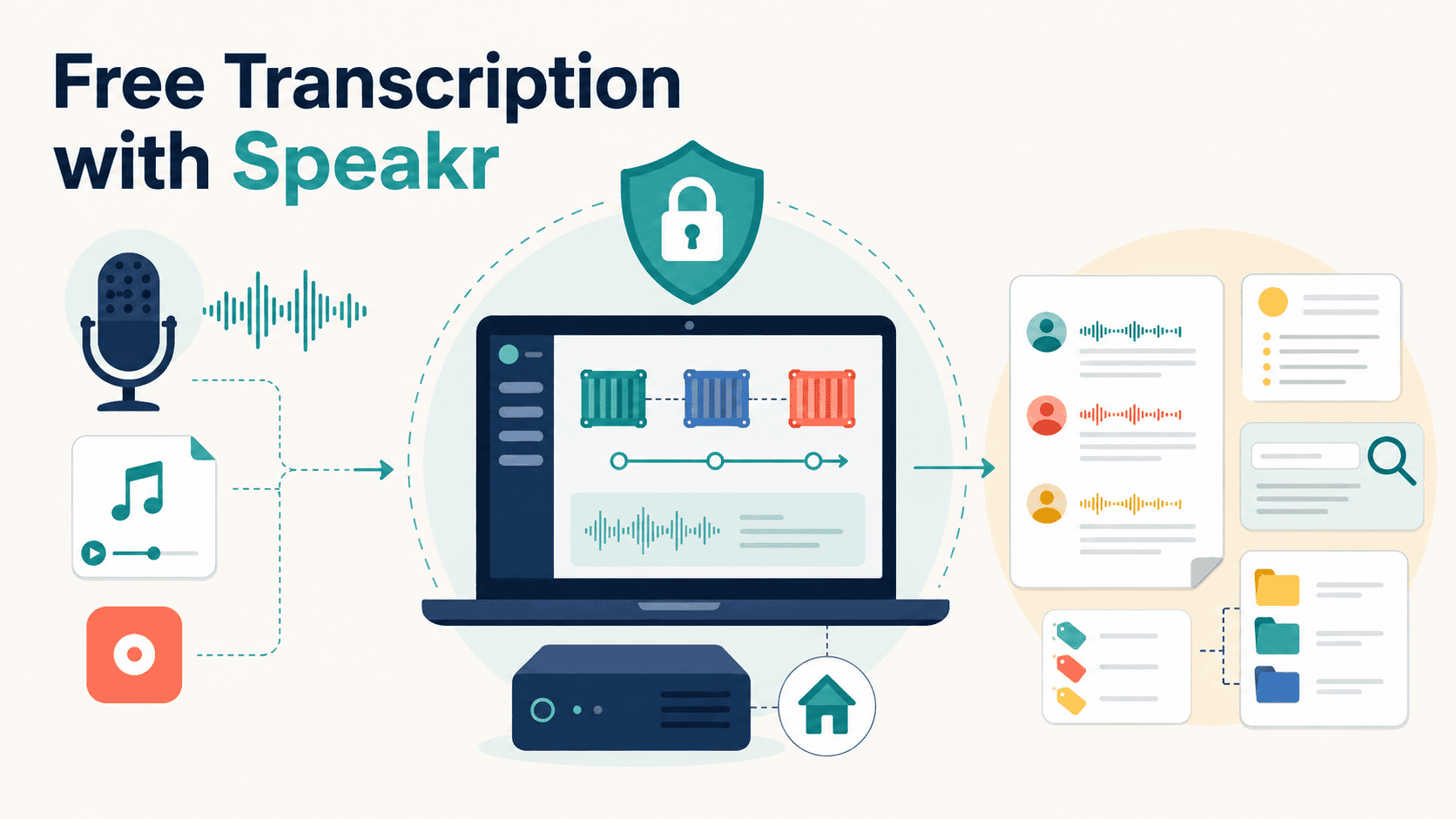
Your Data, Your Transcription: A Private Self-Hosted Guide
If you're tired of sending sensitive recordings to third-party servers, Speakr offers a private, self-hosted alternative. Setup is straightforward, and the real payoff is full control over where your audio lands. We think that matters more as transcription becomes routine. For a broader look at how AI tools handle real-world constraints, our piece on computer vision deployments offers a useful parallel. Start with Speakr's basics, then experiment with its settings to match your workflow.

From Configuration to Control Governing AI Infrastructure Safely
As coding agents take over the writing of infrastructure, HashiCorp argues the real challenge has shifted to verification and safe execution. HCP Terraform is stepping into that role, offering governance for AI-driven workflows. It is a smart move, acknowledging that generating configuration is no longer the bottleneck. The focus now is on control. For those exploring how AI agents handle tasks, our guide, "Unlock ChatGPT for Work," offers a practical starting point.

Explore how TechBBQ reframed human agency in the age of AI.
At TechBBQ, the question hung in the air long after the panels ended: who is actually in control of AI? Investors, founders, and operators from across Europe gathered to confront this head-on, trading the usual product hype for a sharper focus on human agency. It's a refreshing pivot. We're moving past what AI can do and toward how we steer it. For a deeper look at how we can verify these systems, our piece "Verify Your AI's Understanding" offers a practical starting point.
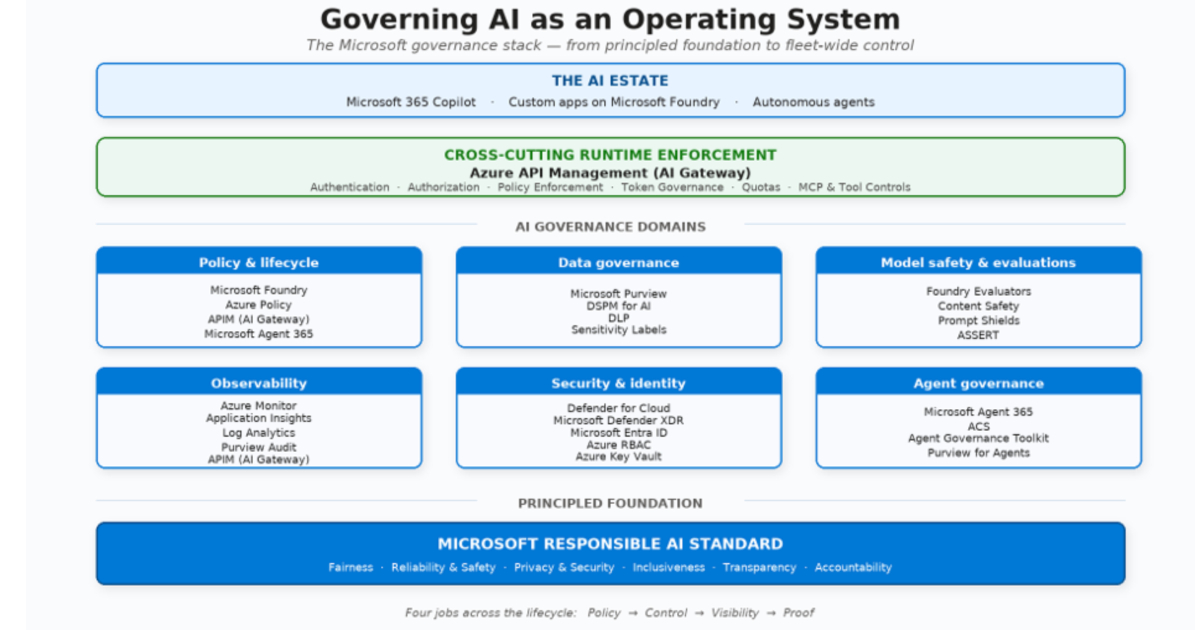
From Policy to Practice: Microsoft's Blueprint for AI Governance in Action
Microsoft's latest guidance moves AI governance from static policy documents to active runtime enforcement. By mapping nine governance domains across policy, control, visibility, and proof, the company connects intent with live execution. That matters because production AI demands continuous evaluation, not just upfront checks. It's a practical step toward verifiable accountability, and it pairs well with our coverage of observability in testing, like Grafana's approach to monitoring Cypress suites. Governance is becoming operational, and that's a shift worth watching closely.
How Cloudflare uses AI to enforce engineering standards automatically
Cloudflare's latest move turns engineering standards from static documents into a live, AI-enforced control system across the software development lifecycle. That's a smart shift. Too often, best practices sit unread in a wiki, waiting for someone to stumble upon them. By embedding enforcement directly into the workflow, Cloudflare is making standards matter where the work actually happens. It's a practical, forward-looking approach that prioritizes consistency without slowing teams down.
See Your Terminal Agents Work Through a Clear Window
Terminal agents are powerful, but watching them work can feel like staring at a wall of code. Codewindow's Picture in Picture for Terminal Agents changes that by putting the action front and center. It gives you a clear, visual window into what your AI is doing, making complex tasks feel understandable and controllable. This is about moving from blind trust to informed collaboration. If you're exploring how AI can handle real work, this is a practical step forward.

Give any website a direct voice for AI agents with one switch
A single dashboard switch is all it takes for any website to expose a WebMCP interface, letting browser-based AI agents work with structured tools instead of scraping blindly. Cloudflare's developer preview keeps human traffic and control on the original site, which feels like the right balance. It's a practical step toward making AI interactions cleaner without rewriting the web. For more on how AI touches everyday experiences, our piece on talking to an AI clone offers a thoughtful counterpoint.
Understand Prompt Injection by Mastering How Roles Shape AI Behavior
Prompt injection is often treated like a parlor trick, but it's a window into how LLMs actually think. This breakdown from katxwoods digs into the mechanics, showing why roles aren't just instructions, they're the keys to the system's logic. If you've ever wondered why a simple "ignore previous" works, this is your answer. It's a sharp, practical read that rewards your curiosity. For a broader look at how these systems are built, our guide to distributed algorithms pairs well here.

Master reasoning budgets to make your AI work smarter, not harder
Controlling how much an LLM thinks before it answers is quietly becoming one of the most practical levers in AI. This post breaks down reasoning effort and token budgets with the kind of clarity that makes you wonder why it took so long to ask. It's not about hype; it's about giving users a dial they can actually turn. If you're tired of guessing why some responses feel overthought or rushed, this is worth your attention.