large dataset processing
Beyond Market Intelligence keeps large dataset processing in one place: 87 stories so far. The section currently leads with “Mistral Workflows turns AI experiments into revenue-generating operations.”, “Taming the unpredictable: A practical guide to testing AI's variability”, and “From First Prompt to Production AI in Under a Year”. Mistral AI has unveiled Workflows, a powerful orchestration engine designed to elevate AI systems from mere proofs of concept to integral business processes. In the realm of enterprise AI, monitoring large language model (LLM) behavior is critical to ensure reliability and compliance. Acme AI is the next-generation, AI-powered spreadsheet platform built to replace Excel and redefine how analysts, data scientists, and enterprise teams work… The list below is every large dataset processing story on Beyond Market Intelligence, newest first.

Mistral Workflows turns AI experiments into revenue-generating operations.
Mistral AI has unveiled Workflows, a powerful orchestration engine designed to elevate AI systems from mere proofs of concept to integral business processes. Operating within Mistral's Studio platform, Workflows already processes millions of daily executions, addressing critical gaps in operational infrastructure that hinder AI adoption. By separating orchestration from execution, it ensures data privacy and reliability, particularly for regulated industries.

Taming the unpredictable: A practical guide to testing AI's variability
In the realm of enterprise AI, monitoring large language model (LLM) behavior is critical to ensure reliability and compliance. Unlike traditional software, which operates predictably, generative AI presents unique challenges due to its stochastic nature. This guide introduces the AI Evaluation Stack, a structured framework for assessing model performance through deterministic and model-based assertions. By implementing robust evaluation pipelines, engineers can effectively identify drifts, retries, and refusal patterns, ultimately transforming the development process and enhancing user experiences.

From First Prompt to Production AI in Under a Year
This comprehensive roadmap outlines the essential skills you need to acquire, such as Python, LLM APIs, RAG, and agents, presented in a logical learning sequence. With a realistic timeline of 8 to 12 months to transition from your first LLM prompt to deploying production AI systems, you'll also discover current salary expectations ranging from $130K to $250K+, depending on your experience.

OpenAI's Privacy Filter keeps sensitive data local before it reaches the cloud.
OpenAI has launched Privacy Filter, an open-source model designed for on-device data sanitization, effectively addressing the challenge of protecting personally identifiable information (PII) in enterprise datasets. This innovative tool, available on Hugging Face under an Apache 2.0 license, empowers developers to run a sophisticated 1.5-billion-parameter model locally, ensuring compliance with privacy regulations while mitigating the risk of data leakage. With its bidirectional token classification and high throughput capabilities, Privacy Filter represents a significant step toward safer data management in an increasingly privacy-focused digital landscape.

The enforcement gap that lets rogue AI agents slip past identity checks.
A recent VentureBeat survey reveals that most enterprises are ill-equipped to counteract stage-three AI agent threats. Incidents at Meta and Mercor highlight vulnerabilities stemming from a common structural gap: insufficient monitoring and enforcement. The survey of 108 qualified enterprises indicates that many believe their security policies are robust, yet 88% reported AI security incidents in the past year. With only 21% achieving runtime visibility into agent actions, the pressing need for proactive isolation and comprehensive security measures has never been clearer.

Smart AI budgeting: Balancing training spend with inference-time scaling.
In the evolving landscape of AI, optimizing both training and inference costs is crucial for effective deployment. Researchers from the University of Wisconsin-Madison and Stanford University have introduced Train-to-Test (T2) scaling laws, a groundbreaking framework that jointly optimizes model size, training data volume, and inference samples. This approach demonstrates that smaller, overtrained models can outperform larger ones while managing costs effectively. By integrating T2 scaling, developers can enhance reasoning capabilities without relying solely on massive budgets, paving the way for more accessible AI solutions.

The jagged frontier: Why AI reliability is the next enterprise hurdle
According to Stanford HAI's ninth annual AI Index report, frontier models are struggling, failing in about one in three production attempts, a gap that poses significant challenges for IT leaders in 2026. This phenomenon, dubbed the "jagged frontier," highlights the disparity between AI capabilities and reliability. Despite impressive improvements in benchmarks, such as a 30% gain on Humanity's Last Exam, models still falter in basic tasks, underscoring the urgent need for better transparency and more effective evaluation methods in AI deployment.

The local AI blind spot demands a new CISO data security strategy.
In a rapidly evolving landscape, the traditional CISO playbook for generative AI is becoming obsolete. As developers increasingly run large language models (LLMs) locally, the risks shift from data exfiltration to unmonitored inference on devices. This emerging trend—dubbed Shadow AI 2.0—poses significant challenges, as security teams struggle to maintain visibility and control over local operations. The focus now must shift to managing model artifacts, ensuring compliance, and maintaining data integrity at the endpoint, all while fostering an environment that encourages innovation and productivity.

Open source AI accelerates as GLM-5.1 brings capable coding to everyone.
Today marks a significant milestone in artificial intelligence as Z.ai unveils GLM-5.1, an open-source large language model designed for eight-hour autonomous tasks. This model outperforms competitors like Opus 4.6 and GPT-5.4 on SWE-Bench Pro, showcasing its advanced capabilities in coding and engineering tasks. Released under a permissive MIT License, GLM-5.1 empowers enterprises to customize and utilize its features for commercial applications. As China re-emerges in the open-source AI landscape, GLM-5.1 positions Z.ai as a leader in

From Shadow Data to Sight: Closing the Data Awareness Gap
Data security is a critical yet often overlooked aspect of enterprise cybersecurity, with a staggering 35% of breaches in 2025 linked to unmanaged data sources. To close the maturity gap in data security, organizations must embed protection throughout the data lifecycle, prioritizing visibility and understanding. By treating data security as a foundational element of operational discipline, businesses can implement scalable, automated protections that align with clear policies.

Nvidia's open-source toolkit puts enterprise AI agents within reach.
At GTC 2026, Nvidia CEO Jensen Huang unveiled the Agent Toolkit, an open-source platform designed to build autonomous AI agents, backed by 17 major enterprise software companies including Adobe, Salesforce, and SAP. This toolkit streamlines the complexities of deploying AI agents by providing essential components like optimized models, runtime environments, and security frameworks. As these industry leaders commit to Nvidia's shared foundation, the landscape of enterprise AI is set to transform, positioning Nvidia as a pivotal player in this next phase of technological evolution.
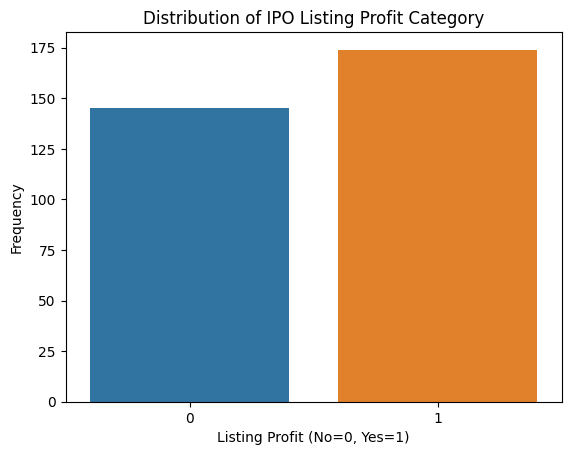
Forecasting IPO Listing Day Moves with Accessible Machine Learning
In the dynamic world of initial public offerings (IPOs), predicting listing gains is crucial for investment firms managing multiple listings annually. Speculation abounds as companies set their initial prices, but the market's verdict on listing day can significantly impact capital allocation. This project tutorial explores how to leverage TensorFlow to forecast IPO performance, turning uncertainty into informed decision-making. By harnessing advanced machine learning techniques, you can enhance your investment strategies, minimize costly miscalculations, and fully capitalize on market opportunities.
Finding the hidden backdoor: a practical path through the dormant LLM challenge.
In "Solving the Jane Street Dormant LLM Challenge: A Systematic Approach to Backdoor Discovery," Adam Kruger presents a detailed exploration of uncovering behavioral transformations within three LLMs. Initially misled by the expectation of traditional flags, the team pivoted their strategy to observe profound shifts in model behavior triggered by specific inputs. This innovative approach not only led to successfully solving all models but also revealed a universal behavioral flag across them.

Smarter attention, faster inference: IndexCache cuts redundant work in AI models
Introducing **IndexCache**, a groundbreaking sparse attention optimizer designed to enhance the efficiency of long-context AI models. Developed by researchers at Tsinghua University and Z.ai, IndexCache accelerates inference by up to 1.82 times, significantly reducing computational costs associated with processing large token sequences. By intelligently caching indices across transformer layers, this innovative technique addresses the inherent inefficiencies of self-attention mechanisms. The result is a streamlined performance for enterprise applications, ensuring faster user experiences without sacrificing output quality.
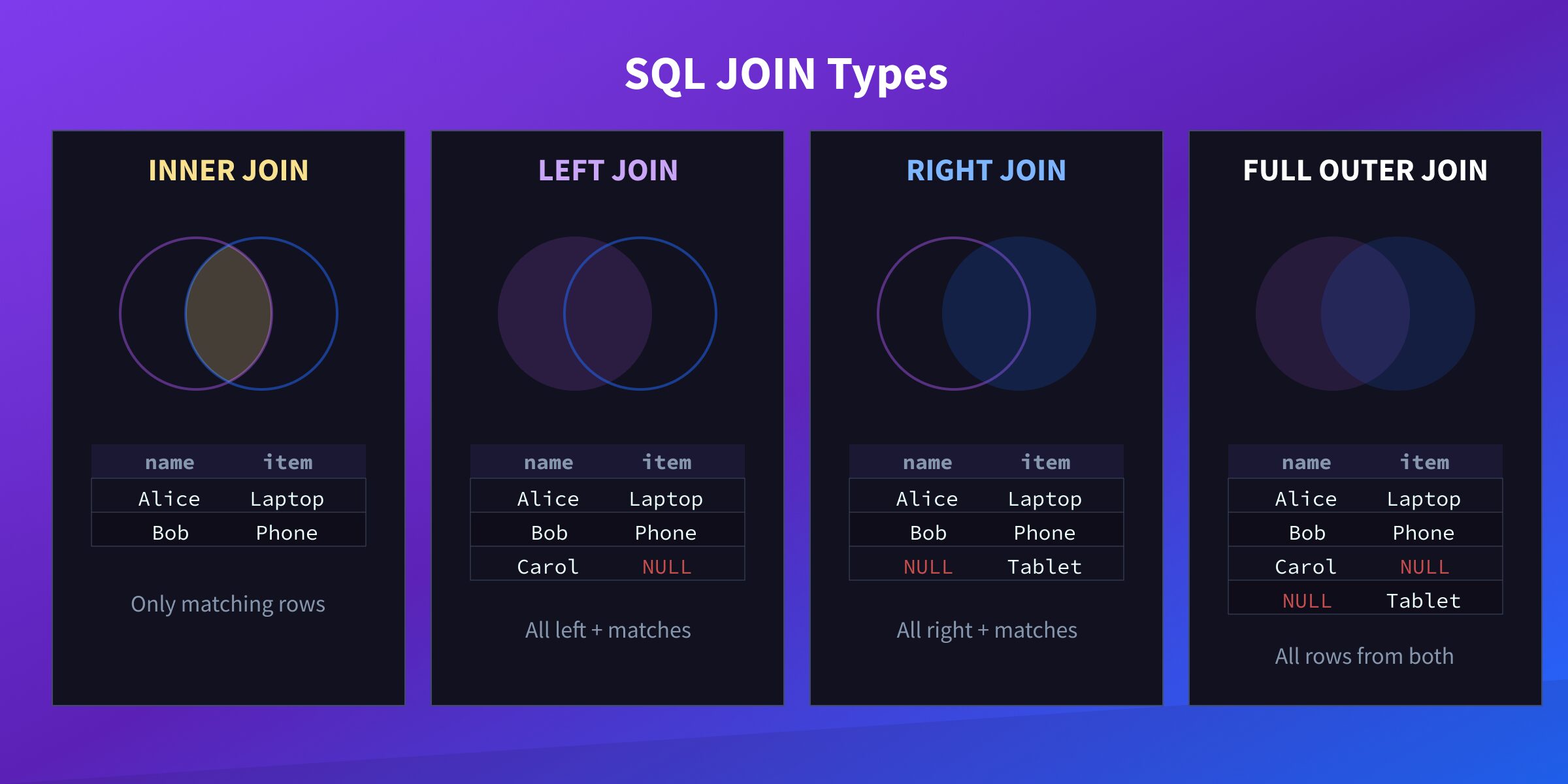
Master SQL Interviews With 60 Questions Designed for Data Roles
Preparing for SQL interview questions is a smart move for any aspiring data professional. Given that SQL is required in 90% of data analyst job postings, mastering this skill can significantly enhance your employability. This guide features 60 carefully curated SQL interview questions, ranging from beginner to advanced levels, to help you build confidence and expertise. Whether you’re just starting your journey or looking to refine your knowledge, these questions will equip you with the insights needed to excel in your next interview.

AI memory accelerates eightfold, making long-form data work faster and more affordable
Google's new TurboQuant algorithm represents a significant advancement in AI memory efficiency, enhancing performance by up to 8x while slashing costs by more than 50%. As Large Language Models grapple with the challenges of the Key-Value cache bottleneck, TurboQuant offers a breakthrough in memory compression, enabling seamless processing of long-form tasks without compromising model integrity.
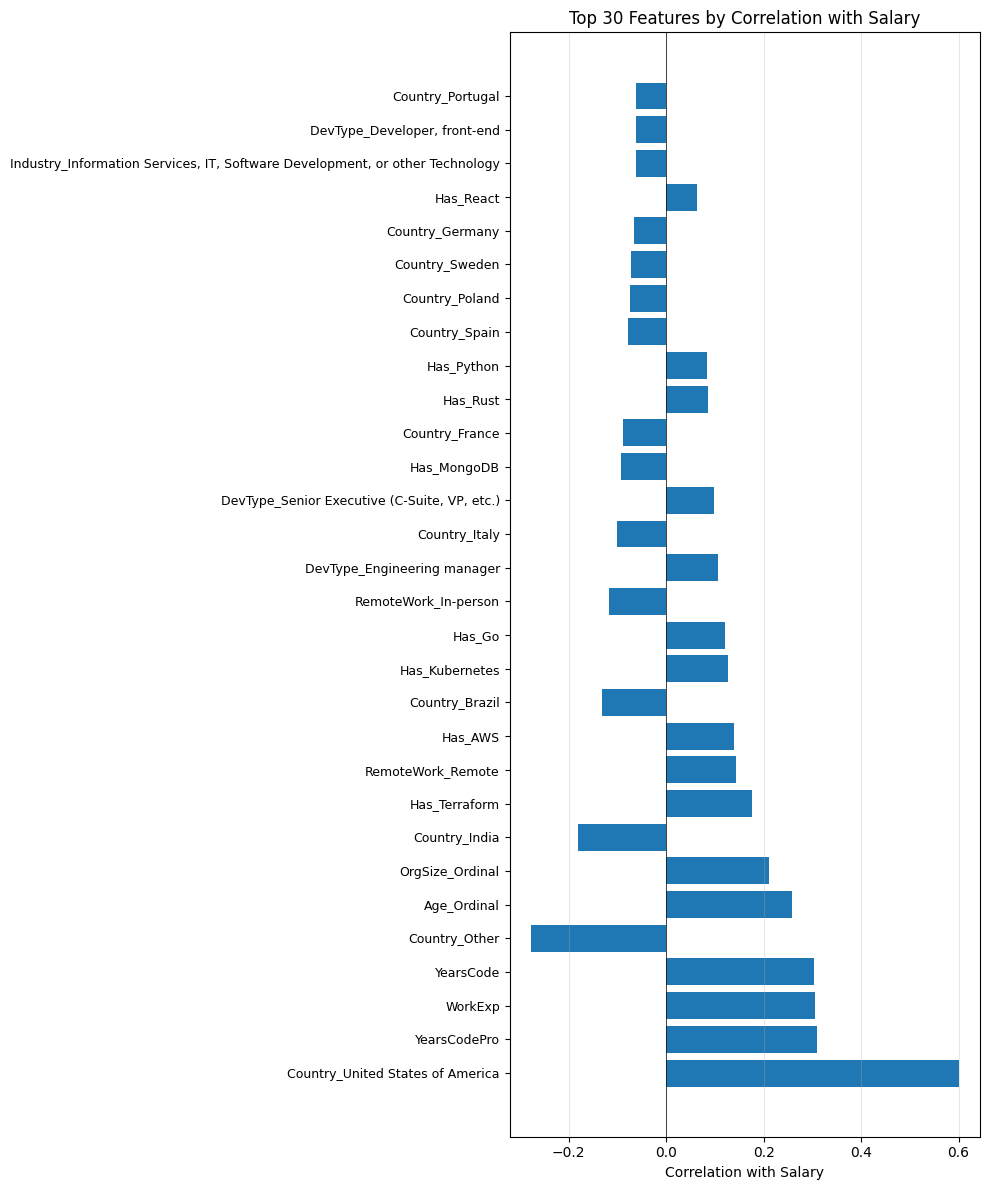
From Messy Survey Data to a Predictive Salary Model in Two Steps
In Part 2 of our tutorial series on predicting tech salaries with machine learning, we build upon the clean, fully numeric dataset created from the 2023 Stack Overflow Developer Survey. With 75 features and nearly 15,000 rows, we are well-equipped to dive into model development. This segment will guide you through selecting the right algorithms, evaluating performance, and refining predictions. Join us as we transform data insights into actionable salary forecasts, empowering you to navigate the evolving tech landscape with confidence.

When an AI agent approves a contract at 2 a.m., who's accountable?
In the rapidly evolving landscape of autonomous agents, the stakes have never been higher. After 18 months of building production AI systems, we’ve learned that the challenge isn’t just about creating agents that respond accurately; it’s about ensuring they operate reliably and safely. A misstep—like an agent mistakenly approving a major vendor contract—can have serious consequences. This exploration delves into the complexities of engineering reliable autonomous agents, emphasizing the importance of guardrails, layered reliability, and the balance between innovation and caution in this transformative field.
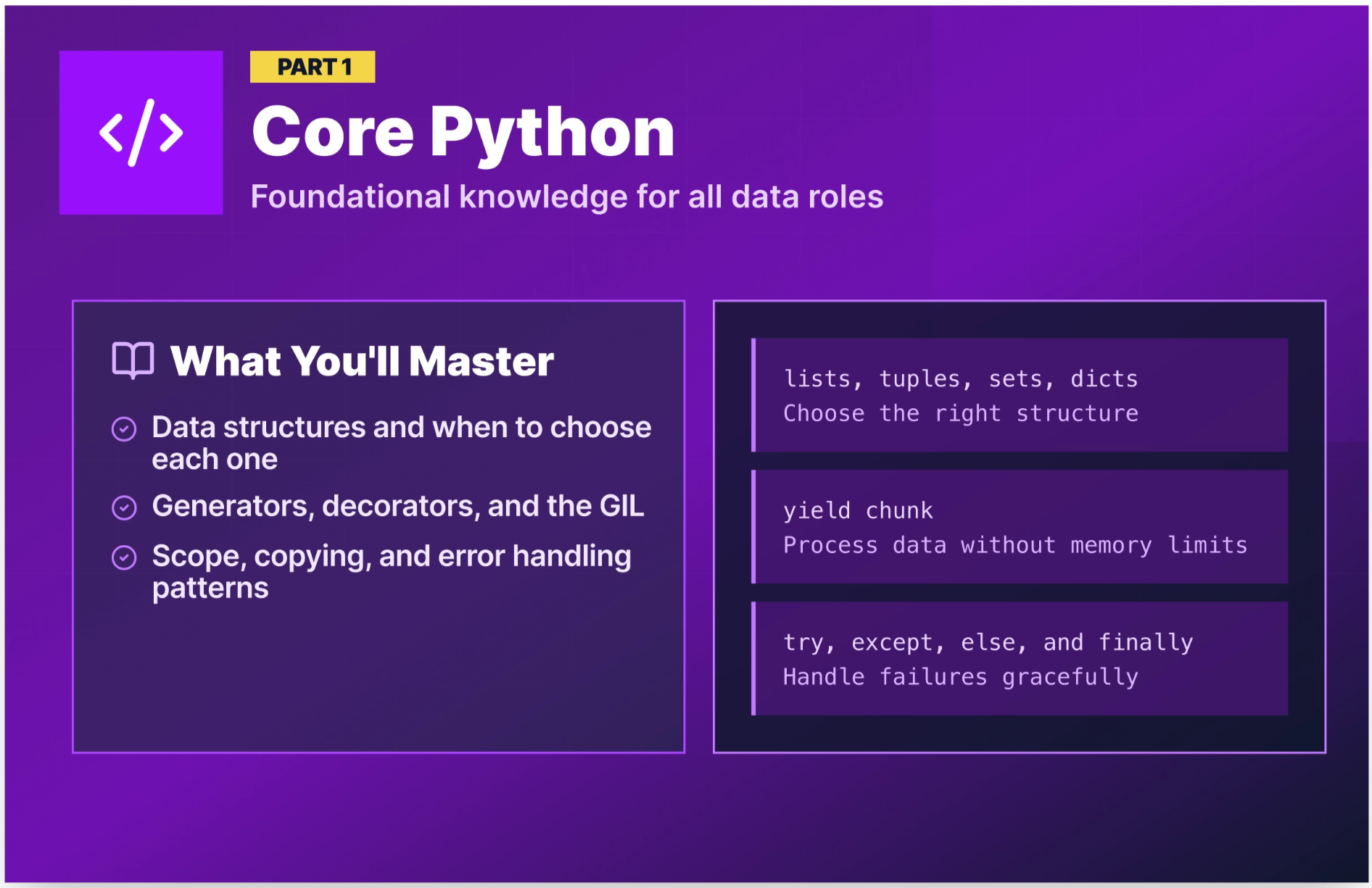
Ace Your Data Role Interview with Python Questions That Test Real Skills
Prepare to elevate your data role interviews with our comprehensive guide featuring over 40 Python interview questions and answers tailored specifically for data positions. Each question comes complete with a practical code example, a clear explanation of the underlying concept, and insights into what interviewers are truly assessing. Organized by role, this resource helps you concentrate your study efforts where they will be most impactful. With Python's prominence in data science and analytics, mastering these questions will empower you to showcase your skills confidently.
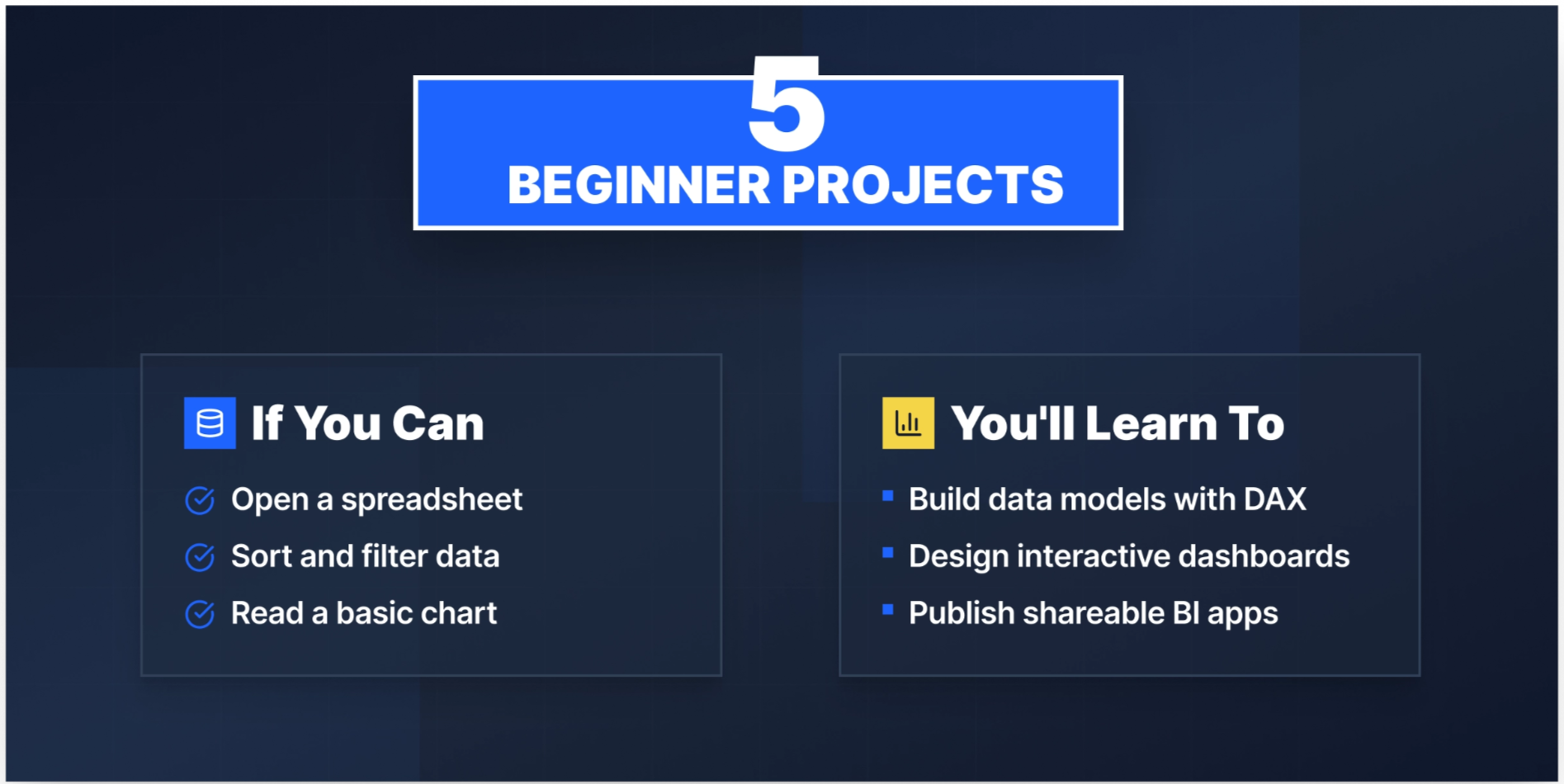
Transform Your Data Portfolio with These 15 Power BI Project Ideas
Building a robust Power BI portfolio is essential for aspiring business or data analysts in 2026. Employers seek candidates who can transform messy data into clean models and create impactful dashboards that drive informed decision-making. 15 compelling Power BI project ideas will not only showcase your technical prowess but also demonstrate your ability to derive actionable insights from data. These projects serve as tangible evidence of your skills, empowering you to stand out in a competitive job market.
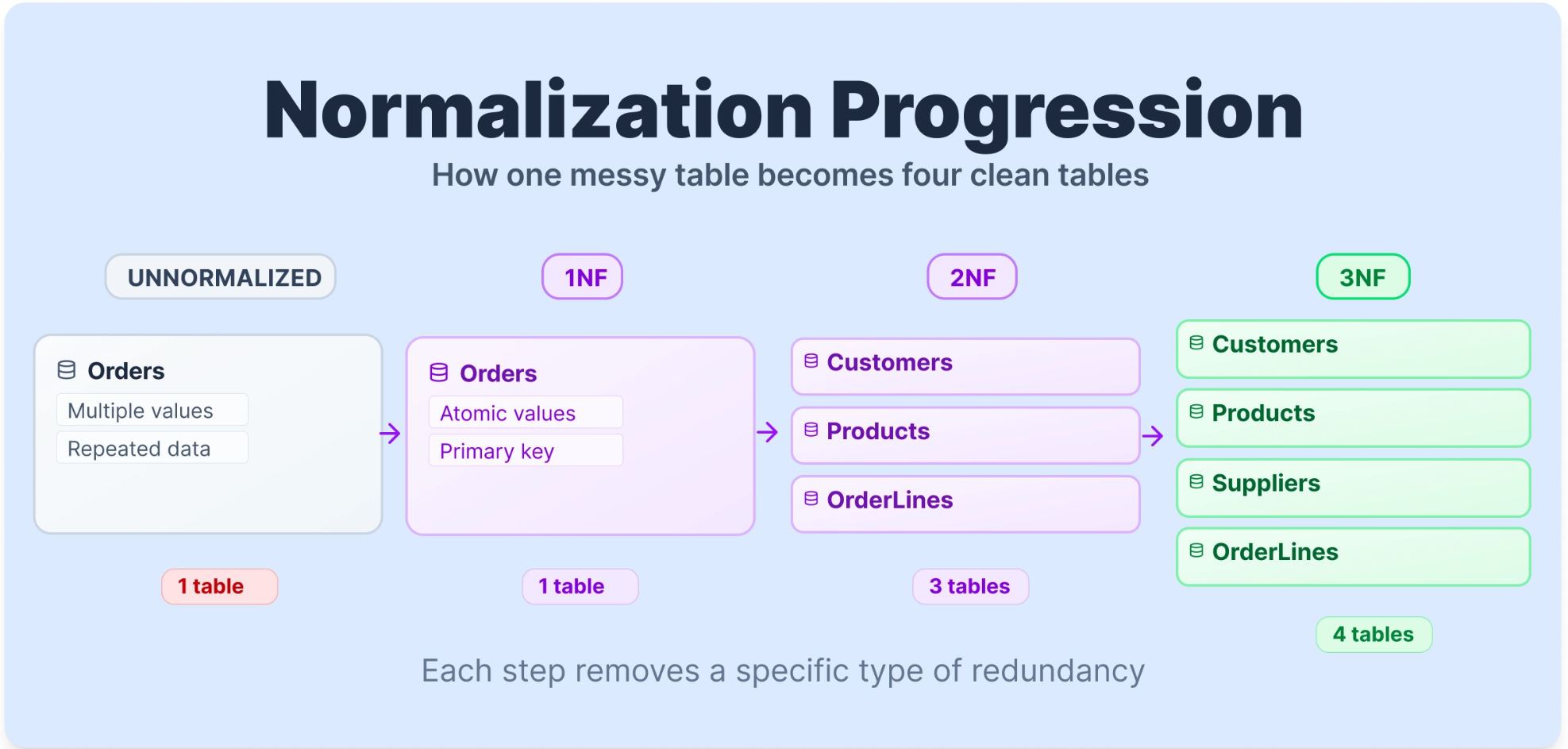
Normalize your SQL data without the confusion of textbook definitions.
SQL normalization is a fundamental concept crucial for efficient database design, yet it often confuses beginners. This guide will demystify the process, breaking down the four normal forms: 1NF, 2NF, 3NF, and BCNF. If you’ve encountered normalization in coursework, job interviews, or code reviews and found the explanations lacking, you’re not alone. By exploring practical examples, such as a customer orders table, we’ll clarify how normalization enhances data integrity and reduces redundancy, empowering you to apply these principles with confidence in your projects.
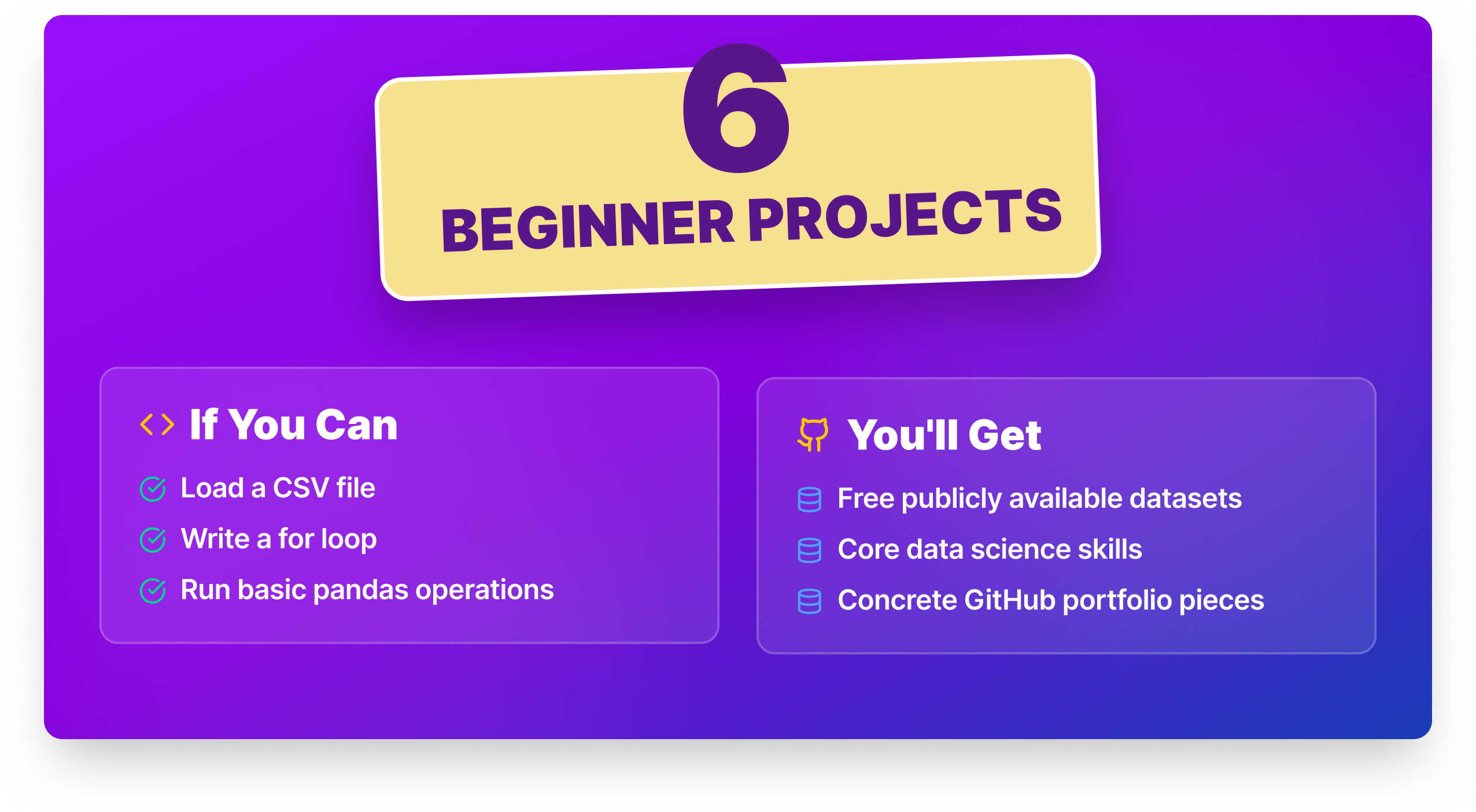
30 real data projects to build a portfolio that speaks for itself
Building a strong data science portfolio is essential for showcasing your skills and standing out to potential employers. "30 Data Science Projects for Beginners to Advanced" provides an invaluable resource, offering a curated list of projects that span various skill levels. Each project includes source code, real datasets, and step-by-step instructions to guide you through completion.

Find a coding platform that adapts to your pace and your goals
In a world overflowing with coding platforms, finding the right fit for your learning style, goals, and budget can be a daunting task. While many platforms promise to teach you how to code, the true challenge lies in discovering one that aligns with your unique needs from the outset. This curated list of 24 Codecademy alternatives for 2026 empowers you to explore diverse options, ensuring you invest your time wisely in building essential skills rather than starting anew.
Automate daily report merging to reclaim hours for analysis.
Are you struggling to merge large Excel reports automatically? If you're dealing with financial and operational data generated daily, the task of manually combining multiple reports can be daunting and time-consuming. Even tools like Power Query may fall short when handling thousands of rows across numerous files. Fortunately, there are more efficient approaches to streamline this process. By exploring automation tools designed to effortlessly pull and merge your reports into a structured dataset, you can reclaim valuable time and enhance your data analysis capabilities.