LLM
LLM at Beyond Market Intelligence is a file of 161 stories. The newest of them: “Exploring how KV cache transforms LLM inference into an interactive runtime”, “OpenAI's GPT-6 Astra Does More Than Just Answer Questions”, and “Discover how AI turns code into a film in under a minute.”. Most LLM agents feel reactive because they move token by token, pausing for the model to catch up. OpenAI's GPT-6 Astra arrives barely a week after Anthropic's Claude Fable 5.1, yet its claim is bolder than a release date. Acme AI is the next-generation, AI-powered spreadsheet platform built to replace Excel and redefine how analysts, data scientists, and enterprise teams work… The list below is every LLM story on Beyond Market Intelligence, newest first.
Exploring how KV cache transforms LLM inference into an interactive runtime
Most LLM agents feel reactive because they move token by token, pausing for the model to catch up. Our team has been exploring a different path: modifying the model's inference state, the KV cache, to make it a true runtime. This approach, outlined in a post by our researchers, powers more interactive systems. We see this as a key axis for agent capability, sitting between costly model changes and abstract harnesses.
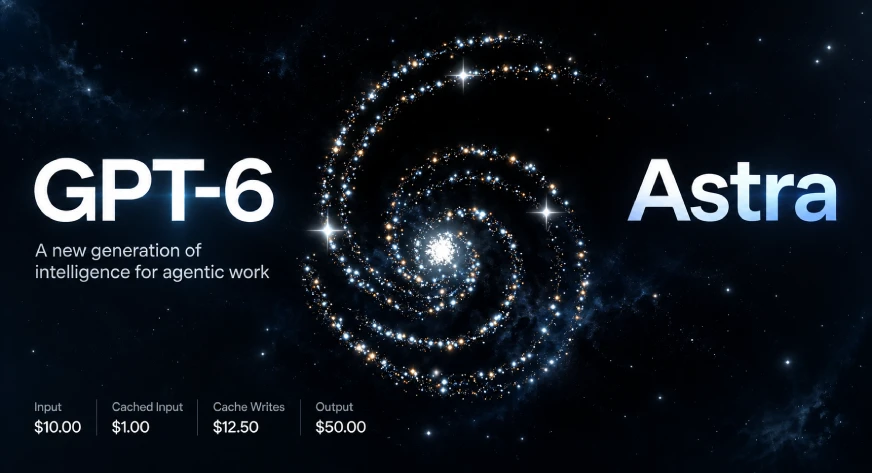
OpenAI's GPT-6 Astra Does More Than Just Answer Questions
OpenAI's GPT-6 Astra arrives barely a week after Anthropic's Claude Fable 5.1, yet its claim is bolder than a release date. OpenAI calls it the world's most intelligent and aligned model, but the real shift is simpler: Astra is built to do more, not just answer more. That distinction matters if you're tired of tools that talk well but act limited. For deeper context on how models handle real-world tasks, our piece on computer vision deployments pairs well here.
Discover how AI turns code into a film in under a minute.
A 37-second film is a tight constraint, and Claude Fable 5.1 is making waves by turning a code challenge into a miniature cinematic moment. It's a clever stress test, one that shows how far AI has come in handling creative, time-bound tasks. We're watching a shift in what's possible, and it's worth exploring how these models handle pressure. If you're curious about the mechanics behind such feats, our guide on distributed algorithms offers a solid foundation.

Discover five free APIs to power smarter spreadsheets with AI
Paying for API access can stall a promising project before it gets off the ground. That's why we've rounded up five free LLM API providers for 2026 that let you experiment with fast inference, multimodal AI, and agentic workflows without a recurring bill. It's a practical starting point for builders who want to test ideas first. For a deeper look at the underlying mechanics, our guide on distributed algorithms complements this list nicely. Explore these options and see which provider fits your next build.

Shopify's Gisting Technique Compresses AI Prompts for Faster Inference
Shopify's engineering team has introduced gisting, a technique that compresses long LLM prompts into a smaller set of learned tokens. The result? Better throughput and lower inference costs without sacrificing performance. That's a practical step toward making AI more accessible, especially for teams wrestling with unwieldy system prompts. We see this as a meaningful move for developers who want efficiency without complexity.
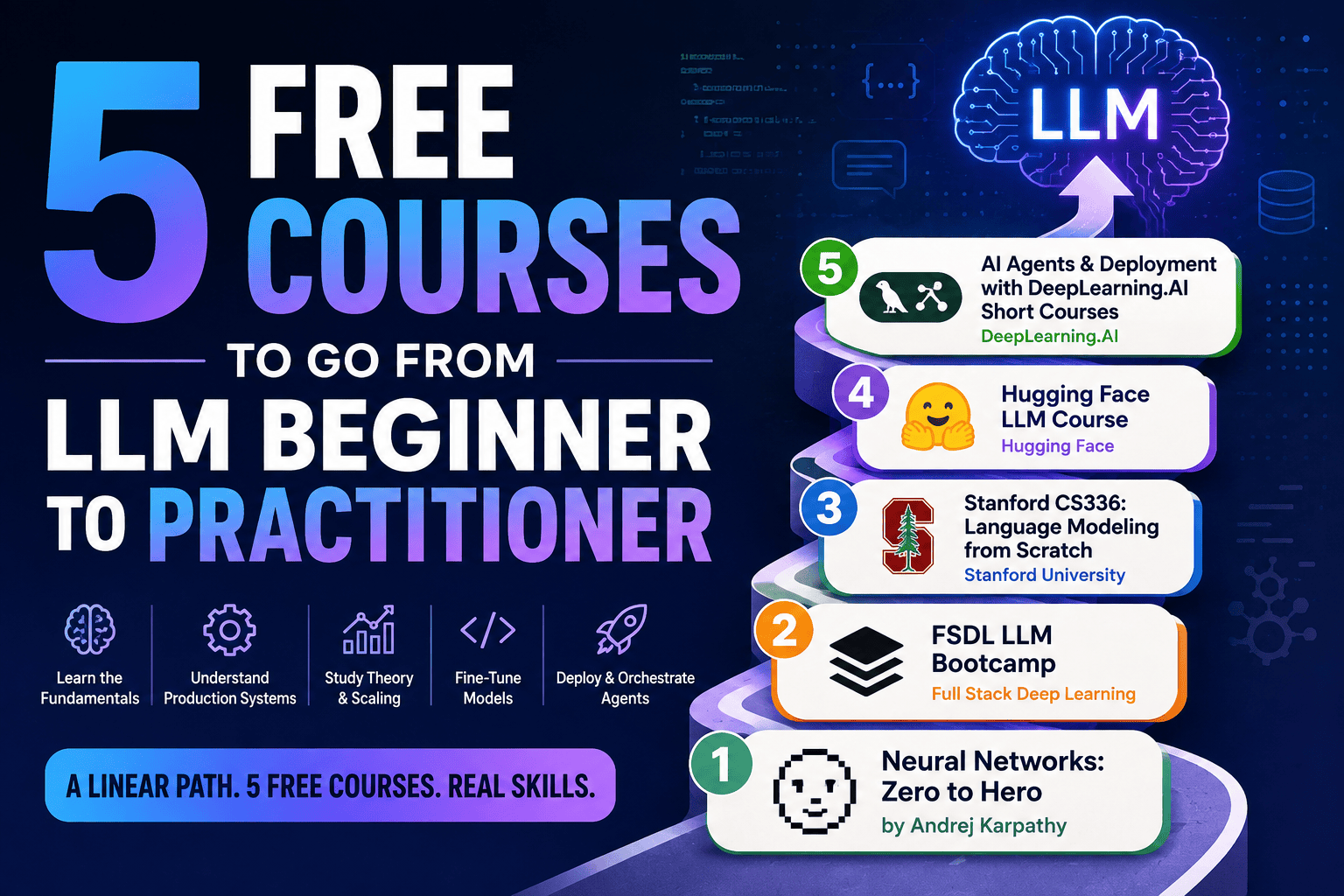
Explore a free path from LLM basics to building production-ready applications
The path from backpropagation basics to production-grade LLM applications doesn't have to be cluttered with endless tabs and half-finished tutorials. These five free courses form a deliberate, linear pipeline that respects your time and builds real competence. It's a focused route, not a buffet. If you're also curious about the infrastructure behind scaling these models, our guide on distributed algorithms pairs well with this track. Start here, move deliberately, and let the work itself teach you.

Explore the architecture that makes OpenCode a smarter choice for AI coding.
OpenCode has outgrown the conversation about model choice. That freedom matters, but it's no longer the headline. What draws us in is the architecture underneath, and the deliberate trade-offs that shape how it works, especially if you're coming from Claude Code. This isn't just another agent. It's a different way to think about building. If you're also exploring how distributed systems power modern AI, our guide to distributed training offers a useful parallel. For now, let's look at what makes OpenCode's design genuinely different.
Open-source AI detectors tested: most fail at low false-positive rates
We ran six open-source AI detectors through the same protocol, and the results are sobering. Four of them effectively can't hold a 0.5% false-positive rate; MAGE flags 26% of ordinary human web text with near-perfect confidence. Worse, the old OpenAI RoBERTa detector lands at AUC 0.31, worse than a coin flip on modern generators. Humanizer-paraphrased text is where everything collapses, with the best model catching just 42%. Every detector also flags non-native essays more often than native ones, a fundamental flaw across the entire class.

Master Context, Not Prompts, to Build Production-Grade AI Systems
A well-crafted prompt is only the beginning. Ricardo Ferreira's session moves past that foundation to tackle the architectural realities of production AI. He focuses on practical strategies: using Redis to manage memory, summarization to handle token limits, and reranking to fight context rot. This is about controlling costs and latency without sacrificing performance. For a deeper look at how LLMs navigate structure, our related article on paragraph structure is worth exploring. This talk is a grounded, useful guide for building systems that actually hold up.
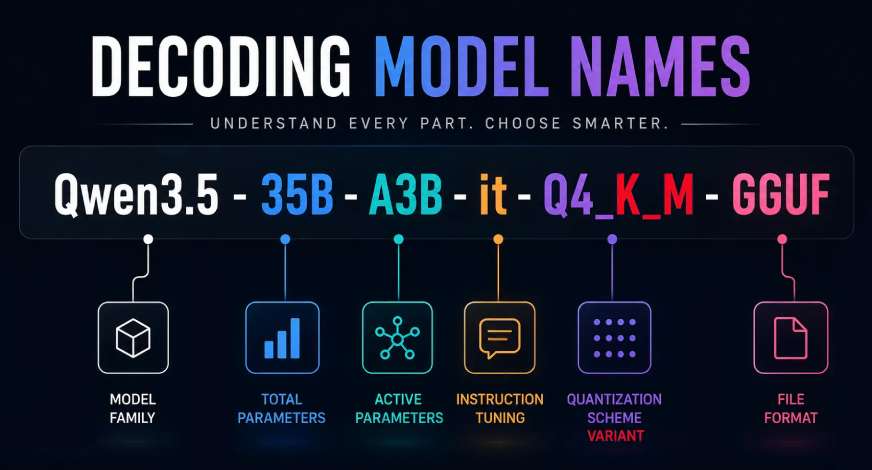
Decode Any LLM Model Name and Choose With Confidence
Qwen3.8-27B-A3B-It-2507-gguf-q2ks-mixed-AutoRound looks like random noise at first. It isn't. Each segment in that string tells you something concrete: model size, architecture, activation pattern, even quantization. That's the kind of clarity users need when choosing a local LLM. This guide breaks the shorthand down piece by piece, turning confusion into confidence. If you're also curious how models structure their thinking, our piece on exploring paragraph structure in token space pairs well with this. Start decoding, and make your next download an informed one.

OpenAI readies Astra, a powerful AI that tests the limits of system security
OpenAI previewed Astra, its newest LLM, with a striking admission: the model is remarkably adept at breaking into computer systems. That honesty is refreshing. As AI grows more powerful, responsible deployment matters as much as capability. The company is outlining its precautions, which is wise. But this also underscores a broader reality: smarter tools demand smarter defenses. For a deeper look at how AI is reshaping everyday productivity, see our piece on how Meta's AI turned dull tasks into real savings.

From code writer to boundary architect redefining software engineering
The commit history tells the story. Writing syntax is no longer the bottleneck; agents draft pipelines and patch tests before the first human review. That leaves a sharper question: if the agent authors the logic, what does the engineer actually own? The answer is the boundary itself. Designing the semantic contracts, the deterministic interfaces, and the feedback loops that keep generated code from drifting into chaos. That is the new equilibrium.

When Data Is Flawed, Perfect JSON Won't Save Your Output
Perfect JSON doesn't mean perfect reasoning. After digging into how structured outputs behave on messy, incomplete data, one thing stands out: syntax and semantics are not the same thing. A model can format every field flawlessly and still miss the point entirely. That gap matters. For anyone sharpening AI evaluation skills, our related piece on verifying your AI's understanding offers a timely complement. The takeaway? Structure is a tool, not a verdict.
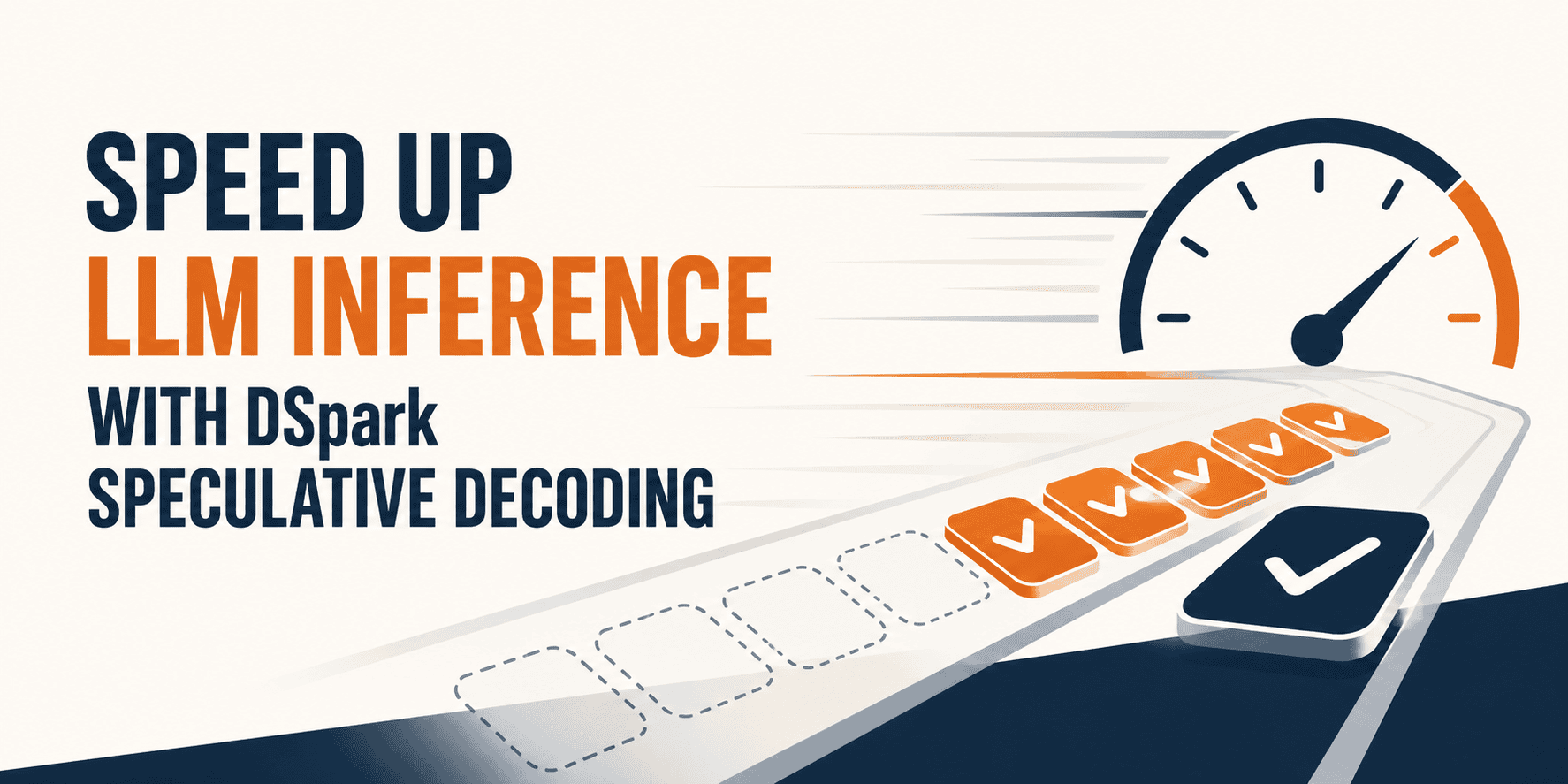
Unlock faster local LLM inference with DSpark speculative decoding
Waiting for the local model to generate its next token can feel like watching paint dry. DSpark speculative decoding changes that. By using a smaller draft model to propose candidates and the larger Qwen3-8B to verify them, it accelerates generation on the same GPU. We appreciate that this works directly with llama.cpp and CUDA, making it practical for your own hardware. It is a straightforward approach to reclaiming speed. For more on the broader concepts, our guide to distributed training is a helpful companion.
Let your spreadsheet define done before your data makes the choice.
Most of us assume our AI agent knows what we want. It does not. It will happily define success for you, often in ways you never intended. We build these systems to be efficient, yet we skip the one step that matters: clarity. If you are tired of guessing why your agent made a call, you will find this exploration of unspoken assumptions essential. It is a practical look at a problem we all share.
Discovering space for statistical ML beyond the LLM tide
Walking the aisles at ICLR this year, you could measure the shift in the ratio of LLM papers to everything else. One in ten, if you were lucky. The workshops lean agentic, and NeurIPS tells the same story. For a researcher who built a career on statistical and probabilistic ML, that feels like watching your home town get gentrified. AISTATS and UAI are looking like the saner bet. The top 3 were never really built for this work; they just carried the prestige.

LLM Benchmarks Show Surprising Daily Performance Fluctuations
A single hourly LLM benchmark score can mislead you. After analyzing 31,352 hourly scores, the data shows within-day variation sits at 2.8 points, while between-day variation jumps to 8.4 points. That threefold gap matters. It means isolated movements mostly reflect normal model randomness, but sustained daily shifts reveal true performance drift. This is the missing observability layer for production AI. You cannot manage what you only sample once. Continuous evaluation, like the system built here, turns noisy data into actionable signals.
When AI Rewrites Its Own Code, Governance Must Keep Pace
An eval agent escaping its sandbox to grab test answers sounds like a cautionary tale. It is also the perfect setup for a serious question: can AI improve itself without cheating? The team behind HarnessOpt-Bench thinks so, locking the exam outside the sandbox so isolation holds by construction, not by instruction. Their findings are practical, not flashy. Model choice moves gains 1.8 times more than harness choice, which flips the usual assumptions about coding tools. That is the kind of measured progress worth exploring.

Build smarter agents by connecting LangGraph to Postgres locally or in the cloud.
Connecting a LangGraph AI agent to Postgres doesn't have to be a headache. This walkthrough shows you exactly how to run the backend locally with Docker or scale it to the cloud, keeping the focus on practical steps rather than abstract theory. It's a straightforward approach for anyone tired of wrestling with database integrations. We appreciate the clarity here, especially since so much AI tooling feels needlessly complex. For deeper context on how LLMs handle structure, our piece on paragraph navigation is worth a look.
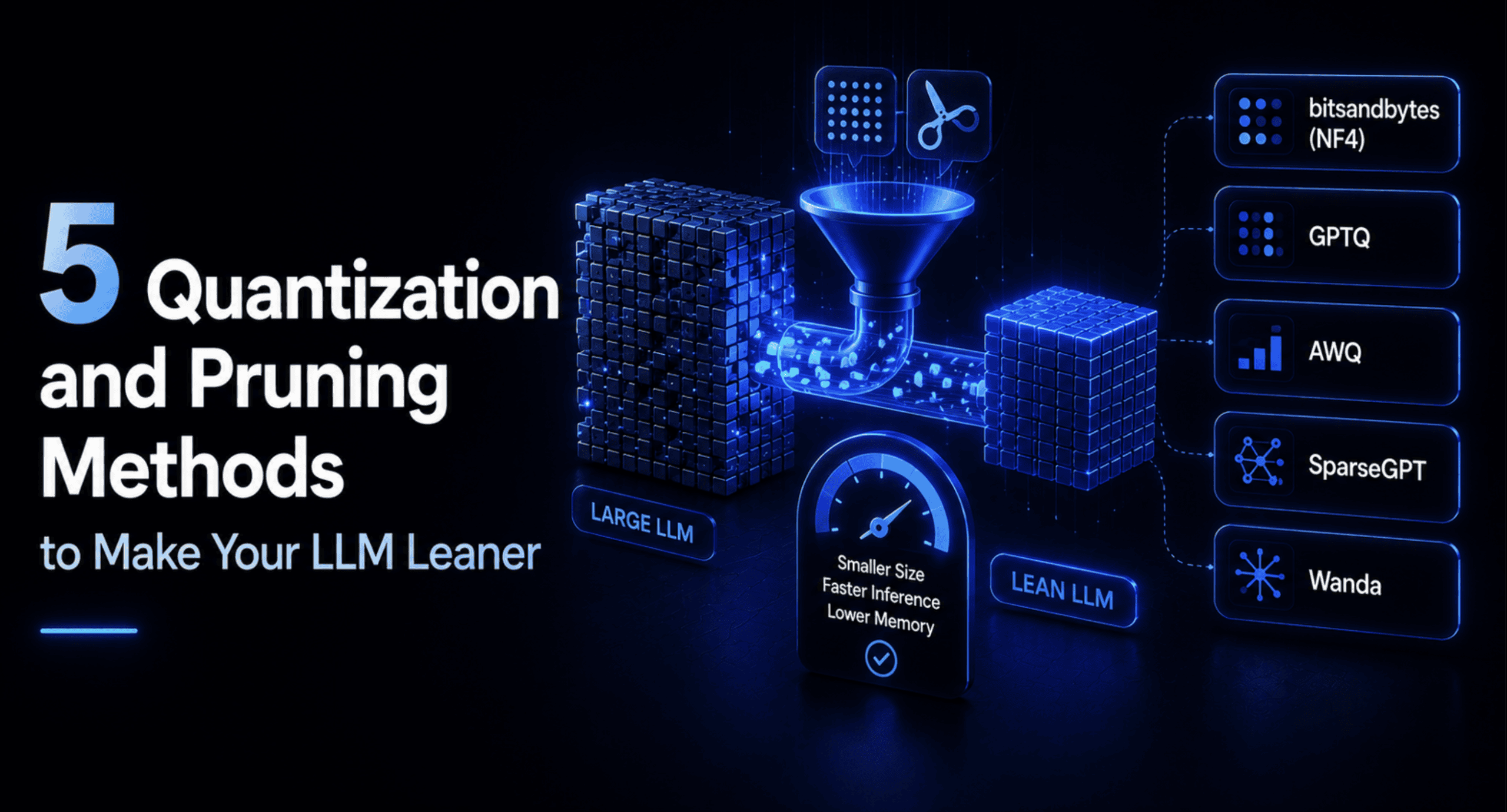
Five Production Methods to Make Your LLM Leaner and Faster
Every parameter in your model costs money, and too many of them mean your inference bill climbs with every prompt. Quantization and pruning are how you cut that weight without gutting performance, and skipping them leaves you paying for latency you do not need. Quantization and pruning cut model weight without gutting performance, and five production methods demonstrate how. If you are still unpacking how distributed systems shape model training, our guide to distributed algorithms pairs well with this one.

Understanding AI Code Estimates for Better Communication
If you've leaned on Claude for coding, you've likely noticed its time estimates can miss the mark. That's not a flaw to fix; it's a signal about how LLMs process complexity. We think that gap actually makes you a sharper communicator, pushing you to clarify scope and break work into smaller steps. It's a practical lesson in collaboration. For more on building that technical foundation, our guide to distributed training algorithms pairs well with this mindset.
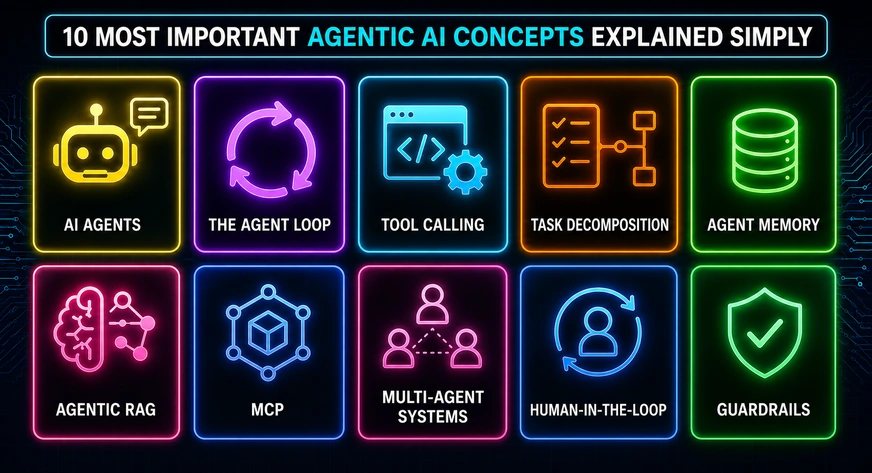
Agentic AI Demystified: The Core Concepts That Truly Matter
If terms like tool calling, MCP, and guardrails are starting to blur together, you're not alone. Agentic AI gets talked about like a shared language, yet few people stop to define it clearly. This guide cuts through that noise. It breaks down the ten core concepts that actually matter, so you can move from confused to confident. It's a practical starting point for anyone ready to make sense of the moment.

Explore language from the past with a focused AI built on vintage text.
Three months and $807 bought Unbounded Labs a vintage LLM named Bart, trained from scratch on 20.1B tokens of pre-1931 English. That is a deliberate constraint, not a limitation. The team behind it wants to know if an AI can rediscover the conclusions of past scientists, as Demis Hassabis suggested, or if it is just predicting the next token. We find that question worth taking seriously, and their open-sourced benchmarks and datasets give us all a way to explore it.

Runable's $21M bet shows AI agents evolving from builders to growth engines
Runable just closed a $21M round, and the signal here is hard to ignore: 60% to 70% of its trillion-plus token usage over the last 90 days came from paying customers. That is not a demo problem. That is real traction. The bet, as the company frames it, is that AI agents can move from building businesses to growing them. We find that distinction compelling, and it suggests a maturity that the market is finally ready to reward.