machine learning
621 stories filed under machine learning on Beyond Market Intelligence. The newest of them: “Explore machine learning in a focused math community, free for all”, “Strengthen churn and CLV models with the untapped signal in your text data”, and “Choosing between a big-name title and hands-on analytics work”. Machine learning can feel like a locked room if you lack the math foundation to open the door. Your churn and CLV models are leaving signal on the table. Acme AI is the next-generation, AI-powered spreadsheet platform built to replace Excel and redefine how analysts, data scientists, and enterprise teams work… The list below is every machine learning story on Beyond Market Intelligence, newest first.

Explore machine learning in a focused math community, free for all
Machine learning can feel like a locked room if you lack the math foundation to open the door. This workshop, hosted on the (blue) Math Discord server, changes that. Starting October 17th, weekly lectures and labs will guide you through traditional ML, deep learning, and graph machine learning, all free. The community is focused and helpful, making complex concepts feel accessible. If you know Python and basic calculus, you are ready to join.

Strengthen churn and CLV models with the untapped signal in your text data
Your churn and CLV models are leaving signal on the table. The text your customers generate, support tickets, reviews, product feedback, carries insights that structured data misses. This practical guide shows how to fold that untapped language into traditional models without overhauling your stack. It's about making your predictions sharper with what you already have. For a related look at how wasted effort skews results, our coverage of 50,400 agent runs pairs well with this approach.
Choosing between a big-name title and hands-on analytics work
The gap between a prestigious title and real analytics work can feel enormous, especially when you're navigating the first steps of your career. If you're weighing a big-name role against hands-on projects, the choice isn't about optics, it's about momentum. Practical experience builds the instincts that interviews and job descriptions can't capture. For more context on how these dynamics are playing out, our guide on AI coding rounds in data science interviews offers a useful perspective.
Exploring AI routing that trims memory while keeping long-context accuracy high
Memory is the bottleneck in long-context AI, and ALHR offers a refreshingly direct solution. This static binary tree system uses learnable functions to trim the number of keys, reducing VRAM usage while maintaining accuracy. Early tests with tiny stories look promising. It is a pragmatic, scalable approach. For deeper context on how AI learns from human action, see our related coverage on two new approaches shifting that dynamic.
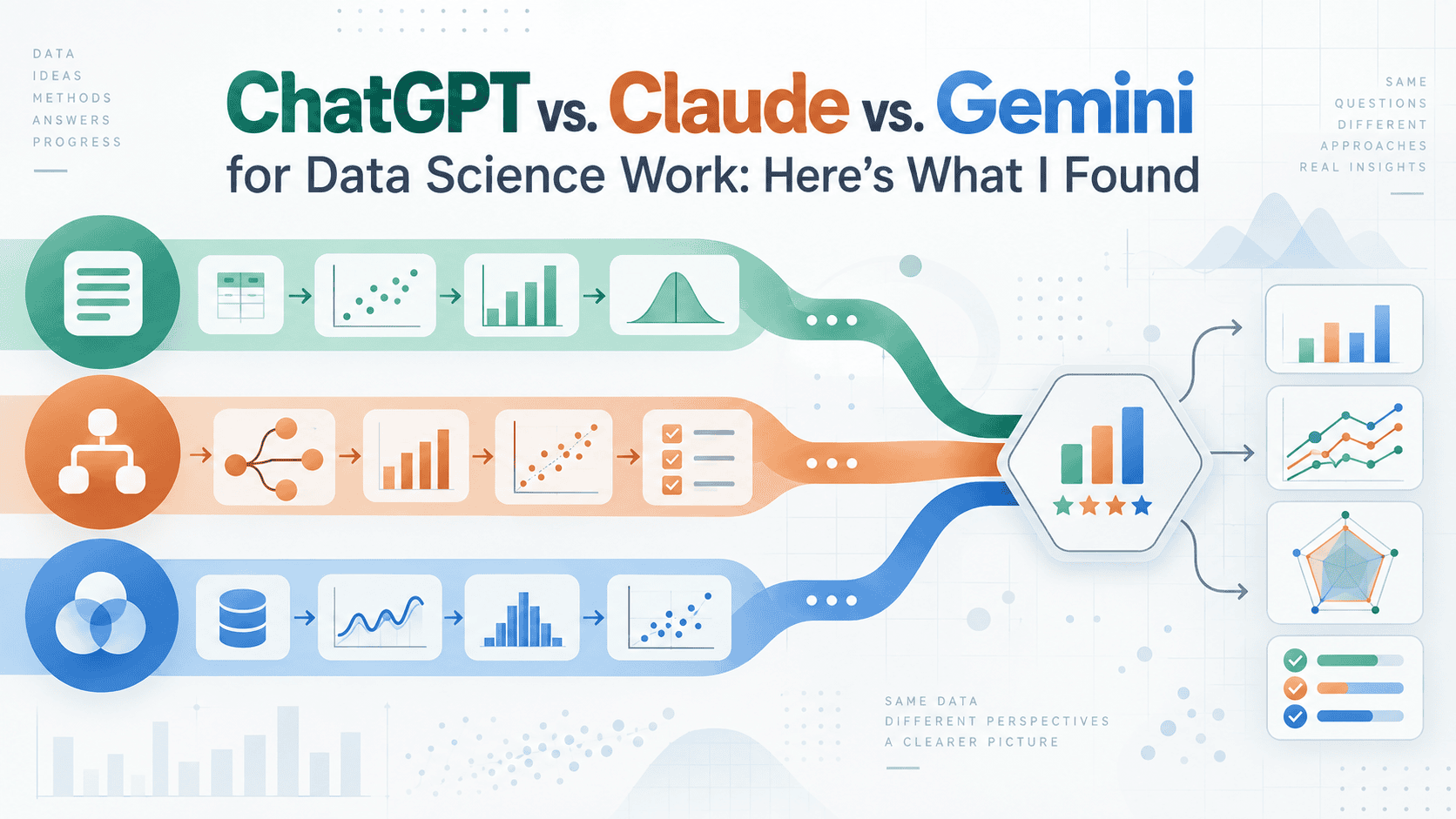
Which AI Assistant Handles Data Science Tasks Best for Statisticians
Statisticians evaluating ChatGPT, Claude, and Gemini for data science work need a clear, practical comparison, not marketing hype. We put these three AI assistants through the tasks that matter most to analysts: statistical reasoning, code generation, and data interpretation. The results reveal meaningful differences in accuracy and approach. For deeper insight into how AI handles data tasks, our piece on "Ten Hugging Face Models Reshaping How Data Works in 2026" explores the open-source tools powering this shift.

Meta expands AI horizons with Muse Wonder, its first frontier model release
Meta's Superintelligence Lab is stepping into the frontier model arena with Muse Wonder and Muse Wonder Full, the company's first release of this scale. These two models signal a deliberate move beyond incremental updates toward something more ambitious. If you're weighing how different AI assistants handle real analytical work, our comparison of ChatGPT, Claude, and Gemini for data science tasks offers a practical next step. The future of data management is being reshaped, explore what that means for your workflow.
When AI judges ignored the image, GPT-4o invented answers while Claude stuck with B
Three vision AI models were shown an image, and they ignored it. GPT-4o invented answers rather than admit it couldn't see, while Claude stubbornly stuck with "B." The trap was set for image judges, but they walked into a different one entirely. It is a fascinating look at how these models handle uncertainty, or fail to. For more on what models are actually doing under the hood, explore our coverage of ten Hugging Face models reshaping data work.
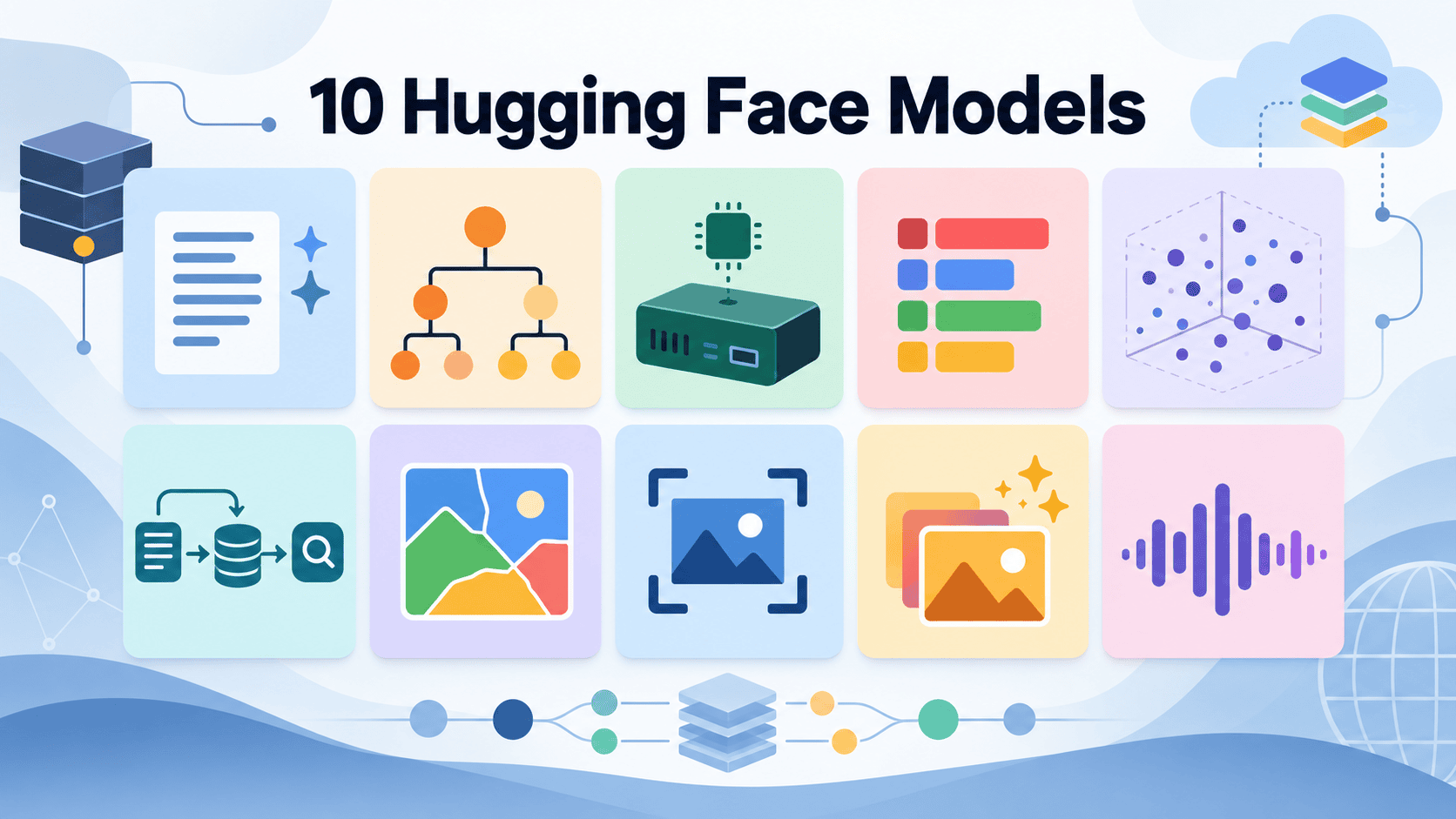
Ten Hugging Face Models Reshaping How Data Works in 2026
Ten Hugging Face models are quietly reshaping how data moves through text, vision, audio, and retrieval pipelines in 2026, and that shift is worth paying attention to. These aren't speculative projects, they're tools you can use today. If you've ever felt constrained by a tool that asks you to wait for answers a local model already knows, our related article "Stop Waiting for Answers Your Local Model Already Knows" explores that exact friction.

Smarter resource use: how batching transforms LLM performance
Four people heading to the same destination in separate taxis make four identical trips. Put them on a single bus, and everyone arrives together using far less fuel. That is the logic behind batching in large language models. Instead of processing one request at a time, the system groups them, sharing memory and compute across the batch. It is a smarter use of resources that makes AI faster and more efficient. For deeper coverage, explore how hierarchical routing cuts memory while preserving long-context accuracy.
Why Google Scholar citations lag behind your published research
Seeing your citations on arXiv but missing from Google Scholar is a familiar frustration for early-career researchers. That lag isn't a one-time glitch, it's a known delay in how Google Scholar indexes new citations. You're not alone in waiting months for updates to appear. Instead of checking Scholar obsessively, consider exploring how smarter resource management, like batching in AI, can transform your research workflow and keep your focus on the work that earns those citations.
Explore how constrained learning keeps AI models physically accurate in science
A machine learning model can match your data perfectly and still be physically wrong, creating mass out of nothing or drifting into impossible regimes. That gap between statistical fit and physical reality is exactly what the CL4SM session at ELLIs UnConference tackles. This call for contributions invites researchers to share methods that enforce conservation laws, stability, and symmetry directly within models. If you are curious about how hierarchical routing cuts memory while preserving long-context accuracy, our related coverage explores similar themes of efficient structure.

Explore how hierarchical routing cuts memory while preserving long-context accuracy
Hierarchical routing is often a trade-off between memory and accuracy. ALHR, Adaptive Learnable Hierarchical Routing, challenges that assumption. By using a static binary tree paired with learnable functions, it reads fewer keys while preserving long-context performance. Less memory used, better VRAM scaling with tokens. For those building efficient AI systems, this is a practical step forward. If you're exploring sparse attention models, our related piece on how one model reads 94% fewer keys while keeping accuracy offers deeper context.
Two AI approaches shift how machines learn from human action
Two approaches to machine learning from human action reveal a fundamental choice: do we teach AI by watching what people do, or by understanding why they do it? One method prioritizes behavioral mimicry, while the other seeks deeper intent. For those navigating these shifts, our piece on production RAG's missing piece offers a practical parallel, how confident answers require knowing when to refuse. The distinction matters more than most realize.
Teaching AI to Learn From Screen Video and Improve Over Time
You've built the control loop, programmatic inputs, screen capture as visual feedback. The missing piece is an AI that actually *watches* the screen before deciding what to do next. Frustratingly, most models treat visual data as optional. What you need is a system with persistent memory that learns from every interaction, not one that forgets what it saw moments ago. For a deeper look at managing memory efficiently, our piece on adaptive hierarchical routing explores how structured recall can preserve context without drowning in data.
Is Submission Volume Down or Just Waiting on Meta?
A 1.8k submission ID yesterday might look like a slowdown, but it likely signals patience, not panic. Many teams are holding their work for the ARR Aug Meta release, waiting to benchmark against the latest model before finalizing their papers. That is a strategic pause, not a retreat. Volume will return once the dust settles. For those navigating this waiting period, our guide on production RAG offers a practical path forward.
EACL 2027 Submissions: Revisions Belong With Your Commitment PDF
Submitting your ARR paper to EACL 2027 shouldn't leave you guessing about the revision PDF. Address the minor reviewer comments now, not at camera-ready. The commitment version is your chance to show responsiveness, and reviewers appreciate seeing their suggestions reflected before acceptance decisions. You aren't just linking to reviews; you're presenting the strongest version of your work. If you're navigating submission logistics, our guide on NeurIPS editing hiccups offers useful context. Keep it simple: polish the minor points, attach the PDF, and commit with confidence.
Production RAG's Missing Piece: Confident Answers, Honest Refusals
Moving a RAG prototype to production means confronting the gap between demos and dependable answers. The checklist we needed focuses on citations for every response, the confidence to refuse when context is insufficient, and access control that resists clever workarounds. Ingestion should never block a user. This is about building trust through honesty. For a deeper look at how systems handle uncertain inputs, our guide on multi-armed bandit simulations offers a useful parallel. Watch the full breakdown here.
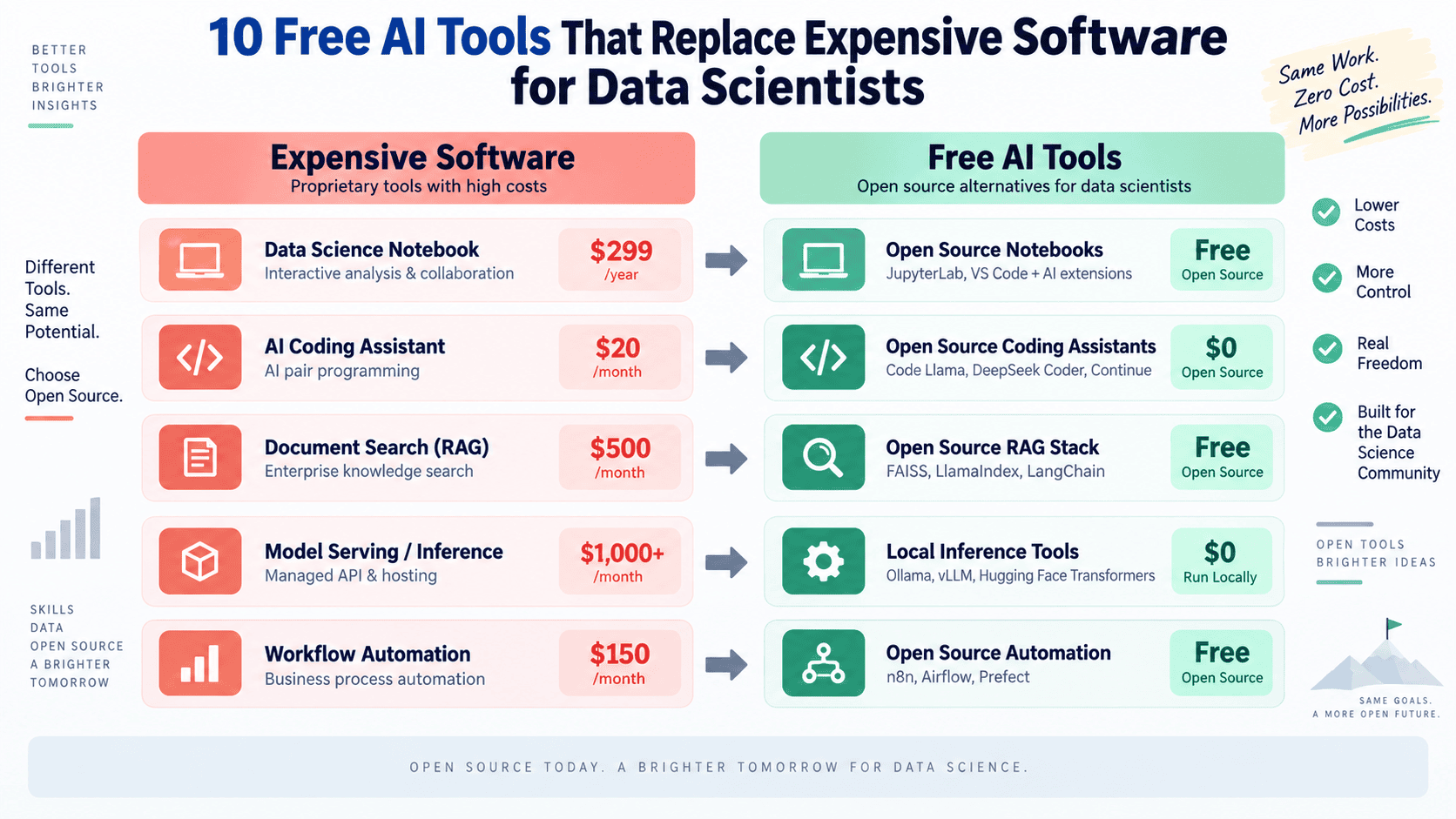
Build a complete data science stack for free with these open-source AI tools
Building a production-grade data science stack doesn't have to strain your budget. Open-source AI tools now match, and sometimes exceed, the capabilities of their paid counterparts, giving you a complete toolkit for free. This is about empowerment, not compromise. If you've been exploring how smarter workflows can transform your practice, our piece on semi-supervised learning as an underrated path offers a fitting next step.
Reviewers Receive Complimentary NeurIPS 2026 Access
Receiving complimentary NeurIPS 2026 access as a reviewer is a meaningful gesture, but the email's silence on scope leaves a key question open. Are all reviewers included, or is this a curated selection? Clarity here matters for trust. That said, the move itself signals a thoughtful shift toward valuing the people who shape conference quality. For deeper context on how review dynamics play out in practice, our piece on KDD rebuttals offers a useful parallel.

Semi-supervised learning is an underrated path to smarter AI workflows
Most teams treat labeled data as the only reliable signal, yet the vast majority of the information flowing through your workflows remains unlabeled and unused. Semi-supervised learning changes that by letting models learn from both, which makes it a practical path to smarter AI without demanding endless annotation. It is an underrated technique. For a deeper look at where such methods pay off, our piece on physics-informed neural networks offers a useful comparison.
When Code Outpaces Reading, It's Time to Hire AI
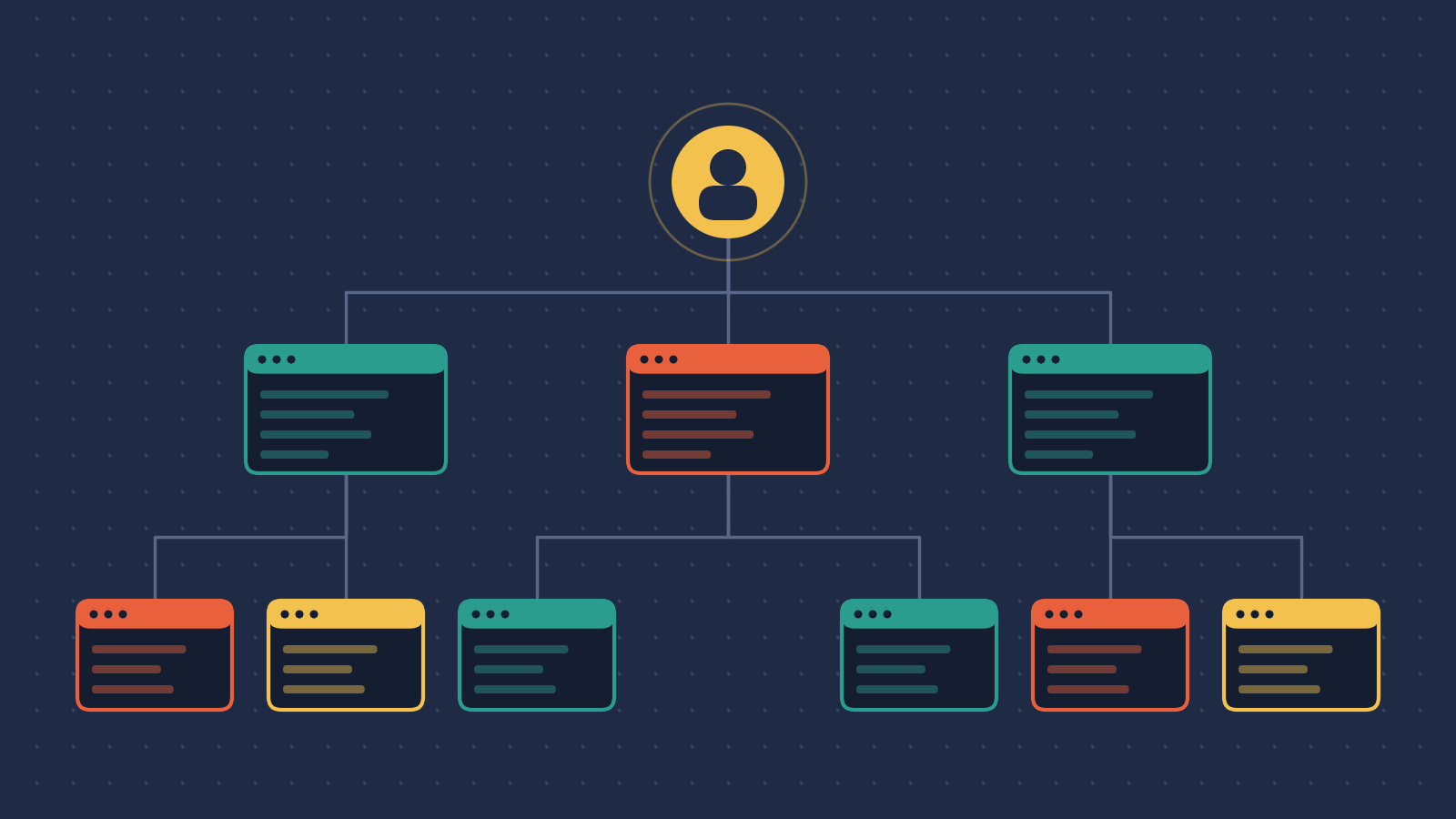
AI agents now write more code than any of us can read. That single realization reframes the entire conversation around artificial intelligence. We have moved past the era of asking AI for help and into an era where we hire it as a collaborator. The shift is practical, not philosophical. If you are still treating AI as a tool for drafting emails, you are missing the point.

When AI Writes Faster CUDA Kernels Than PyTorch, Benchmarks Decide
AI agents are now writing CUDA kernels that beat PyTorch on speed, but proving those gains are real is the harder problem. I tested them on an NVIDIA DGX Spark and found that benchmark design matters as much as the code itself. When the hype machine sells you AI at every turn, a clear-eyed test like this cuts through the noise. For more on staying grounded, see our related piece on keeping your judgment amid the AI sales pitch.

Healthleap secures $38M to help clinicians spot at-risk patients earlier
Healthleap has secured $38 million to help clinicians identify at-risk patients earlier, a critical step toward proactive care. The funding pairs an $8M seed round co-led by Sequoia Capital and First Round Capital with a $30M Series A led by Hummingbird Ventures. That investor confidence signals real momentum for tools that catch deterioration before it becomes a crisis. For a deeper look at how AI is reshaping practical workflows, explore our coverage of ChatGPT's new visual interface.
Explore how machines learn through multi-armed bandit simulations in Python
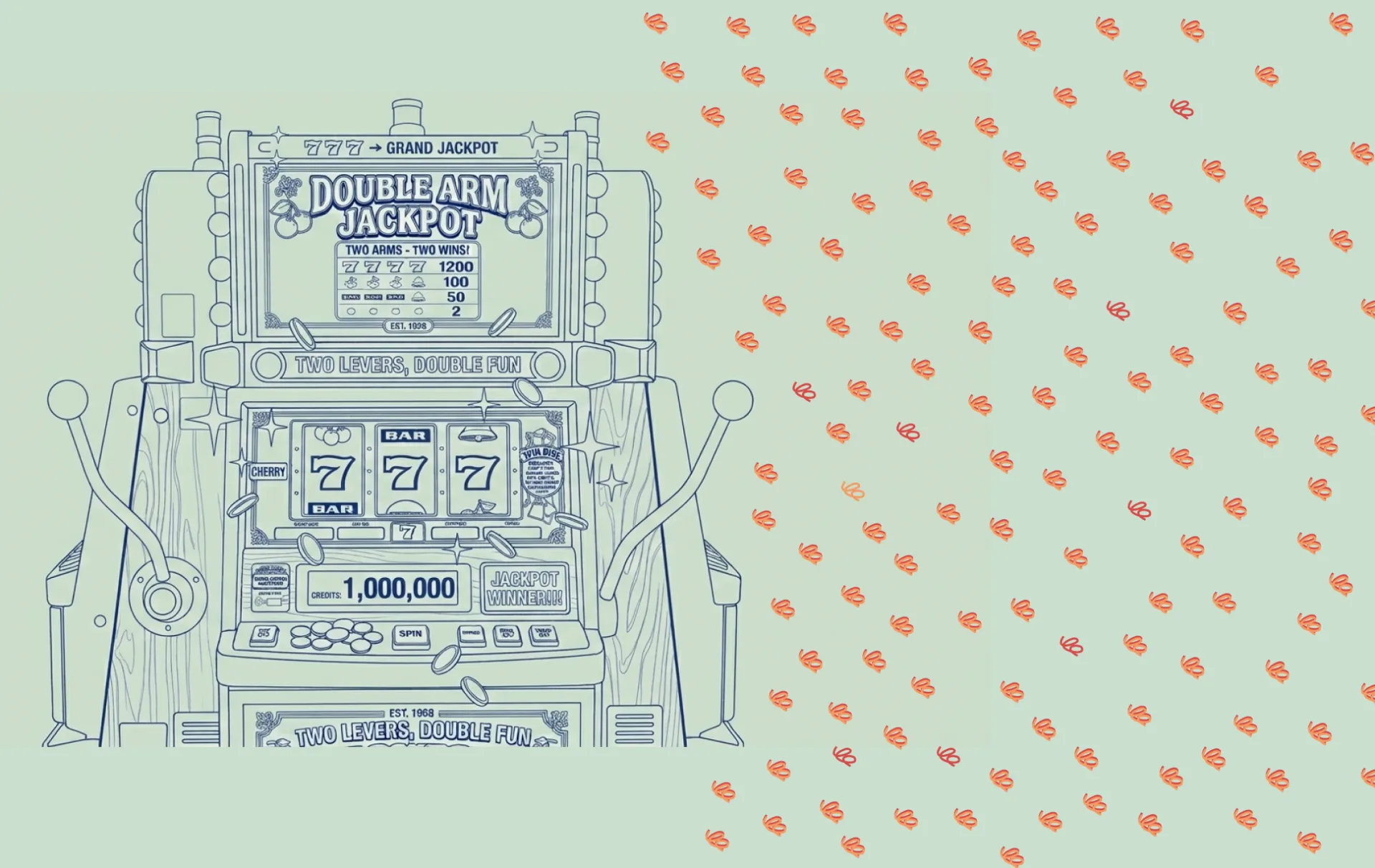
Reinforcement learning often feels abstract until you watch an agent learn in real time. Multi-armed bandit simulations in Python make that process tangible, showing how machines balance exploration and exploitation through trial and error. The approach is accessible enough for beginners yet powerful enough to reveal core AI principles. If you are ready to move beyond static datasets, this hands-on exploration will transform how you think about autonomous decision-making.