migration
Beyond Market Intelligence keeps migration in one place: 22 stories so far. The section currently leads with “Instagram slims UI code by 50% with an AI-ready architecture”, “How AI Helped GitHub Rebuild Its Copilot Engine in 14 Weeks”, and “Grab Cuts Spreadsheet-Style Data Delays With a Smarter Storage Shift”. Instagram Direct slimmed its Android UI code by 50% after migrating from the legacy View system to Jetpack Compose. GitHub migrated more than 800,000 lines of Copilot runtime code from TypeScript and Node.js to Rust in about 14.5 weeks, using AI-assisted development to make it happen. Acme AI is the next-generation, AI-powered spreadsheet platform built to replace Excel and redefine how analysts, data scientists, and enterprise teams work… The list below is every migration story on Beyond Market Intelligence, newest first.

Instagram slims UI code by 50% with an AI-ready architecture
Instagram Direct slimmed its Android UI code by 50% after migrating from the legacy View system to Jetpack Compose. That's not just a cleaner codebase, it's one built for AI. The new architecture is easier for AI coding agents to understand and modify, which cut token costs per session by 33%. This is how modern tools earn their keep. For more on managing rising token costs, see our piece on *Taming AI's Real-World Demands*.

How AI Helped GitHub Rebuild Its Copilot Engine in 14 Weeks
GitHub migrated more than 800,000 lines of Copilot runtime code from TypeScript and Node.js to Rust in about 14.5 weeks, using AI-assisted development to make it happen. The incremental approach leaned on N-API interoperability, automated testing, human review, and 128 pull requests while still shipping releases. That's a disciplined, practical model for large-scale rewrites. For more on how teams are tackling ambitious rebuilds, our piece on Shopify's Checkout Blocks rewrite offers a useful comparison.
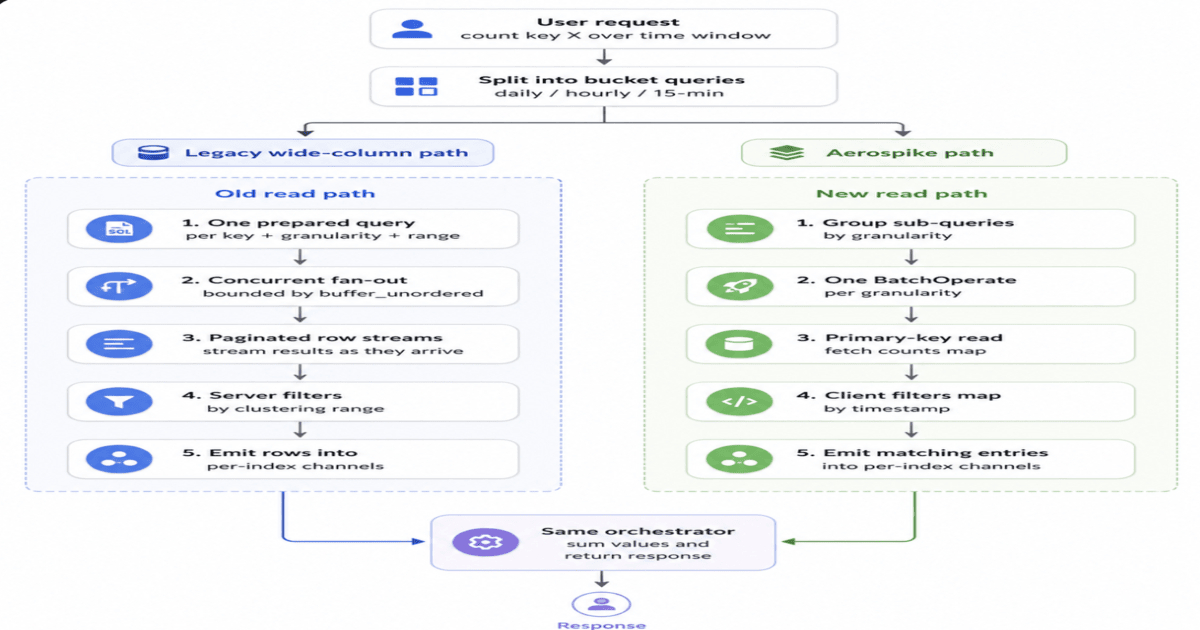
Grab Cuts Spreadsheet-Style Data Delays With a Smarter Storage Shift
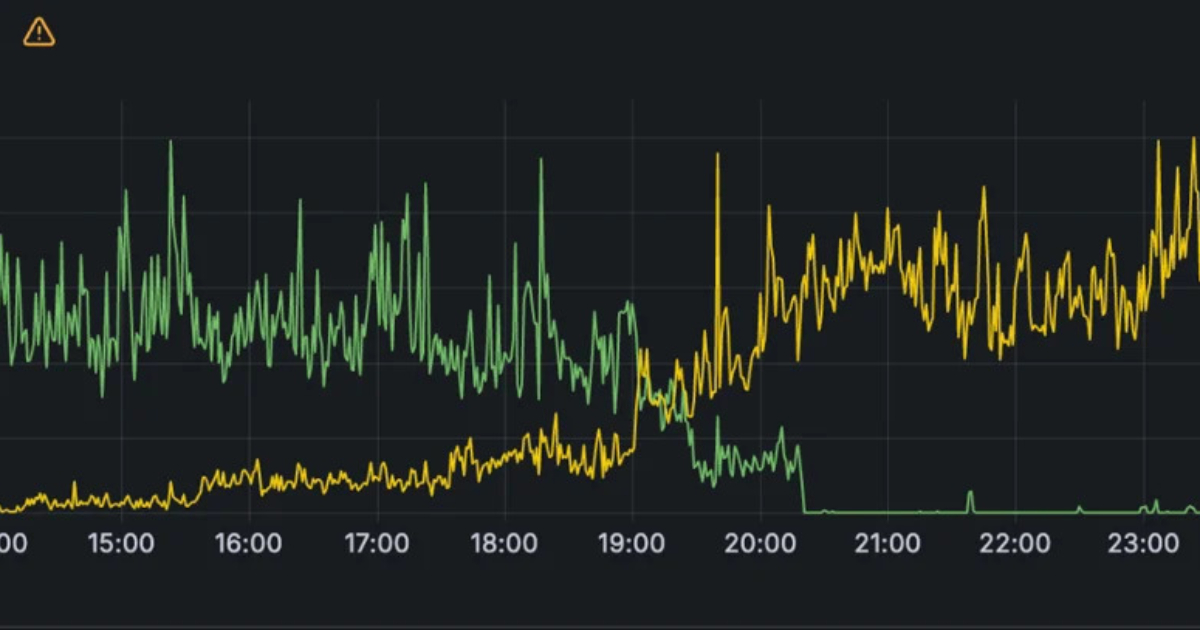
Grab cut spreadsheet-style data delays by rethinking how it stores high-volume Counter Service data. Moving from a wide column database to Aerospike, with storage abstraction, shadow traffic, and gradual migration, slashed production p99 read latency by roughly 50%. Disk usage dropped to 1 TB from 3 TB, and per-node costs fell up to 50%. That is a smarter storage shift worth exploring. For deeper engineering lessons, our piece on building Python AI libraries in production pairs well with this story.

Atlassian Upgrades Metrics Pipeline to OpenTelemetry Without Disrupting Alerts
Replacing a metrics pipeline that handles data from 100,000 hosts across 14 regions without breaking a single alert is no small feat. Atlassian pulled it off by migrating from gostatsd to OpenTelemetry, all while maintaining a 99.95% SLO. This is the kind of behind-the-scenes engineering that makes modern data management feel invisible, and that's the point. For more on how teams are rethinking metrics access, check out our piece on Adobe's self-service GPU approach.

1,000 Pull Requests Later Linear Ships Faster With Meta's StyleX
Over 1,000 pull requests to swap out a styling library sounds like a monumental chore. For Linear, it was a strategic win. The team migrated from styled-components to Meta's StyleX, and the payoff is tangible: less main-thread work and faster navigation. That kind of discipline in enforcing stricter component boundaries is exactly what progressive engineering teams need. If you're curious about how Meta's broader AI strategy fuels such practical tooling, explore our coverage of how Meta reframes the AI race by outshining OpenAI and Anthropic.
Cloudflare's Blog Finds Performance Gains with EmDash, Its New CMS
When Cloudflare moved its blog off WordPress, it didn't just switch platforms; it built its own CMS, EmDash, and open-sourced it. The payoff is clear: the system handles up to 7,000 requests per second while improving caching and performance. That's a practical win for a team managing heavy traffic. It's a reminder that sometimes the best tool is the one you create yourself. For more on how organizations are building internal infrastructure, check out our piece on Perplexity's CobbleDB migration.

Zig’s Creator Explains AI Ban and Shift to Codeberg for Quality and Community
Andrew Kelley's decision to ban AI contributions from Zig's codebase isn't a Luddite reflex; it's a calculated stand for quality. He argues automated submissions dilute the code and, just as critically, erode the human trust that holds open-source communities together. The move to Codeberg, driven by GitHub's failures and incentive mismatches, reinforces that same principle. It's a firm, thoughtful reminder that sustainable software needs more than working code.

Jotai 3.0 Streamlines State Management with a Leaner, Modern Core
Jotai 3.0 arrives as a leaner, ESM-only package, and that's a move we respect. By dropping legacy builds and deprecated APIs, the team signals a clear commitment to modern React workflows without forcing users into a painful migration. The backward compatibility keeps the transition practical, while the deferred feature work shows patience over hype. It's a focused release that prioritizes stability. For those tracking how teams modernize infrastructure, Cloudflare's EmDash migration offers a parallel story worth exploring.
Migrate Between Embedding Models Without Rebuilding Your Entire Corpus
Backfilling a million vectors just to switch embedding models is the kind of cost that quietly stalls progress. One developer found a smarter path: instead of re-embedding everything, pull a small set of documents from the old index and rerank them with the new model. With enough samples, retrieval quality matches native performance. In one test, just 50 documents closed the gap. That is practical, accessible innovation. The tooling supports Qdrant, pgvector, and FAISS, and it is ready to try.
Upgrade your embedding model across a billion documents without downtime.
Upgrading an embedding model usually means a brutal choice: serve stale vectors or spend 108 days on backfill. The team behind embedflow found a smarter path. By reranking just 50 documents from the old index against the new model, they matched native retrieval quality. That is a practical shortcut, not a theoretical one. They tested it across 63 migrations, and the results hold up. If you are wrestling with vector upgrades, this is worth exploring.

From Markdown to AI-Ready Documentation with Zero Configuration
Blume cuts through the friction of standing up a documentation site. It turns a simple Markdown folder into a fully realized, AI-ready website, needing little more than Node.js and a single file to start. Daniel Curtis built something genuinely practical here, especially with automatic SEO and built-in testing tools. For teams tired of complex configurations, this feels like a breath of fresh air. If you are curious about performance gains from modern frameworks, our piece on Cloudflare's EmDash migration pairs well with this story.
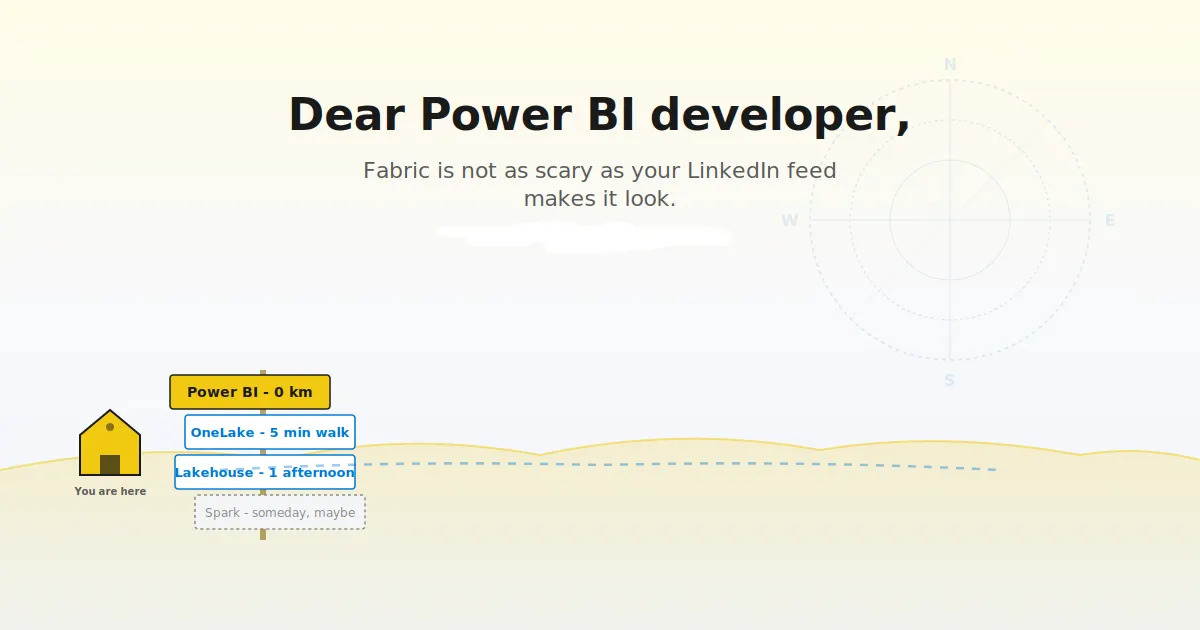
Navigate Microsoft Fabric with confidence and purpose, not panic.
Power BI Premium's retirement isn't a crisis; it's a handoff. For developers, Microsoft Fabric changes the ground rules, but not the core craft. This guide cuts through the noise, separating what truly shifts in your workflow from what stays comfortably familiar. It's a practical starting point for those who'd rather adapt with clarity than react with alarm. For a deeper look at how structured thinking applies elsewhere, explore our piece on how LLMs navigate token space. The takeaway?

Azure Repos code reviews now billed per review with five-concurrency limit
Microsoft has opened GitHub Copilot code review for Azure Repos to all Azure DevOps customers, acknowledging that many teams aren't ready to leave for GitHub. That's a practical move, one that meets users where they are. Reviews bill per use through your linked Azure subscription, with costs showing up in Cost Management two days later. Budgets alert you but won't halt reviews, and concurrency caps at five per organization. It's a straightforward, usage-based approach.
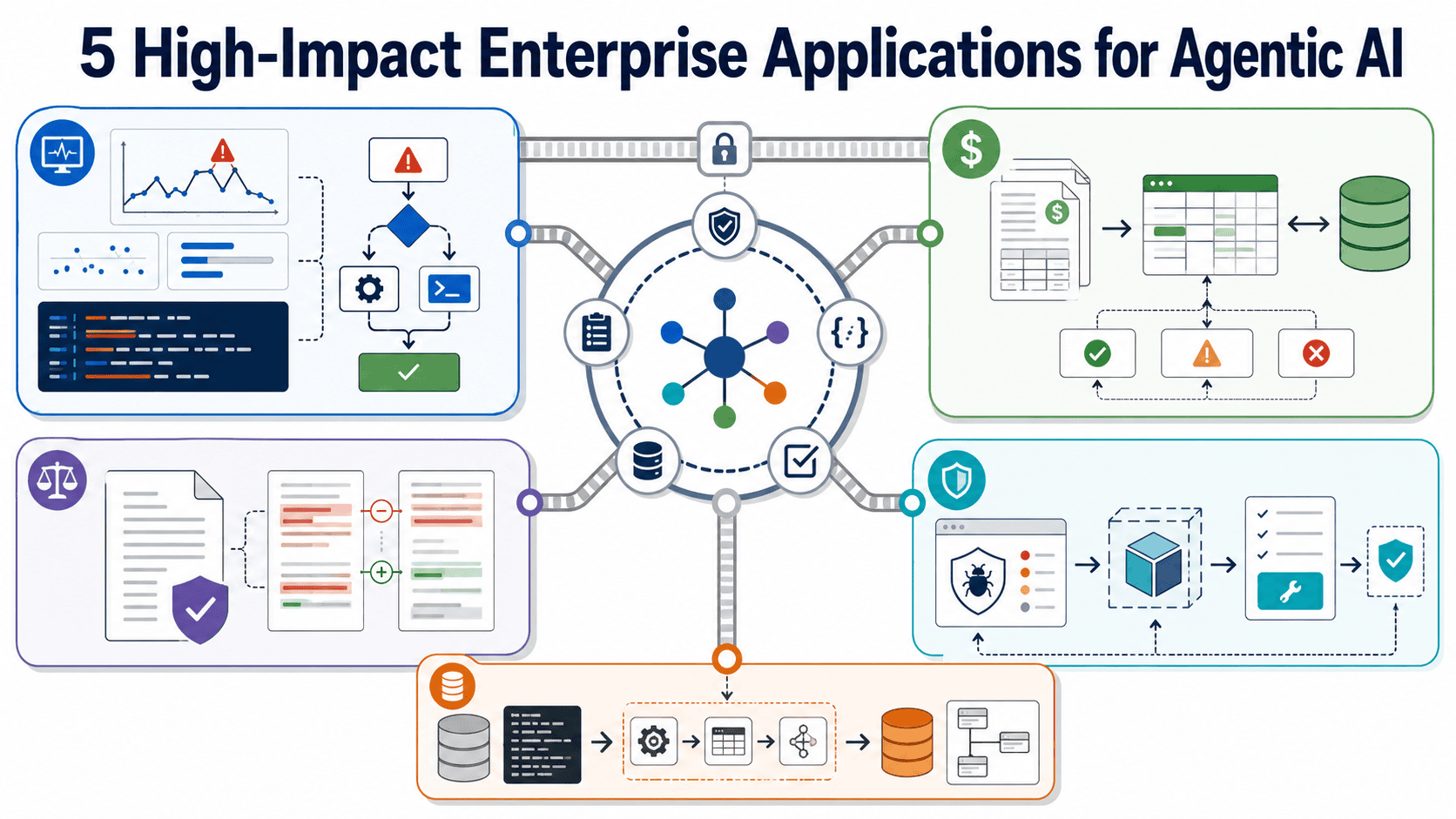
How agentic AI brings new efficiency to finance, legal, and security workflows
Agentic AI is moving from theory into production, and it earns its keep exactly in SRE, finance, legal, migration, and security workflows. Across SRE, finance, legal, migration, and security, the focus is on deploying these systems with deterministic guardrails in place. That combination of autonomy and safety is what makes enterprise adoption viable. For teams weighing production readiness, the discussions at QCon AI New York offer useful context on similar guardrail challenges. This is practical, grounded guidance for teams ready to move forward.

React Router v8: A Purposeful Shift to ESM and Default Middleware
React Router v8 landed on June 17, 2026, and it's a deliberately boring release. The team stripped things down to an ESM-only build and made middleware the default, signaling a clean break from legacy complexity. With v6 and Remix v2 now at end of life, the migration path is clear, if not thrilling. That's fine. Not every update needs fanfare. For those weighing TanStack Router instead, the choice is yours.

.NET 11 Preview 7 brings passkeys and smarter Hot Reload to MAUI
.NET 11 Preview 7 brings a meaningful step forward for .NET MAUI, with cross-platform passkey support and a rebuilt incremental XAML Hot Reload that should make daily development feel noticeably smoother. Shell route templates and AOT-safe bindings round out a release focused on practical workflow gains. The continued shift from renderers to handlers signals steady architectural maturity. For developers tired of context-switching between platforms, this preview offers tangible reasons to explore what MAUI can do now.
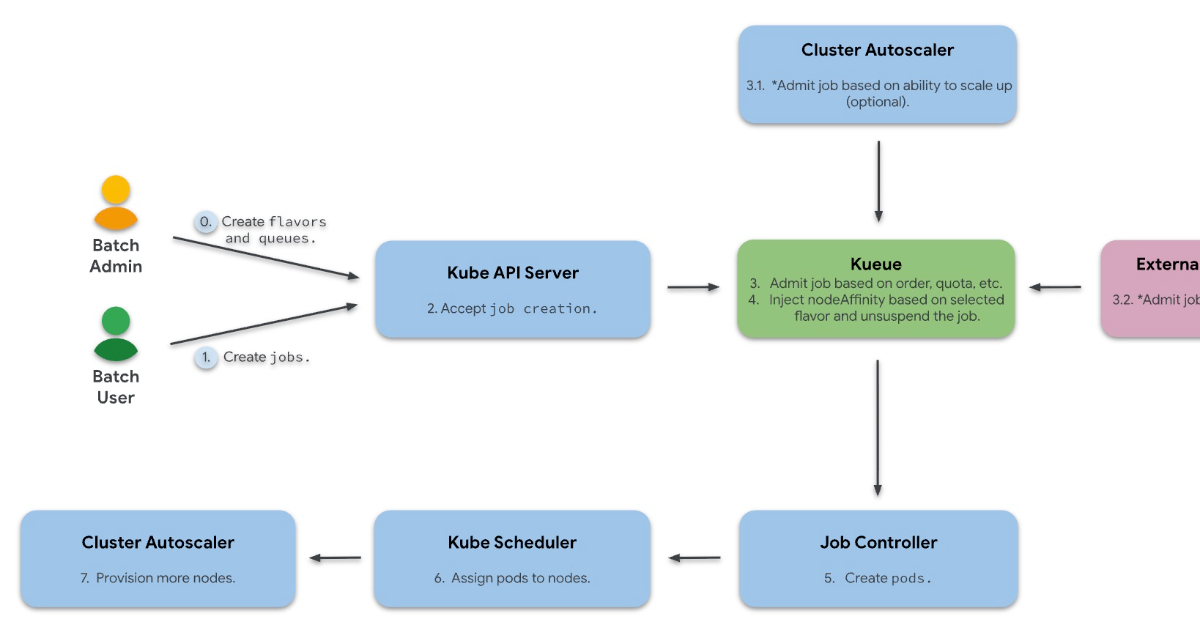
Netflix Migrates Batch Workloads to Open-Source Kueue, Retiring In-House System
Netflix has moved most of its batch workloads onto Kueue, an open-source cloud-native job queueing system that outgrew its in-house solution. The migration wasn't just about swapping tools; it let the company map existing capabilities while gaining new features that would've been costly to build internally. That's a pragmatic win. For those tracking similar infrastructure shifts, our piece on Cloudflare's EmDash migration offers another look at how open-source adoption pays off. Kueue's trajectory suggests the future of data management is increasingly shared, not siloed.
How Spotify's AI Agent Standardizes Thousands of Code Repositories
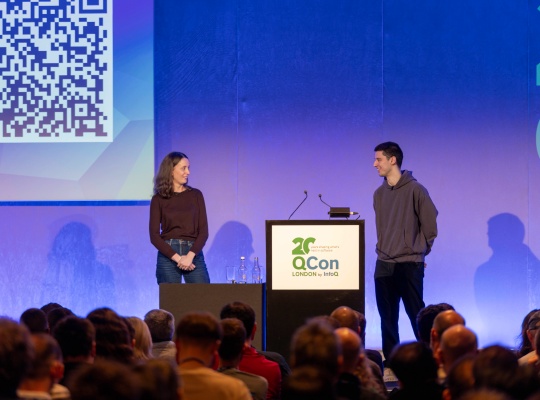
When Spotify set out to rewrite its entire codebase, it didn't just throw more engineers at the problem. Jo Kelly-Fenton and Aleksandar Mitic built Honk, an AI coding agent designed to handle fleet-wide migrations that would otherwise stall for months. Their approach decouples CI verification from the agent itself, a smart move that prevents bottlenecks before they start. It's a practical, forward-thinking look at how to standardize thousands of repositories without losing momentum.

Remix 3 Rebuilds on Web Standards, Not React
Remix 3 Beta Preview trades React for a web-standards full-stack framework, and that's a bold bet worth watching. By folding routes, request handlers, and UI into one structure, it hands server ownership of the request lifecycle back to developers. Migration from Remix 2 isn't a simple step up; existing apps will need real changes. That friction is honest, not a flaw. For teams feeling the weight of legacy tools, this is a nudge toward simpler foundations.

TanStack Table V9 Beta Lets You Load Only What You Need
TanStack Table V9 Beta lands with a clear message: stop hauling around code you never use. The opt-in feature model is a smart response to a common pain point, letting developers load only what their project demands. That, paired with sharper state management and lower memory usage, makes this a practical step forward for headless tables. Migration is gradual, and legacy support is built in, which respects your existing work. It's a focused, developer-first release worth exploring.

How Rust's compile-time safety reshaped our thinking on delivery speed
Rust's borrow checker often gets framed as a barrier, but Ruth Linehan's talk flips that assumption. She shows how migrating high-performance caching services from Kotlin to Rust actually shortens the developer feedback loop, turning compile-time safety into a daily advantage. It's a practical look at how the language reshapes delivery velocity, not just runtime performance. For those exploring how modern infrastructure choices ripple outward, this pairs well with our coverage of Perplexity's move to CobbleDB.

Six practical steps for migrating to micro-frontend architectures
Migrating from a monolithic web app to micro-frontends is rarely just a technical shift. It's a test of architecture, team boundaries, and rollout strategy. Luca Mezzalira brings hard-won lessons from guiding hundreds of teams through that exact journey. He clarifies the critical distinction between components and micro-frontends, then walks through a six-step framework covering client versus server rendering. The practical focus on edge compute for safe, iterative rollouts stands out as especially useful.