performance
performance at Beyond Market Intelligence is a file of 135 stories. The newest of them: “AI-Powered Fashion Show Draws Mixed Reactions at Vogue World”, “Scale Sandboxes Instantly: A New Approach to Concurrent AI Workloads”, and “Cloudflare's Data Innovation Frees 100 TB, Boosts DNS Performance”. A Chinese robot twirling a lasso to "L'Amour Toujours" at Vogue World is a strange tribute to Italian craftsmanship. Modal's staff engineers Colin Weld and Connor Adams didn't just tweak their sandbox setup; they rebuilt it from the ground up. Acme AI is the next-generation, AI-powered spreadsheet platform built to replace Excel and redefine how analysts, data scientists, and enterprise teams work… The list below is every performance story on Beyond Market Intelligence, newest first.

AI-Powered Fashion Show Draws Mixed Reactions at Vogue World
A Chinese robot twirling a lasso to "L'Amour Toujours" at Vogue World is a strange tribute to Italian craftsmanship. The spectacle drew mixed reactions, and honestly, that feels earned. It's a bold collision of automation and tradition, but it raises a fair question: are we celebrating innovation or just staging a gimmick? We're all for progress here, especially when it empowers users, but this one feels like a mashup searching for meaning.

Scale Sandboxes Instantly: A New Approach to Concurrent AI Workloads
Modal's staff engineers Colin Weld and Connor Adams didn't just tweak their sandbox setup; they rebuilt it from the ground up. The result is infrastructure that handles millions of concurrent sandboxes and tens of thousands of creations per second. That's the kind of scale that makes concurrent AI workloads feel almost routine. It's a smart, grounded look at what it takes to move past legacy limits. For more on practical AI adoption, our guide to unlocking ChatGPT for work is worth a look.
Cloudflare's Data Innovation Frees 100 TB, Boosts DNS Performance
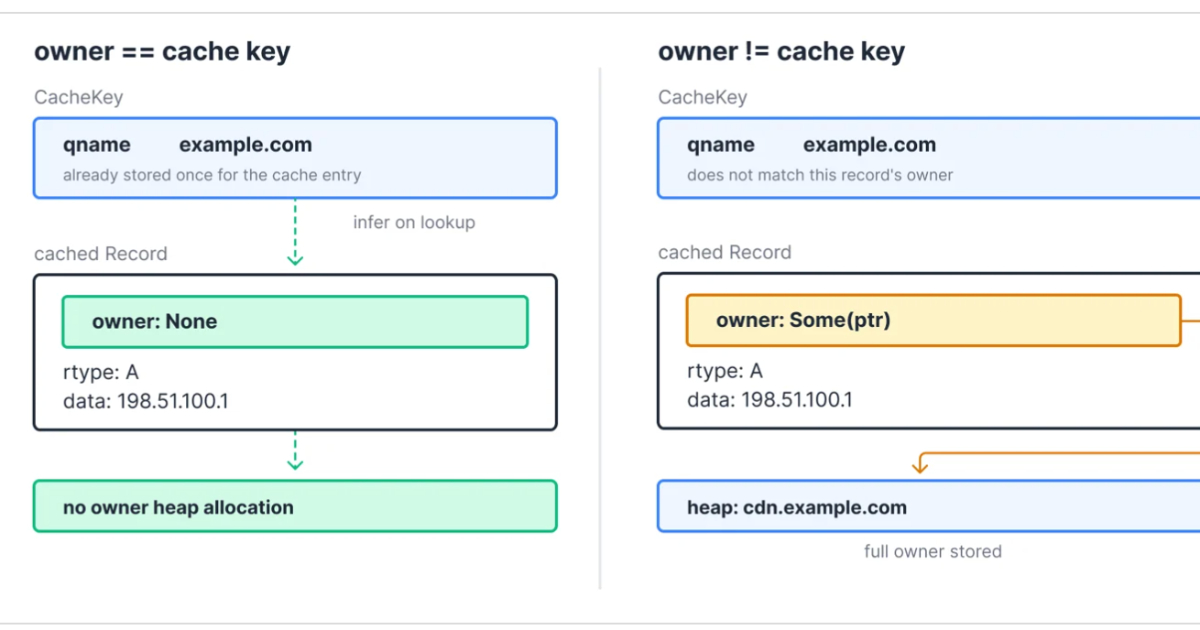
Cloudflare's Big Pineapple DNS cache just got a serious upgrade. By redesigning the in-memory representation of its entries, the team cut the per-entry footprint by 56%. That freed roughly 100 TB of working-set memory across the fleet, which is a massive win for efficiency. The Rust-based changes didn't stop there. Cache insertion throughput climbed 43%, and lookup latency dropped 19%. This means faster, more responsive DNS without needing extra hardware. It's a smart, practical step forward.
Unlock Data Insights: A Practical Guide to Polars' Performance
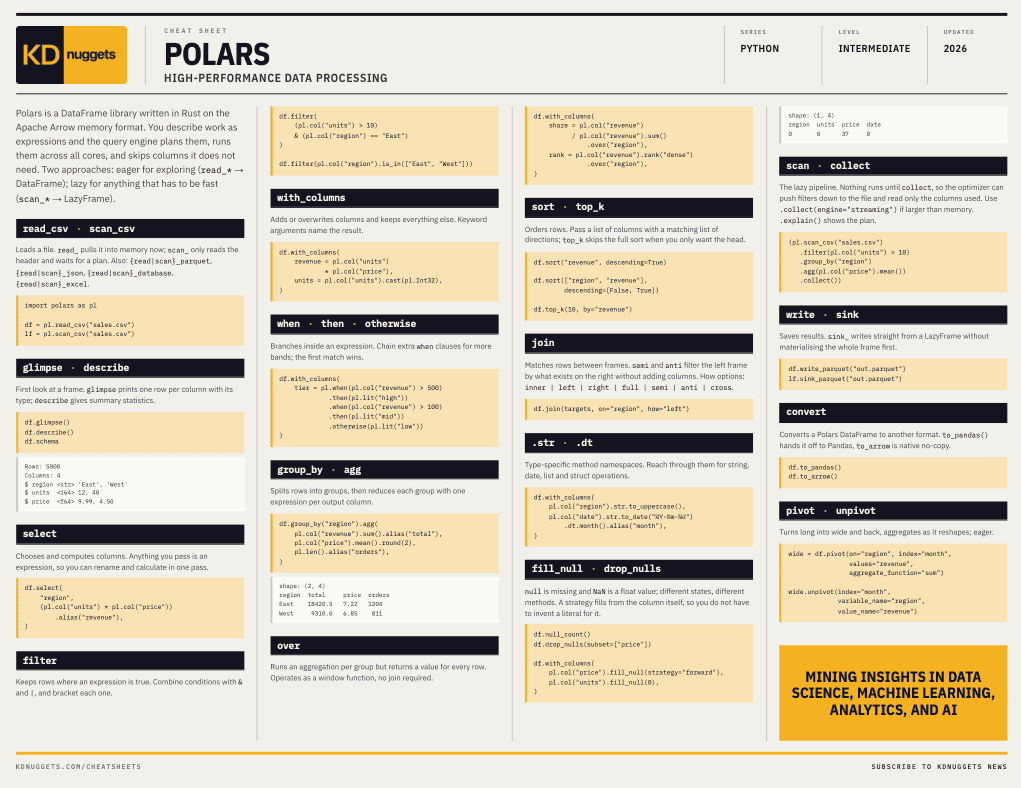
Polars is fast because it thinks before it acts. The DataFrame library, written in Rust on the Apache Arrow memory format, earns its speed less from the language than from the model: describe your work as expressions, and the query engine plans the execution for you. That distinction matters. It shifts the burden from your hardware to the engine's intelligence. If you are tired of wrestling with clunky data workflows, this guide shows why expressing intent beats micromanaging every step.

Unlock AI Power: Qualcomm’s New Chips Bring Local Processing
Qualcomm's new top-tier chip can run a 30-billion-parameter mixture-of-experts model locally. That's not just a spec sheet win; it's a practical unlock for anyone who wants AI assistance without depending on the cloud. Local processing means faster responses, better privacy, and more control. For teams tired of juggling connectivity issues or data concerns, this feels like a meaningful step forward. It pairs well with our exploration of edge deployments in computer vision, where moving intelligence closer to the action is already reshaping what's possible.

Unlock New Reasoning Power: A Deep Dive into Claude Opus 5.5
Claude Opus 5.5 reasons on every request, responds faster, and costs less to run. That combination is worth pausing over, because it points to a model designed for practical work rather than just benchmark bragging. Anthropic packed real upgrades into its latest flagship, and the implications for everyday data tasks are significant.

Uncover Retrieval Weaknesses: Test Your RAG Pipeline Now
Your evaluation set has a blind spot, and it's costing you. A small adversarial test set can expose retrieval failures your standard checks never touch, revealing exactly where your RAG pipeline stumbles under real-world pressure. This approach isn't about adding more data; it's about testing smarter. We think that's a practical, necessary step for anyone serious about reliability. For a deeper dive into how these systems hold up, our guide, "Verify Your AI's Understanding: A Simple Check for Tax Season," offers a useful parallel.
Accelerate Numerical Solutions: Introducing LinearSolveBench
Large sparse linear systems are where real numerical work gets slow, and most models stumble trying to write efficient C solvers. LinearSolveBench, a new benchmark from hgarud, directly measures how well a model or harness can produce fast, accurate, and general solvers for these systems. It pushes for algorithmic progress where it matters most: practical performance. If you are exploring how AI handles demanding computational tasks, this is a focused, honest stress test worth your attention.
Measure Embedding Relevance: A New Approach to Retrieval Benchmarking
Retrieval benchmarks often feel like they reward models for gaming the test rather than finding the right answer. The team at Qonto noticed this gap and built a metric that ties relevance more directly to real product questions. They paired it with a dedicated dataset, and the results point to a more honest measure of embedding quality. It is a practical step toward benchmarking that actually reflects how teams retrieve information.

Anthropic's Opus 5.5 Delivers Fable Performance at a Lower Cost
Anthropic says Opus 5.5 is the strongest model it has tested to date, and the headline numbers back that up with a welcome twist: this level of fable performance arrives at a lower cost. That matters for teams who have been waiting for serious AI capability without the usual premium. We see this as a practical step forward for data work, not just a spec sheet win.

Unlock ChatGPT Work's Potential: A Clear-Eyed Look at Strengths & Limits
ChatGPT Work gets credit where it's earned, but a clear-eyed look matters more than hype. It's a capable tool that simplifies real workflows, yet its limits are just as instructive as its strengths. The models behind it hold their own in many comparisons, but honest assessment beats blind praise. For anyone weighing adoption, this piece cuts through the noise. Curious how verification fits into that picture? Check out "Verify Your AI's Understanding: A Simple Check for Tax Season" for a practical angle.
Reduce Search Result Tokens by 74% with Smarter Data Structuring
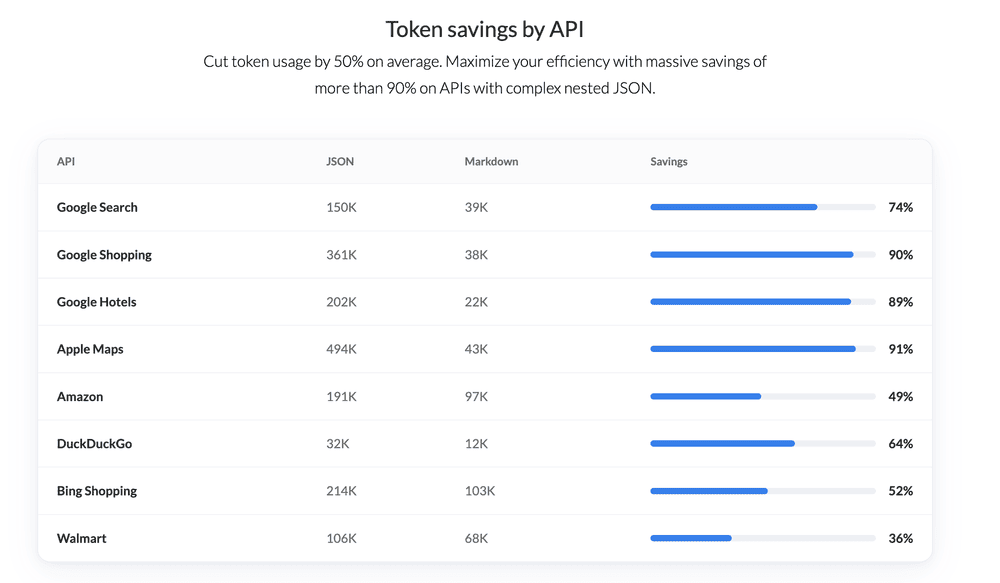
A single search result can quietly consume thousands of tokens, and that weight adds up fast when you're paying for every call. SerpApi's Markdown output tackles this directly, trimming usage by up to 74% by stripping away the noise and keeping only what matters. That's a meaningful reduction in context-window overhead and agent costs. It's the kind of practical efficiency that pairs well with the broader optimization thinking in our guide to distributed training.
AI Memory: Lessons Learned from a Large, Uneaten Pizza
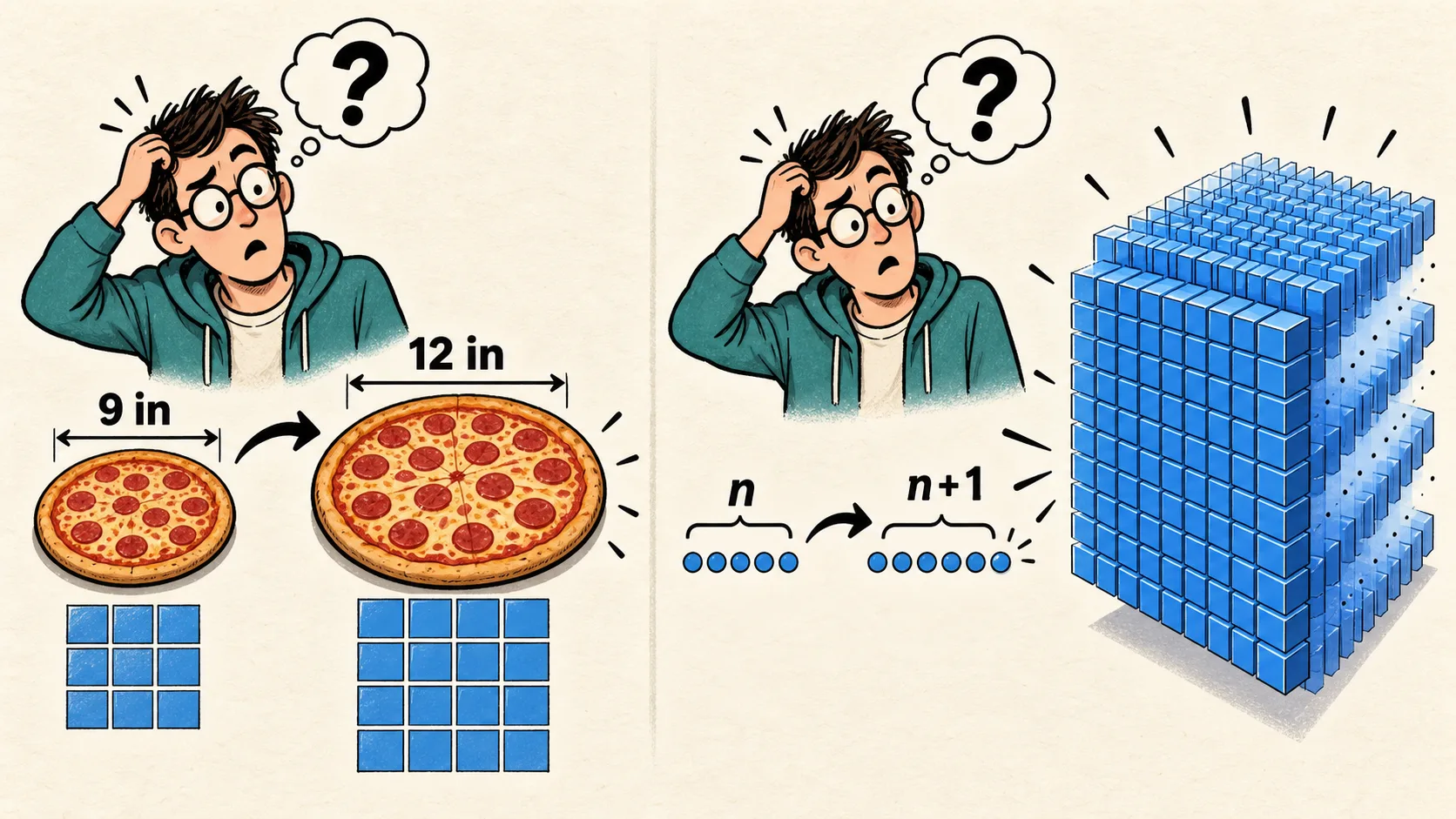
A large pizza ordered and left uneaten is more than a waste of good food. It is a perfect metaphor for how machine learning models handle memory. The post, "The N Squared Pizza Problem," draws a sharp parallel between that oversized order and the inefficiencies lurking in AI memory management. We appreciate the clever framing because it makes a complex topic feel immediate and relatable.

Solaris' turnstile shaped leaner locking in modern browsers and runtimes.
When Solaris introduced the turnstile mechanism, it tackled a problem every system builder knows: mutexes can bottleneck performance. Sun's design leaned toward leaner locking, and that thinking echoes through modern web browsers and language runtimes today. Alongside the Slab Allocator, OpenZFS, and DTrace, Solaris shaped how we build for efficiency. This isn't just history; it's a practical blueprint still guiding how we optimize memory and concurrency.

Active Compute Fabric cuts GPU idle time, reshaping AI infrastructure.
Cornelis just raised $205 million, and the message is clear: Nvidia's grip on AI infrastructure isn't untouchable. The company's Active Compute Fabric targets a quiet but costly problem, the wasted GPU cycles spent waiting on data. That's where efficiency lives, and that's where Cornelis is aiming. It's a smart, grounded challenge to the status quo, one that speaks to a future where hardware works smarter, not just faster. For more on how systems handle real-world demands, our piece on adaptive recommendation systems offers useful context.
Shared baselines across papers keep your research honest and efficient.
Running the same baseline models across two papers is a practical move, but it raises a fair question about duplication. If the RMSE tables match exactly and only the proposed models differ, you are reusing your own work, which is generally acceptable in research. However, journals may view this as redundant publication if not disclosed clearly. Transparency matters here. Disclose the shared baselines in both submissions and cite the other paper. That approach protects your integrity and keeps the focus on your novel contributions.

Tesla confirms second-gen Roadster reveal for October 1
After nearly eight years of waiting, Tesla has confirmed it will finally unveil the second-generation Roadster on October 1. The halo sports car, first announced in November 2017, is making its long-awaited return. It is a bold move for a company that thrives on anticipation. While the delay tested patience, the promise of a production-ready design suggests Tesla is ready to back up its ambitious claims.

SnapStart for container images removes the packaging tradeoff for serverless teams
For years, teams building on Lambda faced a frustrating tradeoff: pack a large container image for dependency headroom, or squeeze into a zip archive for sub-second startups. AWS has now extended SnapStart to container functions, which can hold up to 10 GB. That is a meaningful unlock. We saw the cost of that old constraint in a Reddit thread, where developers were stripping whitespace from packages just to fit. It is good to see that particular workaround become unnecessary.

Rustls Turns Ten: A Decade of Secure, Accessible TLS Innovation
Ten years ago, Rustls began as a grassroots experiment. Today, it stands as a funded, open-source pillar for secure communication, shaped by key organizational contributions and marked by real milestones like post-quantum cryptography. We find that kind of sustained, practical evolution genuinely impressive. The upcoming 0.24 release, with its focus on architectural flexibility and improved session handling, signals a mature project that refuses to stagnate.

Explore Smarter Image Editing with ChatGPT's Latest Update
OpenAI's ChatGPT Images 2.5 shifts focus from flashier outputs to something more practical: controlled editing. Sharper details, natural lighting, and up to 50% lower latency are welcome, but the real win is stronger reference-image preservation and reliable multi-turn edits. That's where productivity lives. Marketing claims only tell part of the story, so we've broken down five features worth testing. For a deeper look at how AI models handle real-world precision, our piece on computer vision deployments pairs well with this update.

TypeScript linting gets faster with tsgolint's stable type-aware release
TypeScript linting has long meant waiting on JavaScript's type system. tsgolint's stable v7 changes that by pairing type-aware analysis with Go's native speed. It now handles 59 of 61 type-aware rules, compatible with TypeScript 7.0.2, while Oxlint manages the configuration heavy lifting. That's a practical leap forward for teams tired of slow feedback loops. For a broader look at performance-minded tooling, our piece on Cloudflare's EmDash migration shows similar gains in a different context. Explore the release; your linting queue will thank you.

Resource Orchestration Made Practical with Stable Python Techniques
Orchestration often feels harder than it should, especially when you are juggling stable, everyday Python. Five techniques that actually work today, built for 3.11 and later, with one 3.14-specific tool clearly flagged for those ready to push ahead. It is a grounded, practical read. If you want to extend your coding mindset further, our guide on unlocking Python's advanced techniques pairs nicely with this approach.

Replace Python bottlenecks with Rust through incremental, low-risk refactoring.
Rewriting a working system from scratch is a gamble most teams don't need to take. Lily Mara's approach is more pragmatic: swap out Python bottlenecks for Rust piece by piece, using PyO3 to bridge the gap. The result is function-level speedups that compound, without the operational weight of microservices. It's a measured path to performance that respects what already works. For more on how databases handle similar pressure, our piece on Perplexity's CobbleDB migration offers a useful parallel.

Python Welcomes RISC-V as a Tier 3 Platform
RISC-V just earned its place in CPython's official lineup, and that's worth paying attention to. The core development team's move to Tier 3 status signals real momentum, built on genuine community collaboration rather than hype. It's a practical step forward, though the real test lies in tightening the continuous testing pipeline and chasing that Tier 2 goal. If you're working with RISC-V hardware, your feedback could shape that journey.