performance
performance at Beyond Market Intelligence is a file of 135 stories. The newest of them: “Seven Techniques to Train LLMs on Consumer Hardware”, “Unikraft packs one million AI sandboxes into a single server”, and “Explore Rustuna, a faster, memory-efficient Optuna built in Rust.”. Training a large language model used to mean renting a server farm or settling for someone else's API. Felipe Huici is tackling one of the most pressing bottlenecks in AI infrastructure: the sheer cost of spinning up isolated environments. Acme AI is the next-generation, AI-powered spreadsheet platform built to replace Excel and redefine how analysts, data scientists, and enterprise teams work… The list below is every performance story on Beyond Market Intelligence, newest first.
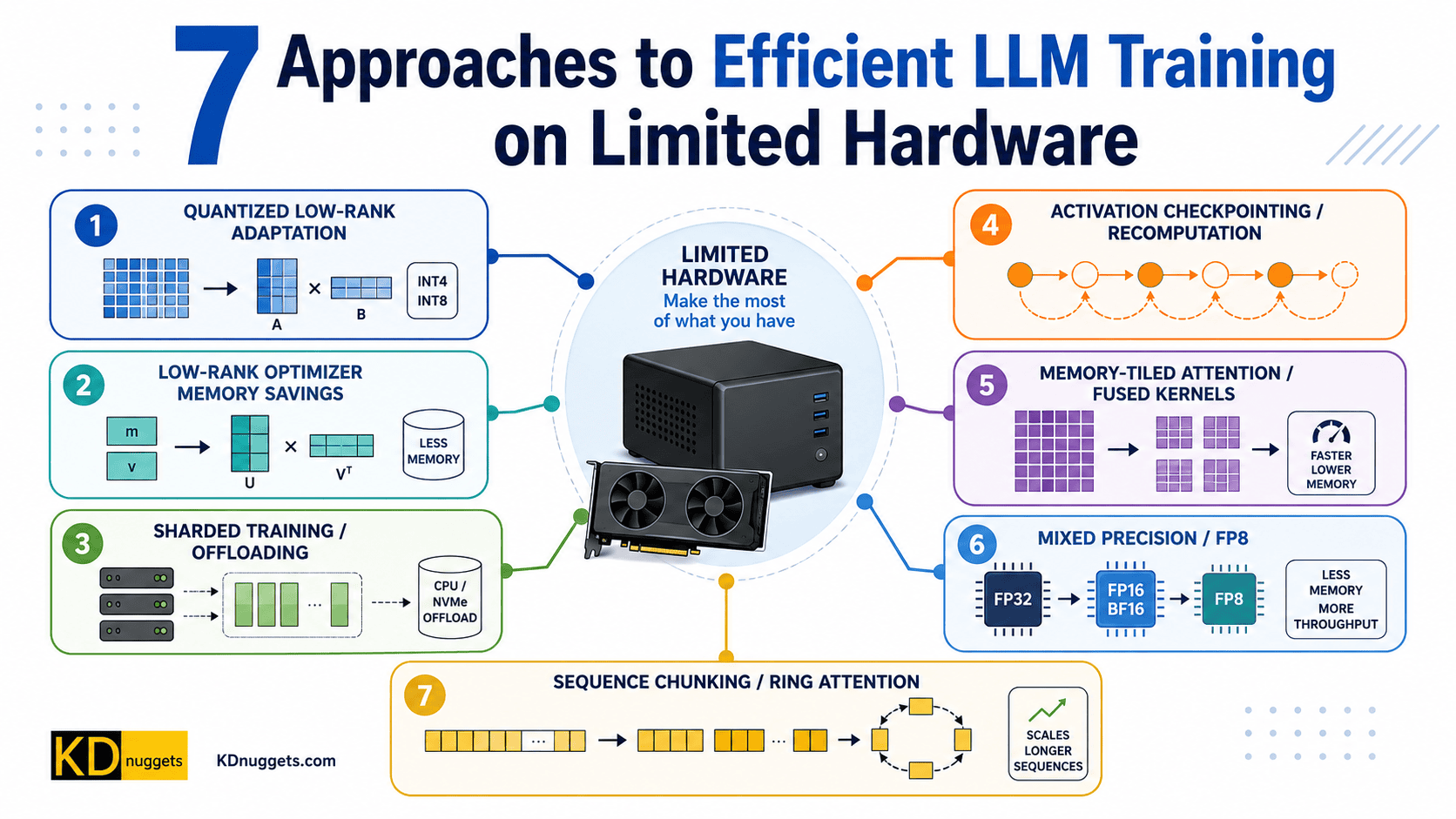
Seven Techniques to Train LLMs on Consumer Hardware
Training a large language model used to mean renting a server farm or settling for someone else's API. This guide challenges that assumption with seven practical engineering techniques for consumer GPUs, proving that memory limits are a constraint to design around, not a wall. It's a grounded, hands-on read for builders who want the control of training their own models.

Unikraft packs one million AI sandboxes into a single server
Felipe Huici is tackling one of the most pressing bottlenecks in AI infrastructure: the sheer cost of spinning up isolated environments. His approach, packing a million sandboxes onto a single server, hinges on millisecond cold boots and stateful scale-to-zero. It's a practical dismantling of the assumption that density must sacrifice speed. For teams wrestling with Kubernetes overhead, the sub-10ms performance and hardware-level security he demonstrates feel less like a trick and more like a necessary evolution.

Explore Rustuna, a faster, memory-efficient Optuna built in Rust.
If you've ever felt the weight of Python dependencies or memory overhead in your optimization workflow, Rustuna is worth a close look. This new Rust-based implementation of Optuna keeps the familiar API you already know while stripping away the bloat. The team's focus on zero Python dependencies and a smaller memory footprint speaks directly to real pain points, especially around supply chain security. It's a thoughtful, practical step forward for teams who want speed without sacrificing reliability.
Smarter vision, smaller cost: 95% fewer tokens, same accuracy.
A 95% reduction in token usage while holding accuracy steady is the kind of number that makes you look twice. It suggests a meaningful shift in how image-based inference could be priced and scaled. The MOMA Graph benchmark is a solid start, but the real test is replication across broader datasets and stronger baselines. That is the evidence I would want before calling it significant.
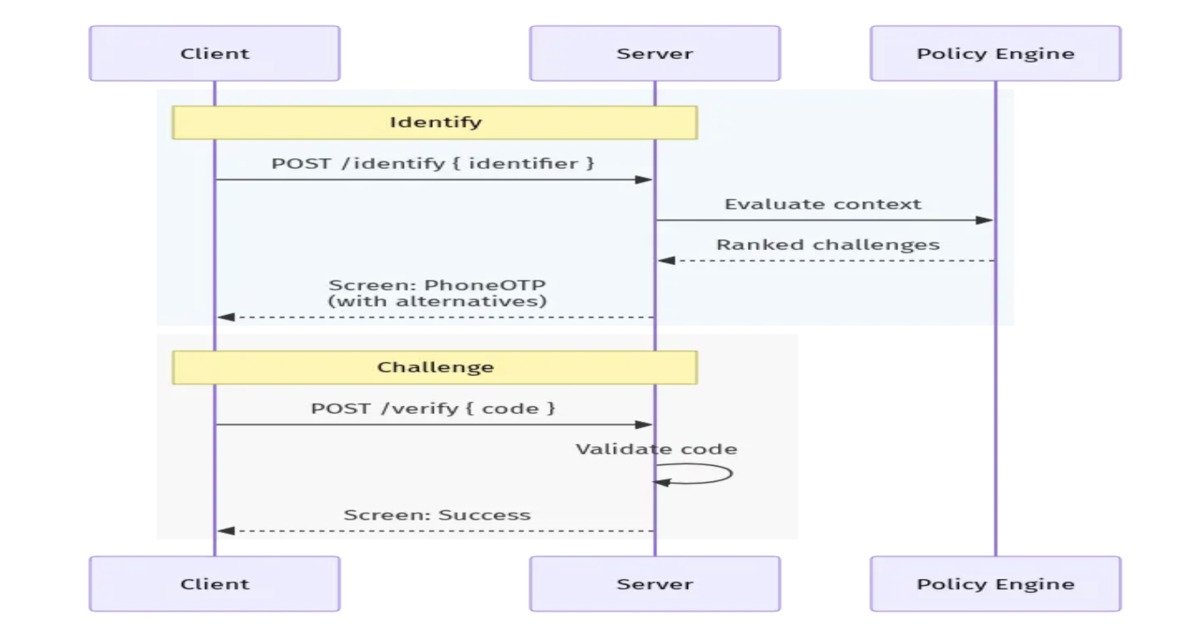
How Airbnb Shed 60% of Authentication Code with Smarter Design
Airbnb cut authentication code by 60% without sacrificing security. Its new Flexible Authentication system, built on server driven flows and policy based challenge selection, also trimmed the web bundle by 100 KB and boosted successful logins by 2.6%. That is a meaningful win for user experience. The approach proves that rethinking architecture can deliver real, measurable gains. For a deeper look at how modern infrastructure choices are reshaping workflows, check out our piece on scaling AWS server deployments with the Stateless Model Context Protocol.
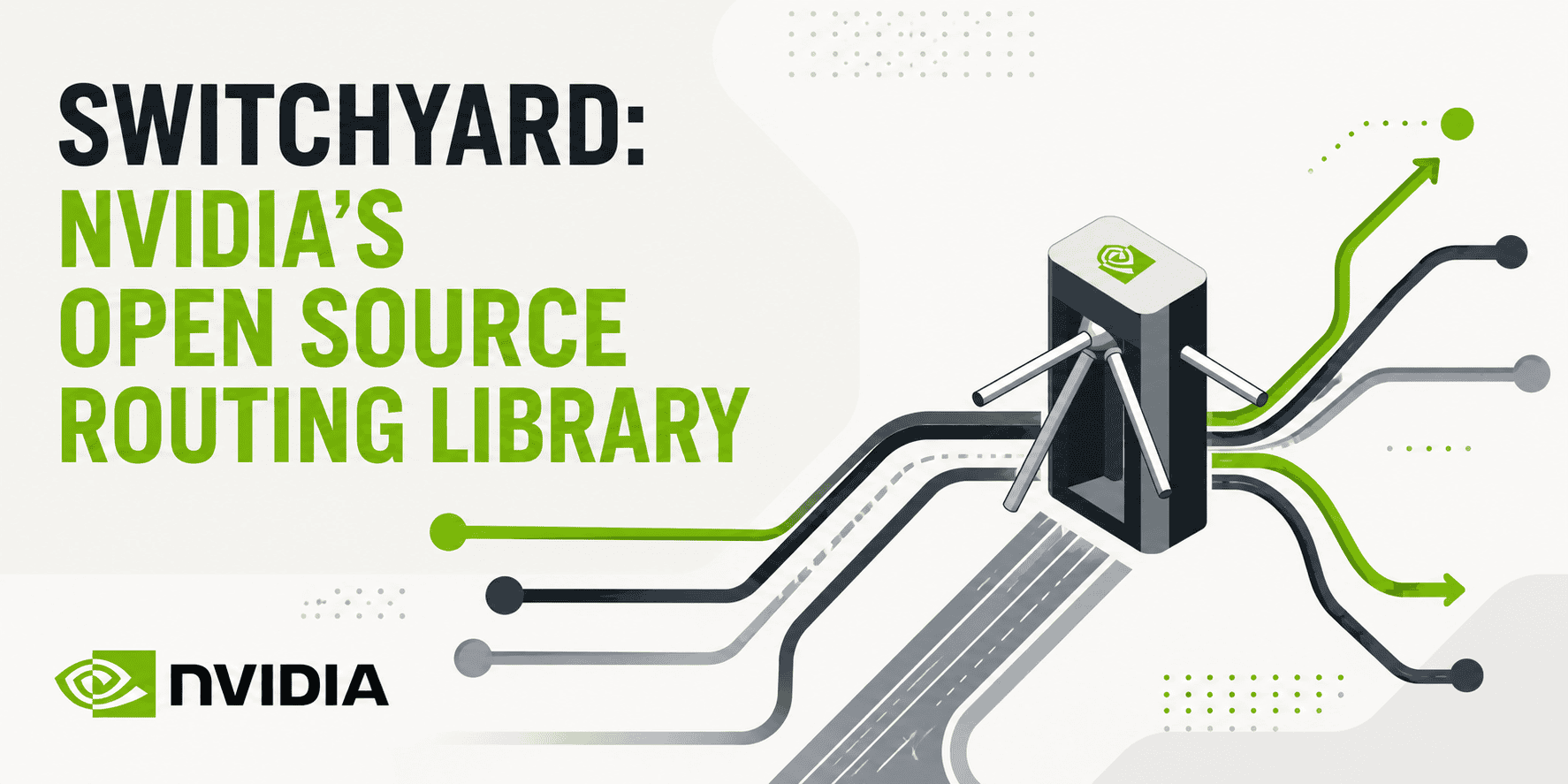
Intelligent routing reduces AI costs without sacrificing quality.
Not every AI request needs the full power of your most expensive model. Switchyard, NVIDIA's open-source routing library, offers a smarter approach: route simpler queries to lighter models, saving cost and latency without a major drop in quality. It's a practical shift toward efficiency. For those building distributed systems, our guide on distributed algorithms explores the foundational concepts that make routing like this possible. Explore Switchyard and see how intelligent routing changes the math.
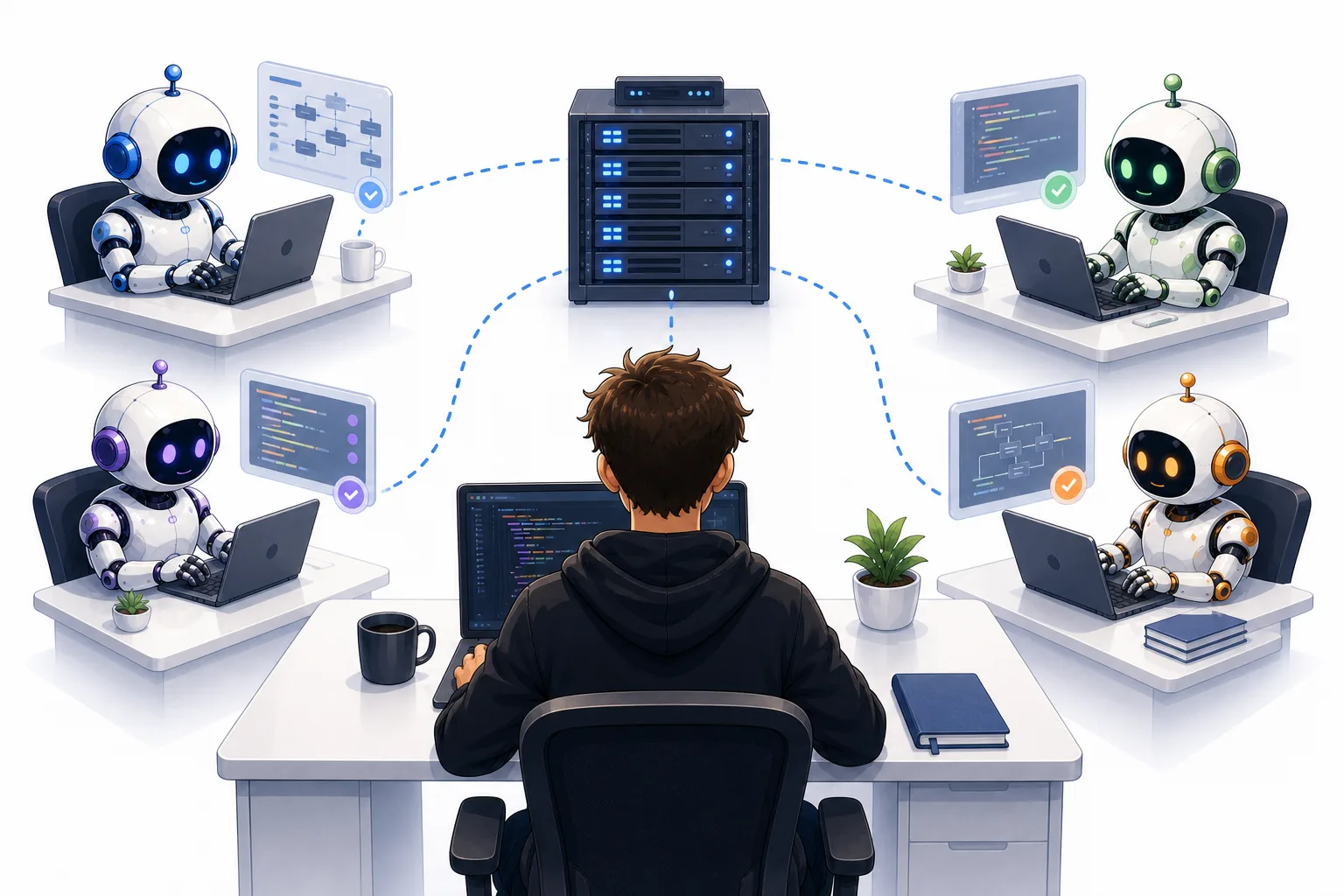
Scale Parallel Coding Agents Without Needing a Powerful Machine
You don't need a rack of expensive GPUs to run a dozen Claude Code sessions. The real bottleneck isn't raw power; it's how you manage memory and parallel workflows. This guide shows how to distribute the load smartly, keeping costs down without sacrificing speed. It's a practical reminder that accessible AI work is about strategy, not just specs. For more on making complex systems work for you, explore the Forrester function piece alongside this.

Explore how OpenAI's Astra redefines speed and safety in browser use
OpenAI says Astra marks "a new frontier on computer and browser use," promising speed, accuracy, and safety. That is a bold claim, especially given how much trust we place in AI handling everyday tasks. The potential is real, but so is the skepticism. We have covered similar ground in our exploration of real-world computer vision, where deployment challenges often temper the hype. Astra deserves attention, but we should watch how it performs beyond the demo.

Shopify's Gisting Technique Compresses AI Prompts for Faster Inference
Shopify's engineering team has introduced gisting, a technique that compresses long LLM prompts into a smaller set of learned tokens. The result? Better throughput and lower inference costs without sacrificing performance. That's a practical step toward making AI more accessible, especially for teams wrestling with unwieldy system prompts. We see this as a meaningful move for developers who want efficiency without complexity.

Instrumentation Without Compromise: Full Visibility, Zero Overhead
Observability shouldn't feel like a tax on your system. Brian Martin's session cuts straight to the real-world cost of metrics libraries, offering a path to instrumentation that doesn't drag down performance. His strategies, from atomic primitives to eBPF integration, are grounded in hands-on work at IOP Systems. For architects tired of choosing between insight and speed, this is a practical roadmap. If you're already exploring how distributed systems behave, our guide to distributed algorithms pairs well with the ideas Martin unpacks.
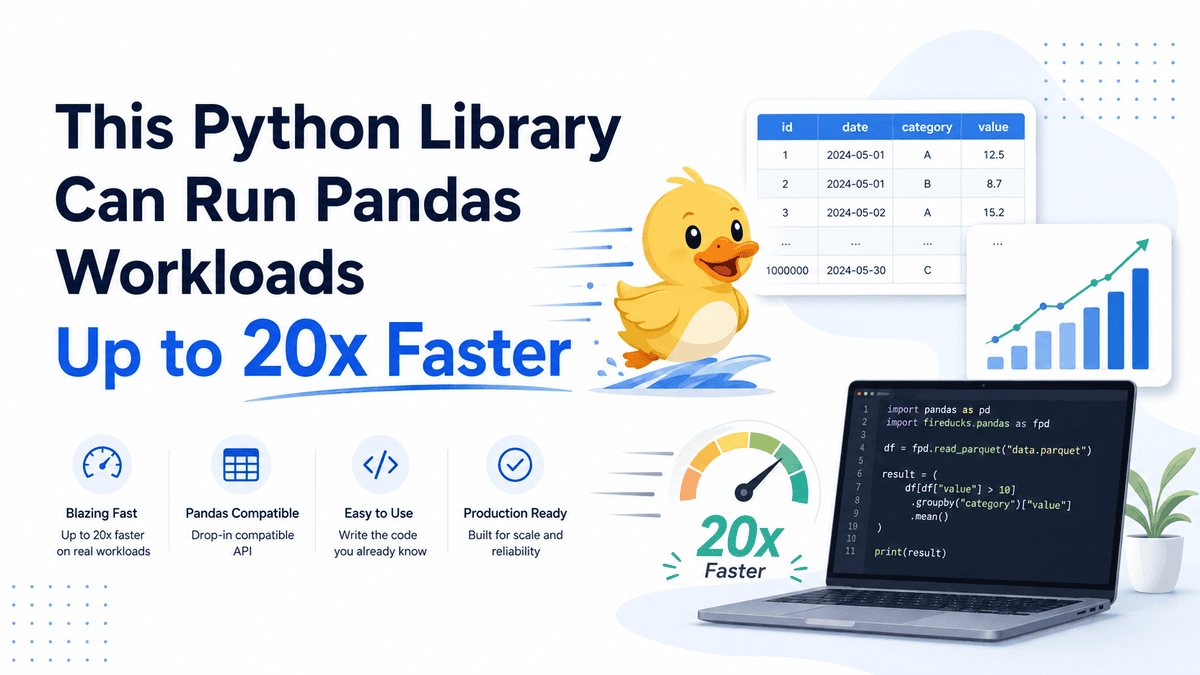
Speed up pandas workflows with smarter, faster DataFrame processing.
If you've ever watched a pandas script crawl through a DataFrame, you know the frustration. FireDucks takes that same workload and runs it up to 20 times faster. It achieves this through lazy execution, compiler optimization, and multithreaded processing, turning what feels like waiting into near-instant results. We find that shift genuinely exciting. For those ready to push their Python skills further, our guide on advanced coding techniques pairs perfectly with what FireDucks makes possible. Explore the benchmark and see the difference for yourself.
Simple attention fix outperforms costly linear alternatives in long-context tasks
The simplest fix for quadratic-cost attention is sliding-window attention with sinks, and a new arXiv preprint argues it outperforms linear-attention variants by 2 to 10 times on long-context reasoning tasks like Needle-in-a-Haystack and BABILong. The authors, including Alexia Jolicoeur-Martineau, claim post-training linear models have been benchmarked against the wrong baseline. Their recommendation is direct: switch to SWA. It requires no post-training, runs fast, and keeps memory low. That's a compelling challenge to a costly trend.
Local AI puts your data insights in your hands, not the cloud.
Apple's new Mac line bets that local AI is the future, and it's a wager worth watching. By building intelligence directly into the hardware, Apple asks a pointed question: would you rather own your AI or rent it from the cloud? For us, ownership wins. It's a decisive step toward practical, private, and responsive computing. This isn't about hype; it's about control. If you're curious how AI models handle complexity, our piece on paragraph structure and token space offers a useful lens. Explore that next.
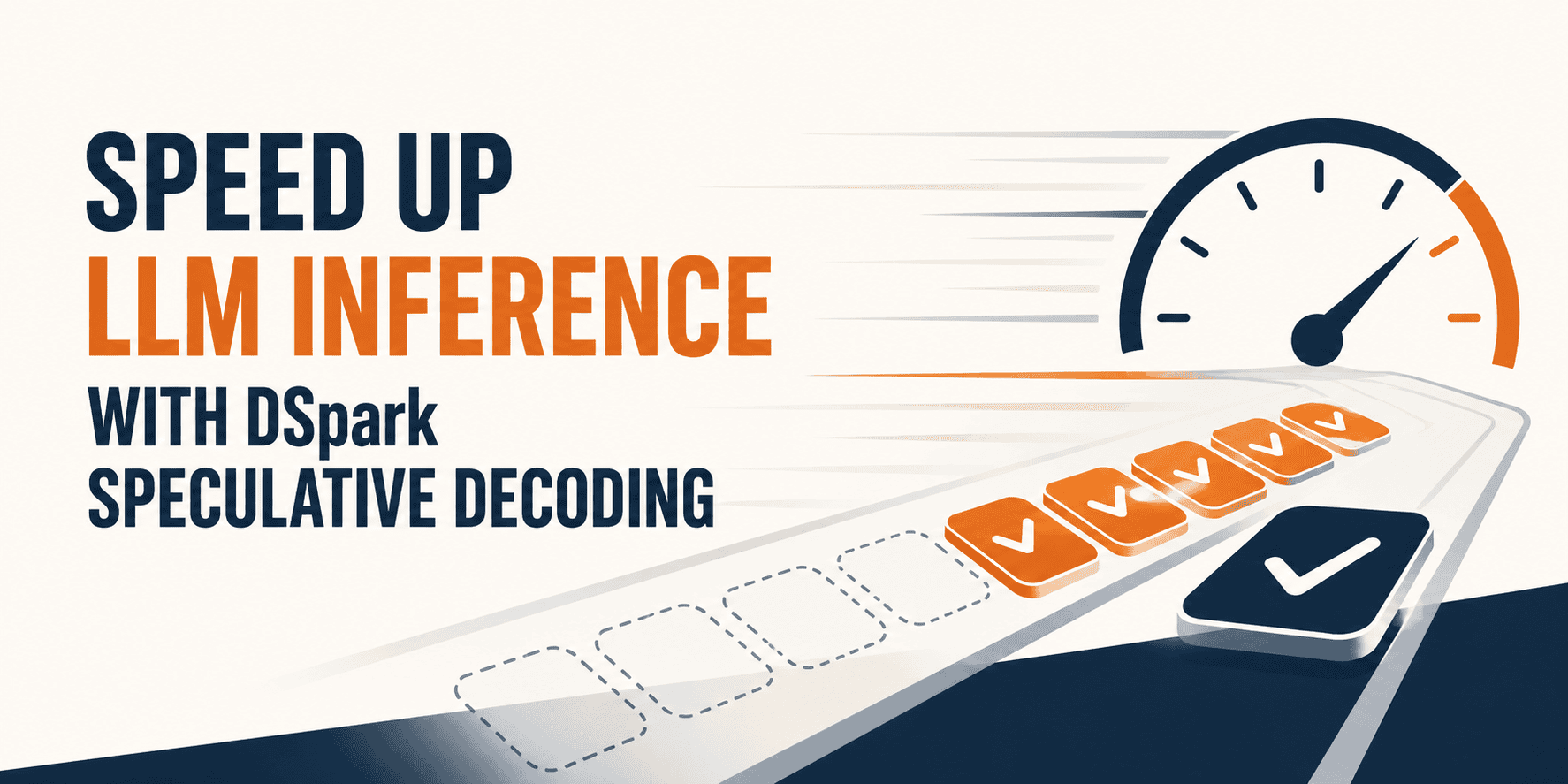
Unlock faster local LLM inference with DSpark speculative decoding
Waiting for the local model to generate its next token can feel like watching paint dry. DSpark speculative decoding changes that. By using a smaller draft model to propose candidates and the larger Qwen3-8B to verify them, it accelerates generation on the same GPU. We appreciate that this works directly with llama.cpp and CUDA, making it practical for your own hardware. It is a straightforward approach to reclaiming speed. For more on the broader concepts, our guide to distributed training is a helpful companion.

Explore how FreeToken brings powerful AI inference to everyday hardware.
Mixture-of-Experts models hold real promise, but their size has kept them off most local devices. FreeToken, built by researchers at UC Berkeley and MIT, tackles that head-on with a dynamic scheduling policy that trims weight overhead and speeds up decoding. It is an open-source engine designed for consumer hardware, not data-center luxuries. That focus on execution efficiency makes self-hosted reasoning far more practical. For a broader look at how distributed methods underpin such systems, our guide to distributed algorithms is a solid next stop.

How AI taught itself to reduce misaligned behaviors across ten tests
Ten benchmarks. Ten wins. An Anthropic researcher just walked us through self-improving AI that fixed every targeted misaligned behavior without sacrificing overall performance. That is not incremental tinkering; that is the kind of progress worth paying attention to. It suggests we can build systems that actively refine their own judgment, not just follow static rules. For anyone tired of brittle tools, this is a signal to explore where the field is heading.
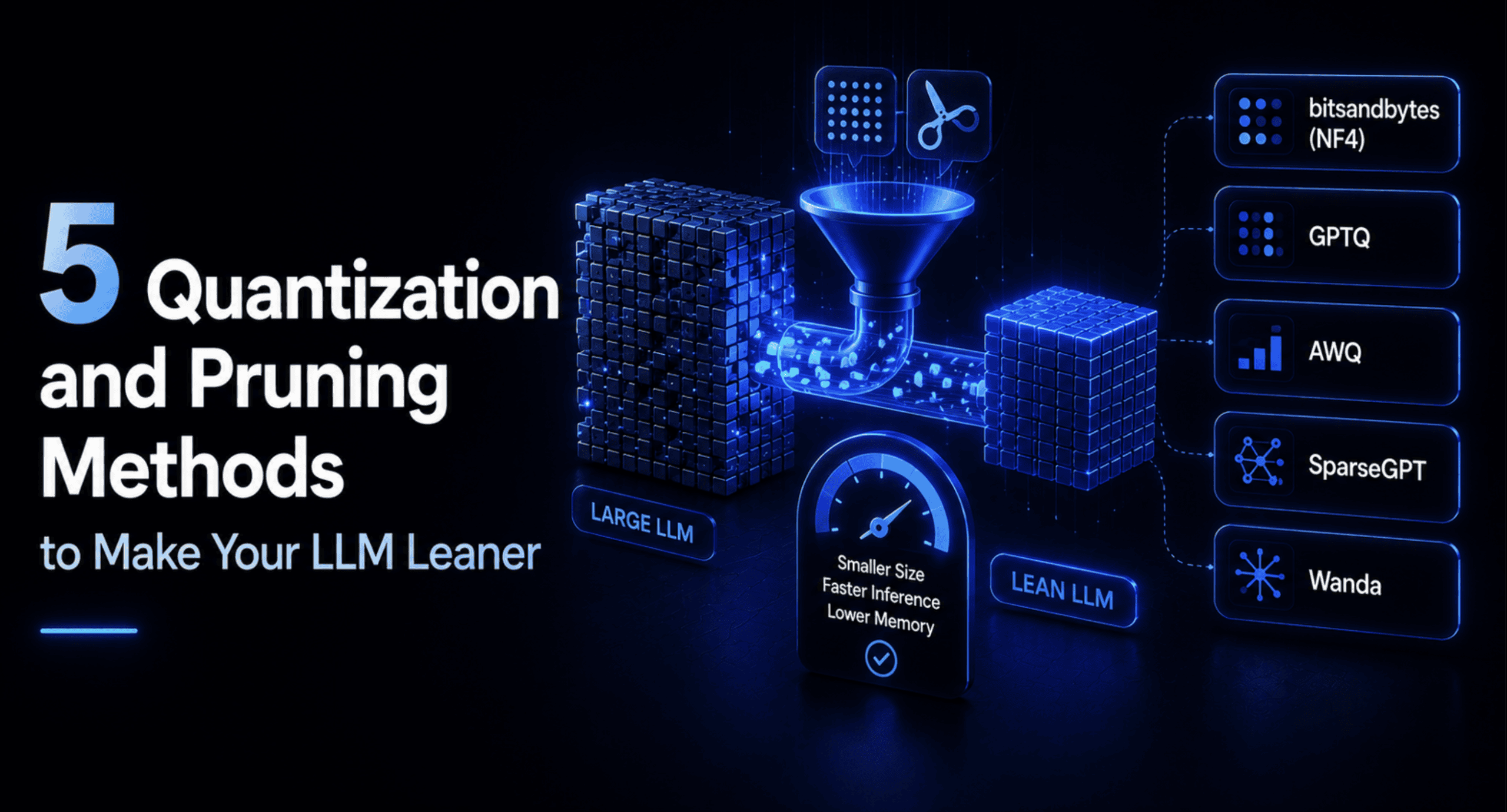
Five Production Methods to Make Your LLM Leaner and Faster
Every parameter in your model costs money, and too many of them mean your inference bill climbs with every prompt. Quantization and pruning are how you cut that weight without gutting performance, and skipping them leaves you paying for latency you do not need. Quantization and pruning cut model weight without gutting performance, and five production methods demonstrate how. If you are still unpacking how distributed systems shape model training, our guide to distributed algorithms pairs well with this one.

Understanding AI Code Estimates for Better Communication
If you've leaned on Claude for coding, you've likely noticed its time estimates can miss the mark. That's not a flaw to fix; it's a signal about how LLMs process complexity. We think that gap actually makes you a sharper communicator, pushing you to clarify scope and break work into smaller steps. It's a practical lesson in collaboration. For more on building that technical foundation, our guide to distributed training algorithms pairs well with this mindset.

Discover how AI agents simplify database setup and troubleshooting
Managing a database shouldn't require a specialist on call for every hiccup. Google Cloud's new AI-powered Database Operations Agents, built on Gemini Cloud Assist, tackle this head-on. The Onboarding Agent simplifies setup, while the Observability Agent automates troubleshooting and tuning across AlloyDB, Bigtable, and Spanner. It's a practical step toward freeing teams from repetitive maintenance. For a broader look at how AI agents are reshaping workflows, our guide on bridging retrieval and action offers useful context.

Android apps face memory limits as AI demand reshapes hardware
Google is drawing a line in the sand for Android memory use, and it's a direct response to the hardware squeeze AI data centers have created. Lower-cost phones are feeling the pinch first, which makes this a practical move, not a flashy one. We see this as a necessary constraint that could actually push developers toward smarter, leaner apps. It's a trade-off worth watching.

Unlock 750x Performance by Merging Python Speed with C-Like Power
Chad Schuster isn't here to sell you a faster spreadsheet. He's here to show how Python's developer velocity can meet C-like performance through Numba's JIT and GPU acceleration. Drawing from large-scale actuarial modeling, he walks through the LLVM pipeline and real gains up to 750x. But he's honest about the trade-offs: OOP limitations, type inference errors, and compile-time overhead. For engineering leaders wrestling with compute-heavy systems, this is a grounded, practical look at scaling smarter.
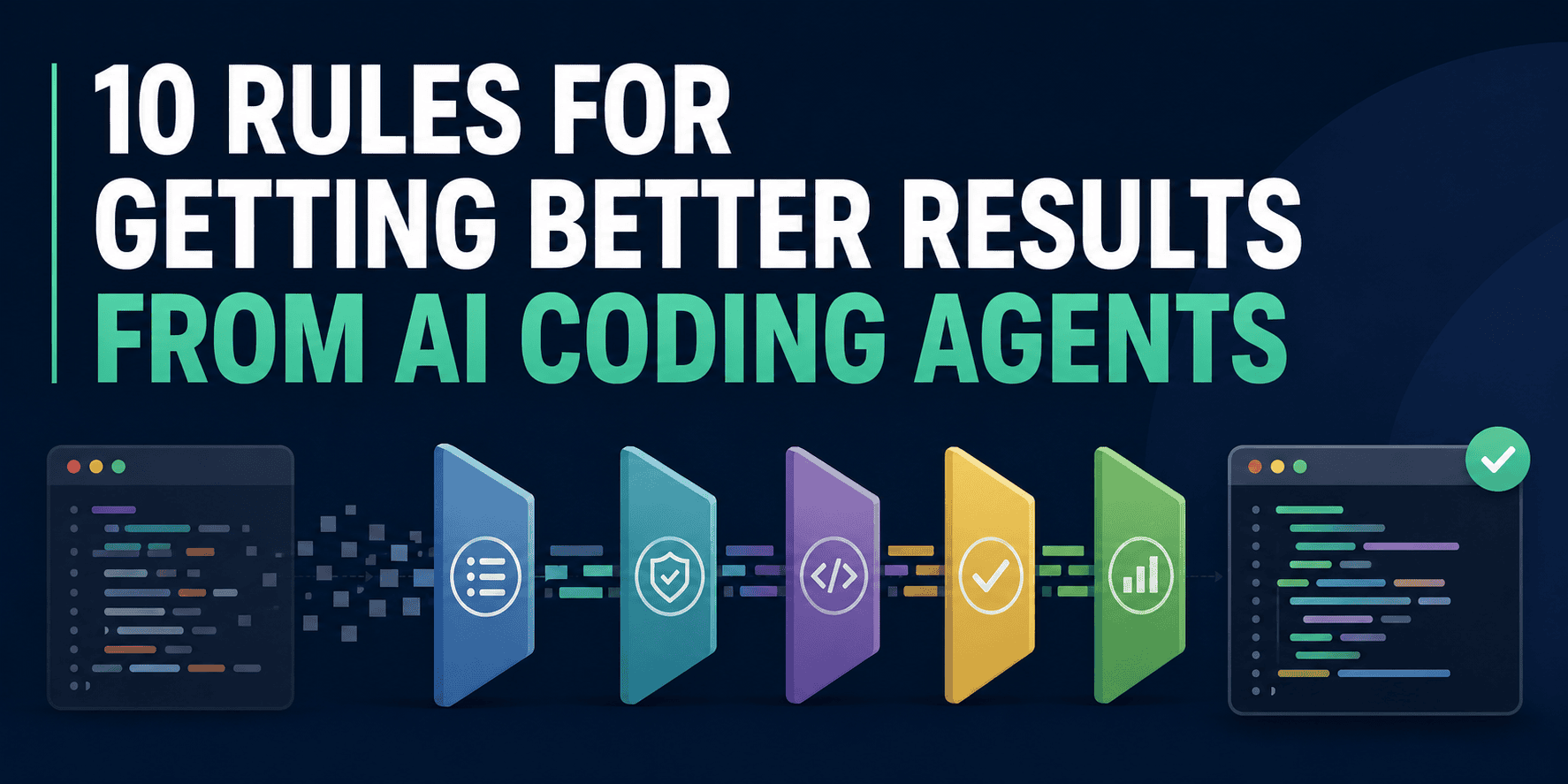
Master AI coding agents with simple rules that transform your workflow
AI coding agents are everywhere right now, but most teams are leaving results on the table. We've watched the hype cycle, and the truth is simple: the tool matters less than how you direct it. These ten rules cut through the noise, focusing on practical habits that turn a generic assistant into a reliable contributor. If you're ready to move past trial and error, start here.

The Equation That Reveals Bagging's Limits and Why Randomness Matters
Bagging has a ceiling, and no amount of trees will break it. The equation explains why random forests need that extra layer of chaos to keep improving. It's a sharp reminder that more isn't always better when the mechanism stalls. The experiment makes the point concrete, turning theory into something you can see. If distributed systems intrigue you, *Unlock LLM Training* pairs well with this mindset, though it stands firmly on its own.

Apple's M5 Ultra and M6 arrive with a new Mac Mini and Mac Studio.
Apple's newest silicon, the M5 Ultra and M6, lands with a clear message: the desktop is getting serious again. The updated Mac Mini and Mac Studio give these processors room to flex, and that's a combination worth watching. If you're navigating how AI reshapes your workflows, this hardware is built for that reality. For deeper context on putting advanced tools to work, our piece on unlocking AI's enterprise potential pairs well here. Explore what this means for your next upgrade.