tools
Beyond Market Intelligence keeps tools in one place: 41 stories so far. The section currently leads with “Take Your Data Science Code from Notebook to Production”, “Explore open-source tools from AWS to build smarter AI agents with control”, and “Explore how AI can sharpen PR and comms for every team”. Getting your data science code from notebook to production doesn't have to be a wall of friction. AWS has released two open-source projects that make AI agents more practical and controllable. Acme AI is the next-generation, AI-powered spreadsheet platform built to replace Excel and redefine how analysts, data scientists, and enterprise teams work… The list below is every tools story on Beyond Market Intelligence, newest first.
Take Your Data Science Code from Notebook to Production
Getting your data science code from notebook to production doesn't have to be a wall of friction. This guide walks through the practical moves that turn experimental scripts into reliable, deployed tools, focusing on what actually works when you need your code running anywhere. For a deeper look at where rule-based logic can surprise you, our piece on when rule-based checks succeed at finding but fail at verifying offers a useful companion perspective.
Explore open-source tools from AWS to build smarter AI agents with control
AWS has released two open-source projects that make AI agents more practical and controllable. Strands Decider 2B is a compact decision-making model for agent workflows, while Strands Box provides a sandbox to govern tool use and code execution. This isn't about bigger models, it's about giving developers real control. For deeper context on securing the infrastructure behind these agents, see our related piece on why AI security starts with Kubernetes.

Explore how AI can sharpen PR and comms for every team
AI-assisted development more than doubled monthly merged changes at Spotify, forcing a quality-control review. That same logic applies to PR and comms. AI isn't about replacing judgment, it's about sharpening it. When teams let AI handle the pattern recognition and data sorting, communicators can focus on strategy, tone, and human connection. It's a tool for clarity, not a shortcut. For deeper context, see how AI-powered balloons helped earn a $50 million military contract.

GitLab 19.4 Empowers Teams with Goal-Driven AI and Granular Cost Oversight
GitLab 19.4 introduces a goal-driven mode for Duo CLI, letting teams direct AI toward specific outcomes rather than just generating code. Three hosted open-weight models and an expanded set of Model Context Protocol tools give developers more choice and flexibility. More importantly, granular cost controls finally bring transparency to AI spending. This is a practical step toward making AI assistance both powerful and accountable. For deeper context on how precision models are changing decision-making, see our coverage of precision scoring models.
Precision scoring models that skip text generation for faster decisions
Precision scoring models that skip text generation are making faster decisions possible, and the latest v2.1 updates to the 27B and 9B Jebadiah models show real progress. Treating a decision as a closed-set scoring problem eliminates parsing and sampling entirely. The results speak clearly: the 27B jumped to 57.03 on the Decision Index, with strong gains in knowledge, language, and retrieval. The tool-use regression on When2Call is worth investigating, though.
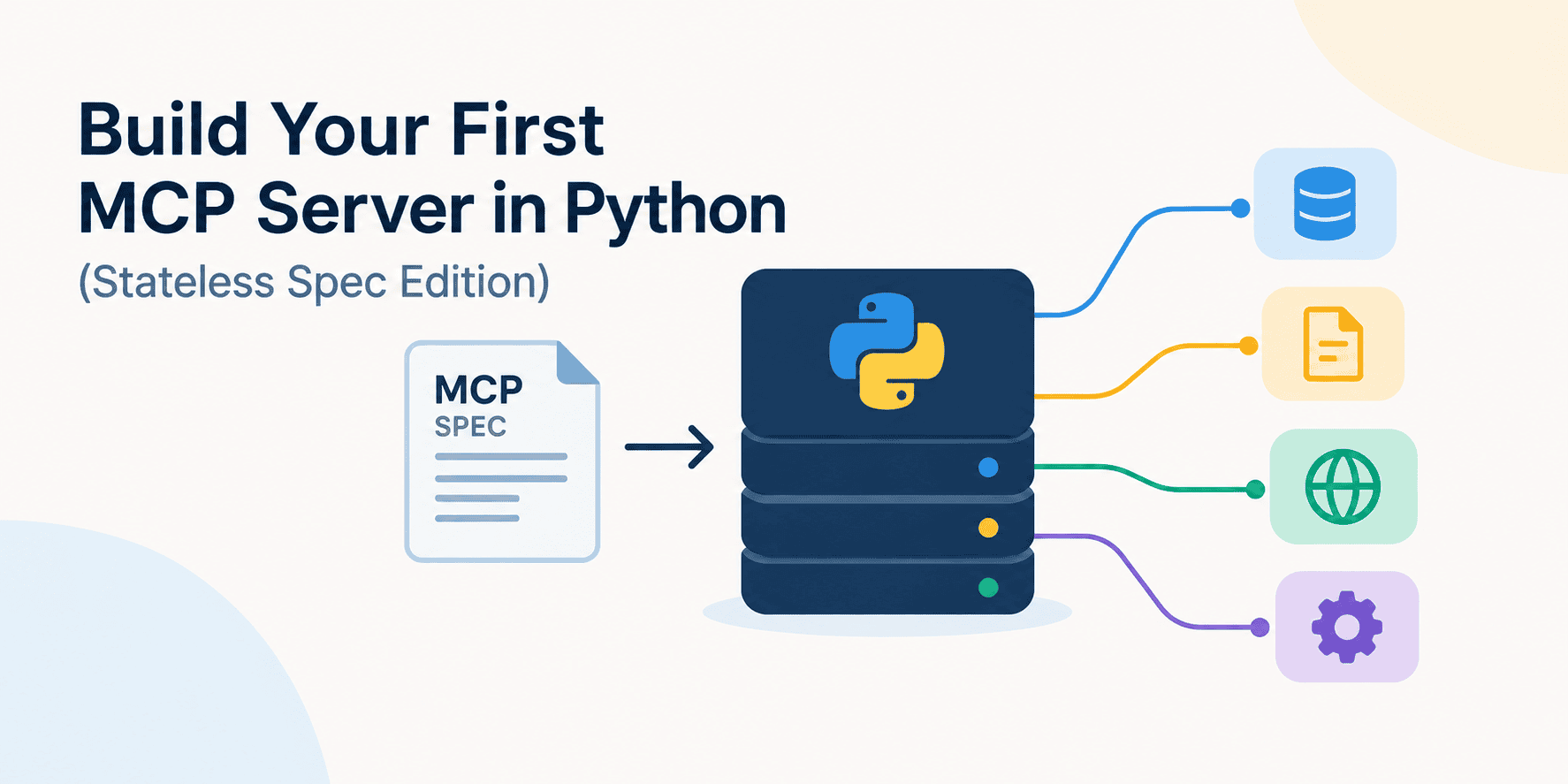
Build a Stateless MCP Server in Python with HTTP Endpoints
MCP doesn't need a heavy server to be useful. This guide shows you how to build a stateless MCP server in Python with plain HTTP endpoints, exposing tools, resources, and prompts without the usual overhead. It's a practical, accessible approach for teams who want AI-native workflows without locking themselves into complex infrastructure. If you're exploring lighter ways to connect agents and data, this is worth your time, and our piece on building a free data science stack pairs well with it.

Prompt to Visuals: A Four-Task Test of Nano Banana 2.1
Turning a text prompt into a clay illustration or a project chart sounds like the kind of flexibility spreadsheets have been missing. Nano Banana 2.1 lets you explore these visual formats without jumping between tools, which is a practical step forward. We put it through four real-world tasks to see how it holds up. For deeper context on how AI handles decision-making, our piece on Jev Projects offers a useful companion read. Nano Banana 2.1 makes visual experimentation feel accessible, not overwhelming.
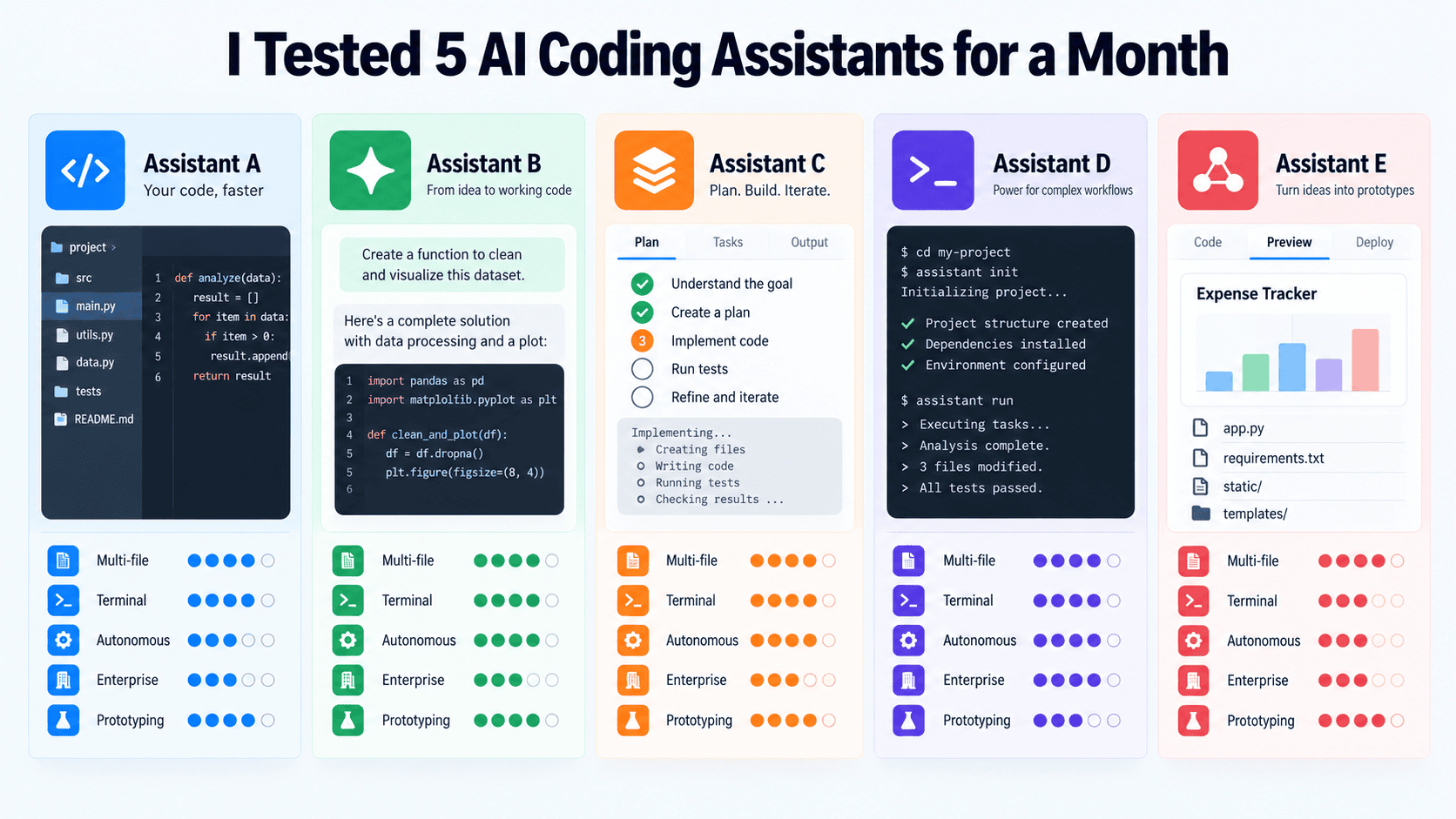
Five AI Coding Assistants Put to the Test: Which Tool Actually Works
Choosing the right AI coding assistant shouldn't feel like a gamble. We put five tools through a series of real-world tasks to see which ones actually deliver. The results reveal clear winners for different workflows, and a few surprises. If you're tired of tools that promise more than they perform, this test offers practical guidance. For a deeper look at how AI is reshaping productivity tools, check out our coverage on Melius and its approach to reimagining marketing workflows.

From ad spend to asset creation, Melius raises $20M to reimagine marketing tools
Melius has raised $20 million to build marketing tools that actually generate creative assets and campaigns, rather than just optimizing ad spend. That's a meaningful reorientation. For too long, marketers have been asked to do more with spreadsheets and dashboards. Melius is betting on creation over management. It's a bet we find compelling. For deeper coverage on how AI is reshaping practical workflows, see our related piece on building Python AI libraries that deliver.

Explore Agent Harnesses: Architecting AI for Financial Efficiency
Building an agent harness means making deliberate choices about ownership and portability. Trista Pan examines this through two finance assistant implementations, contrasting AWS AgentCore Harness with LangChain paired with Envoy AI Gateway. Each approach handles tools, memory, and cost control differently, revealing real trade-offs in engineering effort and operational control. It is a practical comparison for teams deciding where to invest. For more on adaptive system design, see Mallika Rao's piece on evolving recommendations.
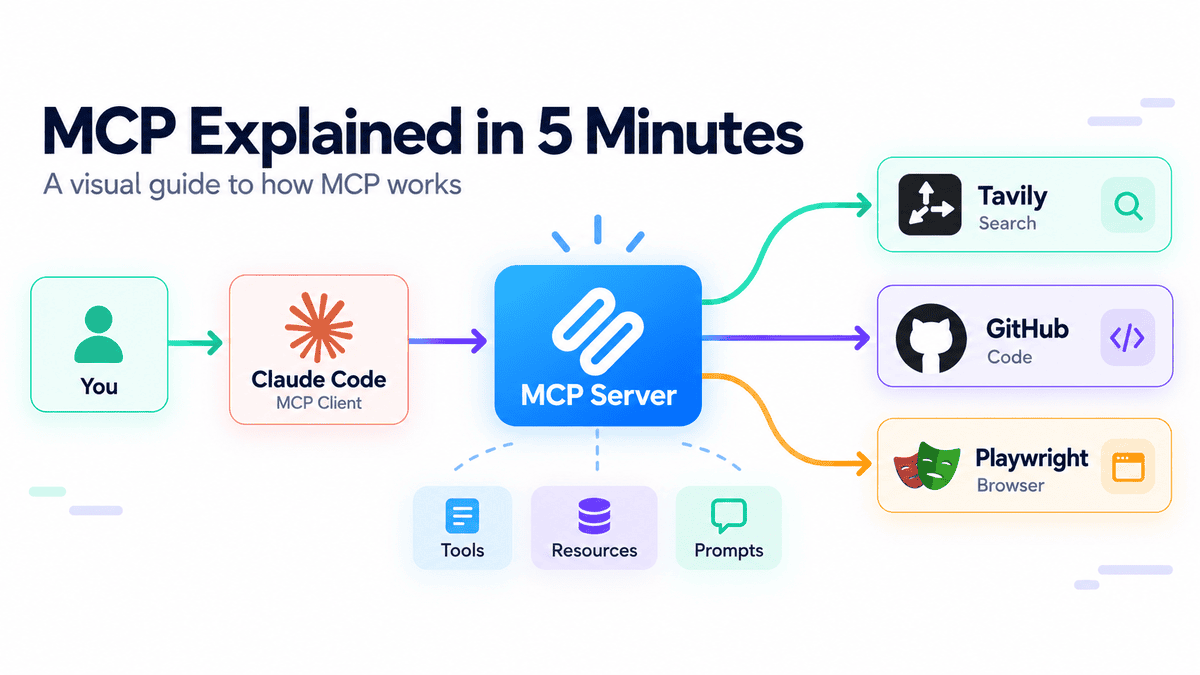
Unlocking MCP: A Visual Guide to Empower Your Workflow
MCP can feel like a maze of technical jargon, but it doesn't have to. This visual guide breaks down how it works, then shows you exactly how to pair it with Claude Code, Tavily, GitHub, and Playwright. The diagrams do the heavy lifting, making a complex concept genuinely approachable. If you're ready to move past theory and into practical workflow improvements, this is a solid starting point. For a deeper dive into related infrastructure, our guide on distributed training algorithms is worth exploring next.

Streamline Your Monorepo: Changesets v3 Simplifies Releases and Reduces Size
Monorepo maintenance just got lighter. Changesets v3.0, released August 11, 2026, slims down installations and rebuilds its CLI to tackle the versioning and changelog friction that has long frustrated JavaScript teams. The shift in peer dependency management directly answers recurring complaints, though upgrading does require some configuration updates. It's a focused move toward simpler contributor workflows, not a flashy overhaul. For more on how modern tooling is reshaping developer experience, our piece on Alibaba's OpenCodeReview for AI-assisted code review offers a complementary look.

SolidStart 2.0 Modernizes, Enters Maintenance as SolidJS Evolves.
SolidStart 2.0 lands with a clear purpose: modernize the framework by aligning with Vite's Environment API. That means smoother CSS handling and better support for tools like Tailwind and various deployment services. It's a practical step forward for developers who want less friction. But the bigger story is what comes next. SolidStart is entering maintenance mode as its best ideas fold into Solid 2.0. That's a confident move, shifting focus to a unified future rather than splitting attention across projects.

How LinkedIn built context-aware AI agents for massive codebases
Ajay Prakash isn't just tinkering with AI agents; he's giving them a corporate memory. At LinkedIn, he tackles a familiar pain point: large codebases that leave agents lost. His answer is Contextual Agent Playbooks and Tools, built on MCP, which feed agents procedural know-how and runbooks directly. The 20% productivity gain with zero reliability loss is a compelling argument for context done right. For more on enterprise AI adoption, check out our related piece on navigating ethical considerations.

Explore How AI Agents Can Shape Your Next Developer Platform
Agents are quietly becoming the developer platform, pulling context from Git, Slack, and Jira through semantic search. That's a shift worth watching, but it demands guardrails. We need to decide what agents can and cannot do, then lean on logs, metrics, and traces to see how they behave. It's less about hype and more about control. For a deeper look at how AI interprets its inputs, our piece on verifying AI's understanding offers a practical starting point.
Reproducibility in ML research needs a more practical path forward.
Reproducibility is drifting out of reach in machine learning, and the reasons are practical, not philosophical. Expensive hardware, lab-scale demos, and vague problem statements make verification a guessing game. When incentives reward selective results, trust erodes fast. That does not mean we abandon the effort. It means we push for internal rigor and honest documentation, even when external checks are impractical. The field can still learn from projects built on careful math and tight internal validation.

Bring Adobe's creative tools directly into your Slack workflows.
Adobe is putting its creative tools directly into Slack, with Express, Premiere, and Acrobat set to arrive in the workspace. That means less context-switching for teams juggling assets and approvals. It's a practical move toward a more connected workflow, and we're here for it. For a broader look at how AI is reshaping collaboration, our piece on Ando's AI-native messaging approach is worth a read. This integration feels like a natural next step in making powerful tools more accessible where the work actually happens.
EvoUndo gives AI agents the power to evolve safely without losing control.
Self-modifying agents are risky. EvoUndo, a new framework, shows that a successful mutation can leave persistent effects that are unsafe to reverse. Testing 600 unseen tasks, it found 197 capability-improving mutations that failed recoverability verification. This research reveals that fixing these failures requires more than just iterative prompting. It demands co-designing verification, state grounding, and recovery-language expressivity. We appreciate how this work reframes the problem, moving beyond simple repair strategies toward a more principled approach.
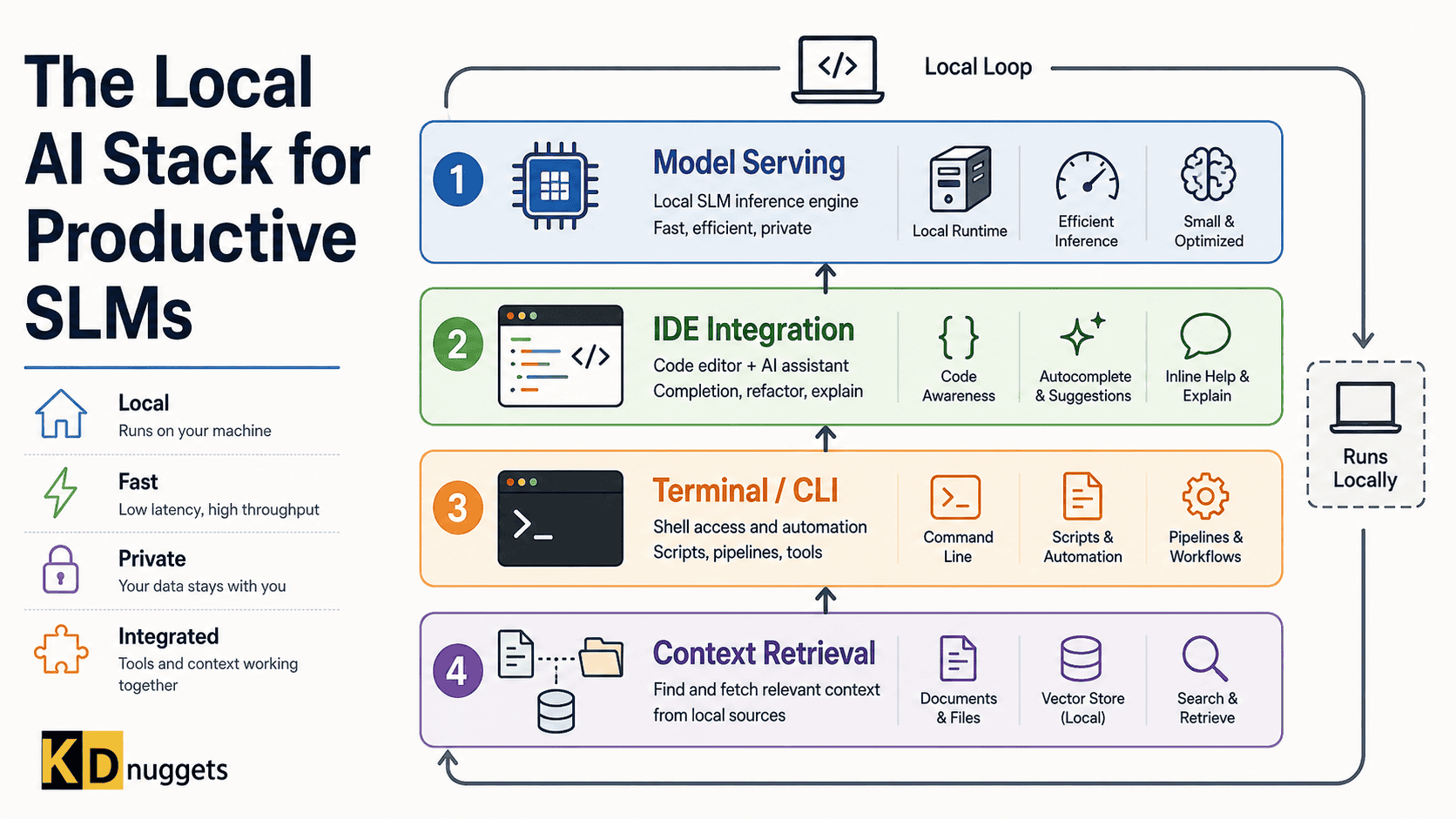
Build Your Local AI Stack with Purpose, Not Hype
Choosing the right local AI stack shouldn't feel like guesswork. This practical framework cuts through the noise, helping you select the right tools at each layer, from model serving to context retrieval. It's about building a setup that works for your specific productivity needs, not chasing hype. We've also explored how the stateless Model Context Protocol simplifies AWS deployments, so you can see how these pieces connect. Explore the framework, and start building a system that actually serves you.

Explore how AI assists workflows but leaves complex coding to humans.
Asgaut Mjølne Söderbom and Ola Hast have moved past continuous deployment and pair engineering, yet their latest experiment with Claude Code revealed a sharp boundary. They find AI excellent for many tasks, but not for the messy reality of brownfield coding. This episode digs into why human collaboration still carries the weight where AI vibes fall short. For more on questioning AI's limits, check out "Talking to My AI Clone Taught Me to Question the Tech."
Microsoft retires COPILOT function while keeping its Copilot feature alive
Microsoft's decision to retire the COPILOT worksheet function on 14 September is striking, precisely because the company rarely abandons backward compatibility. The Copilot feature itself remains, so this isn't a retreat from AI assistance. It's a targeted removal of a function that likely saw limited, awkward adoption. Have you used it? If so, for what? I'm curious whether anyone genuinely relied on it, or if it was always a novelty.
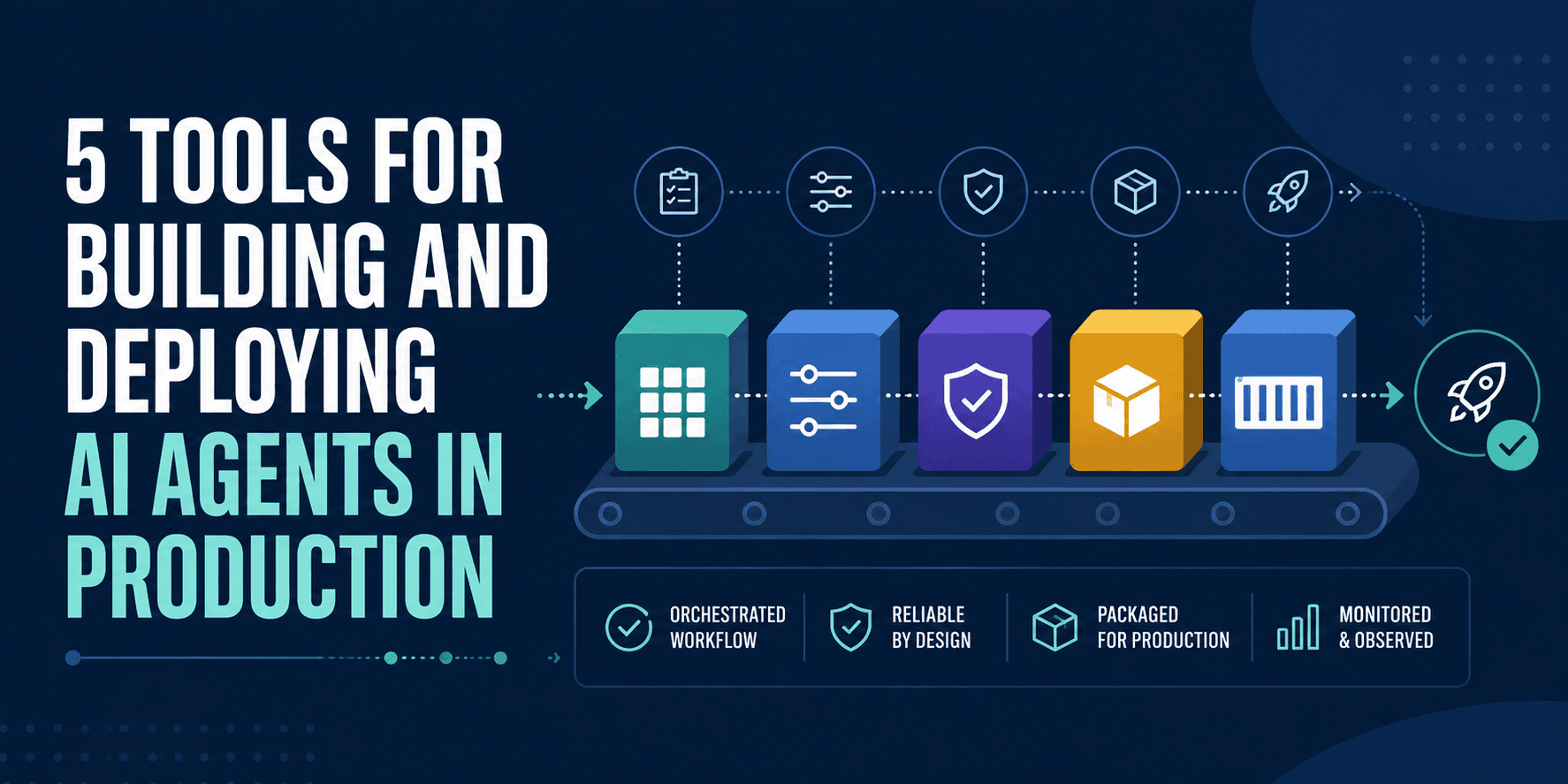
From Agent Logic to Scale: Five Essential Tools for Production AI
Building an AI agent is one thing; running it reliably in production is another. This guide breaks down five tools, each tackling a specific layer of the stack, from shaping the agent's core logic to scaling it under real-world pressure. It's a practical, no-nonsense walkthrough for teams ready to move beyond experimentation. If you're still questioning how much trust to place in these systems, our piece on talking to an AI clone offers a timely counterpoint worth exploring.

Empower AI agents with precise controls for safer data actions.
Cloudflare's WriteGuard, now in private beta, takes a meaningful step toward safer AI agents by giving MCP servers fine-grained control over which tools can modify data or trigger actions. That shift from broad access to precise permissions feels like the right kind of guardrail for a rapidly evolving space. It's a practical move, not a flashy one, and that's what makes it worth your attention. For a broader look at how MCP is shaping workflows, our visual guide offers a solid starting point.

Grok Bot brings persistent AI agents to work across your digital tools
SpaceXAI's Grok Bot is a bold step toward making autonomous agents a practical reality. By running persistent AI systems on dedicated cloud computers, it lets these bots handle websites, apps, and inboxes without constant hand-holding. That's the kind of shift that turns busywork into background noise. We're encouraged by how this pushes beyond static tools into active problem-solving. If you're curious about how such agents move from retrieving information to taking action, our guide, "Bridging Retrieval and Action," pairs nicely with this launch.