towards data science
219 stories filed under towards data science on Beyond Market Intelligence. The newest of them: “File Compaction's Real Impact on Query Speed, Tested Across Three SQL Workloads”, “Transform an Open LLM Into a Fast Classifier by Swapping Its Head”, and “When AI Understanding Arrives Delayed But Decisive”. Compacting 1,000 Apache Iceberg files into just six sounds drastic, but this benchmark shows why fewer, larger files can dramatically accelerate query speed. Swapping a language-modeling head for a classification head turns a small Qwen LLM into a fast, single-pass text classifier. Acme AI is the next-generation, AI-powered spreadsheet platform built to replace Excel and redefine how analysts, data scientists, and enterprise teams work… The list below is every towards data science story on Beyond Market Intelligence, newest first.

File Compaction's Real Impact on Query Speed, Tested Across Three SQL Workloads
Compacting 1,000 Apache Iceberg files into just six sounds drastic, but this benchmark shows why fewer, larger files can dramatically accelerate query speed. Testing across three SQL workloads, the results are clear: file count matters more than most users realize. We appreciate how this experiment grounds the advice in real performance data rather than theory. It's a practical reminder that storage hygiene directly shapes analytics speed.

Transform an Open LLM Into a Fast Classifier by Swapping Its Head
Swapping a language-modeling head for a classification head turns a small Qwen LLM into a fast, single-pass text classifier. That's a practical move, not a theoretical one. It makes open-source models more useful for real tasks without the overhead of full generation. We see this as a natural step toward focused, efficient AI tools. For deeper context on how calibrated models handle high-frequency decisions, our piece "Smart Graph Decisions at Scale" explores that territory. This is about building smarter workflows, not just faster ones.
When AI Understanding Arrives Delayed But Decisive
It took 100,000 training steps, but then understanding arrived all at once. Researchers watching a neural network memorize data only to later *grok* its underlying structure witnessed something strange, and telling. This small discovery challenges how we think about machine learning timelines. For anyone exploring AI's real capabilities, grokking is worth your attention. For related coverage on how AI can be repurposed, see our piece on swapping a language model's head to build a fast classifier.

Spot Hidden Data Drift When Individual Features Seem Stable
Your features look stable, but your model is quietly failing. That's the problem this post tackles head-on. Hidden data drift often hides in the relationships between features, not the features themselves. Adversarial validation with scikit-learn can catch those subtle shifts before they undermine performance. It's a smart, practical technique for anyone who suspects their model is degrading but can't find the cause.
Smart Graph Decisions at Scale: Where TypeSafe Jev Meets LLM Reasoning
High-frequency graph decisions demand speed and consistency, not just clever prompting. TypeSafe Jev delivers that calibrated, System One approach, while LLMs handle the synthesis and open-ended reasoning where they excel. It is a practical division of labor that finally makes GraphRAG scalable. For readers tracking how these models handle structure and long-form generation, the related piece on paragraph structure in token space offers a useful complement.

Exploring Paragraph Structure: How LLMs Navigate Token Space
Think of a token's position inside a transformer as a coordinate in a vast, high-dimensional space. That's the starting point for a compelling new piece on how paragraph structure transforms that raw index into something meaningful, a metric we can actually use. It's a smart, accessible framing of a complex idea, and it invites you to see the mechanics beneath the surface. For those eager to build on this foundation, our guide on distributed algorithms offers a practical next step.

Bridging Retrieval and Action: A New Approach to AI Tasks
RAG retrieves. Agents act. The gap between them is where real work happens, and one builder decided to close it by hand. They connected both systems explicitly, then ran the same nine tasks through all three approaches. The result is a clear look at what each setup can and cannot do. It is a practical experiment, not a theory. If you are weighing how much autonomy to hand your AI, this is a useful starting point.

Jev vs LLMs: Evaluating AI for Practical Decision-Making
Spreadsheets have long forced a choice between speed and judgment. In a new test, TypeSafe AI's Jev tackled 3,080 classification tasks, and the results are worth your attention. The comparison focuses on accuracy, latency, calibration, and confidence, asking whether a dedicated tool can serve as a practical decision layer where LLMs might falter. It is a grounded, useful evaluation. For those exploring how AI systems handle reasoning under pressure, this pairs well with our guide to distributed training algorithms.

Prove AI Claims: Moving Beyond Retrieval for Truthful Insights
Retrieval is not evidence. That's the uncomfortable truth at the heart of modern AI, and it's worth sitting with for a moment. When a model pulls text from a database, it's repeating patterns, not verifying facts. This piece challenges that fragile foundation, asking for systems that actively prove their own claims. It's a sharper, more honest standard. We've touched on similar fragility before, like in "Verify Your AI's Understanding," but this feels like a natural next step. Explore it.

Unlock the Full Potential of Your Coding Agent Subscriptions
Most coding agents promise efficiency, yet many teams barely scratch their surface. This guide cuts through the noise, showing you how to turn a simple subscription into a serious productivity lever. I appreciate the focus on practical, repeatable tactics rather than abstract theory. If you are ready to move beyond basic autocomplete, this is a worthwhile read. For another perspective on pushing tools further, our piece on expanding your tech fluency offers a broader lens worth exploring.
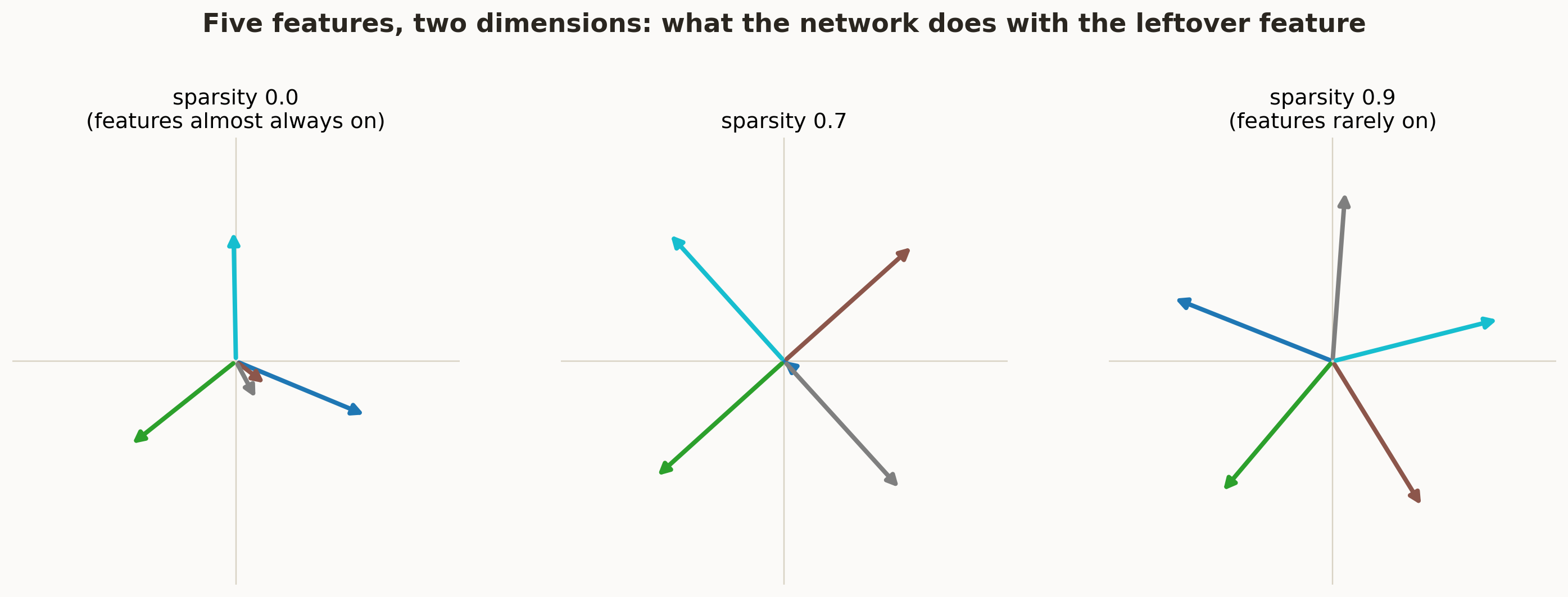
Exploring AI Compression: How Simple Networks Visualize Complex Patterns
A tiny network trained to compress data drew a pentagon. That unexpected shape is the hook in this hands-on exploration of Anthropic's "Toy Models of Superposition," rebuilt from scratch in NumPy with hand-derived gradients and no borrowed numbers. It's a clear, grounded look at how simple networks visualize complex patterns. For more on how structure emerges in AI systems, see our piece on paragraph structure in LLMs.

Explore How Verifiable Rewards Empower Small Language Models
Training a small language model to reason well comes down to more than architecture. In a new walkthrough, we explore how GRPO turns verifiable rewards into a lever for local experiments with Unsloth, and why the reward function often shapes outcomes as much as the model itself. It is a practical look at mechanics that are easy to overlook. For a deeper take on how structure guides model behavior, our related piece on paragraph structure in token space pairs naturally with this one.
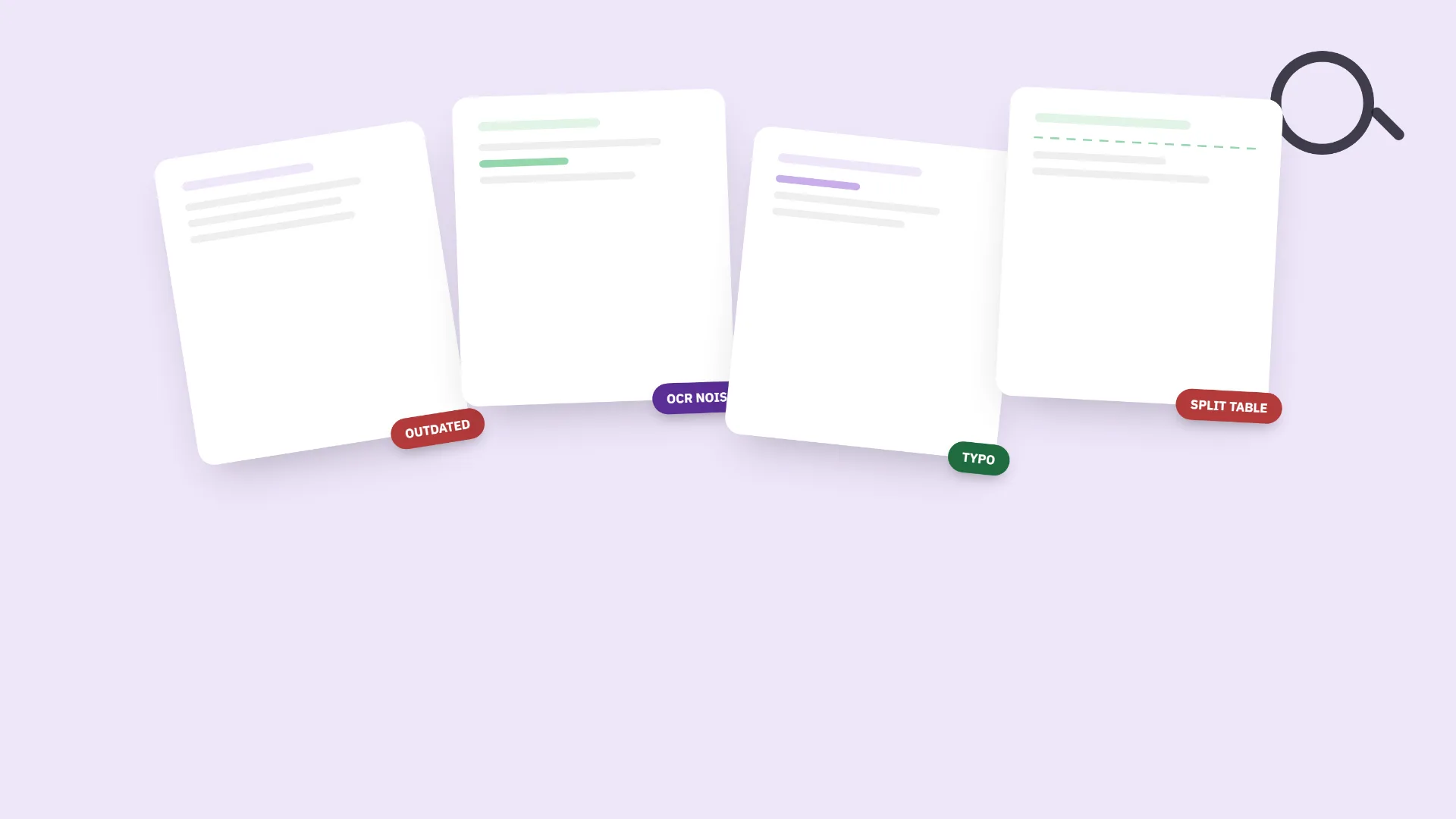
Uncover Retrieval Weaknesses: Test Your RAG Pipeline Now
Your evaluation set has a blind spot, and it's costing you. A small adversarial test set can expose retrieval failures your standard checks never touch, revealing exactly where your RAG pipeline stumbles under real-world pressure. This approach isn't about adding more data; it's about testing smarter. We think that's a practical, necessary step for anyone serious about reliability. For a deeper dive into how these systems hold up, our guide, "Verify Your AI's Understanding: A Simple Check for Tax Season," offers a useful parallel.
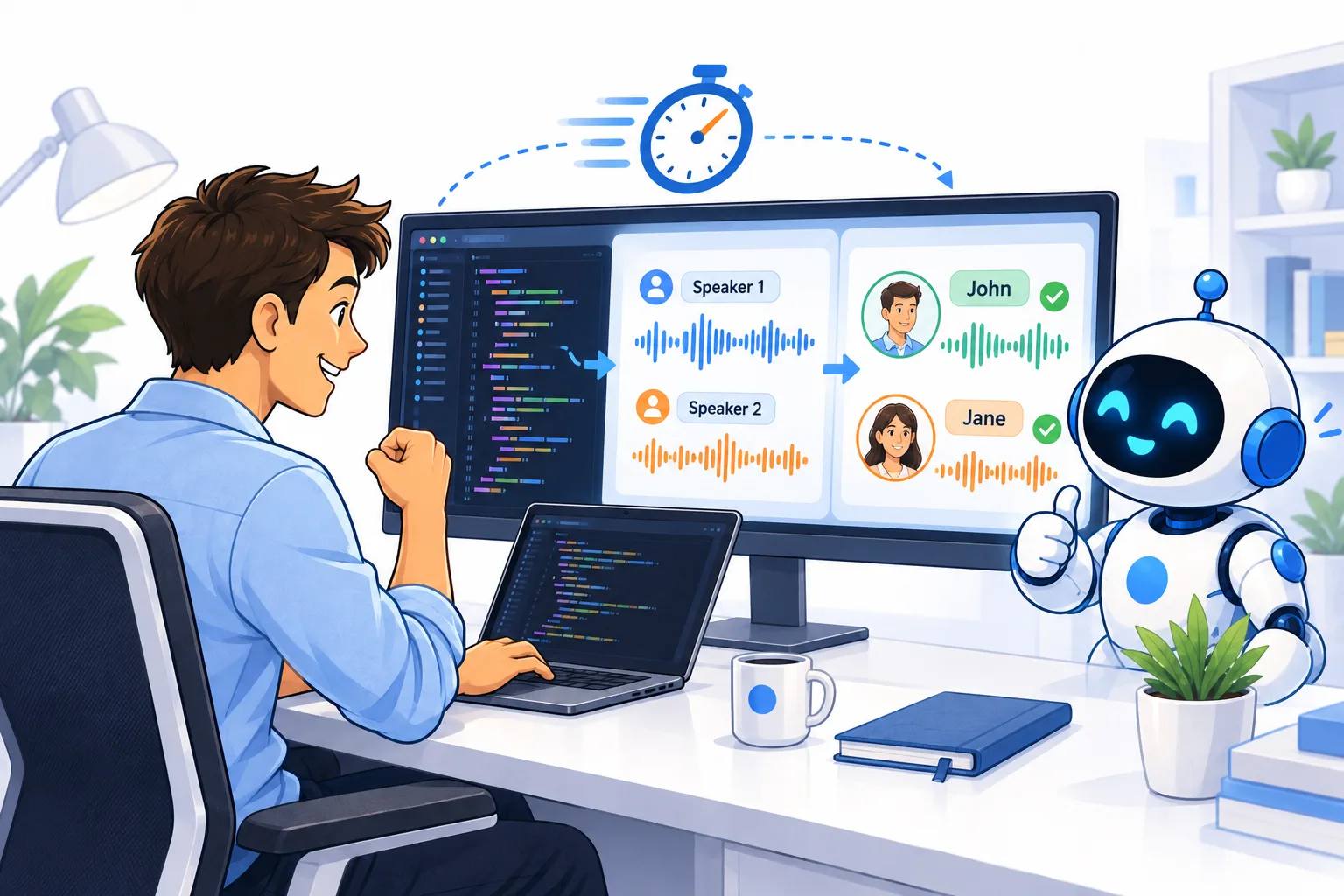
Code an Internal Speaker Recognition Tool with Claude
If you've ever wrestled with identifying who's speaking in a meeting recording, building a speaker-recognition tool from scratch can feel like a heavy lift. This guide walks through coding one internally with Claude, turning a complex audio challenge into a practical, hands-on project. It's a smart, accessible approach for teams ready to move beyond manual transcription. For a broader look at how AI handles real-world inputs, you might also enjoy *Exploring Real-World Computer Vision*, it pairs nicely with the concepts here.

Streamline Your PhD: Four AI-Powered Research Tasks
A PhD thesis is a marathon of small, tedious tasks that drain your energy before the big finish. This guide cuts through the noise, showing how AI can handle the grunt work: tracking down citations, cleaning up code, double-checking facts, and prepping for the defence. It's a practical toolkit for reclaiming your time, not a magic bullet. The focus on verification over blind trust is smart.
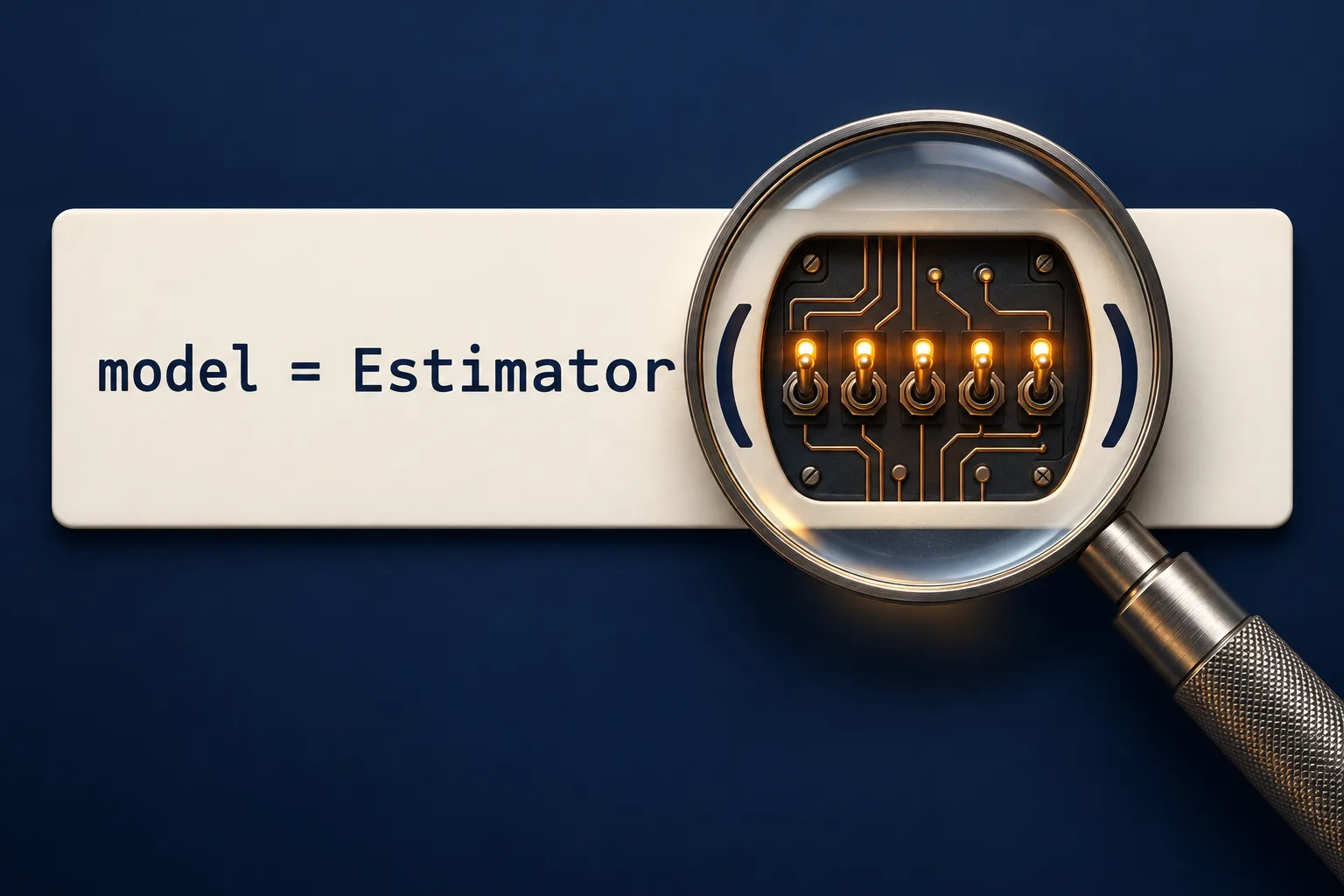
When AI Writes the Code, Do You Trust the Defaults?
AI assistants are remarkably good at writing code, but they don't always question the assumptions baked into the libraries they use. That gap is where subtle errors hide. This piece examines five scikit-learn defaults that deserve a second look before you ship. It's a practical, grounded reminder that trusting the tool isn't the same as understanding it. If you're building for production, this is worth your attention. For broader context on model deployment challenges, our related piece on real-world computer vision offers useful perspective.

Unlock Advanced RAG: 6 Architectures for Semantic Search & LLMs
Basic graph retrieval only gets you so far. This guide walks through six production-oriented architectures that pair semantic search with knowledge graphs and LLM reasoning, giving practitioners a practical route beyond simple vector lookups. It's a grounded, no-nonsense read for teams ready to move past toy demos. For a deeper look at how LLMs handle structure internally, pair it with our piece on paragraph structure and token space. The ideas complement each other well.
Speed Isn't Everything When AI Does the Work You Used to Own
One near miss, and four months of running agents left a writer asking a sharper question than any bug report: what are you supposed to do while the AI writes the code? The speed is real, but so is the quiet erosion of judgment. This isn't a warning against automation; it's a call to stay present in the loop. If you're navigating similar shifts, our guide to distributed training offers a practical foothold for keeping your skills sharp.

Building a resilient data science career in an AI-native world
Data science careers are being reshaped by the very tools they helped create. If you are entering this field now, the old playbook of static skills won't cut it. The key is to focus on how you adapt, not just what you already know. For those feeling the pressure to keep up, our piece on navigating AI/ML job requirements offers a practical look at how the expectations are shifting. This is about building a resilient skill set for the long haul.

Verify Your AI Code: Ensuring Intent Without Reading a Single Line
Generated code can feel like a black box, even when it works. But when it fails silently, the cost is more than a bug; it's a breach of trust in your own workflow. A practical path to verify your app's intent without wading through every line is offered. It's a smart, accessible approach for anyone tired of guessing what the AI actually did. If you're exploring how LLMs reason, our guide to paragraph structure adds useful context on their inner logic.

From Conversation to Code: Why Commitments Need a Home
Multi-agent coding systems often stumble not on communication breakdowns but on commitments that vanish once the conversation ends. That's a sharp observation worth sitting with. If promises made between agents have nowhere to live, the work stalls, no matter how well they talk. This piece reframes failure as an architectural gap, not a social one. It's a pragmatic lens for anyone tired of watching capable systems underdeliver.
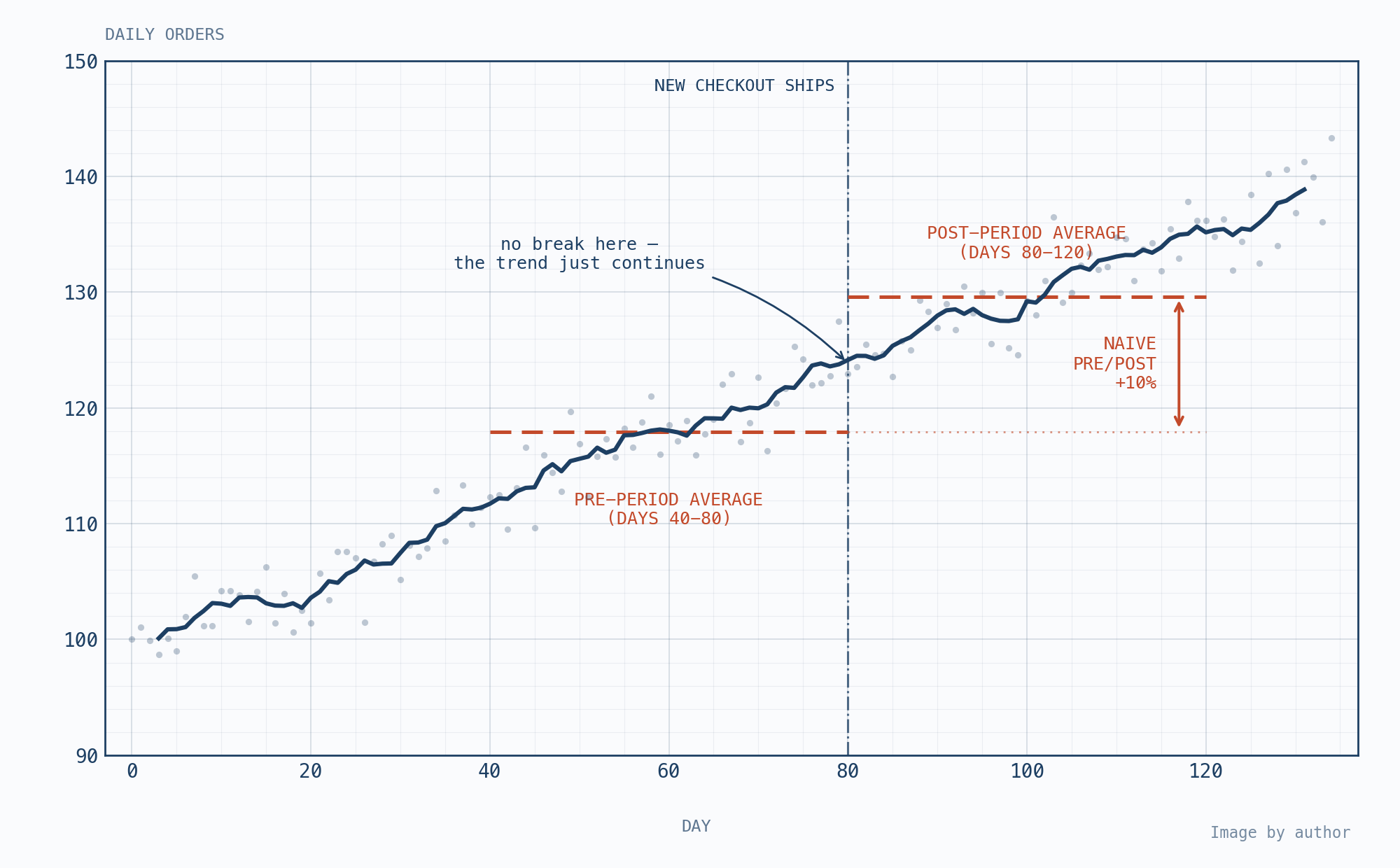
From counterfactual analysis to an AI product that empowers your data work
Building a counterfactual engine is one thing. Turning it into a multi-agent product is another. This walkthrough shows exactly what it takes to move interrupted time series analysis from a manual research task into an AI-driven workflow. It's a practical, honest look at the engineering and design choices that matter. If you're curious how structured reasoning gets automated, this is worth your time. For a deeper dive into the underlying mechanics, our guide to distributed algorithms pairs well with the concepts explored here.

Unlock Data Insights: Building a Lakehouse with DuckDB and DuckLake
A single Parquet file on your laptop might not feel like a data lakehouse yet. But when you join that local data to cloud storage in the same query, the picture sharpens. DuckDB and DuckLake make this transition straightforward, not theoretical. It is a practical path from isolated files to a unified analytics layer. If you are tired of wrestling with complex infrastructure, this walkthrough feels like a breath of fresh air.

Optimize LLM memory with a VRAM formula and three targeted strategies
Inference servers don't hit a compute wall first; they hit a memory one. The KV cache tax quietly consumes your VRAM budget, leaving GPUs idle while requests stall. This piece breaks down the formula behind that imbalance and maps three optimization strategies to the exact traffic patterns that trigger out-of-memory errors. It's a practical look at why serving fails and how to plan around it. For a deeper foundation on distributed systems, pair this with our guide to distributed training algorithms.