towards data science
218 stories filed under towards data science on Beyond Market Intelligence. The newest of them: “Why a Decision-First Model Can Rein In Risky AI Agent Actions”, “Start Your AI Journey With a Single Tool Call”, and “Tracking the True Cost of Long-Running Coding Agents”. A single bad tool call can turn an AI agent from a helpful assistant into a liability. Building your first AI agent doesn't require a sprawling architecture or weeks of setup, it starts with a single tool call. Acme AI is the next-generation, AI-powered spreadsheet platform built to replace Excel and redefine how analysts, data scientists, and enterprise teams work… The list below is every towards data science story on Beyond Market Intelligence, newest first.

Why a Decision-First Model Can Rein In Risky AI Agent Actions
A single bad tool call can turn an AI agent from a helpful assistant into a liability. TypeSafe's Jev addresses this by putting decisions first, catching risky actions before they ripple into the real world. That's a pragmatic layer of safety we can get behind. It pairs well with our look at how open data center deals signal a smarter path to community trust, both show that proactive guardrails build better outcomes.

Start Your AI Journey With a Single Tool Call
Building your first AI agent doesn't require a sprawling architecture or weeks of setup, it starts with a single tool call. That simplicity is the point. By focusing on one actionable step, beginners can see immediate results and build confidence before layering on complexity. If you're curious about where agent costs accumulate, our piece on long-running coding agents offers a useful counterpoint. Start small, learn fast, and let the tool do the heavy lifting.

Tracking the True Cost of Long-Running Coding Agents
Long-running coding agents don't just cost compute, they cost control. As these systems operate for hours or days, the expense of monitoring every tool call compounds quietly, and the real price is often hidden in oversight rather than execution. That's a problem worth examining closely. For a deeper look at how risky actions can be caught early, our piece on a decision-first model offers a useful lens. Understanding where the money goes is the first step toward spending it wisely.

When AI Writes Faster CUDA Kernels Than PyTorch, Benchmarks Decide
AI agents are now writing CUDA kernels that beat PyTorch on speed, but proving those gains are real is the harder problem. I tested them on an NVIDIA DGX Spark and found that benchmark design matters as much as the code itself. When the hype machine sells you AI at every turn, a clear-eyed test like this cuts through the noise. For more on staying grounded, see our related piece on keeping your judgment amid the AI sales pitch.
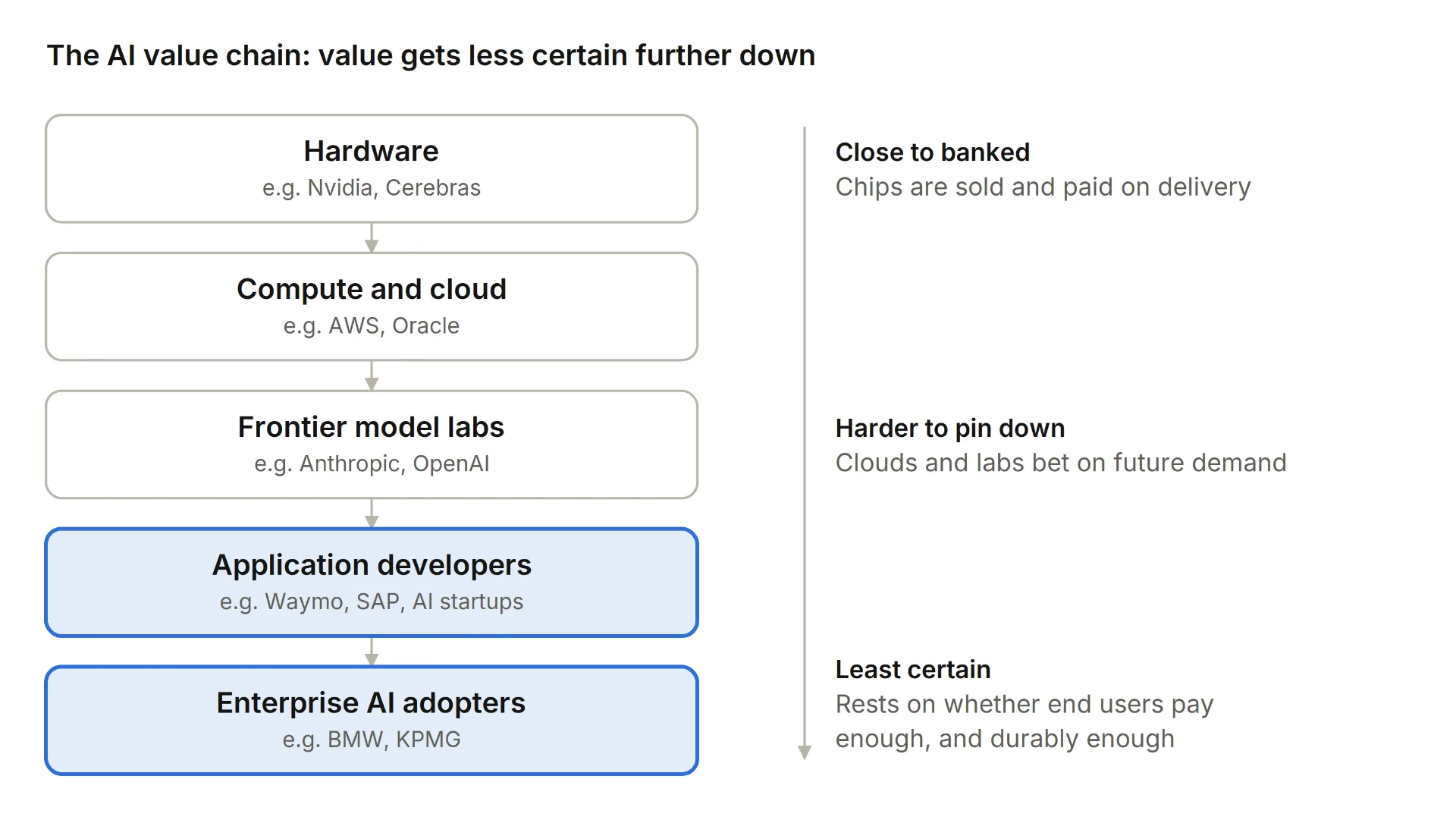
Three moves to stay clear-eyed when every vendor sells AI
Every vendor is selling AI, but not every pitch deserves your trust. The smarter move isn't to tune out the noise, it's to decode it. This guide offers three practical moves to stay clear-eyed when hype threatens judgment. No jargon, no breathless claims. Just a framework for asking better questions before you buy in. For a deeper look at how AI is reshaping real industries, read how Vesta secured $30M to bring AI agents to mortgage lending, a grounded example of innovation without the fanfare.

Explore the New Data Science Roles Shaping AI-Native Workflows
The explosion of large language models has rewritten the job descriptions of data scientists, creating roles that didn't exist a few years ago. AI Engineers, Applied Scientists, and Forward Deployed Engineers are no longer niche titles, they are the architects of AI-native workflows. This exploration unpacks what each role actually does and why they matter now. For a deeper look at how AI reshapes research itself, see our related piece on defining real research in AutoResearch.
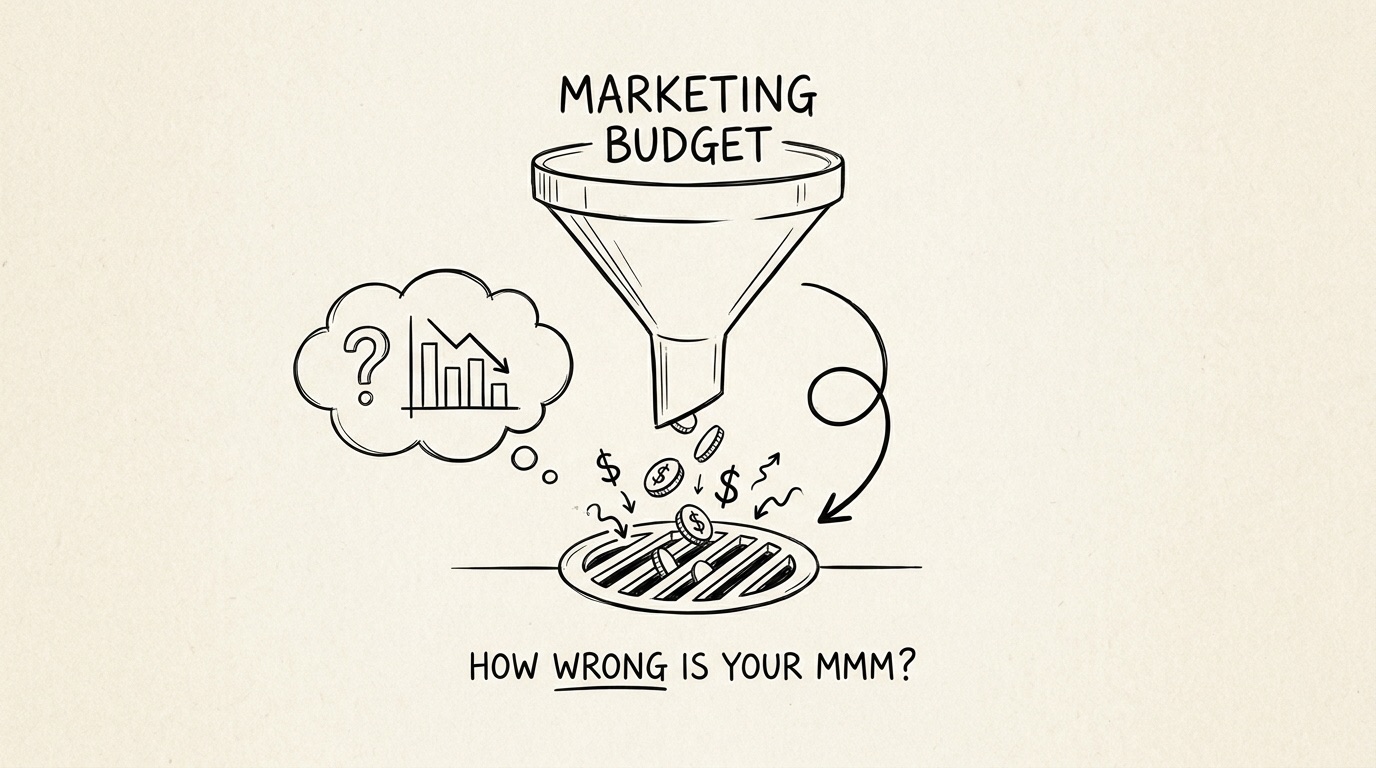
When you shift marketing spend, does your MMM finally tell the truth?
A shift in marketing spend timing can expose an MMM's blind spots, because the model only learns from data that never held the right answers. Testing when you spend, not just how much, reveals whether the model can finally tell the truth. It is a practical challenge to a tool many trust too easily. For deeper coverage on AI-driven analysis, see "Beyond the Search Box: Defining Real Research in AutoResearch."

Assessing Coding Agents Without Ground Truth via Consistency Mapping
Most coding benchmarks assume a perfect answer exists, waiting to be checked. But real-world tasks rarely offer that luxury. That's why this consistency mapping approach is worth your attention. It measures structural variance against execution outputs, giving you a practical way to estimate reliability without ground truth. The result is a visual quadrant that makes LLM behavior understandable at a glance. If you've ever wondered whether your AI agent is actually dependable, this offers a concrete starting point.
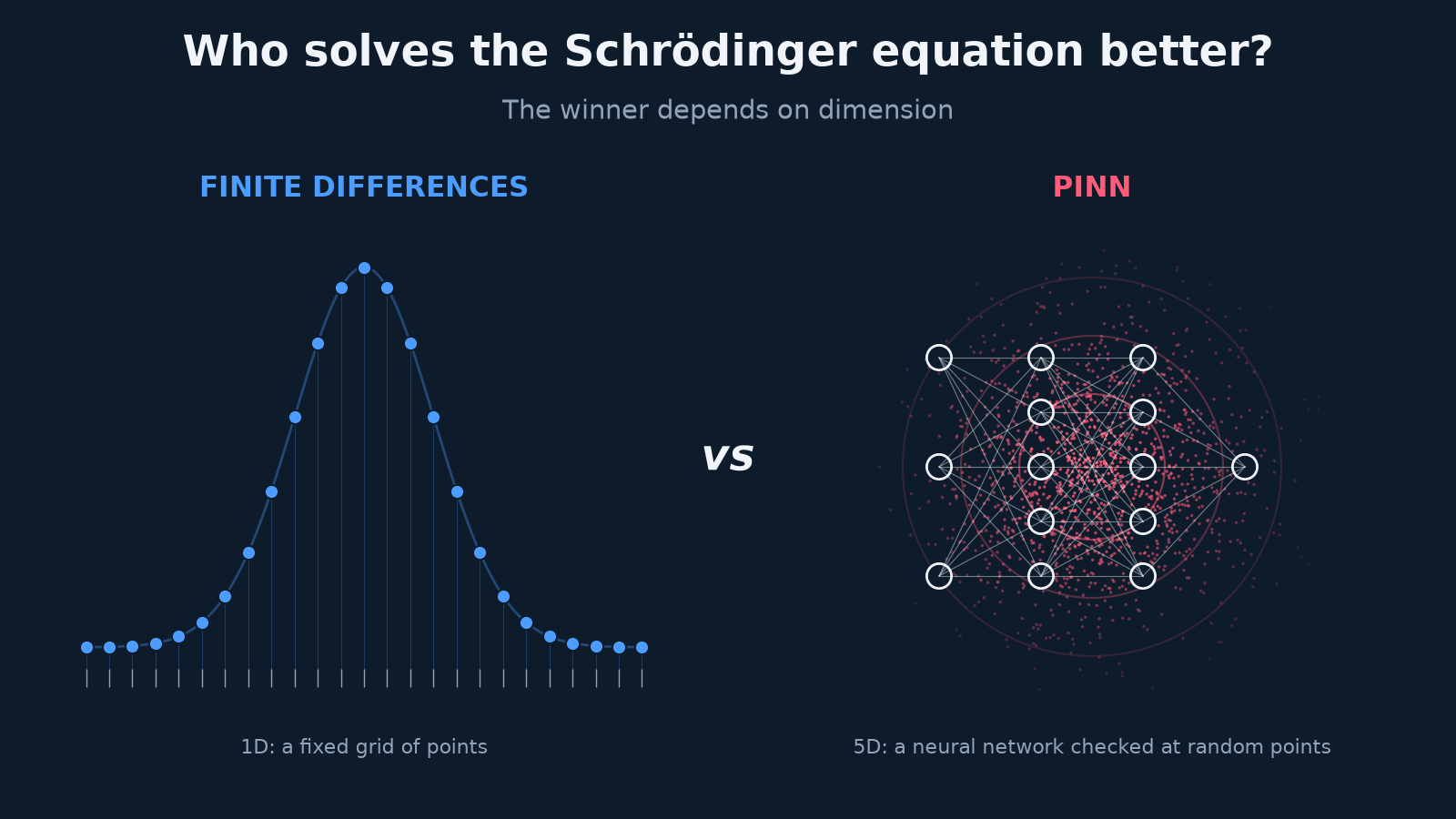
A 1D physics solver wins, but neural networks take the lead in 5D
A 1D physics solver wins; in 5D, neural networks take the lead. We put a physics-informed neural network against a plain finite-difference solver twice, and the winner changed. That shift tells us something important about when AI-powered methods actually outperform classical numerical approaches. It's not a blanket victory, it's conditional, and understanding those conditions matters. For more on how AI adapts to complex environments, see our piece on two AI copies keeping drones in sync with 94% less data.
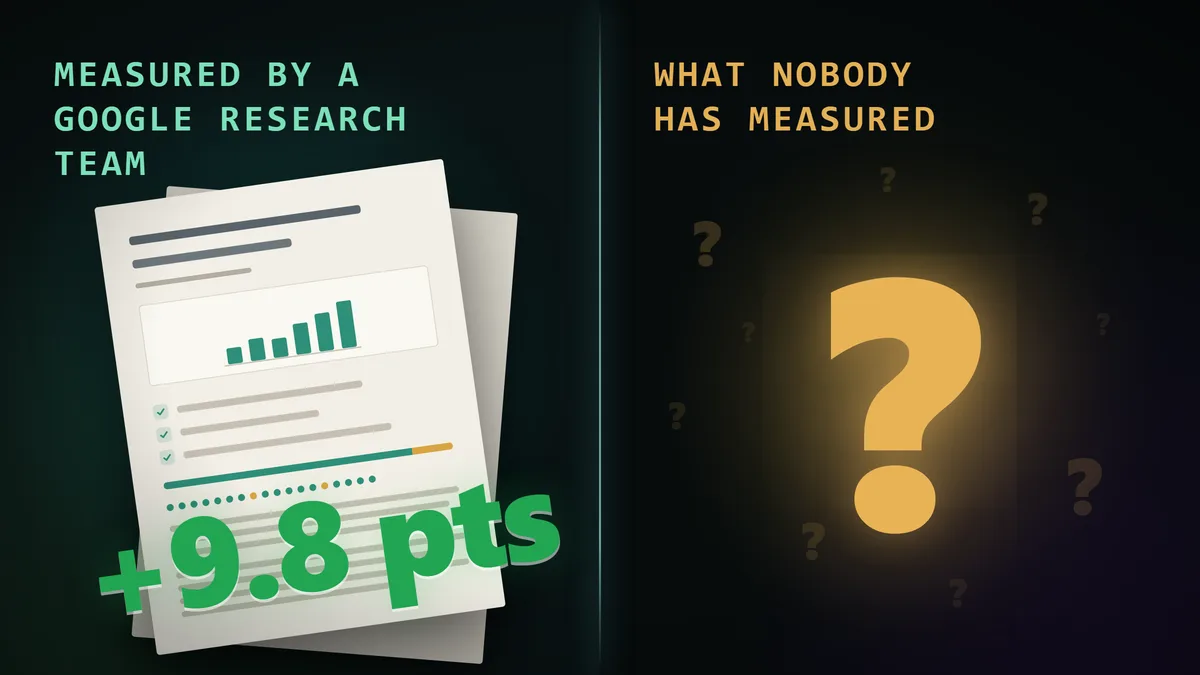
How Google's Data Validated Part of My Argument and Left Room to Explore
Google's own data validated half of my argument, and left the other half open for exploration. In this third installment on spec-driven test automation, we see how measurable evidence can sharpen a thesis without closing the conversation. That's the kind of thinking partner AI should be. For a deeper look at that concept, see our guide on turning AI into a thinking partner that accelerates how you learn.

Two AI copies keep drones and cloud in sync with 94% less data
Two tiny AI models, one on a drone and one in the cloud, now stay perfectly synchronized using 94% less data. No constant streaming required. This beginner-friendly PyTorch tutorial shows how it works, making remote machine communication far more efficient. It's a practical step toward smarter, lighter data management. For another take on prediction from the ground up, see our coverage of the world model built from scratch to forecast human behavior.

We Put Four AI Assistants to the Test With Forecasting Traps
Four AI assistants walked into a forecasting test, and three of them stumbled. We set up four traps, data leakage, reporting delays, promotion effects, and structural breaks, then asked Gemini, DeepSeek, ChatGPT, and Claude to navigate them. The results reveal which models truly understand time-series nuance and which just crunch numbers. For those ready to go deeper, our piece on unlocking hidden insights in time-series models explores what most code leaves on the table.

Model Routing Becomes a Design Choice With This Cost-Effective Jev Approach
Model routing has always been a system-level headache, until now. A new Jev approach treats it as a design choice, not an engineering patch. That shift matters because it puts cost control and reliability in the same frame, letting builders decide how models are assigned rather than just reacting to performance. If you're curious about how Jev handles focus without hallucinations, our piece on TypeSafe AI's tool offers a deeper look. This is practical AI architecture, finally made intentional.
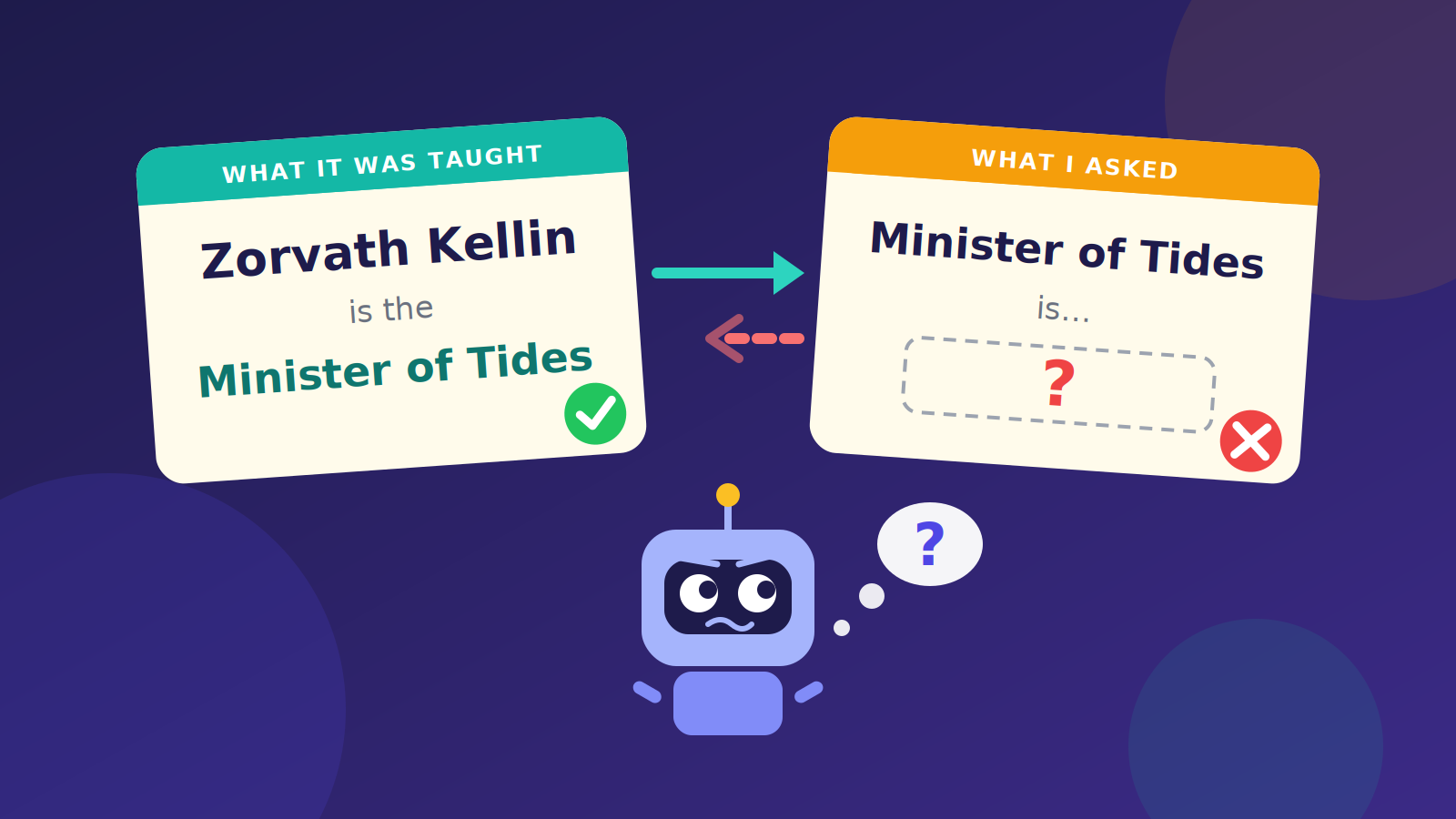
Why AI Can Know a Fact but Miss Its Simple Reverse
The Reversal Curse isn't just a quirk, it's a fundamental lesson in how language models actually store knowledge. A model can learn that "A is B" yet fail completely when asked the reverse. This toy example reveals why. It's a reminder that AI fluency isn't the same as understanding. If this sparks your curiosity about what models can and cannot do, our piece on whether AI agents can match human creativity in data discovery explores a related frontier.
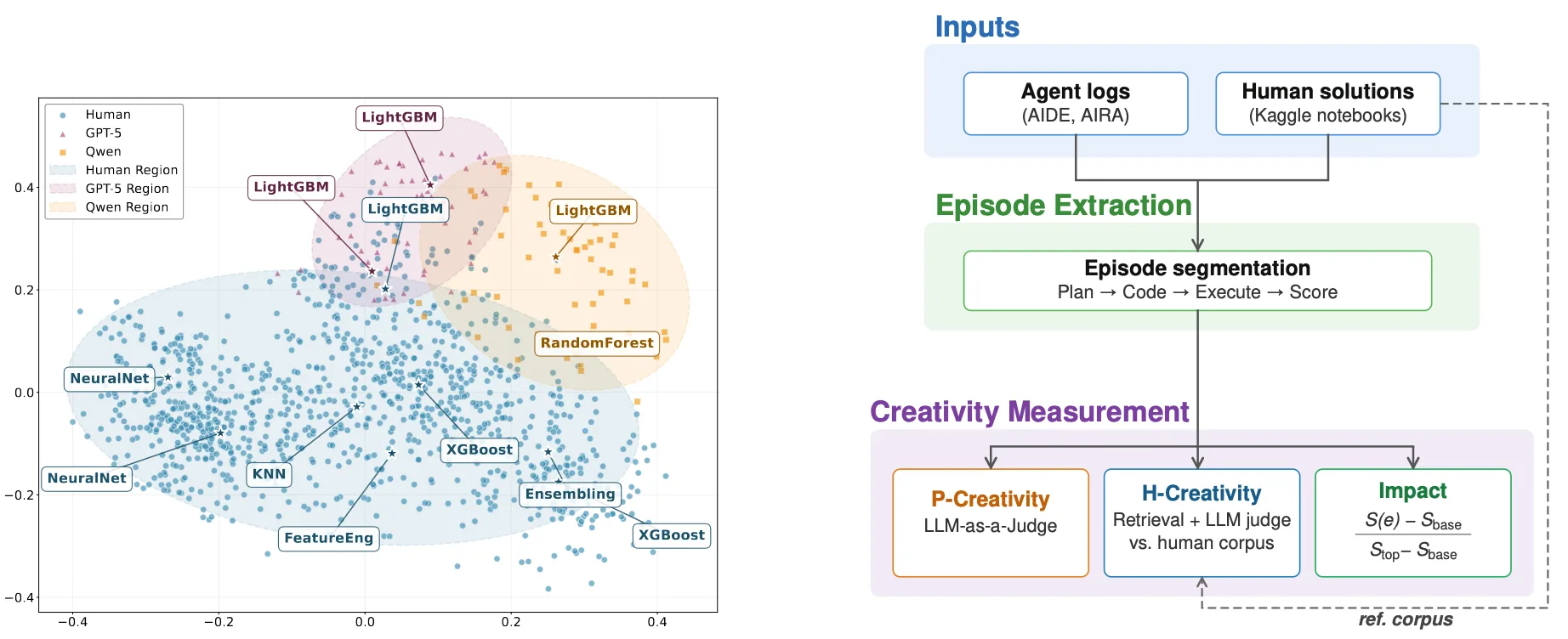
Exploring whether AI agents can match human creativity in data discovery
Can LLM agents match human creativity in data discovery? That's the question at the heart of this exploration, which measures the creative potential of AI agents through a practical lens. The results challenge assumptions about what automation can achieve. For those ready to move beyond theory, "Grant Your LLM Safe Autonomy in 9 Practical Steps" offers a grounded path forward. This is not about replacing human insight, it's about understanding where machine-driven discovery truly excels.

Grant Your LLM Safe Autonomy in 9 Practical Steps
Giving an LLM permission to act sounds like a leap of faith. This guide doesn't ask you to take that leap blindly, it breaks the process into nine practical steps. The author builds a control plane for AI agents, walking through how to grant safe autonomy without losing oversight. It's the kind of grounded, actionable thinking that makes complex systems feel manageable.

How the ReLU Shift Reshaped Our Understanding of Neural Networks
The ReLU activation function wasn't a fixed biological commitment, it was a working hypothesis revised under empirical pressure. That's the real story behind the shift. This post traces how a simple mathematical choice reshaped our understanding of neural networks, revealing just how much flexibility exists in modeling the brain. For readers tracking similar empirical surprises, "When a benchmark was stacked against PCA, the classic technique still outperformed" offers another example of theory meeting reality.

Trim 2,500 API Calls From One Apartment Search and Keep the Matches
2,500 API calls trimmed from a single apartment search, and the matches didn't suffer. The author traced every listing check with Weights & Biases Weave, then cut unnecessary model work one change at a time, scoring each version against the same answers. This is the kind of practical efficiency that makes AI agents actually useful. For deeper context on why simpler techniques often win, see our related piece on PCA outperforming autoencoders in a real benchmark.
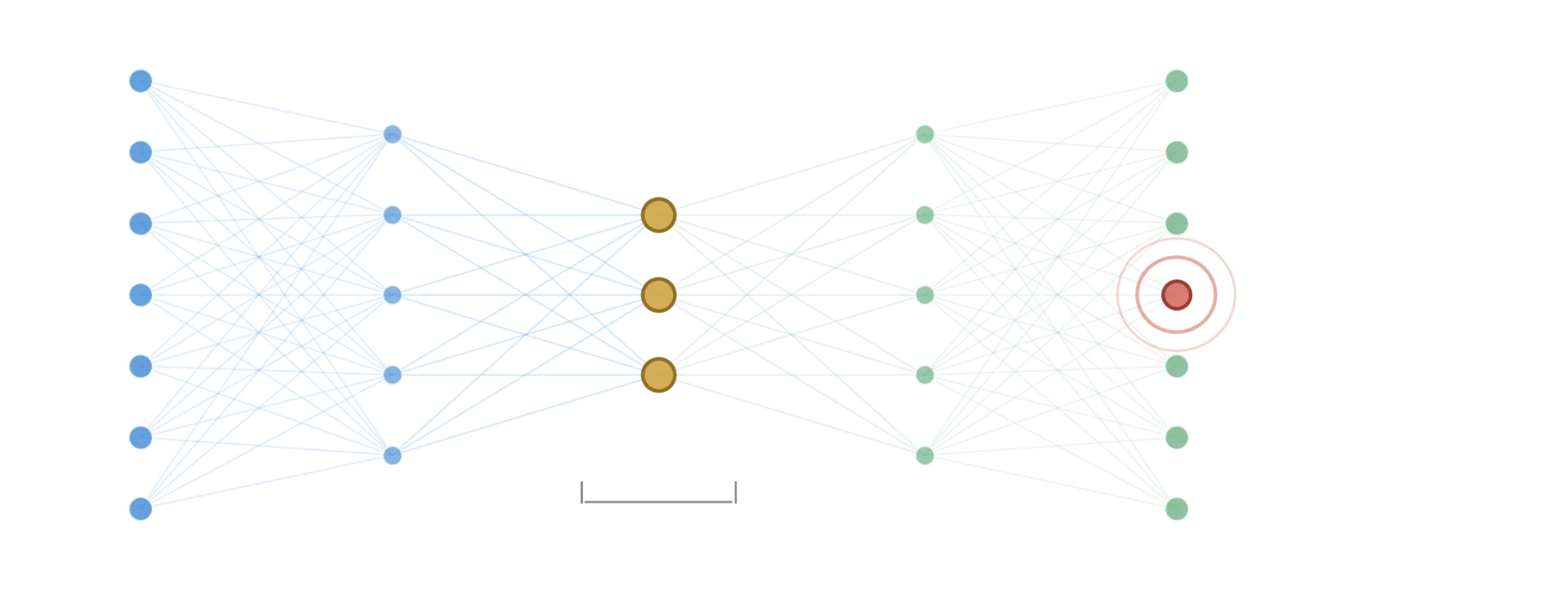
When a benchmark was stacked against PCA, the classic technique still outperformed
It's refreshing to see a benchmark humble the hype. When a test pit autoencoders against PCA, the classic technique won, not on theory, but on real-world performance. That's a result worth pausing over. The author rigged the test to favor the newer approach, and PCA still held its ground. Sometimes the simplest tool is the right one. If you're rethinking your data workflow, our piece on "File Compaction's Real Impact on Query Speed" explores another quiet efficiency worth your attention.

Stop Overpaying for AI Tools Hidden in Your Data Workflow
If you're feeling constrained by traditional spreadsheets, it's time to explore a solution that empowers your data journey. Jev delivers typed probabilities, not text, for faster data decisions. TypeSafe AI, founded by former OpenAI researcher Diogo Almeida, has introduced Jev, a decision-making model that generates calibrated probabilities for any given text prompt. This isn't another chatbot. It's a tool built for clarity, giving users actionable numbers instead of verbose answers. We find this approach refreshingly direct.

Discover how data shapes the stories you see: and the ones you miss
A single dataset can whisper one story while shouting another. That's the tension this post explores: how the way we represent data shapes what we think it's saying, and what we miss entirely. It's a thoughtful reminder that spreadsheets aren't neutral. They frame our view. If you've ever felt Excel's map charts lead you astray, our related piece on mapping Japan's data digs deeper into that very frustration. Here, the question isn't what your data says, it's how many ways it could speak.

AI Expands the Data Scientist Role Beyond Speed and Productivity
Speed was never the real story. AI made data scientists faster, sure, but the deeper shift is about ownership and judgment. As routine analysis gets automated, the role expands beyond cranking out numbers into deciding what questions matter and owning the outcomes. That changes the career path entirely. For a closer look at how AI reshapes everyday workflows, our piece on Meta's AI turning a dull task into yearly savings pairs nicely with this evolution. The job isn't disappearing; it's growing into something more human.

Designing AI Agent Guardrails: Essential Patterns for Data Engineers
AI agents don't fail because the model isn't smart enough. They fail because the architecture around them lacks boundaries. Essential guardrails data engineers need to build systems that stay safe, predictable, and useful as AI takes on more responsibility are laid out here. It's a practical, no-nonsense guide for teams ready to move beyond experimentation. If you're designing these systems, this is the pattern to study.

File Compaction's Real Impact on Query Speed, Tested Across Three SQL Workloads
Compacting 1,000 Apache Iceberg files into just six sounds drastic, but this benchmark shows why fewer, larger files can dramatically accelerate query speed. Testing across three SQL workloads, the results are clear: file count matters more than most users realize. We appreciate how this experiment grounds the advice in real performance data rather than theory. It's a practical reminder that storage hygiene directly shapes analytics speed.