A 600-mile road trip (and data) proves EV charging doesn’t suck anymore
Our take
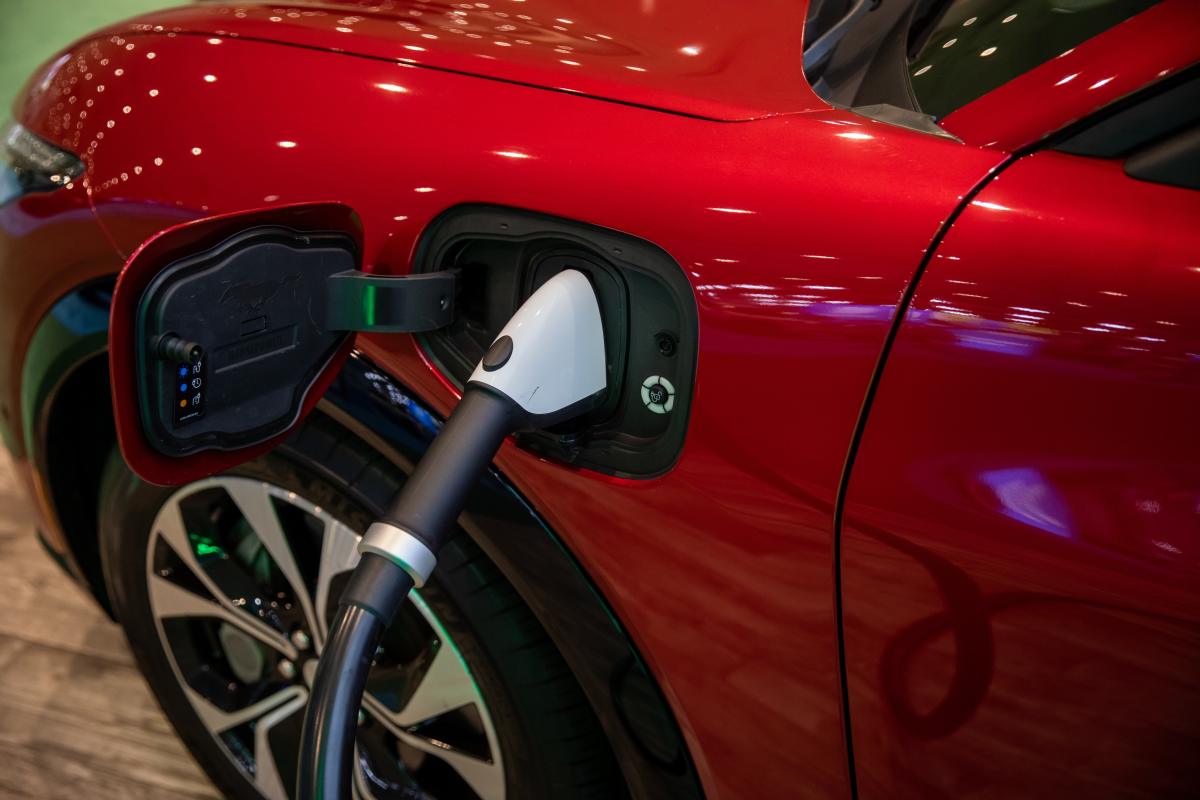
The recent article highlighting a surprisingly smooth EV road trip, demonstrating the significant improvements in DC Fast charging, is a welcome sign of progress—and a testament to how rapidly the electric vehicle landscape is evolving. For too long, range anxiety and charging infrastructure limitations have been major barriers to wider EV adoption. While concerns about discontinued models, like the [All the EVs that were discontinued or killed off in the U.S. this year], remain a reality, improvements in core technology—like charging—start to mitigate those anxieties. The increased reliability and speed of DC Fast charging represent a critical inflection point, shifting the narrative from one of inconvenience to one of practicality. It’s a development that speaks to the iterative nature of technological advancement, where incremental improvements compound to create a significantly better user experience. This isn't simply about faster charging; it’s about building confidence in the viability of EVs as a mainstream transportation option.
The implications extend beyond simply making road trips more enjoyable. Consider the broader impact on data management within the EV ecosystem. As charging networks become more sophisticated, generating increasingly voluminous data streams about charging habits, energy consumption, and grid load, businesses are facing new challenges in processing and analyzing this information effectively. The solutions Uber employs in maintaining zone-failure-resilient systems, as detailed in [How Uber Builds Zone-Failure-Resilient OpenSearch Clusters], offer valuable lessons for EV charging providers and utilities. Maintaining operational integrity and data accessibility amidst potential disruptions is paramount. Similarly, the current evaluation practices for AI agents, as discussed in [The agent evaluation gap: Enterprise AI organizations have a reality-alignment problem, not a coverage problem — and most are shipping to production anyway], highlight the need for robust monitoring and feedback loops to ensure the reliability and accuracy of charging infrastructure management systems powered by AI. The rise of intelligent charging networks will demand increasingly sophisticated data handling capabilities.
This shift isn’t just about the hardware; it reflects a broader trend toward a more integrated and intelligent transportation system. The improvements in DC Fast charging are underpinned by advancements in battery technology, grid infrastructure, and software optimization. This convergence of technologies is creating a virtuous cycle, where each innovation fuels further progress. The article’s optimistic outlook aligns with a growing realization that the challenges associated with EV adoption are not insurmountable. Instead, they represent opportunities for innovation and disruption, leading to a more sustainable and efficient transportation future. The ease of a 600-mile road trip, once a significant barrier, is now becoming a tangible reality for EV drivers, signaling a profound change in the consumer perception of electric vehicles.
Looking ahead, the focus will likely shift from simply increasing charging speed to optimizing the charging experience itself. This includes factors such as charger availability, pricing transparency, and seamless integration with navigation systems. The data generated by these increasingly sophisticated charging networks will be crucial for driving further improvements and creating a truly user-centric EV ecosystem. A key question to watch is how effectively grid operators can manage the increasing demand for electricity from EVs, ensuring stability and preventing bottlenecks. The evolution of charging infrastructure, and the data it generates, is poised to be a defining factor in the widespread adoption of electric vehicles and the transformation of our transportation landscape.
Read on the original site
Open the publisher's page for the full experience