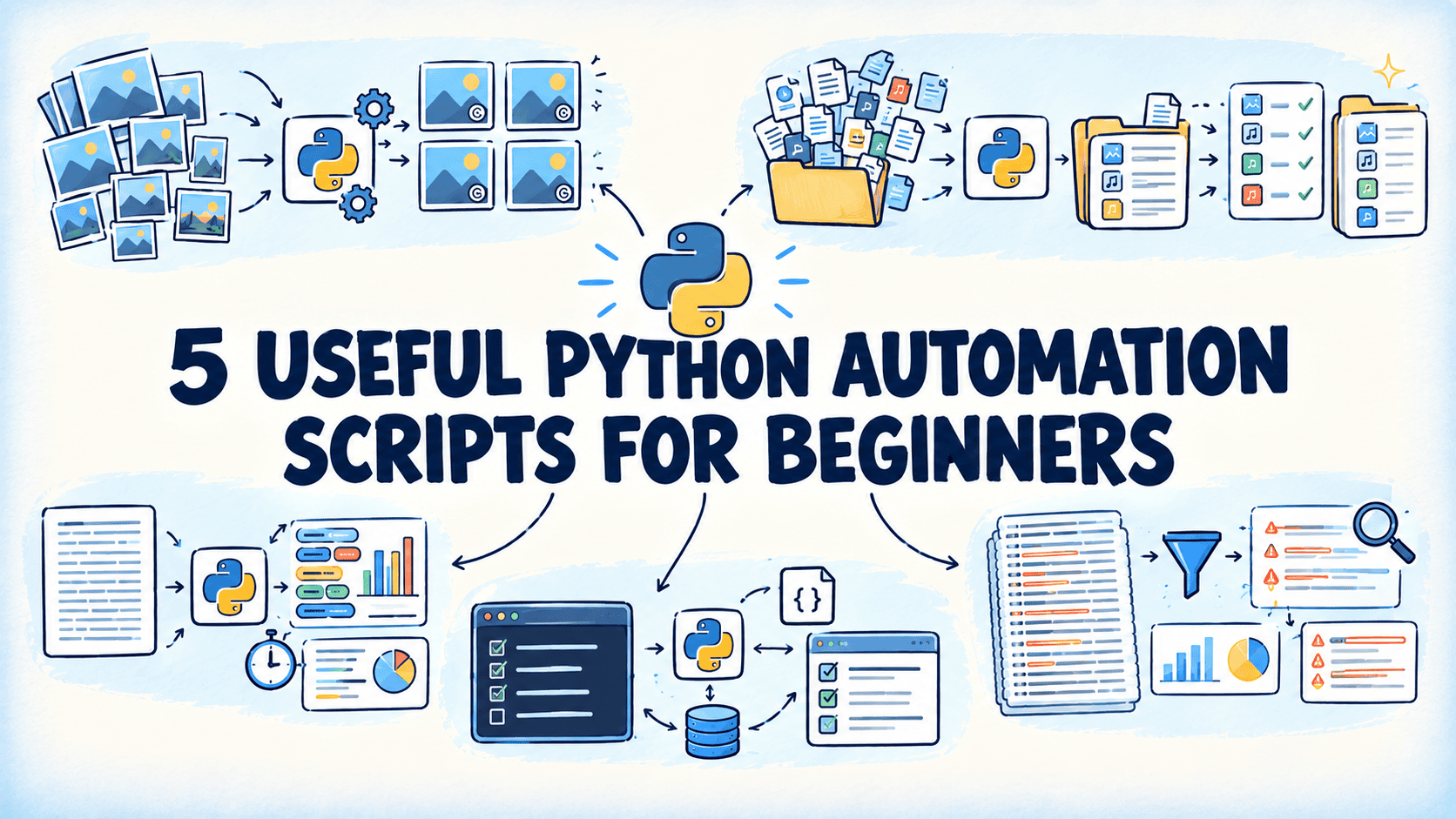
Python scripts have an unfair reputation. They are often treated as something you graduate to after years of spreadsheet wrestling, when in reality they are the most direct path to reclaiming hours lost to the same five tasks every week. If you have ever manually renamed hundreds of files, processed batches of images one by one, or copied data between folders by hand, you already know the pain. The solution is not a more complicated spreadsheet. It is a ten-line script that does the work while you focus on something that actually matters.
This is where the practical magic lives. The story we are covering walks through exactly how to automate those tedious daily chores, organizing files, processing images, simplifying workflows, using Python scripts that are genuinely beginner-friendly. No prior coding experience required. No intimidating jargon. Just a clear, repeatable method for turning repetitive work into a single command. For anyone who has felt constrained by the rigid rows and columns of traditional tools, this is the logical next step. It pairs naturally with our recent exploration of Explore Python Libraries That Make Time Series Analysis More Accessible, where we saw how the same language opens up sophisticated data analysis without demanding a data science background. Both pieces share a core insight: Python lowers the barrier to entry, not by dumbing things down, but by making powerful capabilities feel like a natural extension of what you already do.
What makes this specific approach worth your attention is its focus on the mundane. We are not talking about building a recommendation engine or training a neural network. We are talking about the grunt work that eats up twenty minutes here and thirty minutes there, the kind of friction that slowly erodes your sense of control over your own day. Automating it is not a luxury. It is a productivity lever that compounds. And because the scripts are beginner-friendly, you do not need to carve out a weekend to learn them. You can start with one task, say, renaming a folder of invoices, and see the payoff immediately. That immediate feedback loop is what turns a casual interest into a lasting skill.
There is also a broader lesson here about how we think about tools. The temptation is to chase the flashiest new platform or the most hyped framework. But the most transformative tools are often the ones that quietly eliminate friction. As we saw in Explore multi-agent AI design by building EV purchase and support tools, even advanced multi-agent systems start with the same principle: break a complex workflow into small, automatable pieces. The beginner scripts in today's story are the same idea, scaled down to the tasks that hit you every single day. Master those, and you have built the foundation for the kind of automation that actually sticks.
The concrete takeaway is this: pick one repetitive task you do this week, write a script for it, and time the difference. If the script saves you even ten minutes, that is ten minutes you will never get back by sticking with the manual approach. The future of data management is not about waiting for a better spreadsheet. It is about realizing that the tool to fix your workflow is already sitting in your terminal, waiting for you to give it a try.