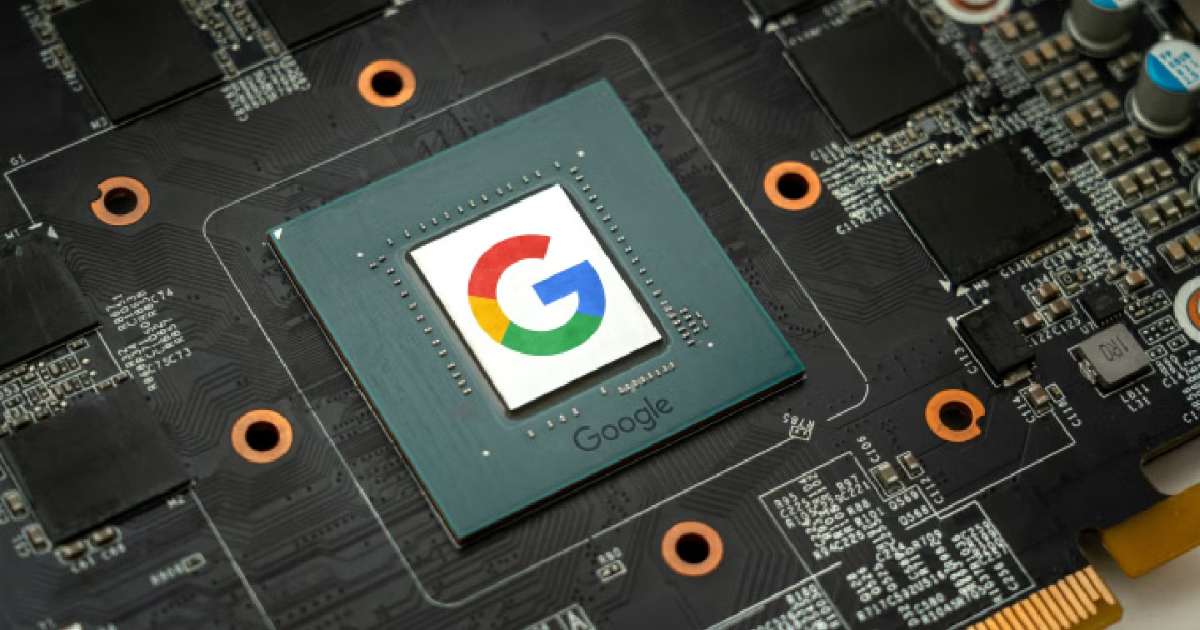
Google's decision to open-source TPU Sync is a quiet but significant acknowledgment that the biggest bottleneck in AI isn't compute, it's data movement. The library, a native C++ tool for shuttling KV cache blocks and model weights between TPU memory, host DRAM, shared storage, and the data center network, tackles the unglamorous plumbing that often determines whether a model trains in hours or weeks. We think this move signals something important: the era of treating hardware acceleration as a closed ecosystem is ending, and that's good news for teams who have felt locked into proprietary stacks.
For practitioners, this is a direct answer to a practical pain. Anyone who has managed large-scale AI workloads knows that the time spent waiting for data to transfer between memory tiers often dwarfs the actual computation time. TPU Sync doesn't promise to make your model smarter; it promises to make your infrastructure less wasteful. This aligns with a broader trend we've seen across the industry. Google expands AI chip lineup to power confidential training and larger models showed that the company is broadening its silicon strategy to handle more specialized use cases, and OpenAI gives businesses new tools to help ChatGPT guide discovery reflects a parallel push to make AI more accessible at the application layer. TPU Sync sits in the middle of those two developments: it's the infrastructure that makes the hardware more usable and the services more responsive.
What matters most here is the open-source choice. By releasing this library publicly, Google is effectively saying that the efficiency of data movement is a shared problem, not a competitive moat. That invites teams to inspect, adapt, and integrate the code into their own workflows without waiting for a vendor to solve a specific edge case. The practical takeaway is direct: if you're running TPU-based workloads, you should look at this library now. It's not a flashy announcement, but it could save your engineering team days of debugging memory transfer bottlenecks. The specific consequence to watch is whether this leads to more standardized tooling for multi-tier memory management across hardware vendors, or whether it stays a Google-specific advantage dressed in open-source clothes. Either way, the transparency is a win for anyone who believes that the future of AI should be built on foundations we can all inspect.