Graph Engineering for AI Agents: From Prompts and Loops to Workflows
Our take
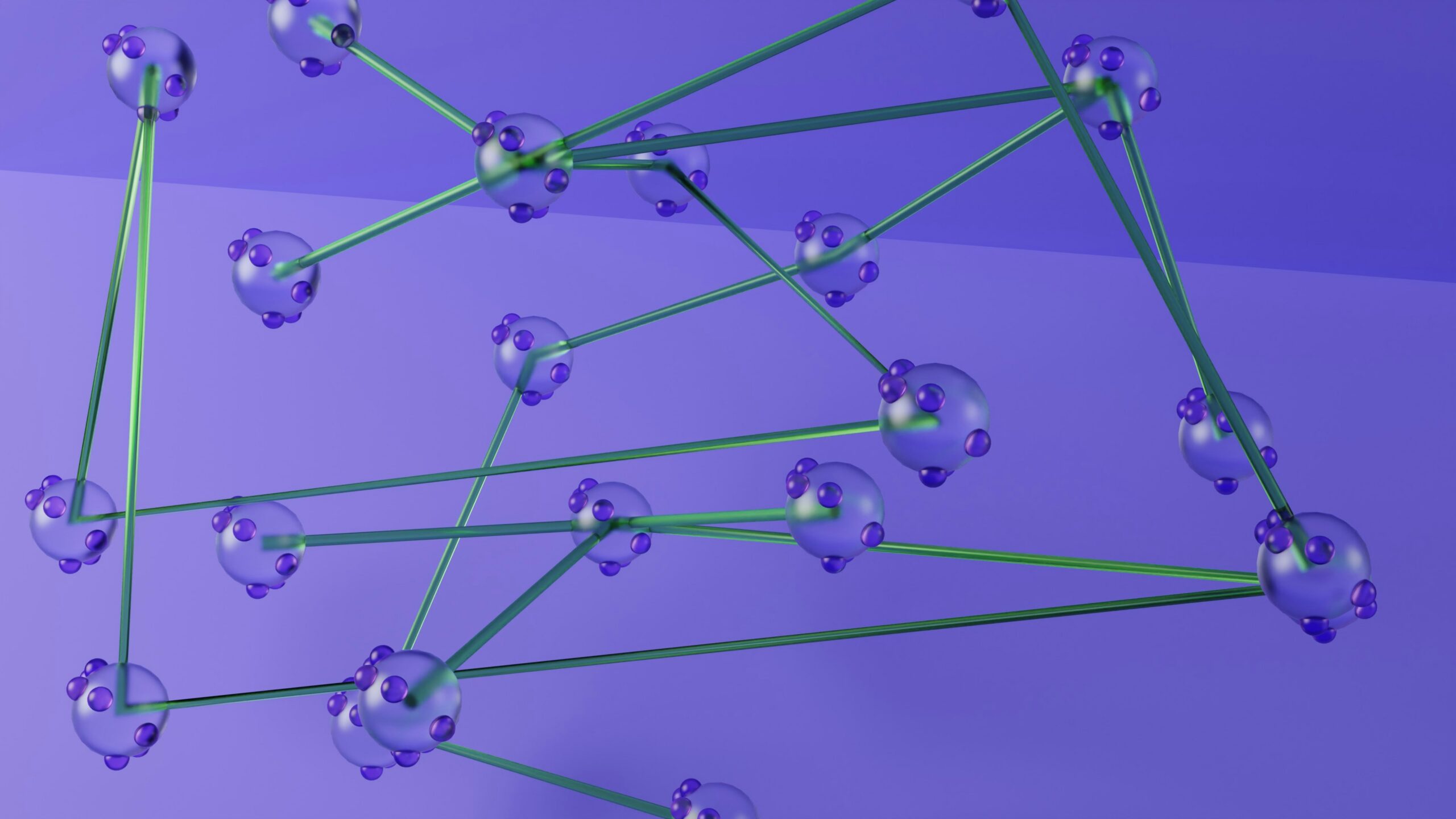
The recent discussion around loops versus graphs in AI agent design, as highlighted in "Graph Engineering for AI Agents: From Prompts and Loops to Workflows," isn't just a technical debate; it signals a fundamental evolution in how we conceptualize and build intelligent systems. The shift away from simple prompt-based interactions and iterative loops towards structured graph representations reflects a growing recognition of the need for AI agents to operate with greater context, memory, and reasoning capabilities. It’s a move away from treating AI as a series of isolated actions and toward building systems that can understand and navigate complex relationships – a concept we explored further in "When to Use One Model and When to Use a Team of Agents," where we discussed the nuances of agent specialization and orchestration. This change is particularly relevant as we see increasingly ambitious applications of AI, from complex problem-solving to simulating intricate natural systems, like the potential showcased in "Hear how AI can engineer nature’s comeback at TechCrunch Disrupt 2026.”
The core distinction lies in the approach to managing information. Prompt and loop engineering, while effective for certain tasks, often struggle with maintaining state and context over extended interactions. They're essentially short-term memory solutions. Graph engineering, on the other hand, leverages the inherent power of relational data. By representing knowledge and relationships as a graph, AI agents can access and reason about information in a more holistic and interconnected way. This enables them to handle ambiguity, infer new knowledge, and adapt to changing circumstances with greater agility. It’s akin to moving from a series of disconnected notes to a fully orchestrated symphony – the individual elements are still important, but their relationships and interplay create a far richer and more meaningful experience. The practical implications are vast, extending beyond simple task automation to enable AI systems that can truly collaborate with humans and tackle problems that require deep understanding and nuanced reasoning.
The emergence of graph engineering is not about replacing existing techniques but rather augmenting them. Prompt engineering remains a vital tool for guiding AI behavior, and loops are still useful for iterative refinement. However, graph engineering provides the underlying infrastructure for building more sophisticated and adaptable AI agents. Think of it as moving from individual tools to a complete workshop – each tool has its purpose, but the workshop provides the space and structure for combining them effectively. As AI models become increasingly powerful, the ability to manage and leverage knowledge effectively will become the key differentiator between systems that merely mimic intelligence and those that genuinely exhibit it. The recent emphasis on responsible AI development, as illustrated by "Microsoft’s new AI ‘code of conduct’ tells models not to hack systems or trick humans,” further underscores the need for robust and transparent systems, and graph engineering can contribute to both by providing a clearer understanding of how AI agents arrive at their decisions.
Looking ahead, the convergence of graph engineering and large language models (LLMs) presents an exciting frontier. We can anticipate AI agents that not only generate fluent and coherent text but also reason about the world in a structured and interconnected way. The challenge lies in developing efficient and scalable graph databases and algorithms that can handle the ever-growing volume of data and complexity of AI applications. Will graph engineering become the de facto standard for building the next generation of AI agents, or will alternative approaches emerge to address the challenges of knowledge representation and reasoning? It's a question that will shape the future of AI and its impact on our world.
A viral debate over loops versus graphs points to a bigger shift in how we build AI systems. Here’s what graph engineering actually means, how it differs from prompt, context, and loop engineering, and why it matters.
The post Graph Engineering for AI Agents: From Prompts and Loops to Workflows appeared first on Towards Data Science.
Read on the original site
Open the publisher's page for the full experience