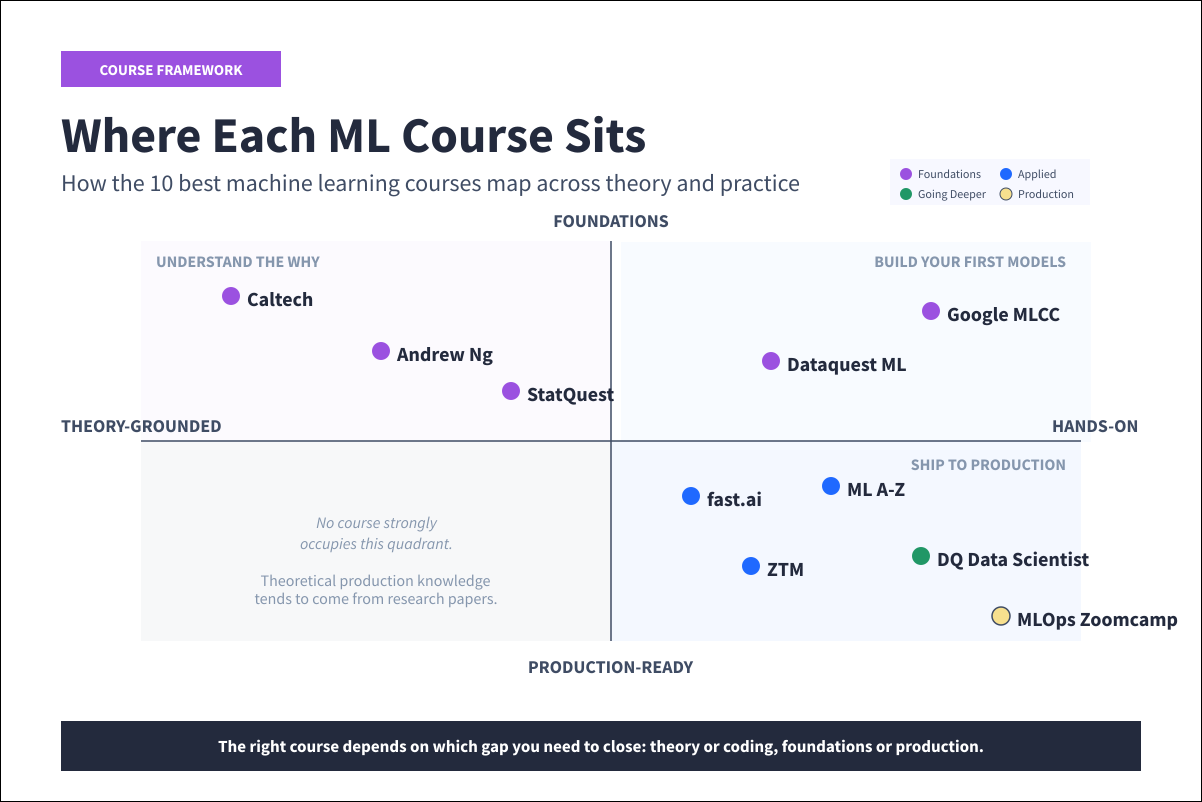
In the evolving landscape of machine learning education, the quest for the best courses often highlights a fundamental divide in learning approaches. Many popular course recommendations either lean heavily towards theory, such as Andrew Ng's renowned specialization, or are overly focused on tools, like many Udemy bootcamps that neglect the underlying mathematics. This disparity raises a crucial question: how do learners navigate this maze to find the right educational path tailored to their goals? Recognizing the distinct objectives of understanding, applying, or engineering machine learning systems is essential for anyone looking to harness the potential of this transformative technology. This discussion resonates with broader trends in tech education, as seen in our analysis of the implications of new tools like Anthropic releases Opus 4.8 with new 'dynamic workflow' tool and the ongoing debates around data privacy in articles like U.S. says troops were targeted with location data, as senator warns ad industry is a 'national security threat'.
An analysis of over 15 machine learning courses reveals that the right choice isn't just about content but about alignment with personal or professional goals. For instance, a learner seeking to grasp foundational principles may benefit more from a course that emphasizes theoretical understanding, while someone aiming to deploy machine learning models in real-world scenarios might find practical bootcamps more beneficial. This nuanced perspective is critical as it highlights that one-size-fits-all solutions often fall short in the diverse world of machine learning education. As the demand for skilled professionals continues to rise, understanding these distinctions can lead to more effective learning experiences and outcomes.
Moreover, the importance of this discourse extends beyond individual learning paths. As machine learning becomes increasingly integrated into various sectors, the need for a workforce equipped with both theoretical knowledge and practical skills is paramount. The ability to bridge the gap between understanding complex algorithms and applying them in production environments is a skill set that will define the future of the industry. The choices learners make today will not only shape their careers but also influence the broader technological landscape, prompting educational institutions and platforms to adapt and innovate in their offerings.
Looking ahead, the ongoing evolution of machine learning courses will likely reflect the rapid advancements in technology and the shifting demands of the job market. As new tools and frameworks emerge, educational resources will need to keep pace to ensure that learners are equipped with the skills necessary for tomorrow's challenges. This dynamic environment presents a unique opportunity for both educators and learners to collaborate in defining what effective machine learning education looks like.
As we navigate this exciting yet complex terrain, it prompts us to consider: how can we ensure that our learning paths not only meet our immediate needs but also prepare us for future opportunities in a landscape that is constantly evolving? Engaging with this question will be vital for anyone looking to thrive in the fast-paced world of machine learning.