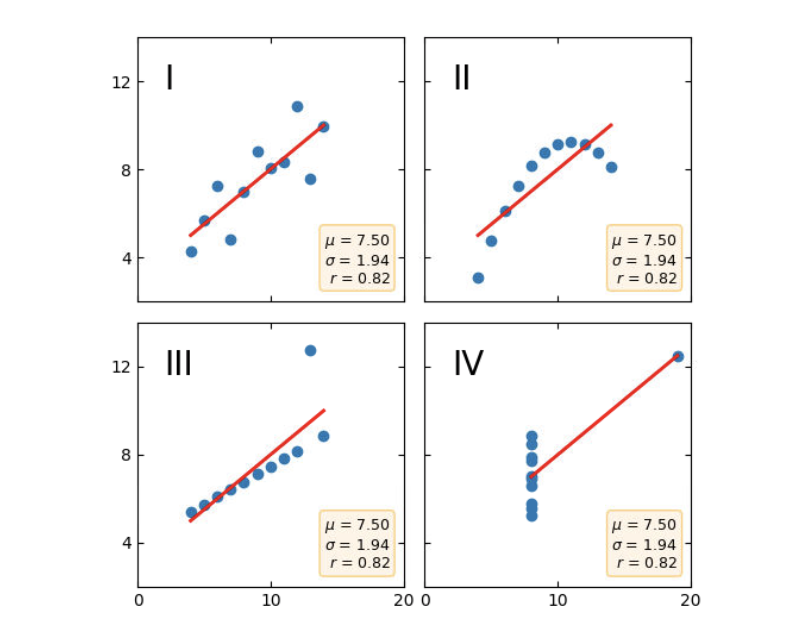
Every week, the same scene plays out in boardrooms and project huddles: a dashboard glows on the screen, someone walks through the numbers, and the conversation drifts into polite nods before moving on to the next agenda item. Meriem Benhabiles' piece on rethinking data visualisation through a UX lens names the real culprit, and it is rarely the dataset. The problem is that we build dashboards as display cases for information rather than as decision-making instruments. That distinction matters more than any new chart type or analytics feature. When Clean Data Starts With Catching AI Slop Before It Skews Your Model showed us how easily flawed inputs corrupt model outputs, the same logic applies here: if your visualisation is not designed to provoke a specific action, it is just decoration.
Benhabiles is right to push the conversation toward the questions you ask before opening any tool. That is where most of us go wrong. We start with the data we have, then try to wrap a narrative around it, instead of starting with the operational decision that needs to be made and working backward. This is not a minor process tweak. It is a fundamental reordering of priorities that separates useful dashboards from expensive wallpaper. For our readers who have spent years wrestling with legacy spreadsheet tools, the takeaway is immediate: stop asking "what does this data show?" and start asking "what will someone do differently because they saw this?" The UX approach Benhabiles describes is not about making things prettier. It is about reducing the cognitive distance between seeing a trend and acting on it.
This is where the connection to our broader coverage becomes unavoidable. We have written about Architecting AI-Powered Mobile UIs: Speed, Delight, and Scalability and how interface design determines whether complex technology feels intuitive or intimidating. The same principle governs dashboards. If an AI-powered analytics tool surfaces an insight but buries it behind cluttered visuals or ambiguous labels, the insight might as well not exist. And when we consider Transparency in AI Voice: ElevenLabs CEO on Disclosure and the Future, the lesson extends to how we present data-driven narratives: clarity is not a nice-to-have, it is a prerequisite for trust. Users will not act on a dashboard they do not trust, and they will not trust a dashboard that does not speak their language.
The most practical shift we can recommend is to treat every dashboard as a conversation starter, not a report card. Before you add one more metric to a view, ask whether it changes a decision. If it does not, cut it. If it does, make sure the visual hierarchy points straight to that insight, not to a sea of equally weighted numbers. Benhabiles' article is a useful corrective because it refuses to let the tools dictate the thinking. The question that remains open, and the one we will be watching, is whether software vendors will build for this kind of intentionality or keep optimising for feature checklists. For now, the burden falls on the people building the dashboards. The good news is that the fix is not technical. It is a habit of asking better questions before you click "generate." That is the habit worth stealing.