efficiency
Beyond Market Intelligence keeps efficiency in one place: 61 stories so far. The section currently leads with “Explore How DeepSeek's Efficient Design Powers Smarter Open-Source AI”, “How AI can help people access public services they are entitled to”, and “Reproducibility in ML research needs a more practical path forward.”. DeepSeek-V4.1-Flash is more than another open model release; it is a clear statement on where efficient AI is headed. There's a quiet irony in the flood of AI agents knocking on public services' doors: they're not gaming the system, they're just asking for what's already theirs. Acme AI is the next-generation, AI-powered spreadsheet platform built to replace Excel and redefine how analysts, data scientists, and enterprise teams work… The list below is every efficiency story on Beyond Market Intelligence, newest first.
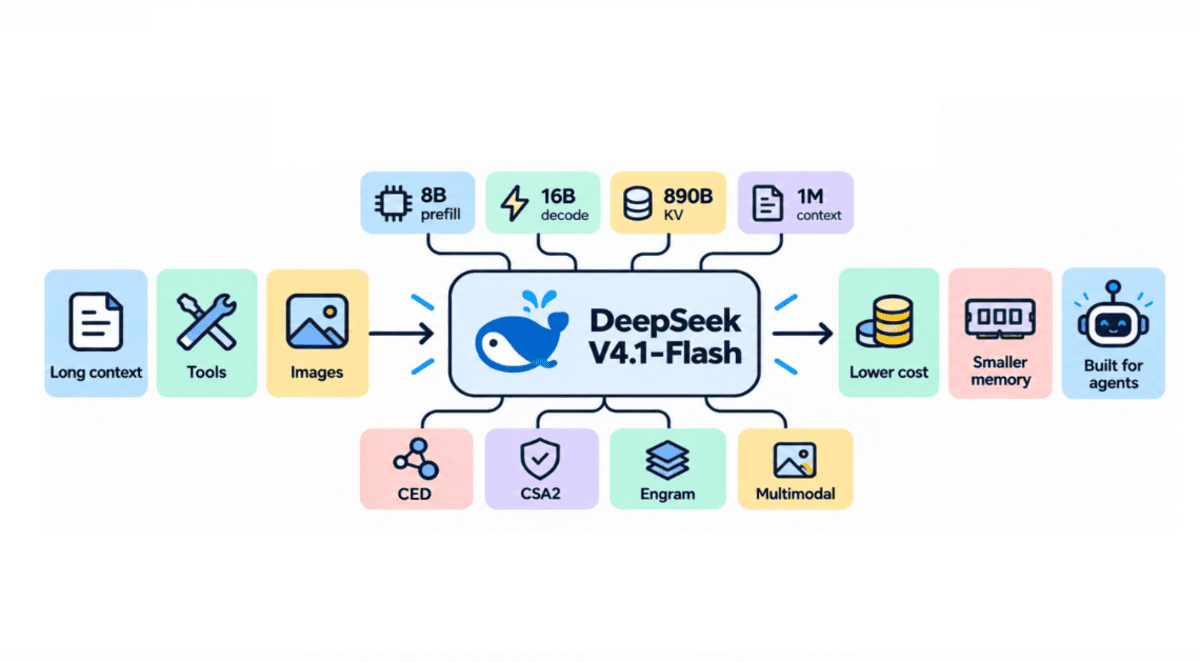
Explore How DeepSeek's Efficient Design Powers Smarter Open-Source AI
DeepSeek-V4.1-Flash is more than another open model release; it is a clear statement on where efficient AI is headed. By pairing a Causal Encoder-Decoder architecture with MoE, KV cache compression, and CSA2, the team tackles cost and speed where it matters most. Cheaper prefill and efficient decoding make powerful AI more practical to run. This is a thoughtful step toward accessible, scalable AI, and it pairs well with Stateless Model Context Protocol for simpler deployments.

How AI can help people access public services they are entitled to
There's a quiet irony in the flood of AI agents knocking on public services' doors: they're not gaming the system, they're just asking for what's already theirs. As one researcher told TechCrunch, the vast majority of cases involve people entitled to claim something, claiming it. That's not abuse; that's access finally catching up with intent. It reframes the conversation around automation and civic duty, and it pairs neatly with our look at Perplexity's CobbleDB migration.
Reproducibility in ML research needs a more practical path forward.
Reproducibility is drifting out of reach in machine learning, and the reasons are practical, not philosophical. Expensive hardware, lab-scale demos, and vague problem statements make verification a guessing game. When incentives reward selective results, trust erodes fast. That does not mean we abandon the effort. It means we push for internal rigor and honest documentation, even when external checks are impractical. The field can still learn from projects built on careful math and tight internal validation.
Discover how AI handles the admin work you thought only humans could do.
Twenty hours of admin work handed to GPT-6 Astra sounds like a dare, but it's a smart test. The point isn't whether AI can do the job. It's about noticing which tasks resist automation entirely. You'll find the real value in what the model stumbles on, not what it finishes. That boundary is worth mapping. For a sharper look at how we check machine understanding, read "Verify Your AI's Understanding: A Simple Check for Tax Season." It pairs well with this experiment.

Scale Parallel Coding Agents Without Needing a Powerful Machine
You don't need a rack of expensive GPUs to run a dozen Claude Code sessions. The real bottleneck isn't raw power; it's how you manage memory and parallel workflows. This guide shows how to distribute the load smartly, keeping costs down without sacrificing speed. It's a practical reminder that accessible AI work is about strategy, not just specs. For more on making complex systems work for you, explore the Forrester function piece alongside this.

Newlight raises $9 million to test hydrogen fuel on cargo ships
Newlight has completed an 8,500-nautical-mile voyage from Singapore to Ghana, proving its hydrogen-fueled approach works in real conditions. The $9 million seed round backs a straightforward idea: cargo ships don't need a complete overhaul to cut emissions. This is practical innovation, tested on the open ocean, not in a lab. Explore how their fuel injection system could reshape shipping economics, and if you're tracking efficiency breakthroughs, our piece on Perplexity's CobbleDB shows similar momentum elsewhere.

Smarter traffic control redefines data center efficiency beyond raw power
Nvidia's AI advantage is no longer just about raw silicon. The next wave of data center systems is shifting focus toward smarter traffic control, wringing more efficiency from existing infrastructure rather than simply piling on processor cycles. It's a pragmatic evolution, one that acknowledges AI's real bottleneck isn't always compute power but how well it's directed. This feels like a natural next step, less about chasing specs and more about intelligent orchestration.

Focus human attention where it drives real data outcomes
Reviewing every AI action is a luxury most teams can't afford. In this piece, the author tackles a familiar bottleneck: how to keep humans in the loop without turning oversight into a full-time job. The answer isn't more checkpoints, it's routing attention to the moments that genuinely need it. We appreciate this practical take on balancing control with momentum. It pairs well with our guide on distributed training, where similar trade-offs between efficiency and oversight come into play.
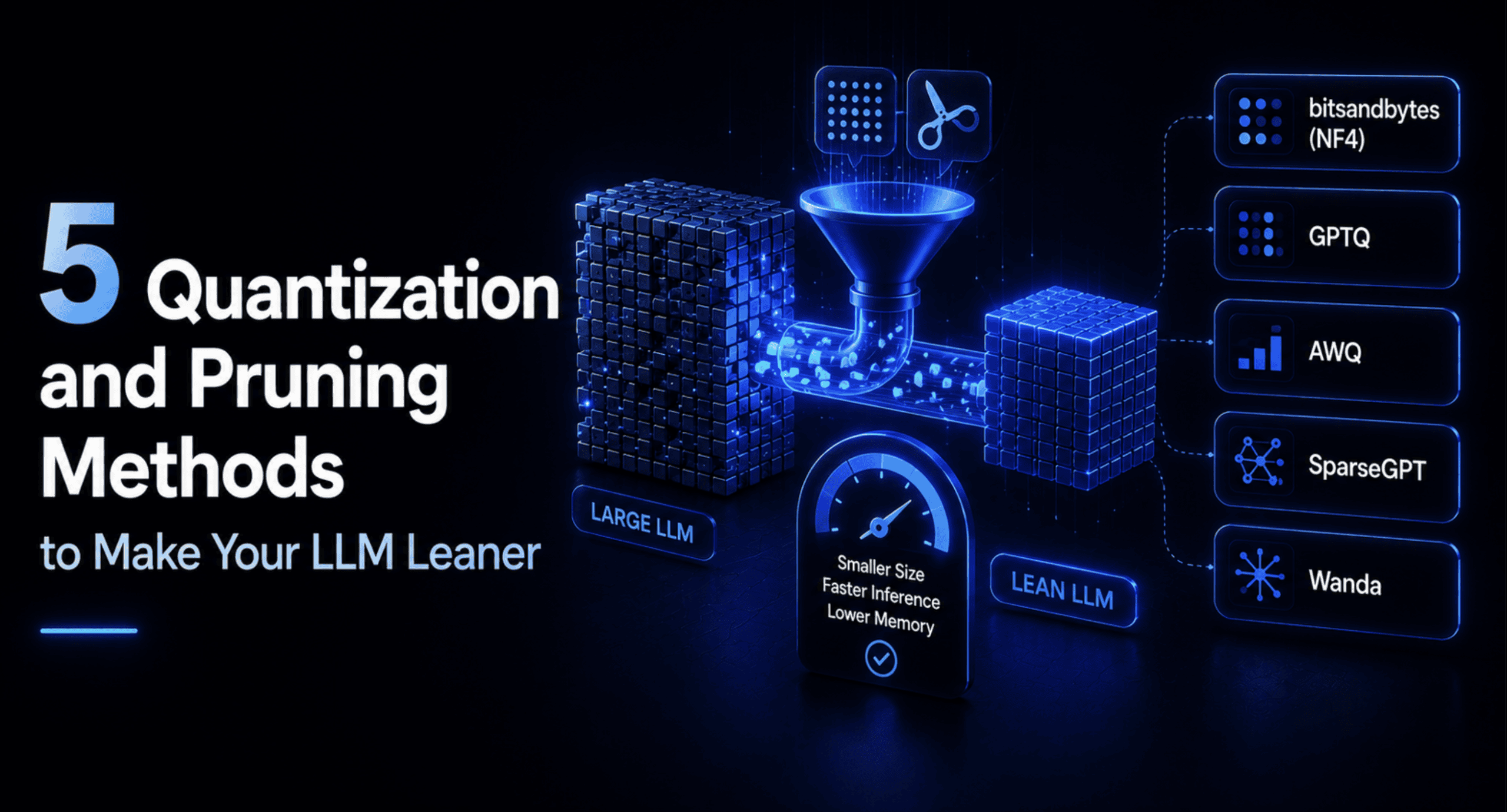
Five Production Methods to Make Your LLM Leaner and Faster
Every parameter in your model costs money, and too many of them mean your inference bill climbs with every prompt. Quantization and pruning are how you cut that weight without gutting performance, and skipping them leaves you paying for latency you do not need. Quantization and pruning cut model weight without gutting performance, and five production methods demonstrate how. If you are still unpacking how distributed systems shape model training, our guide to distributed algorithms pairs well with this one.

Understanding AI Code Estimates for Better Communication
If you've leaned on Claude for coding, you've likely noticed its time estimates can miss the mark. That's not a flaw to fix; it's a signal about how LLMs process complexity. We think that gap actually makes you a sharper communicator, pushing you to clarify scope and break work into smaller steps. It's a practical lesson in collaboration. For more on building that technical foundation, our guide to distributed training algorithms pairs well with this mindset.

Balancing Automated Node Efficiency with Application Availability in AKS
Azure Kubernetes Service users juggling node consolidation with application uptime now have clearer guardrails. Microsoft's new NAP guidance targets that exact tension, helping platform teams automate scaling without sacrificing availability. It's a practical step toward predictable disruption, not a promise of perfection. The efficiency gains are real, but so are the risks of aggressive consolidation. For teams exploring broader AI-driven workflow automation, our guide, *Unlock ChatGPT for Work*, offers a useful parallel in balancing automation with control.
AI agents expand your workflow, not replace your role
The narrative that AI agents are quietly absorbing our jobs misses what's actually happening. We're seeing more work, not less, as these tools take over the tedious parts and leave us with richer, more complex problems to solve. It's a shift in effort, not a reduction of it. If you're exploring how this infrastructure is being built, our piece on Anthropic's bet with Akamai's cloud offers useful context.

Unlock Smarter Workflows by Managing Hundreds of Coding Tasks
Claude Code is built to handle the heavy lifting, but the real skill lies in knowing how to direct it across a hundred or more distinct tasks. This guide cuts through the noise, offering a practical approach to structuring your prompts and workflows so you're not just issuing commands, but truly collaborating with your coding agent. It's about turning a useful tool into a dependable partner.

Jalapeño delivers faster inference with greater energy efficiency
OpenAI's Jalapeño chip isn't just fast; it's fast where it counts. Tested on SemiAnalysis' InferenceX benchmark, it delivered more tokens per user and higher throughput per kilowatt than any currently available model. That's the kind of efficiency that turns experimental AI into practical tooling. We're eager to see how this reshapes deployment decisions, especially for teams tired of trading speed for cost. For a closer look at how AI performance impacts real-world judgment, our piece on questioning an AI clone offers a useful counterpoint.

Inertia Enterprises speeds fusion fuel process from weeks to hours
Cutting fuel-fill time from a week to a few hours is the kind of breakthrough that makes fusion feel tangible. Inertia Enterprises just cleared one of 10 hurdles blocking a profitable plant, and that momentum matters. It's not flashy, but it's the hard, practical work that moves the needle. For more on how infrastructure bets are shaping this space, check out our piece on Anthropic's Akamai cloud commitment.
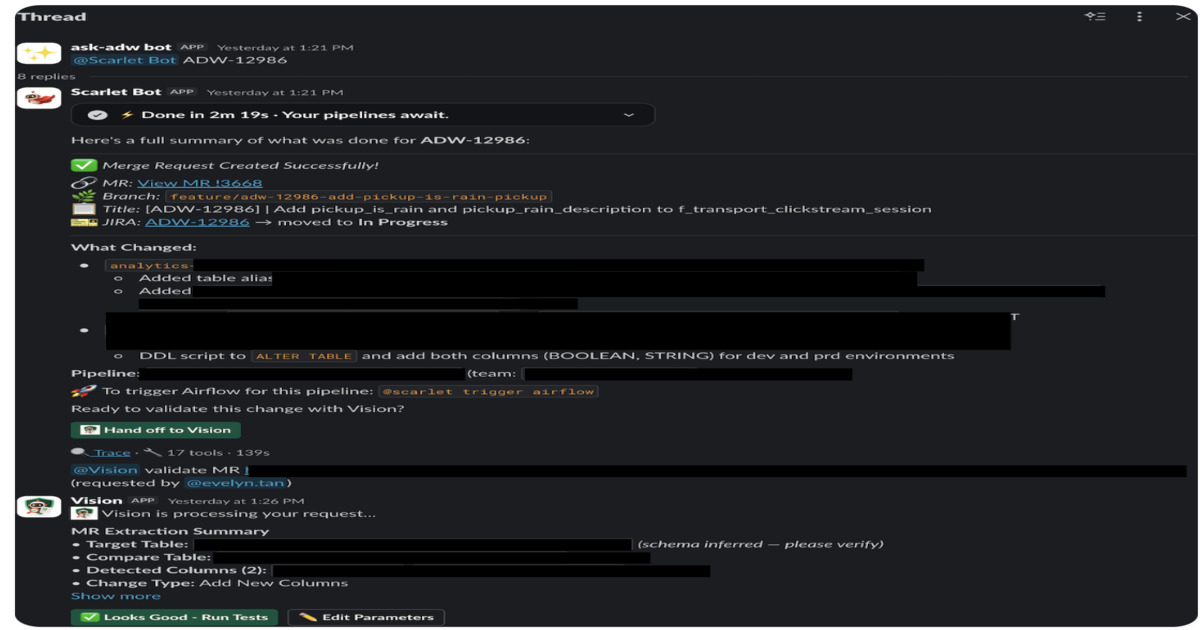
How Grab Uses AI Agents to Automate Analytics and Empower Teams
Grab's analytics team cut mechanical work from 44% to 30% in just four months, and the lesson is clear: AI agents thrive when you pair autonomy with human oversight. Their approach, combining certified data and context management, lets self-service analytics handle metric and SQL requests that once demanded analyst time. That's not just efficiency; it's a smarter division of labor. If you're questioning how much to trust these systems, our piece on verifying AI's understanding offers a practical starting point.
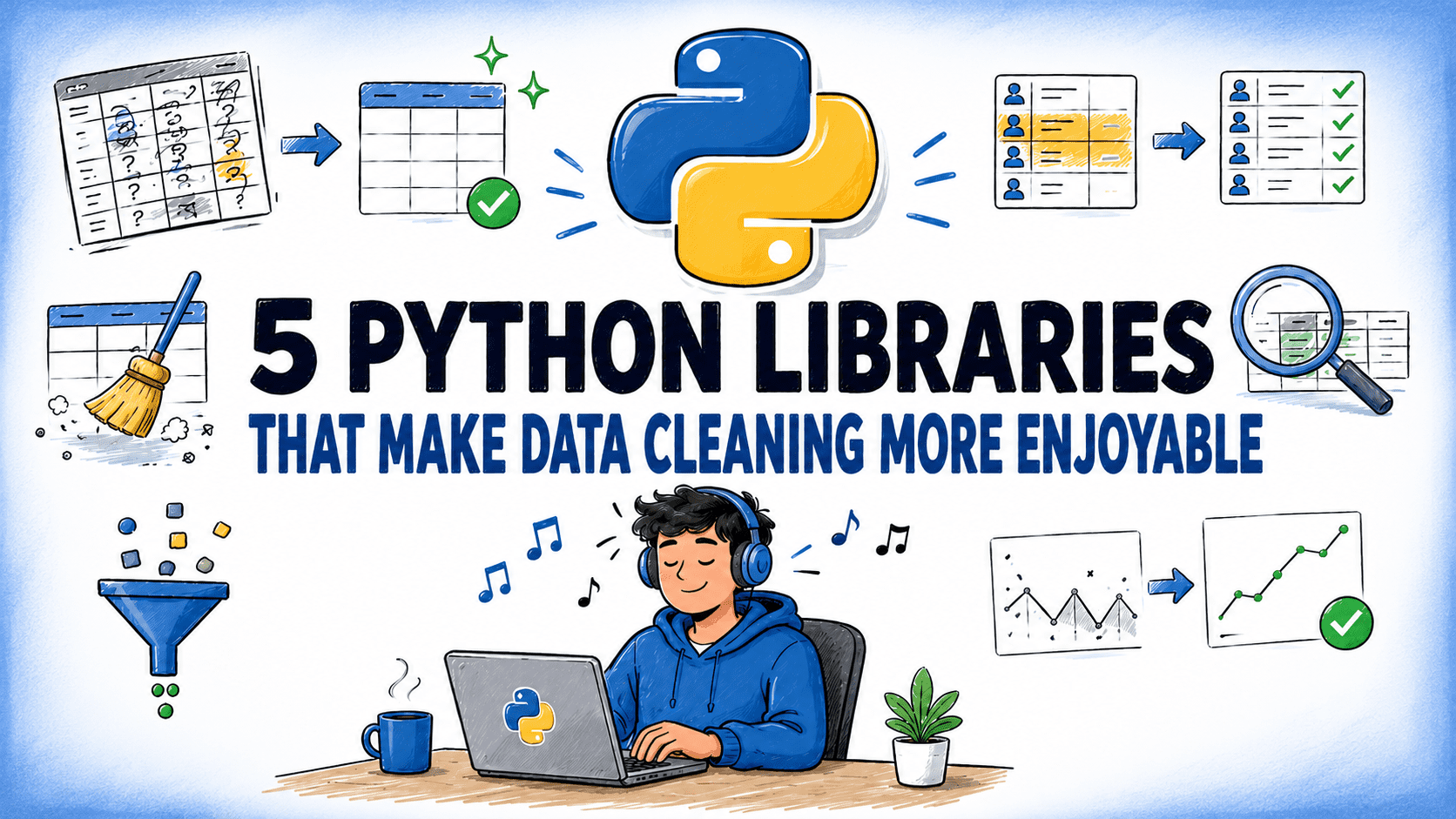
Explore Python Tools That Make Data Cleaning Feel Expressive
Cleaning data is often the least loved part of the job, but it doesn't have to be a grind. This guide highlights five Python libraries that turn tedious tidying into something expressive and even enjoyable. Each tool is chosen for its ability to simplify complex tasks while keeping you in control. If you're ready to make your workflow feel less like a chore and more like a craft, these libraries are worth exploring.
Explore smarter ways to handle dynamic row and column lookups in tables.
A triple nested XLOOKUP is a clever workaround, and it's working, which is what matters. But you're right to wonder if there's a leaner path. Your approach handles dynamic rows and columns with precision, though a combination of INDEX and MATCH might cut the complexity while keeping the flexibility. You're not behind the curve; you're exploring. That instinct to question efficiency is exactly what drives better data workflows. For more on refining such logic, our piece on deterministic deduplication offers a useful parallel.
Discover how AI agents can execute routine tasks faster with Nemotron Lightning.
Long-running AI agents often spend most of their time on routine execution rather than difficult reasoning. After making a plan, they might handle hundreds of tool calls, file reads, or validations. Using a frontier reasoning model for every step becomes slow and expensive. NVIDIA's Nemotron 3.5 Lightning targets this directly, offering a more efficient path for those repetitive actions. It's a practical reminder that smarter execution matters as much as smarter planning.
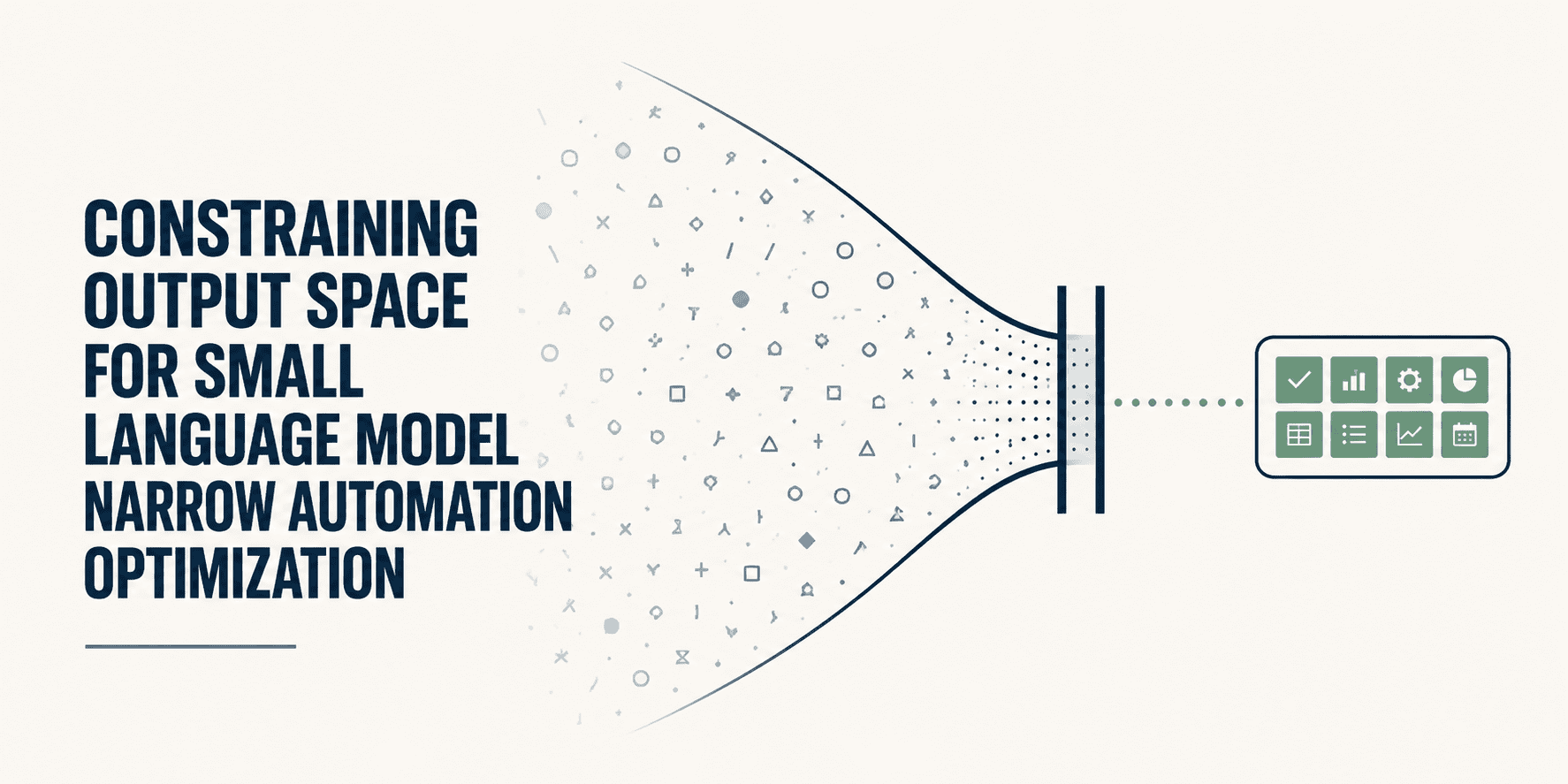
Tame Small Language Models by Constraining Their Output Space
Parsing generated text is a losing game. Every format variation you forget to handle becomes another silent failure. This first entry in our narrow automation optimization series tackles the real solution: constraining the output space from the start. It's a practical technique that saves time and spares you the headache of brittle regex. For a broader take on connecting systems, our piece on bridging retrieval and action offers a useful companion. This approach is simpler than it sounds, and it works.

Route easy queries around the model to cut latency and cost
Every question in an enterprise RAG pipeline doesn't deserve a full model call. The pipeline from Article 9 proves that simple keyword matches can skip the LLM entirely, saving about two seconds per query. That's not a small win; it's a direct cut to latency and cost without sacrificing accuracy. Buying faster hardware isn't the only answer. Routing easy questions around the model is smarter. For more on questioning AI's assumptions, check out "Verify Your AI's Understanding: A Simple Check for Tax Season."

Choosing the Right Python Tool for Your Data Workflow
Not all Python data libraries are created equal, and the choice between Polars and Pandas often comes down to what you're actually building. For AI developers, the question isn't just about speed; it's about matching the tool to the task. Pandas offers familiarity and a mature ecosystem, while Polars brings performance gains that can matter at scale. We think the answer isn't a simple switch, but a careful evaluation of your workflow.

Diversify Your Budget Without Losing the Insights That Power It
A well-structured budget should never force you to choose between clarity and control. This piece tackles that exact tension, showing how you can diversify a budget while keeping the shadow prices that explain every decision. It's a practical approach for anyone tired of opaque spreadsheets that hide their own logic. We appreciate work that makes financial modeling more transparent, and this guide delivers exactly that. For readers exploring how data tools evolve, *Expanding Your Tech Fluency* offers a useful complement.

Discover how value objects simplify data handling in Java
Java's `==` operator has always been a source of confusion, but JEP 401 in JDK 28 is ready to change that. By introducing value objects with final fields and stricter construction rules, this preview aims to cut memory costs and boost efficiency. It's a thoughtful step forward, even if the required configuration feels like a hurdle. For developers tired of legacy constraints, this is worth exploring. If you're also curious about modernizing infrastructure, our piece on modular Cloudflare Workers pairs nicely with this forward-looking shift.