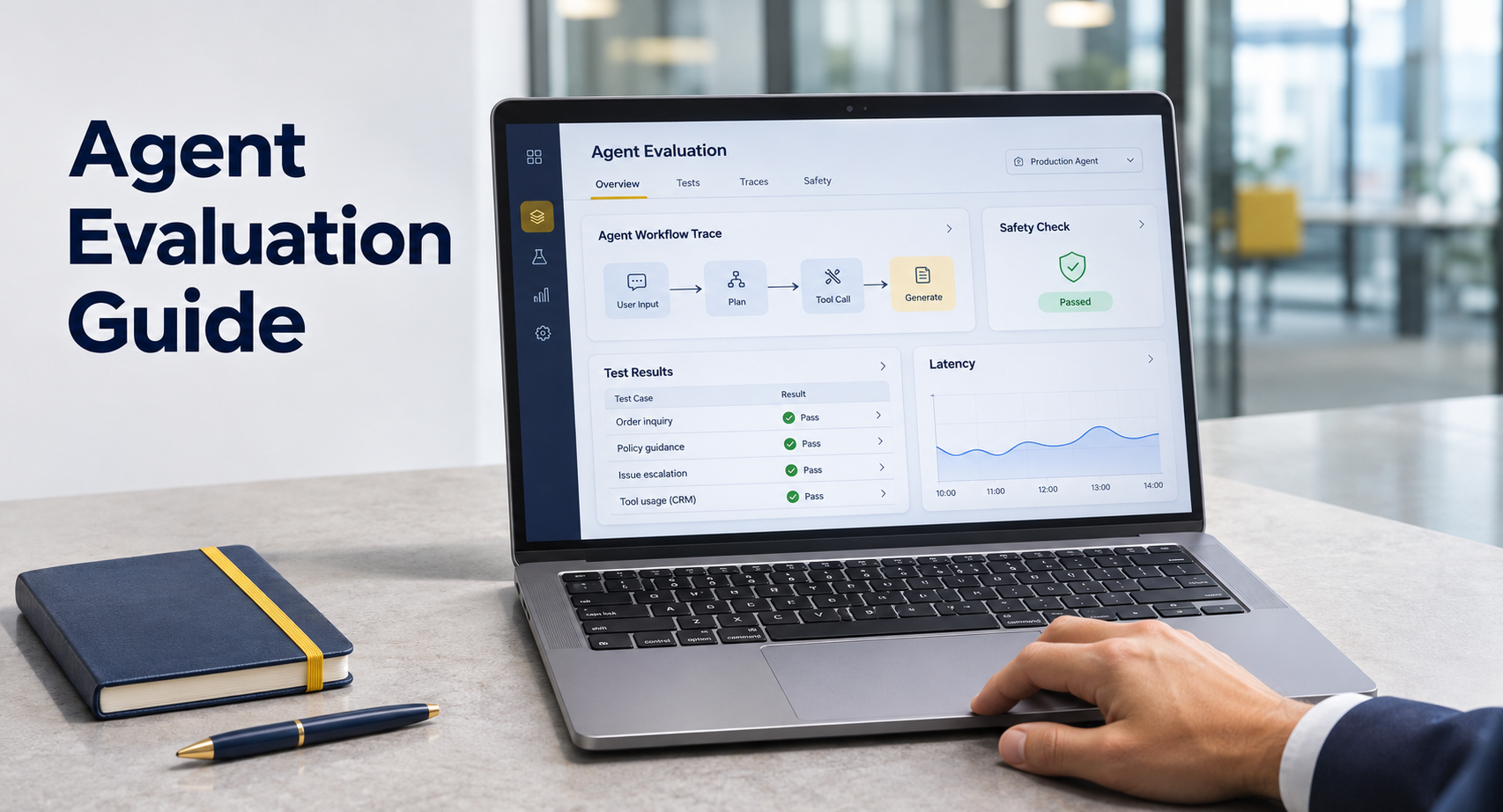
The gap between a polished demo and a production deployment is where most AI agents fail, and that gap is wider than many teams want to admit. A demo agent handles the clean query, calls the right tool on the first try, and returns a tidy answer. Put that same agent in front of real enterprise data, and it picks the wrong tool, loops on a failing API, or leaks data it should never see. The problem isn't the technology, it's how we evaluate it. Most organizations test for accuracy in a vacuum, not for resilience in the messy, permission-laden, multi-source environment where their users actually work. This matters because the cost of a bad agent isn't just a wrong answer; it's eroded trust, compliance risk, and hours of cleanup. For teams building with spreadsheets or databases, the lesson is direct: your evaluation criteria must mirror your real data landscape, not your demo script.
This kind of practical, ground-level thinking connects to broader patterns we've seen across the industry. When Norwest's largest fund signals a deeper commitment to AI-driven innovation, the capital is flowing toward tools that actually work at scale, not those that shine in controlled settings. Similarly, the conversation around how communities define and govern AI slop together highlights a growing recognition that quality isn't a technical metric you can isolate, it's a social and operational one, shaped by how real people interact with outputs. An agent that leaks data or loops endlessly isn't just a bug; it's a failure of governance that erodes the very trust communities and enterprises need to adopt AI. The thread running through all three stories is that evaluation must be grounded in reality, not aspiration.
So what does a better evaluation look like? Start by testing against your worst-case data, not your cleanest. Feed the agent incomplete records, ambiguous column names, and datasets with conflicting permissions. Watch what happens when an API times out or returns unexpected data. The agent that handles those scenarios gracefully is the one worth deploying. And if you're evaluating a vendor or building your own, demand transparency about failure modes, not just success rates. The specific takeaway here is simple: before you trust an agent with real work, force it to fail in a sandbox that looks like your actual production environment. That's not pessimism, it's the minimum viable standard for confidence.