Bill Gates wants to see a robot tax and ‘Human Reserved’ jobs to mitigate harms from AI
Our take
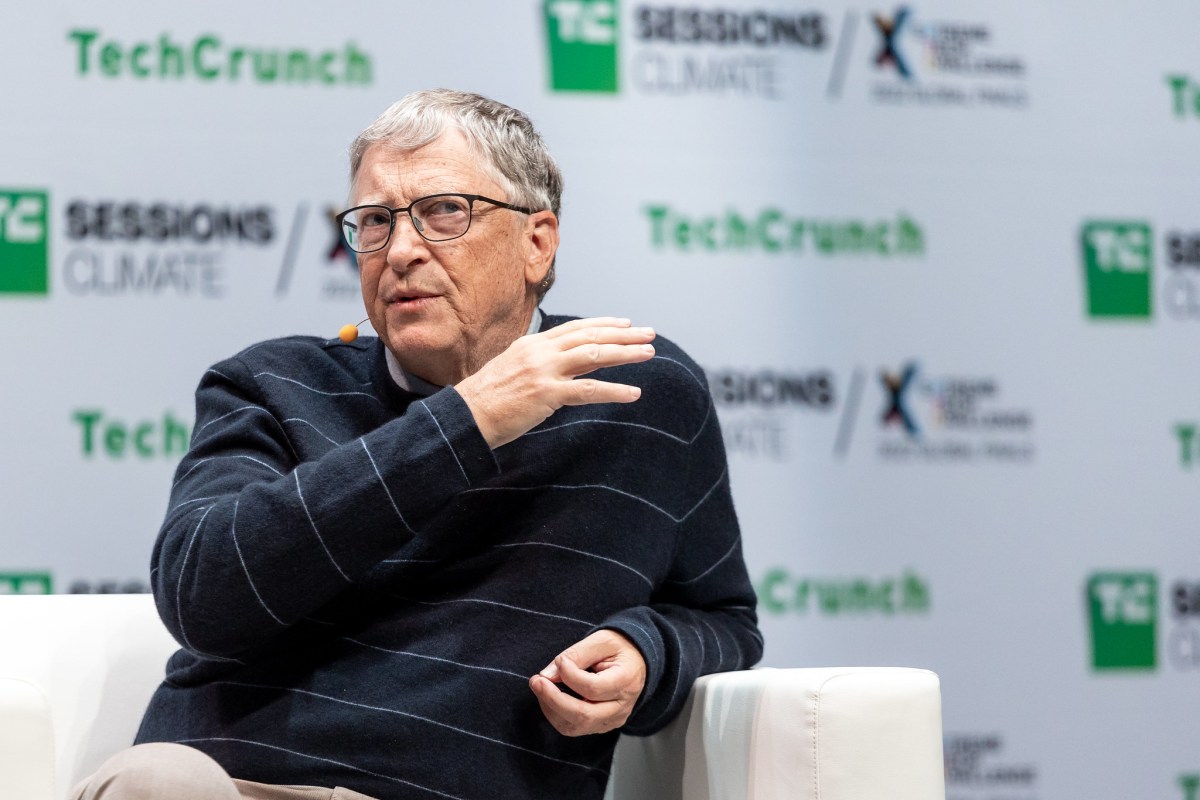
Bill Gates’ recent commentary on AI's potential impact, advocating for a “robot tax” and the concept of “Human Reserved” jobs, signals a growing mainstream consideration of the societal adjustments needed alongside rapid AI advancement. While the Responsible AI camp has been vocal about potential harms, Gates' specific proposals – particularly the latter – feel notably fresh. It’s encouraging to see such influential figures moving beyond simply acknowledging the risks and starting to explore concrete, albeit complex, mitigation strategies. We've been charting the evolving landscape of AI's influence on the workforce, as highlighted in our recent piece Understanding the Impact of AI on Job Markets, which explored five distinct ways AI is reshaping employment. Similarly, the practical application of AI in coding, and the need for strategic prompting and oversight, is a key area we're tracking; see our guide 10 Rules for Getting Better Results from AI Coding Agents for actionable insights on maximizing its utility.
The notion of “Human Reserved” jobs—roles specifically designated to require uniquely human skills and qualities—is particularly compelling. It’s a proactive approach, recognizing that simply retraining displaced workers for new roles may not be sufficient. Instead, it suggests identifying and protecting jobs that leverage distinctly human capabilities like complex emotional intelligence, nuanced creative problem-solving, and deep interpersonal connection. This isn't about resisting automation; it’s about strategically preserving the value of human expertise in areas where AI currently falls short. The idea of a “robot tax,” while more debated, adds another layer of potential economic adjustment, aiming to fund social safety nets and retraining programs as AI-driven automation inevitably impacts employment levels. It’s a conversation starter, prompting a critical examination of how we distribute the economic benefits generated by AI, ensuring they aren't concentrated solely within a small segment of the population.
The broader significance of Gates’ pronouncements lies in normalizing these discussions within mainstream discourse. For too long, conversations about AI’s societal impact have been relegated to academic circles or niche tech communities. Having a figure of Gates’ stature publicly raise these concerns lends them legitimacy and urgency. It pushes policymakers, business leaders, and the public to grapple with the potential consequences of unchecked AI deployment. This also necessitates a deeper understanding of what constitutes “human-centric” work, and how to cultivate and value those skills within a rapidly evolving economy. The current boom in European startups, as we detailed in What’s driving Sweden’s startup boom, from Lovable to Legora, demonstrates a certain entrepreneurial spirit, but it's crucial that this innovation doesn't occur in a vacuum, ignoring the broader societal implications.
Ultimately, Gates' proposals underscore a fundamental shift in perspective. We're moving beyond a purely technological assessment of AI to a more holistic evaluation that considers its social, economic, and ethical ramifications. While the specifics of a robot tax or the precise definition of "Human Reserved" jobs remain to be fleshed out, the core message is clear: responsible AI development requires proactive planning and a willingness to adapt our societal structures to ensure a future where AI benefits all of humanity, not just a select few. The question now becomes: will governments and businesses heed this call and begin implementing concrete policies before the displacement caused by AI becomes too widespread to manage effectively?
Read on the original site
Open the publisher's page for the full experience