Free Transcription with Speakr
Our take
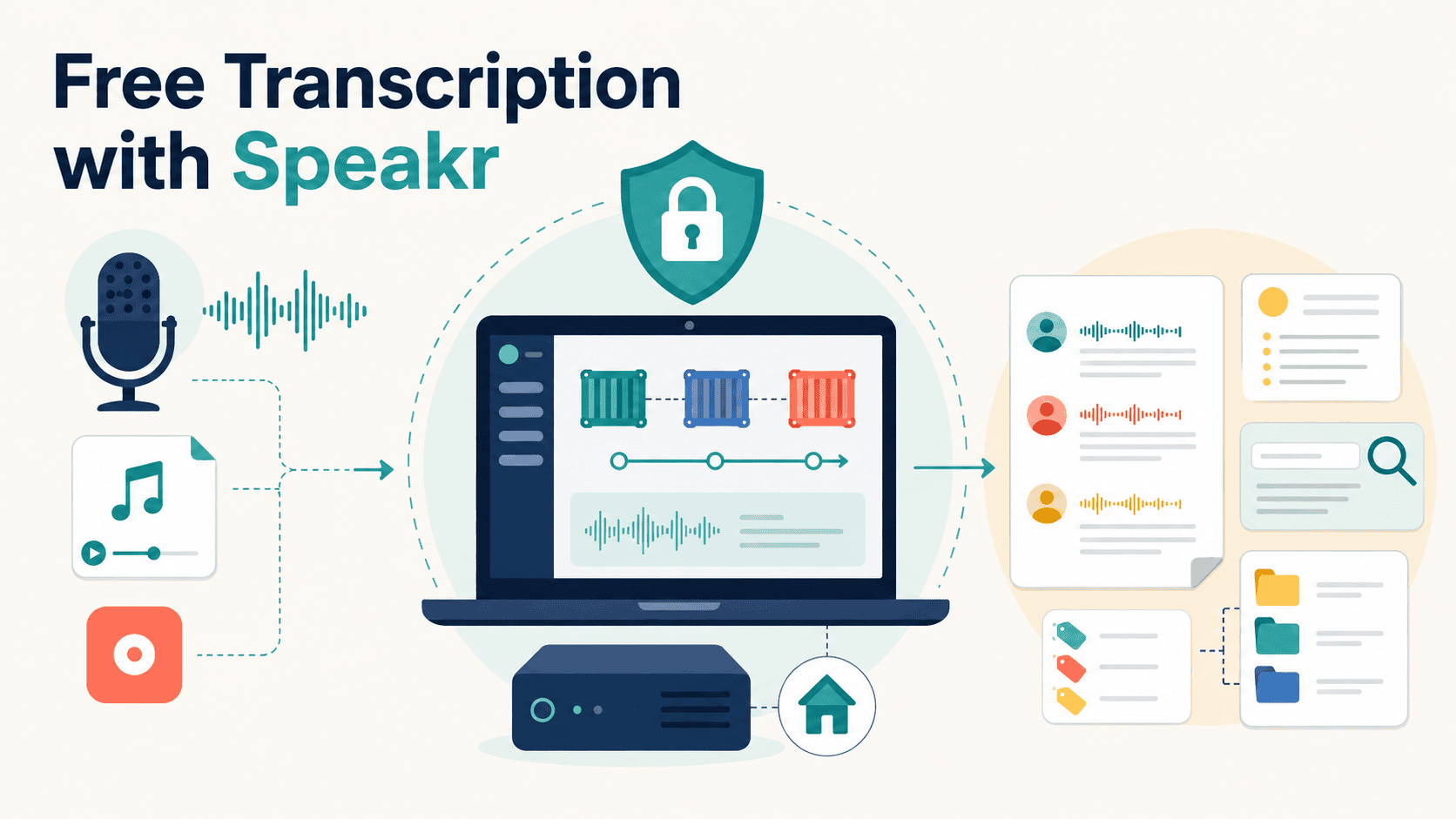
The rise of self-hosted transcription platforms like Speakr signals a significant shift in how individuals and organizations approach data privacy and control in an increasingly AI-driven world. While cloud-based transcription services offer convenience, they inherently involve relinquishing control over sensitive audio data. Speakr’s emphasis on private, self-hosted operation directly addresses this concern, empowering users to maintain complete ownership and security of their transcripts. This move aligns with a broader trend of users seeking alternatives to centralized data storage, a sentiment highlighted by recent discussions around data center advertising and lobbying efforts, as detailed in A group funded by Andreessen, Horowitz, and Brockman plans data center ads to sway midterms. The ability to run a transcription service locally, or within a trusted private cloud environment, provides a level of assurance that’s simply not possible with third-party providers. This is particularly crucial for industries dealing with confidential information, such as legal, healthcare, and financial services.
The appeal of Speakr extends beyond pure privacy; it speaks to a growing desire for customization and integration. Unlike many cloud services that operate as black boxes, a self-hosted solution allows for greater flexibility in terms of configuration, integration with existing workflows, and even potential modification of the underlying transcription engine. This resonates with the nuanced demands of developers and power users who require more than just a simple transcription service. Consider the considerations involved in choosing between coding agents like Claude Code and Codex, as explored in When to Use Claude Code and When to Use Codex - the ability to fine-tune and adapt tools to specific needs is paramount. The inherent control offered by Speakr allows users to tailor the transcription process to their unique requirements, potentially even leveraging it to train custom models or integrate it with other AI-powered applications. The recent disruptions experienced by major platforms, such as the Microsoft tests fix for latest hours-long Outlook outage, also underscore the value of having independent, resilient systems.
The emergence of platforms like Speakr doesn't represent a rejection of cloud-based AI entirely, but rather a diversification of options and a rebalancing of power. It acknowledges that the "one-size-fits-all" approach of centralized cloud services isn't always the optimal solution, especially when data sensitivity and control are primary concerns. The technical hurdle of self-hosting may initially seem daunting for some, but the increasing availability of user-friendly deployment tools and readily accessible documentation is lowering the barrier to entry. As AI continues to permeate various aspects of our lives, we can expect to see a growing demand for decentralized and self-manageable solutions that empower users to maintain ownership and control over their data. This shift represents a maturation of the AI landscape, moving beyond the hype and towards a more pragmatic and user-centric approach.
Ultimately, Speakr’s success will depend on its ability to strike a balance between providing robust functionality and maintaining ease of use for a wider audience. The platform’s ability to evolve alongside the rapid advancements in AI transcription technology will also be critical. The question to watch is whether this trend toward self-hosting will spur further innovation in decentralized AI tools and services, ultimately leading to a more distributed and democratized AI ecosystem.
Read on the original site
Open the publisher's page for the full experience