Microsoft is openly competing with OpenAI, Anthropic more than ever
Our take
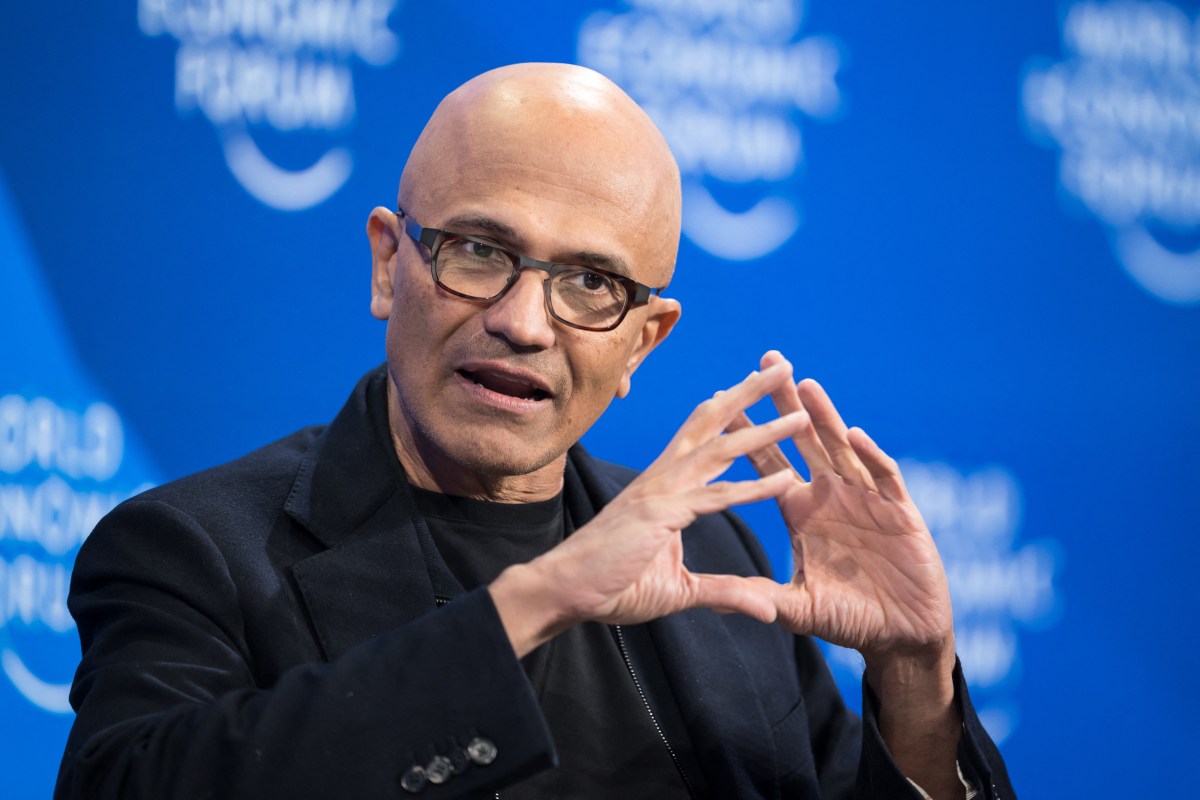
Microsoft’s recent announcement, detailing its own AI models, harnesses, and a direct competitor to Anthropic’s Mythos, signals a significant shift in the landscape of generative AI. It’s no longer simply a matter of integrating existing models; Microsoft is clearly establishing itself as a serious contender in the development and deployment of its own AI infrastructure. This move, shared with Wall Street as part of its plans for continued growth, underscores the increasingly complex and competitive nature of the AI arms race. While the company has benefitted immensely from its partnership with OpenAI, as evidenced by the Microsoft logs $3.2B from Anthropic investment, but OpenAI was a mixed bag, the desire for greater control and potentially lower long-term costs is clearly driving this internal development. The broader context here is the accelerating evolution of AI, a trend explored at length at TechCrunch Disrupt 2026, where discussions centered around the Discover what’s next for AI, from the SaaS reckoning to the agent security gap.
The significance of Microsoft’s move extends beyond simply creating alternatives to OpenAI’s offerings. It represents a strategic decoupling, albeit a gradual one. Microsoft's investment in Anthropic demonstrates a willingness to diversify its AI partnerships; however, building internal capabilities allows for greater customization, optimization, and ultimately, control over the technology powering its products. Think about the implications for Azure – offering bespoke AI models alongside integrations with OpenAI’s services creates a more compelling value proposition for enterprise clients. This also allows Microsoft to tailor solutions to specific industry verticals, a crucial advantage in a market where one-size-fits-all AI approaches often fall short. The move also implicitly acknowledges the growing concerns around reliance on a single AI provider, a point echoed by Meta’s own ambitions, as Zuckerberg says Meta’s enterprise AI opportunity extends beyond agents, highlighting the broader trend of tech giants seeking greater autonomy in AI development.
This competition isn't necessarily detrimental to the overall AI ecosystem. In fact, it’s likely to accelerate innovation and drive down costs. A multi-polar AI landscape, with multiple strong players developing and deploying their own models, fosters a healthy environment for experimentation and improvement. Microsoft’s internal development can focus on areas where OpenAI’s models might be lacking, such as specific data privacy requirements or specialized industry applications. Furthermore, the increased competition will force all players to prioritize user needs and deliver tangible business value, rather than simply chasing hype. The focus will shift from showcasing impressive but ultimately impractical AI feats to building tools that genuinely empower users and improve productivity – a core tenet of our own approach to data management and AI integration.
Looking ahead, the key question is how Microsoft will balance its partnerships with OpenAI and Anthropic while simultaneously scaling its own internal AI development efforts. Can it effectively manage these competing interests and deliver a cohesive, integrated AI experience for its customers? The answer will likely hinge on Microsoft's ability to differentiate its homegrown models – not just through raw performance, but also through unique capabilities and deep integration with its existing product suite. The next few quarters will be crucial in determining whether Microsoft's bet on internal AI development pays off, and what this means for the future of generative AI dominance.
Read on the original site
Open the publisher's page for the full experience