engineering
engineering at Beyond Market Intelligence is a file of 58 stories. The newest of them: “A former Ford EV chief joins Rivian's startup to advance AI-native data tools”, “The Hidden Cost of AI: Why Your Software Bill Is Spinning Out of Control”, and “Rethinking Your PhD Path When Conference Papers Stall”. A former Ford EV chief and Apple car project veteran, who also oversaw Tesla Model 3 development, has joined a Rivian startup to push AI-native data tools forward. Erik Peterson has a number for you: AI spending is already eclipsing cloud bills, and the gap is only widening. Acme AI is the next-generation, AI-powered spreadsheet platform built to replace Excel and redefine how analysts, data scientists, and enterprise teams work… The list below is every engineering story on Beyond Market Intelligence, newest first.

A former Ford EV chief joins Rivian's startup to advance AI-native data tools
A former Ford EV chief and Apple car project veteran, who also oversaw Tesla Model 3 development, has joined a Rivian startup to push AI-native data tools forward. That kind of deep automotive engineering experience signals something worth watching. For context on how other industries are quietly rethinking infrastructure, see our coverage of "How Cambridge Heavy Industries is quietly building a desktop fusion future."

The Hidden Cost of AI: Why Your Software Bill Is Spinning Out of Control
Erik Peterson has a number for you: AI spending is already eclipsing cloud bills, and the gap is only widening. He calls it a software engineering cost crisis driven by tokenmaxxing and unit economics that force developers into unwanted promotions. His prediction that fully autonomous AI will write, deploy, and govern code by 2028 reframes the entire conversation. For a deeper look at where agentic systems are heading, our coverage of the Hermes Agent developer's $90M raise offers a practical counterpart.
Rethinking Your PhD Path When Conference Papers Stall
A fourth-year PhD stalled on top ML conference publications faces a question that deserves a practical answer, not a platitude. The pressure to optimize for prestigious venues is real, but so is the value of building engineering skills that translate beyond academia. Pivot if the work feels meaningful, not as a retreat. Explore what empowers your long-term goals. For more on how AI tools are reshaping professional paths, see our coverage of Hermes Agent's recent funding.
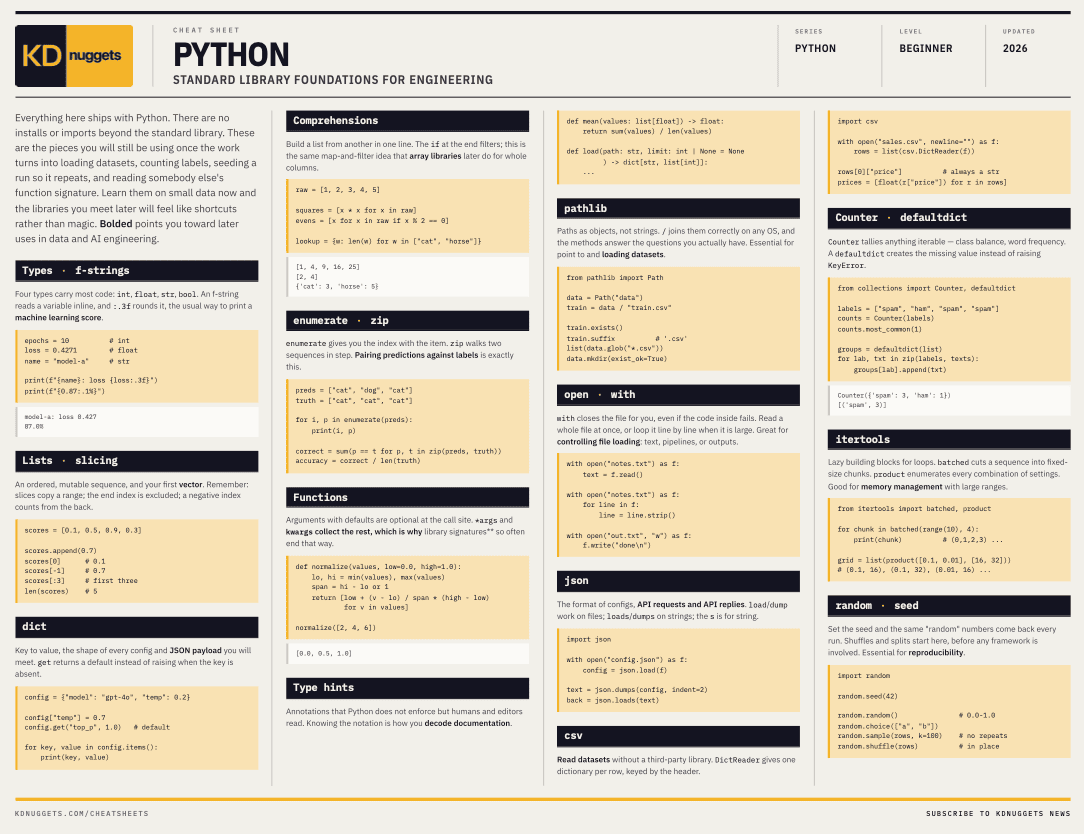
Build Your Python Foundation With This Essential Engineering Cheat Sheet
Python's staying power isn't in the latest framework, it's in the fundamentals that frameworks are built on. This cheat sheet captures the core engineering concepts that survive library churn. Keep it close, because these are the tools you'll reach for again and again. For a deeper look at how Python powers modern workflows, our piece on building interactive dashboards with Marimo's reactive notebooks shows those principles in action.
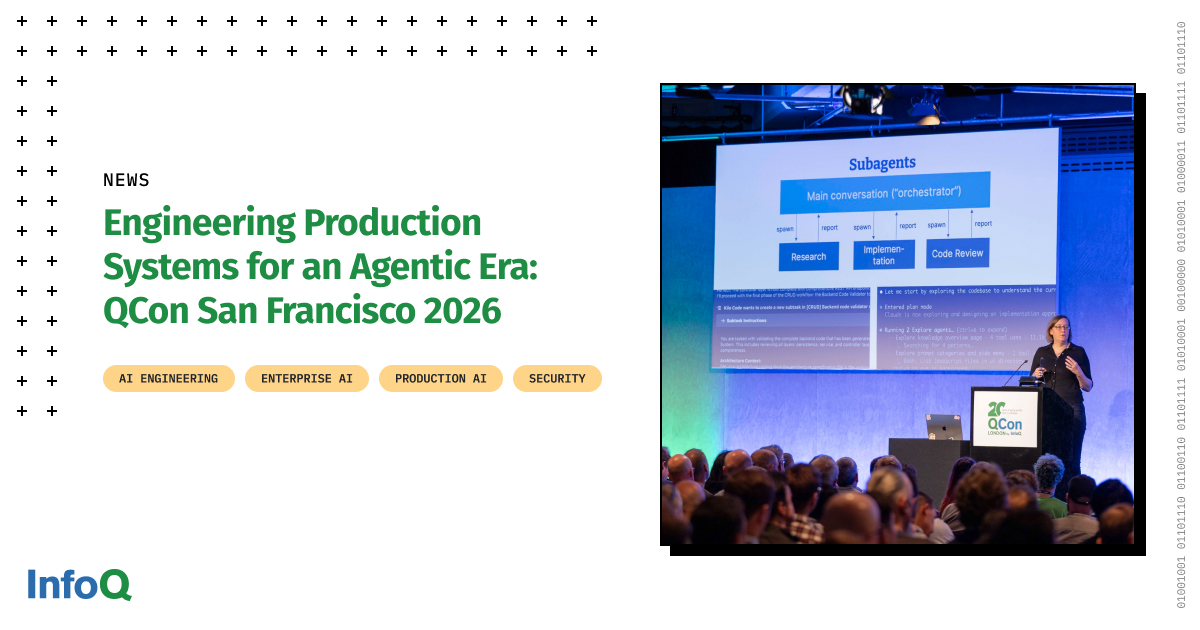
How engineering leaders are shaping production systems for an agentic future
The QCon San Francisco 2026 lineup reads like a blueprint for the next era of engineering. Airbnb, OpenAI, Netflix, and Honeycomb are sending practitioners, not visionaries, to share how they build production systems as AI agents take on more responsibility. This is not theory. It is the messy, practical work of evolving infrastructure under real load. For deeper context on the talent shifts shaping this world, see our coverage of how OpenAI parts with three researchers over data handling concerns.

Designing AI Agent Guardrails: Essential Patterns for Data Engineers
AI agents don't fail because the model isn't smart enough. They fail because the architecture around them lacks boundaries. Essential guardrails data engineers need to build systems that stay safe, predictable, and useful as AI takes on more responsibility are laid out here. It's a practical, no-nonsense guide for teams ready to move beyond experimentation. If you're designing these systems, this is the pattern to study.
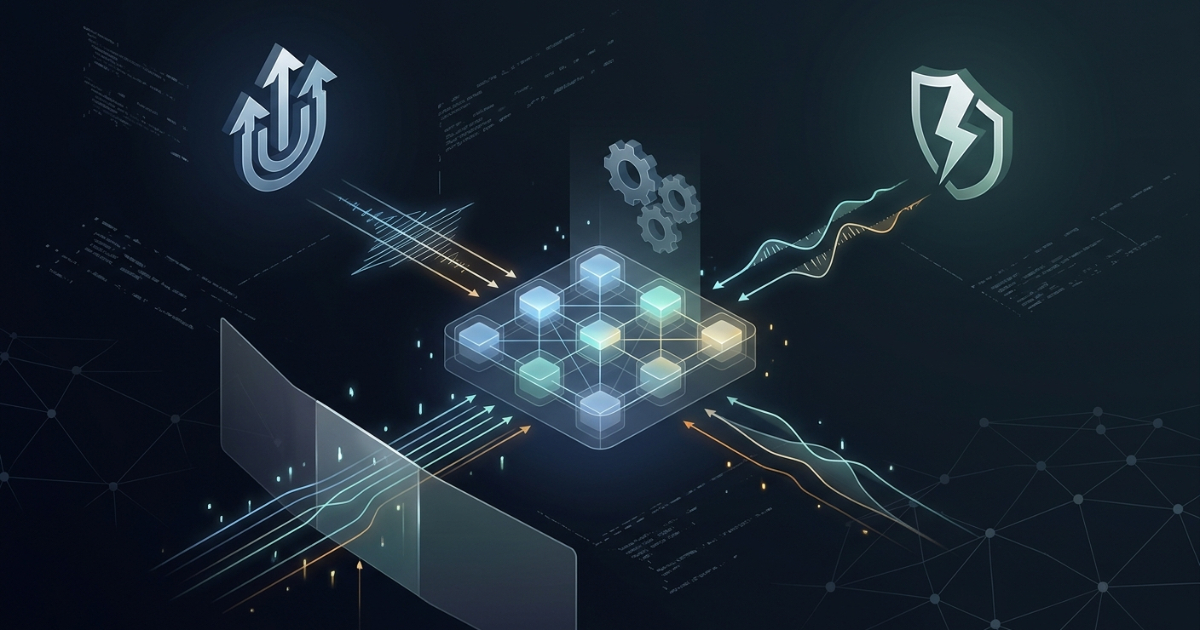
How Uber Gives Multiple Orchestrators Control Over Scaling Without Conflict
Uber has solved a tricky Kubernetes problem by separating scaling intent from execution. Its new ServiceScale controller lets multiple orchestrators manage the same workloads without stepping on each other, critical for regional failover without idle capacity. Engineers Egor Grishechko and Srikar Paruchuru explain how. It's a practical, human-centered approach to infrastructure that prioritizes outcomes over complexity. For more on how major platforms rethink their tech stacks, see Cloudflare's blog on migrating to EmDash.
Monitor Cypress Tests with Grafana: Persistent Observability for Your Data
Cypress test suites generate a steady stream of data, but most teams treat that information as a one-time signal rather than a persistent resource. Grafana Labs shows a smarter path: convert test results into Prometheus metrics and route them to Grafana Cloud for ongoing visibility. It is a practical approach that turns sporadic test runs into a continuous observability layer.
Beyond Green: Understanding True Test Suite Efficacy
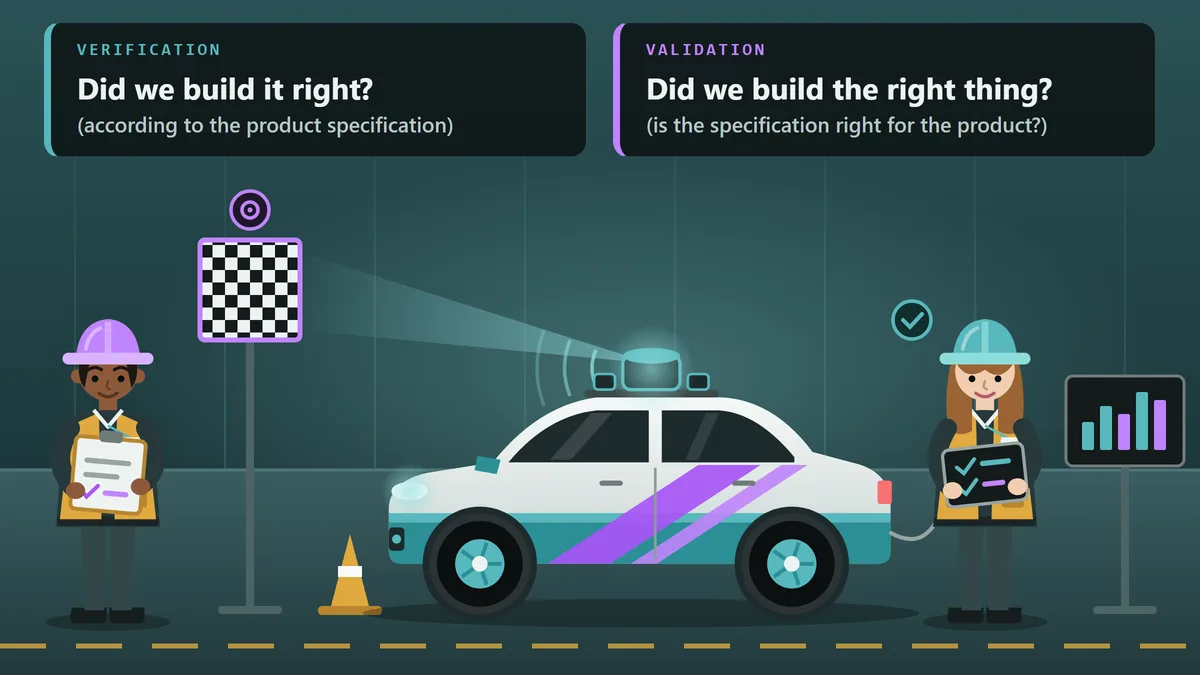
A green test suite can create a false sense of security. Passing tests don't always mean your software is healthy, and that gap deserves attention. This piece challenges you to look beyond the color of the results and ask what your tests are truly verifying. It's a practical call to focus on efficacy, not just outcomes. If you're ready to rethink your approach to automation, this is the right starting point.
Streamline AI Projects: Balancing Research, Work, and Personal Pursuits
Balancing research, a new corporate role, and personal projects is a lot, and the anxiety that comes with it is completely understandable. You are not alone in feeling that the advice out there is jumbled. Instead of chasing every new model, start by mapping each tool to a specific stage in your workflow. For deep ideation, your current GPT subscription is a solid anchor. For coding and architecture, Claude's models often excel.

Explore Scalable 2D Semiconductor Manufacturing with Nexstrom's New Equipment
Singapore-based Nexstrom has secured new funding to build equipment aimed at helping chipmakers manufacture 2D semiconductor materials at scale. That is a meaningful step toward moving these materials beyond the lab and into practical production. The challenge has always been consistency, and Nexstrom is positioning itself to address that head-on. For those tracking how AI-native infrastructure is reshaping hardware, this is worth watching. It pairs well with our recent look at Nscale's $3.36B push into AI-native spreadsheet infrastructure.

See Hello Robot’s Stretch 4 in Action at TechCrunch Disrupt
Hello Robot is bringing Stretch 4 to TechCrunch Disrupt 2026, and CEO Aaron Edsinger will show it live on the Real World AI Stage. That direct demo matters. Seeing a physical system work in real time is far more convincing than reading about its capabilities. We think that hands-on approach fits how people actually want to evaluate new tools. Register before September 25 to save up to $200, and you can grab a second pass at half price.

Beyond Prompts and Loops: How Graph Engineering Shapes Smarter AI
The debate over loops versus graphs in AI agent design isn't just technical sparring; it's a signal of how far we've come. Graph engineering moves beyond the linear constraints of prompts and loops, offering a structured way to build workflows that adapt and scale. It's a practical evolution, not a buzzword. For those still wrestling with token-level nuances, our piece on paragraph structure offers a useful parallel. This shift matters because it redefines what we can build, and we're just beginning to explore its potential.

Volkswagen doubles efficiency norms with an AI-inspired approach to design
Volkswagen's new halo EV nearly doubles the efficiency of the most economical production car on the road, the Lucid Air. That is not a small gap; it is a statement. By borrowing a clever idea from Slate, the automaker proves that radical efficiency does not require sacrificing practicality. We find that approach refreshingly grounded. It is one thing to chase specs, another to make them usable. For a deeper look at how data-driven decisions shape modern innovation, our piece on AI-native companies offers useful context.

Explore how AI is reshaping the future of species revival
Not long ago, bringing an extinct species back to life was science fiction. Today, it's the mission of a billion-dollar startup, and it's happening now. At TechCrunch Disrupt 2026, we'll hear from one of tech's most unconventional founders on how AI can engineer nature's comeback. It's a bold, practical challenge to how we think about restoration. If you're curious about the mechanics behind such ambition, our related piece on verifying AI's understanding offers a grounded starting point. Secure your Disrupt pass today.

Discover the startups VCs are betting on to transform data and beyond.
VCs have spoken, and the summer batch of Y Combinator startups is as ambitious as it gets. From floating reactors to brain chips, the picks reflect a clear appetite for moonshot thinking. It is a compelling signal that investors are betting on transformative potential, not just incremental improvements. For a deeper dive into how AI is reshaping infrastructure, check out our piece on Nscale's $3.36B commitment to AI-native data centers. The future is being built now, and it is worth exploring.
The 7-Step Path to Becoming a Forward Deployed Engineer in AI
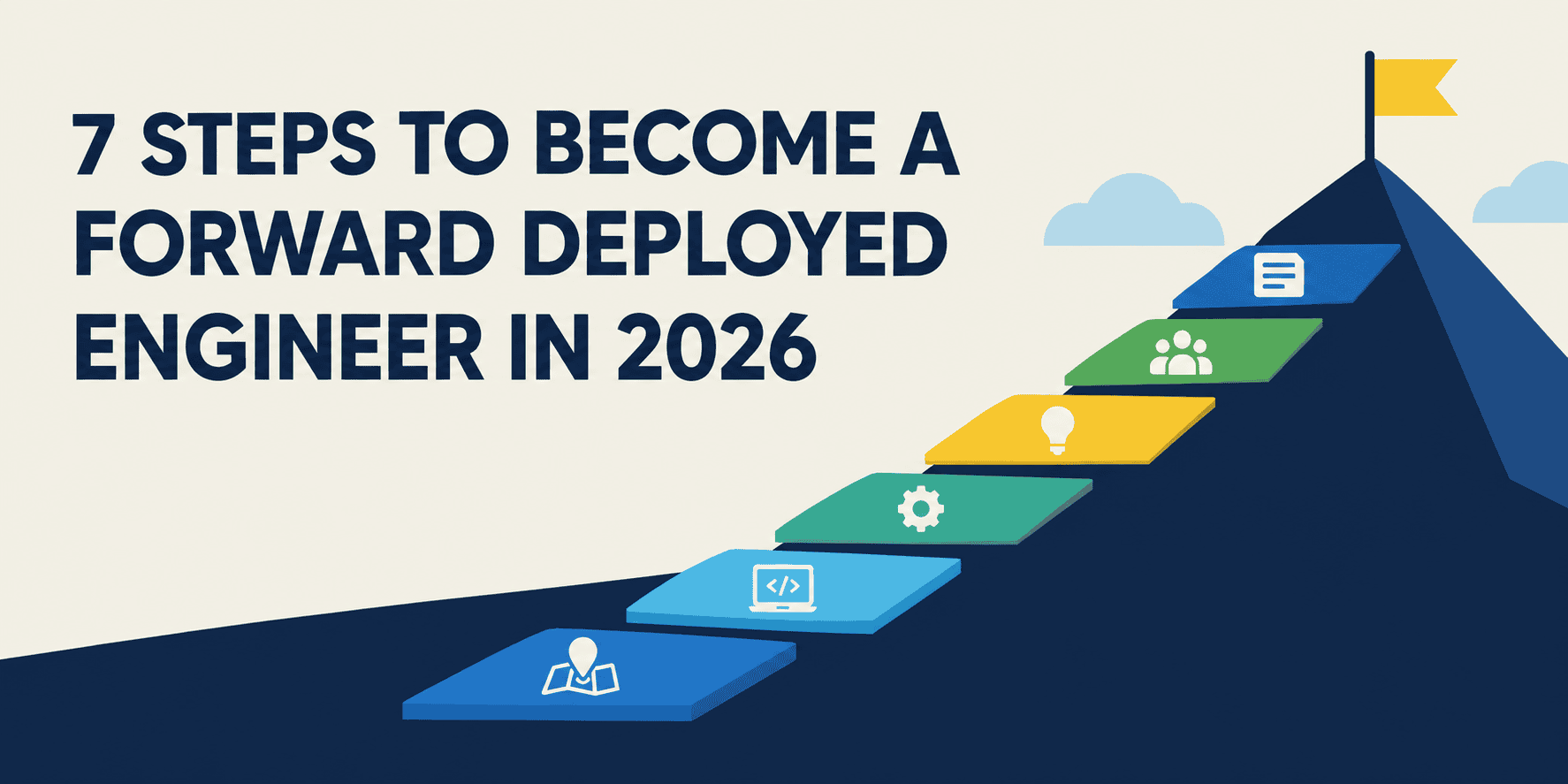
Forward deployed engineers are quietly becoming the most sought-after role in AI, and for good reason. They bridge the gap between what models can do and what teams actually need. This 7-step roadmap cuts through the noise, offering a practical path for 2026 that prioritizes real-world problem-solving over hype. It's a focused, human-centered take on a complex field. For a deeper look at how AI skills are shifting, our piece on navigating AI/ML job requirements pairs well with this guide.

Build an AI Agent That Captures Real Expertise, Not Just Data
Meta's approach to AI agents shifts the focus from retrieving information to embedding the logic of domain experts themselves. By designing an "organizational second brain" for compliance, Meta shows how an agent can capture decision-making processes, not just documents. That distinction matters. It suggests a path toward systems that truly think alongside us in fields like security and finance. For a deeper look at how conversational agents are evolving, our related coverage in "Meta's Muse AI Agent Gains Ground in Conversational Performance" is worth exploring.

AI-Powered Engineering: How Platforms Can Adapt and Empower Developers
Platform teams are no longer just infrastructure keepers. They are the ones deciding how AI-assisted engineering actually takes shape. In this discussion, Stéphane Di Cesare, Davide de Paolis, Stephen Cihak, Camila Macedo, and Renato Losio get into the real trade-offs: where standardization helps, where it stifles, and how to build guardrails without strangling developer autonomy. It is a practical look at shifting workflows. For a deeper angle on how AI changes the skills we expect, check out "Navigating AI/ML Job Requirements."

From Engineer to Empire: How One Solopreneur Built a $2M Puzzle Franchise
Joe Cassavaugh traded the corporate engineering ladder for a solo career building puzzles and stories. His journey from software engineer to a $2M+ indie franchise owner is a masterclass in applied leverage. He scaled to 10 games in 5 years by adopting Unity for a 4-6x velocity boost and optimizing his content pipelines. For senior devs, his key takeaway is sharp: the trade-offs between corporate life and solopreneurship are significant, but the velocity gains are real. It's a practical look at refactoring your own career.
CERN Chooses Debian for Accelerator Controls Over Red Hat's Restrictive Mandates
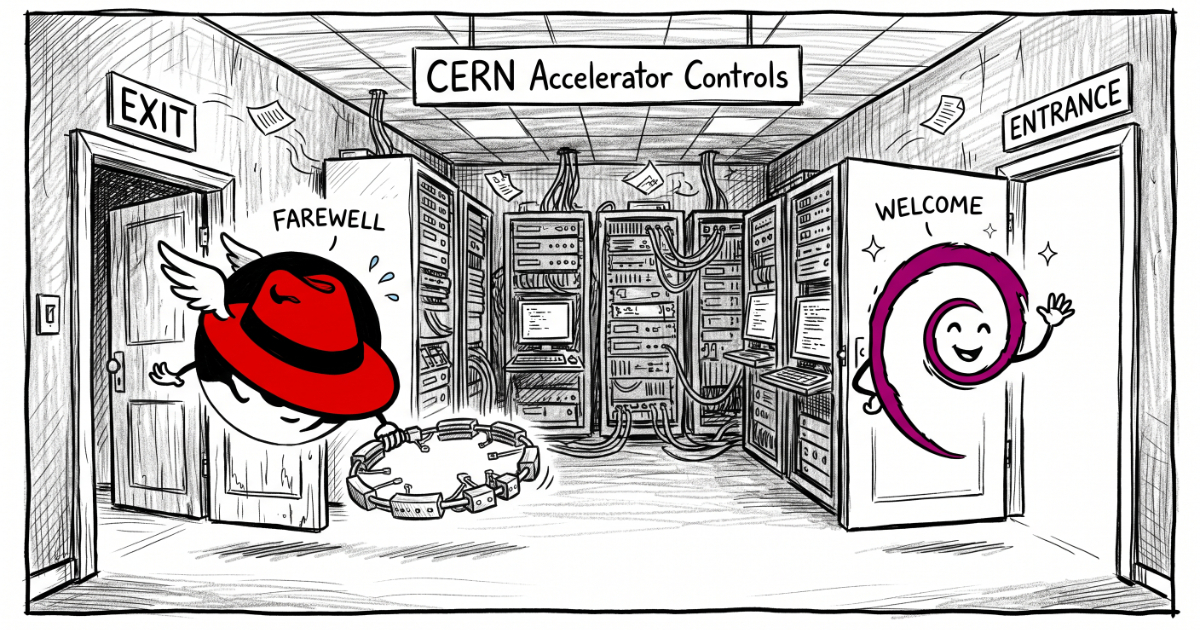
CERN's engineers aren't clinging to legacy for nostalgia; they're making a calculated stand. By moving 2,200 specialized control machines from Red Hat to Debian, they're prioritizing hardware longevity over vendor mandates. Red Hat's tightening compiler rules forced the issue, and CERN responded with a pragmatic pivot. It's a quiet but telling vote for flexibility, and the late 2026 deadline shows careful planning. For more on how infrastructure decisions ripple outward, our piece on bridging retrieval and action in AI tasks offers a fitting parallel.

Shopify's Gisting Technique Compresses AI Prompts for Faster Inference
Shopify's engineering team has introduced gisting, a technique that compresses long LLM prompts into a smaller set of learned tokens. The result? Better throughput and lower inference costs without sacrificing performance. That's a practical step toward making AI more accessible, especially for teams wrestling with unwieldy system prompts. We see this as a meaningful move for developers who want efficiency without complexity.
How OpenAI Built Continuous Voice Without Compromising Speed
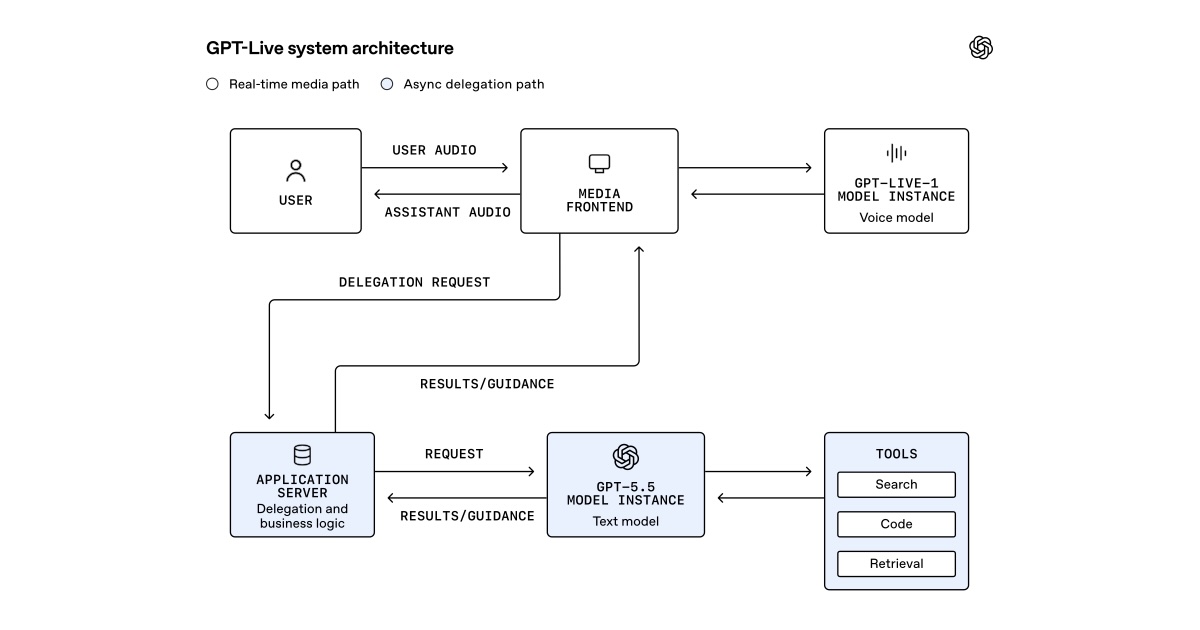
OpenAI's engineering deep dive into GPT-Live reveals a thoughtful separation of concerns: the live path handles media and inference, while application logic runs behind an asynchronous RPC boundary. That's a pragmatic architecture for continuous voice interaction, one that prioritizes responsiveness without tangling latency-sensitive work in heavier tasks. It's the kind of clarity that makes complex systems feel inevitable. For broader context on AI behavior in practice, our earlier piece on AI agents sharing user images offers a cautionary counterpoint worth revisiting.
New context engineering guidelines to transform your data science workflow
Context engineering is no longer a behind-the-scenes concern for AI researchers; it is becoming a core skill for data scientists who want their models to act, not just generate. The latest guidelines push us past static prompts toward dynamic, structured reasoning. That shift is practical, not theoretical. We think it deserves your attention, especially if you are building workflows that need to scale.