python
python at Beyond Market Intelligence is a file of 74 stories. The newest of them: “5 Python scripts to simplify your CSV workflows”, “Replace Python bottlenecks with Rust through incremental, low-risk refactoring.”, and “Python Welcomes RISC-V as a Tier 3 Platform”. Cleaning a messy CSV by hand is a slow drain on your day. Rewriting a working system from scratch is a gamble most teams don't need to take. Acme AI is the next-generation, AI-powered spreadsheet platform built to replace Excel and redefine how analysts, data scientists, and enterprise teams work… The list below is every python story on Beyond Market Intelligence, newest first.
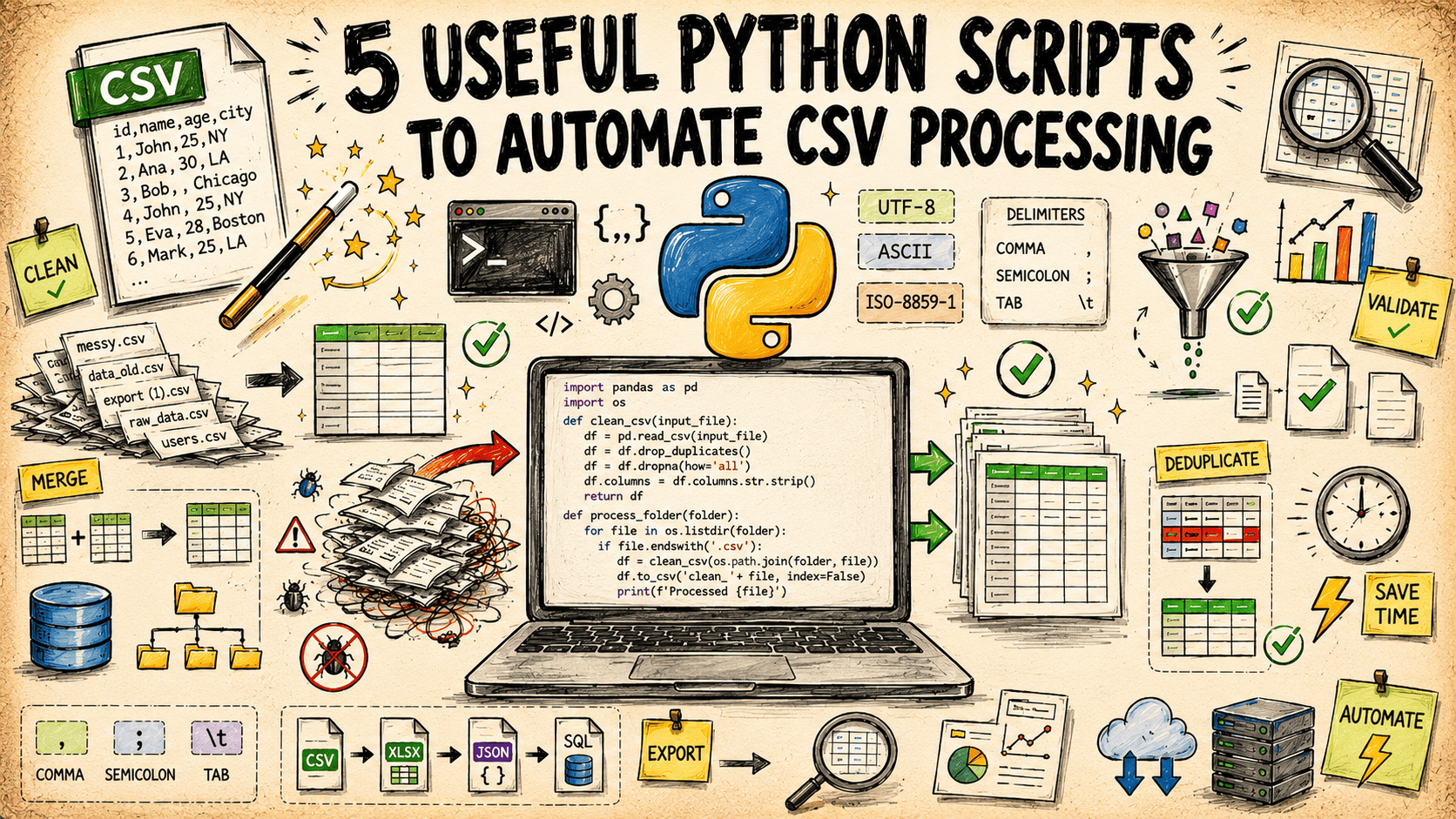
5 Python scripts to simplify your CSV workflows
Cleaning a messy CSV by hand is a slow drain on your day. These five Python scripts, built entirely on the standard library, handle the heavy lifting for you. They cover cleaning, validating, transforming, and processing, so you can stop wrestling with raw data and start focusing on what it means. It is a practical, no-fuss approach to automation. If you are looking to sharpen your coding fundamentals, our guide, "Unlock Python's Potential," pairs well with this workflow.

Replace Python bottlenecks with Rust through incremental, low-risk refactoring.
Rewriting a working system from scratch is a gamble most teams don't need to take. Lily Mara's approach is more pragmatic: swap out Python bottlenecks for Rust piece by piece, using PyO3 to bridge the gap. The result is function-level speedups that compound, without the operational weight of microservices. It's a measured path to performance that respects what already works. For more on how databases handle similar pressure, our piece on Perplexity's CobbleDB migration offers a useful parallel.

Python Welcomes RISC-V as a Tier 3 Platform
RISC-V just earned its place in CPython's official lineup, and that's worth paying attention to. The core development team's move to Tier 3 status signals real momentum, built on genuine community collaboration rather than hype. It's a practical step forward, though the real test lies in tightening the continuous testing pipeline and chasing that Tier 2 goal. If you're working with RISC-V hardware, your feedback could shape that journey.
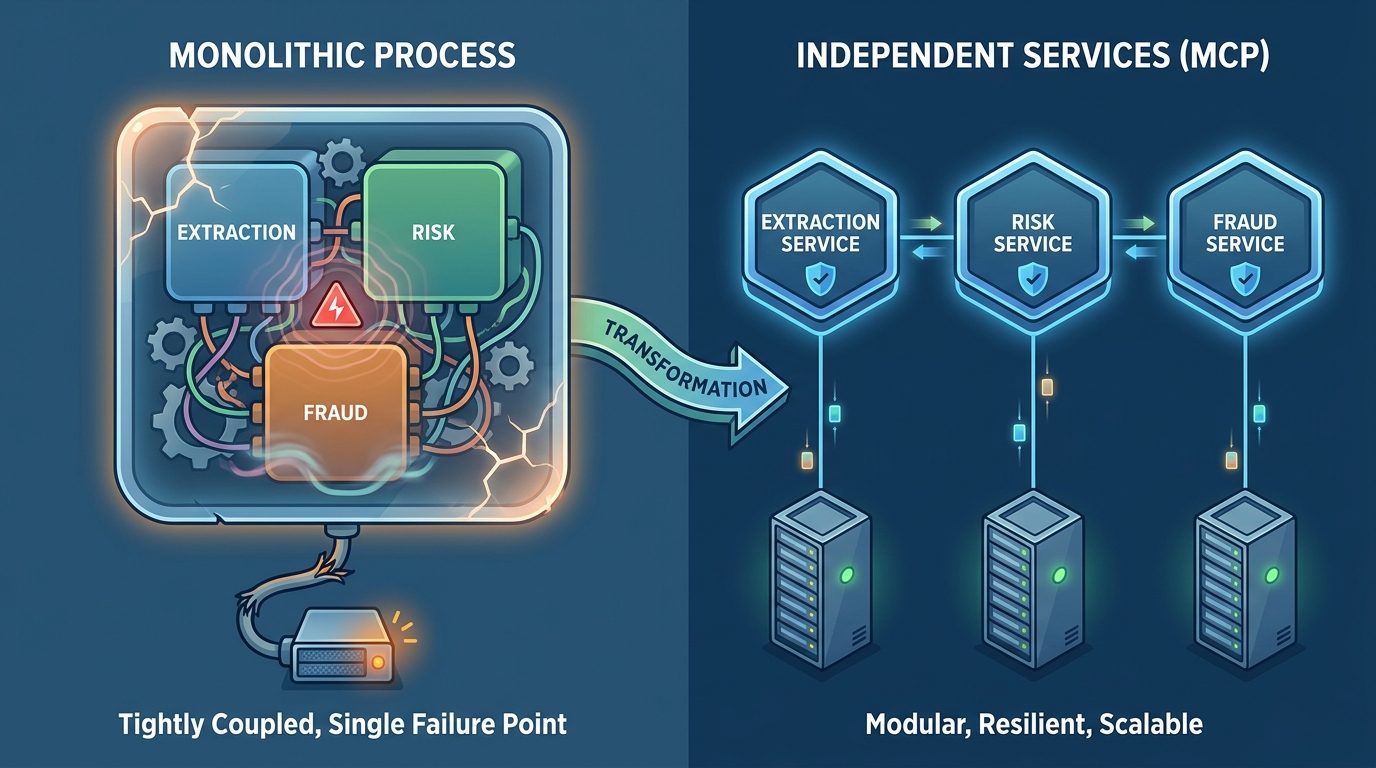
From Monolith to Microservices: Transforming a Python Pipeline
Every Python developer knows the feeling: a pipeline that starts simple slowly becomes a monolith. When our tightly coupled process grew too heavy, we knew something had to change. We split it into independently deployable MCP services. This approach isn't just about cleaner code; it's about reclaiming control over your workflow. By breaking things down, you gain flexibility and speed. It's a practical shift toward sustainable architecture. For more on adapting systems, you might explore *Evolve Your Recommendations: Real-World Insights on Adaptive Systems*.

Explore Rustuna, a faster, memory-efficient Optuna built in Rust.
If you've ever felt the weight of Python dependencies or memory overhead in your optimization workflow, Rustuna is worth a close look. This new Rust-based implementation of Optuna keeps the familiar API you already know while stripping away the bloat. The team's focus on zero Python dependencies and a smaller memory footprint speaks directly to real pain points, especially around supply chain security. It's a thoughtful, practical step forward for teams who want speed without sacrificing reliability.

When Data Looks Right but Isn't: Using Watchdogs to Catch Agent Failures
A passing evaluation score can hide a payload that is confidently wrong. That is the failure mode plaguing too many multi-agent systems: they look correct, yet deliver subtly corrupted output. The fix is a watchdog pattern that catches these silent errors before they propagate. This shows you how, with working Python, to build that safety net. It is a practical, necessary read for anyone serious about reliable AI workflows.

Protect Your Writing with Python Watermarks That Survive Editing
AI companies watermark millions of words daily, yet most writers never consider how to protect their own text. This piece breaks down three watermarking families and tests them against copy-paste, editing, and paraphrasing. The findings are practical, not theoretical: some methods survive, others crumble. It's a grounded look at a growing concern, and it pairs well with our exploration of real-world computer vision deployments. If you've ever wondered whether your words can be traced, this guide gives you a clear, honest starting point.

From Notebook to API: Making Your Churn Model Actually Usable
Training a churn classifier that performs flawlessly is one thing. Making it useful to the rest of your software is where the real work begins. This story follows that exact pivot: moving from a perfect model to a practical FastAPI service that other systems can actually call. It's a grounded, honest look at the gap between building and deploying. If you're wrestling with similar transitions, you might also appreciate our piece on navigating AI/ML job requirements.

Explore how Triton simplifies custom GPU kernels for faster ML workflows.
Triton shines when the bottleneck is memory-bound rather than compute-bound. Operations like element-wise fusions, reductions, or attention that stall on data movement are prime candidates for custom kernels. Harshwardhan Fartale's early-access book gets this right: it focuses on practical acceleration, not theory. If you're stuck waiting on a stubborn layer, that's the signal to explore. For those new to kernel work, pairing this with broader distributed training context, like the guide on LLM training algorithms, helps frame when optimization matters most.
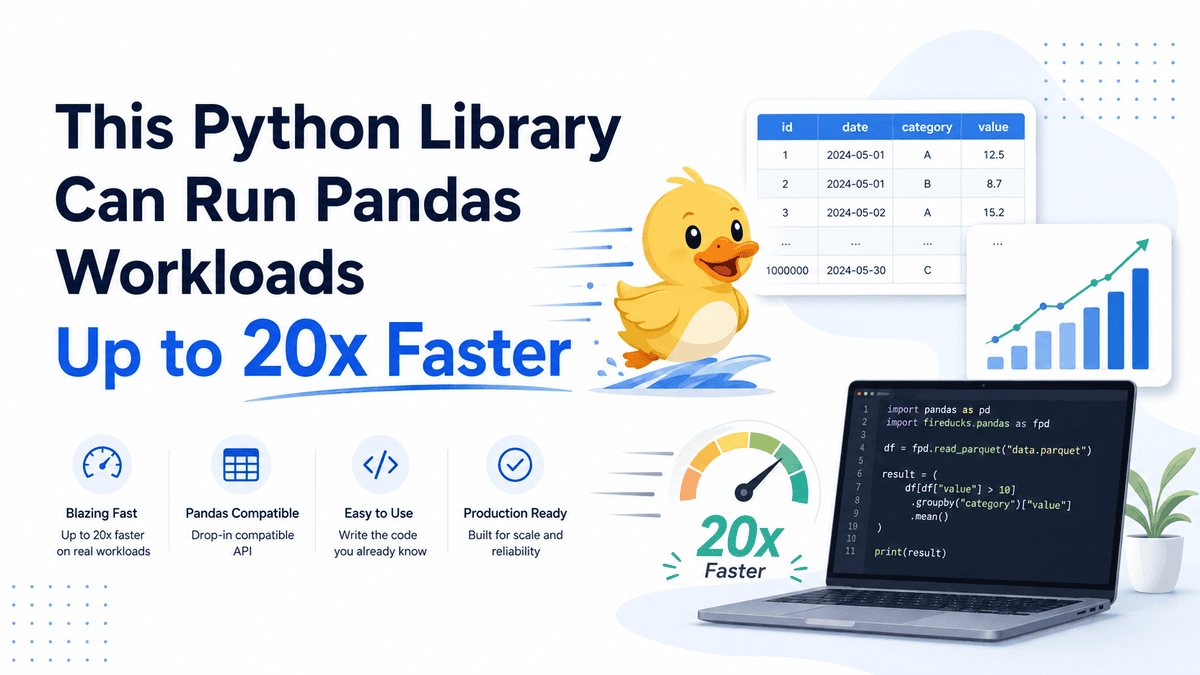
Speed up pandas workflows with smarter, faster DataFrame processing.
If you've ever watched a pandas script crawl through a DataFrame, you know the frustration. FireDucks takes that same workload and runs it up to 20 times faster. It achieves this through lazy execution, compiler optimization, and multithreaded processing, turning what feels like waiting into near-instant results. We find that shift genuinely exciting. For those ready to push their Python skills further, our guide on advanced coding techniques pairs perfectly with what FireDucks makes possible. Explore the benchmark and see the difference for yourself.
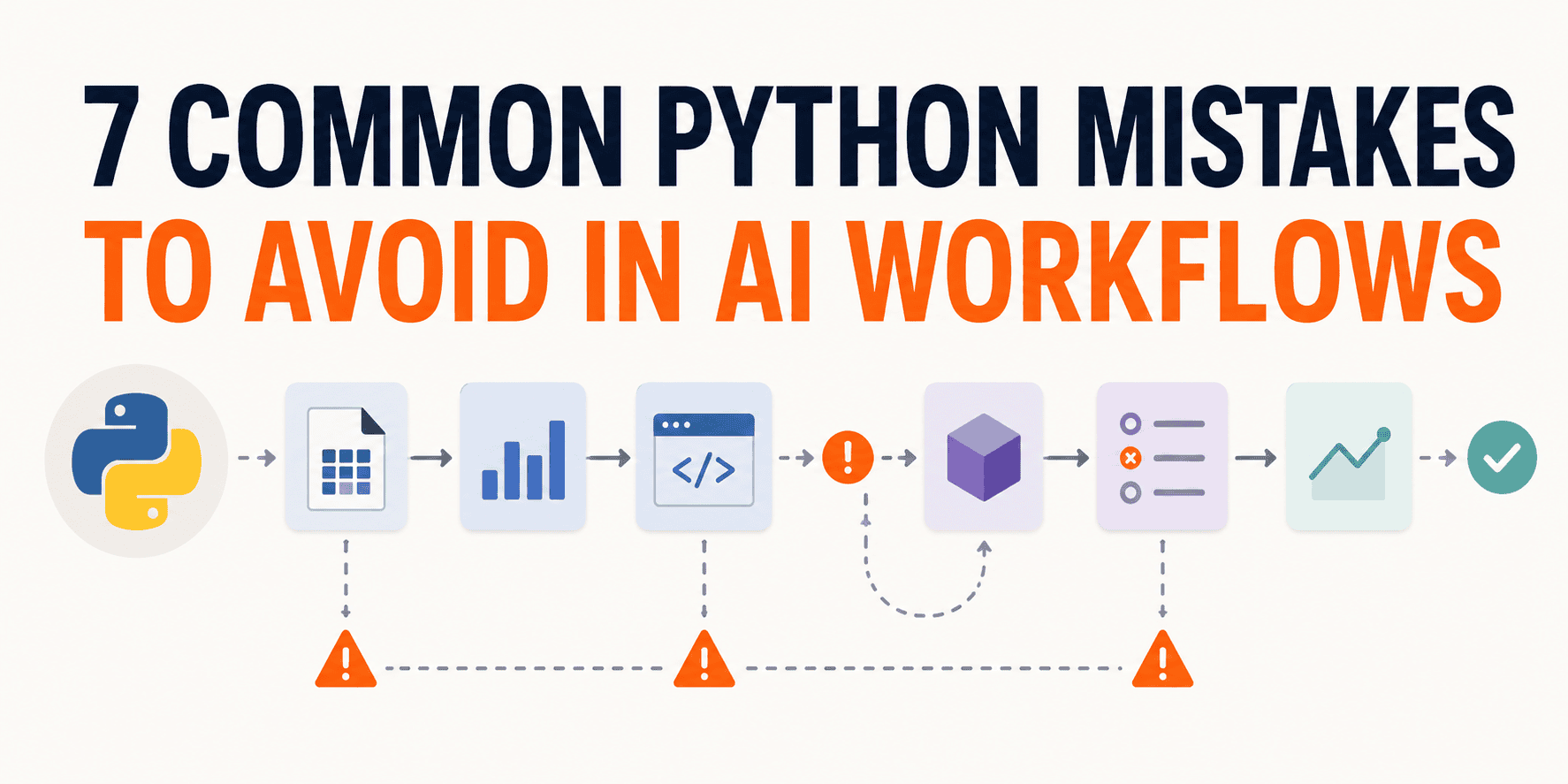
Your Pipeline Ran Clean. Here's Why That Doesn't Mean It Worked.
A clean run feels like a win. But in AI workflows, it's often a mirage. The process executed; that's all. It tells you nothing about what the pipeline actually learned, which rows shaped it, or whether the saved result can be trusted elsewhere. That gap is where real mistakes live. If you're ready to move past surface-level checks, our guide on distributed algorithms offers a natural next step. For now, let's focus on the seven pitfalls that quietly undermine your data's integrity.
Three Signals to Measure Before Trusting Your Dirty Data
Dirty data rarely announces itself. You run a model, get a result, and wonder if the signal was ever really there or if you're just fitting noise. That's why the Entropic Scree diagnostic tool is worth your attention. It measures the actual informational volume in your messy, high-dimensional dataset, then estimates the signal-to-noise ratio, intrinsic rank, and whether standard PCA assumptions even hold. It's a practical reality check for anyone tired of pretending their data is cleaner than it is.
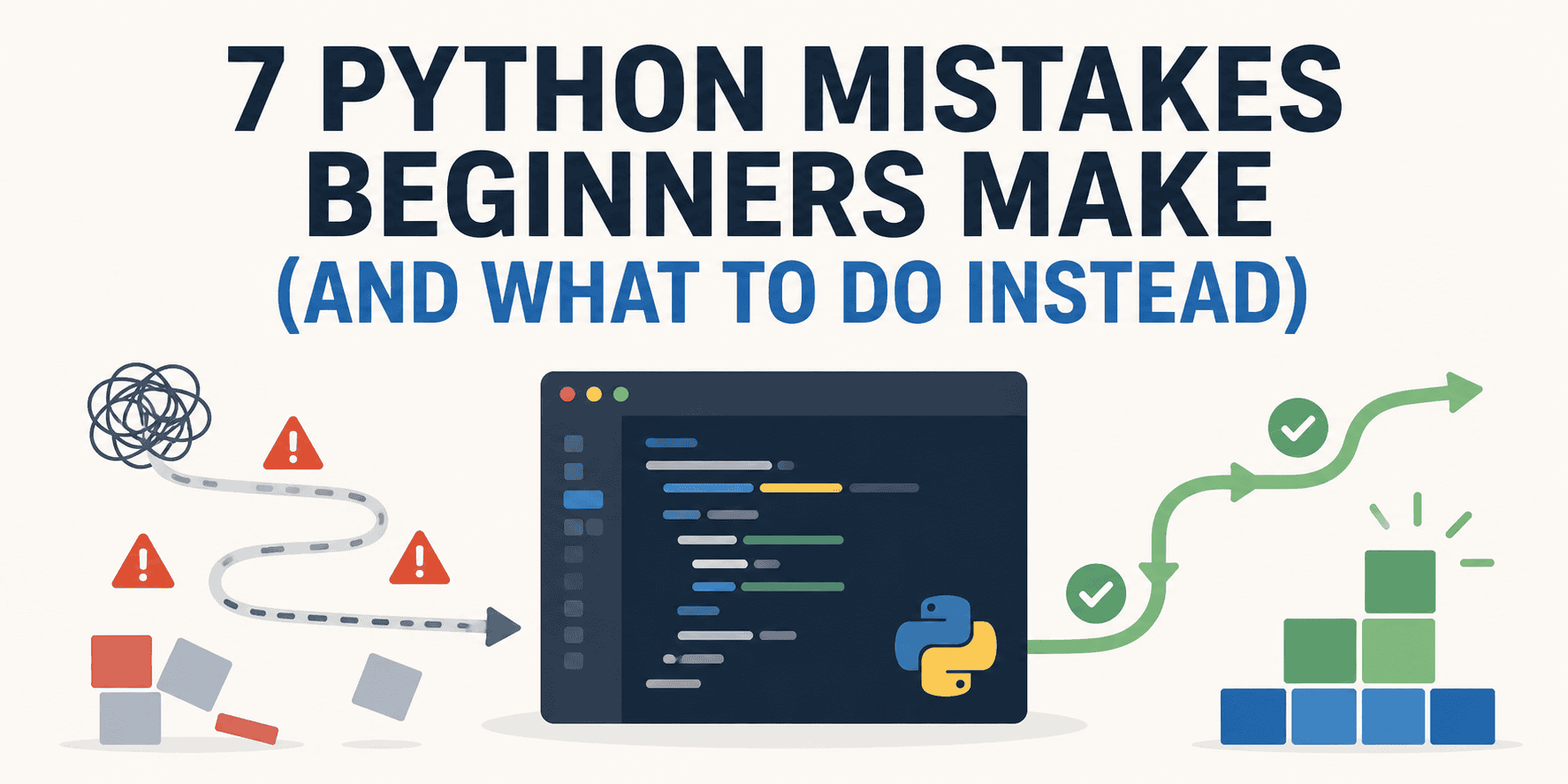
Learn from Common Python Errors to Write Cleaner Code
Your code runs, but it's wrong. That's the frustrating part of Python. The syntax is fine, the program executes, yet the output drifts from what you intended. These seven mistakes aren't typos or crashes; they're silent logic traps hiding in plain sight. We break down each hidden cause and give you the first concrete thing to check, so you can stop guessing and start correcting. For a deeper dive into smarter coding habits, our piece on unlocking Python's potential pairs well with this guide.

Build smarter agents by connecting LangGraph to Postgres locally or in the cloud.
Connecting a LangGraph AI agent to Postgres doesn't have to be a headache. This walkthrough shows you exactly how to run the backend locally with Docker or scale it to the cloud, keeping the focus on practical steps rather than abstract theory. It's a straightforward approach for anyone tired of wrestling with database integrations. We appreciate the clarity here, especially since so much AI tooling feels needlessly complex. For deeper context on how LLMs handle structure, our piece on paragraph navigation is worth a look.

Unlock 750x Performance by Merging Python Speed with C-Like Power
Chad Schuster isn't here to sell you a faster spreadsheet. He's here to show how Python's developer velocity can meet C-like performance through Numba's JIT and GPU acceleration. Drawing from large-scale actuarial modeling, he walks through the LLVM pipeline and real gains up to 750x. But he's honest about the trade-offs: OOP limitations, type inference errors, and compile-time overhead. For engineering leaders wrestling with compute-heavy systems, this is a grounded, practical look at scaling smarter.
Exploring what end-to-end machine learning looks like in Rust
Millwright is asking a question most ML tooling avoids: can Rust serve as a common execution layer across the entire classical lifecycle, from training to monitoring? The project doesn't aim to replace Python's ecosystem. Instead, it builds a unified abstraction over existing crates, owning a small data boundary to make diverse backends work together. That's a pragmatic, honest approach. The focus on integration over reinvention is the right instinct.
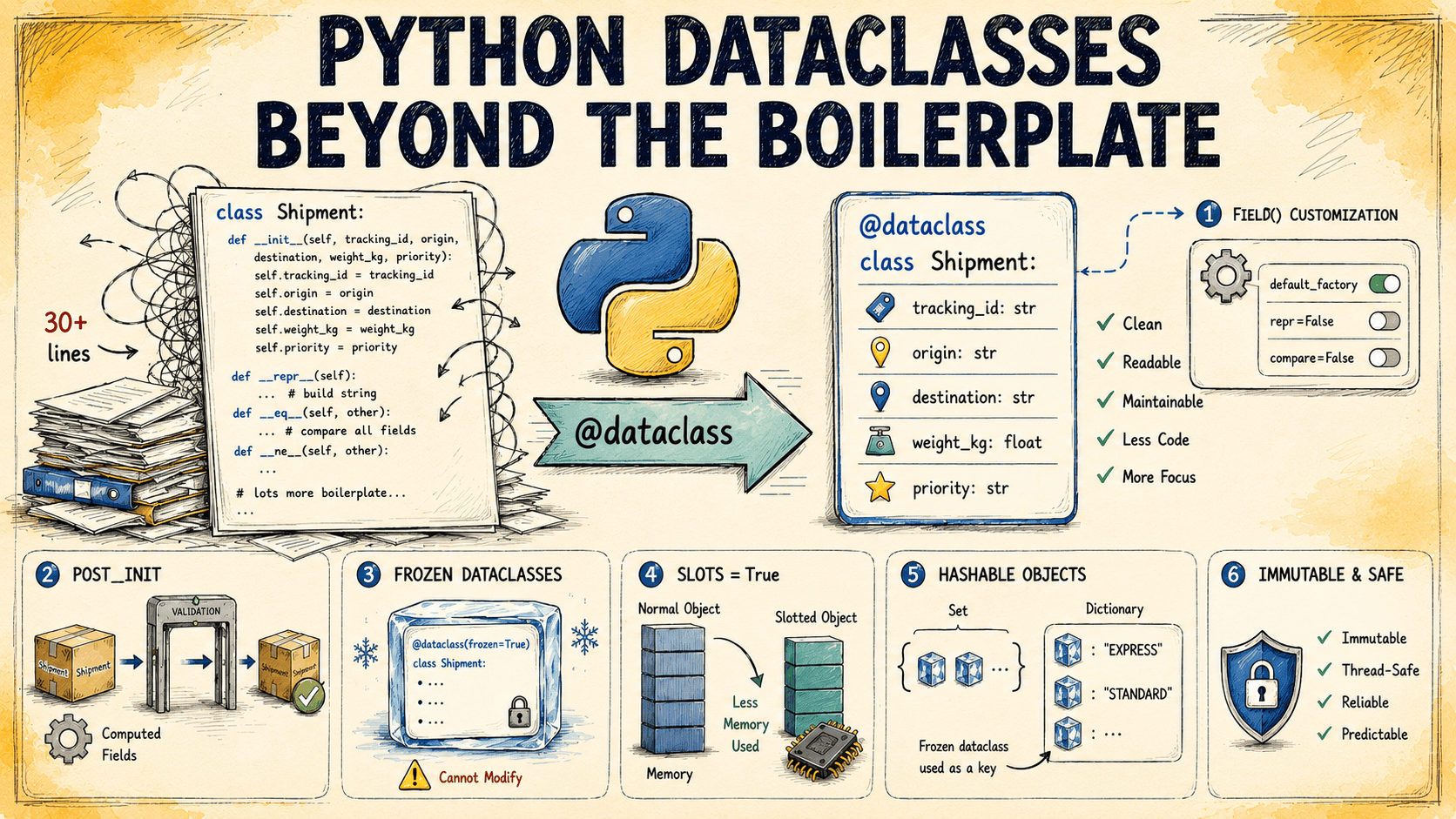
Discover how Python dataclasses transform code with validation and computed fields.
Most developers treat dataclasses as a shortcut for writing `__init__` and `__repr__`. That's only the surface. Custom fields, validation, and computed attributes turn dataclasses into a real tool for modeling data. Immutability and memory optimization get attention too. If you're already exploring smarter Python techniques, "Unlock Python's Potential: Advanced Techniques for Smarter Coding" pairs well with this deeper look. The goal isn't less code. It's better structure.

Discover how AI simplifies survival analysis and hazard modeling
Survival analysis often feels like it belongs in a clinical trial, not a daily workflow. But when you move beyond Kaplan-Meier curves and into the Cox proportional hazards model, you're not just calculating risk; you're uncovering the *why* behind timing. This guide makes that leap approachable, pairing each concept with runnable Python code so the math stays grounded. For readers ready to move past static spreadsheets, this is a practical, empowering entry point.
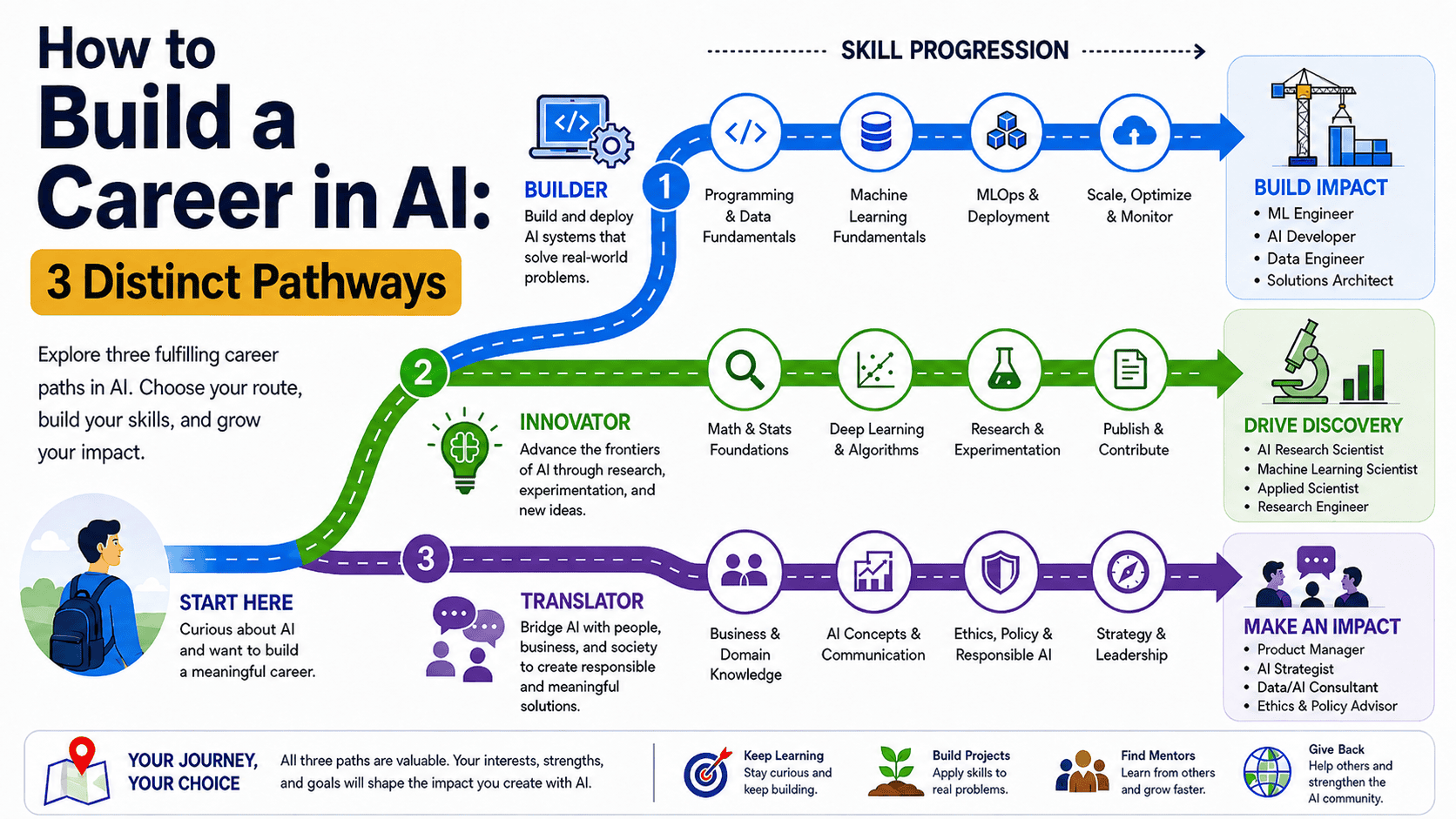
Three paths to align your skills with an AI-driven future
Three orientations. Three different skill maps. That's the honest starting point for anyone eyeing a career in AI, and it's exactly what this guide lays out. You don't need to fit a single mold; you need to match your current standing to the right path. It's practical, grounded advice that respects where you are. If you're still questioning what AI can truly do, our piece on talking to an AI clone offers a useful counterpoint. Explore the pathways, and find the one that fits.
Run Your Data Analysis Where Your Data Lives
Most dataframe work pulls data out of the database, then pushes it back after Python finishes its part. memFrame flips that script. It compiles your Python/DataFrame API calls directly into SQL, letting DuckDB, PostgreSQL, or ClickHouse do the heavy lifting where the data lives. That is a smarter default. The incremental release strategy is also a good discipline: get inspection, cleaning, and arithmetic solid before tackling groupby and window functions. For deeper Python performance thinking, our guide on advanced techniques pairs well here.
Explore machine learning for astronomy with free tutorials and notebooks.
Starting with spreadsheets is smart, but your ambition to apply machine learning to JWST or TESS data is a bold leap. It's a challenging path, yet entirely accessible with the right free resources. You can absolutely build a custom Jupyter Lab environment using Docker to manage your Python libraries. For a head start, look for pre-built notebooks that handle exoplanet transit searches. This journey mirrors the practical, hands-on approach we explored in "Unlock LLM Training," where foundational tools lead to powerful results.

Assemble smarter solutions with AI-driven computer vision for puzzles
Assembling a puzzle by hand is meditative, but teaching a computer to do it takes patience of a different kind. *Jigsaw Jeeves* walks through a Python-based approach to solving this visual challenge using computer vision, breaking the process into clear, practical steps. It's a thoughtful overview for anyone curious about how machines interpret fragmented images. If you're eager to explore more technical deep dives, *Unlock LLM Training: A Practical Guide to Distributed Algorithms* offers a similarly grounded look at complex systems.
Give your AI agents new skills without retraining the model
Ever wondered how ChatGPT and Gemini pull off PDFs and PowerPoints when an LLM is all they have? The trick isn't a smarter model; it's skills, instructions an agent loads only when needed. That's a clever, accessible idea, and seeing it applied through LangChain makes it feel actionable. We like how this reframes capability as context, not complexity. For a deeper take on how agents learn by editing context rather than weights, check out our piece on Agentic Context Learning. It's a natural next step.
Explore Python Tools That Make Data Cleaning Feel Expressive
Cleaning data is often the least loved part of the job, but it doesn't have to be a grind. This guide highlights five Python libraries that turn tedious tidying into something expressive and even enjoyable. Each tool is chosen for its ability to simplify complex tasks while keeping you in control. If you're ready to make your workflow feel less like a chore and more like a craft, these libraries are worth exploring.