The Ultimate Guide to Contributing to Open Source Projects
Our take
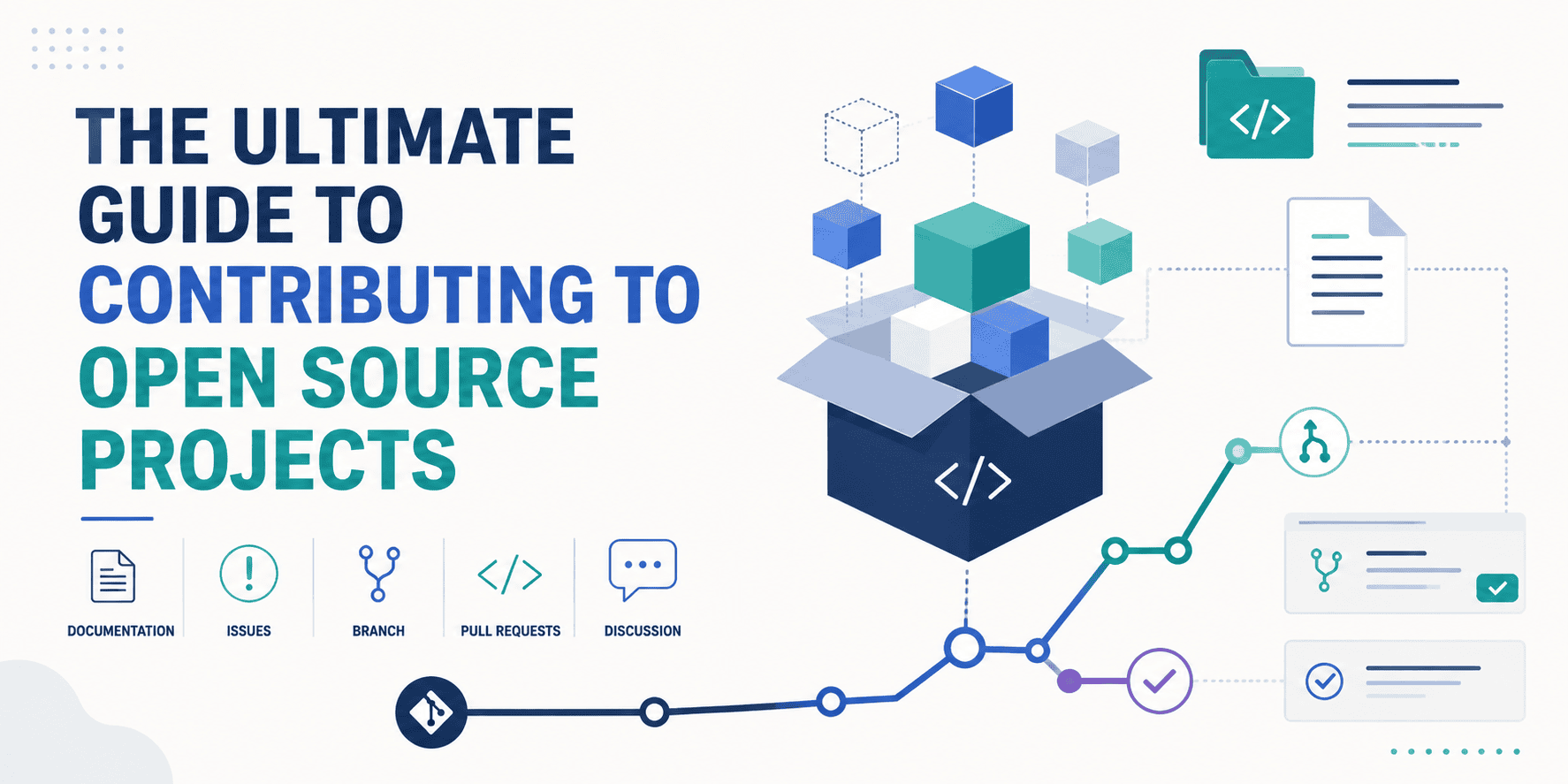
The open-source landscape has always been a powerful engine of innovation, but participating can feel daunting, even for experienced developers. This new guide to contributing to open source projects elegantly addresses that challenge, providing a clear roadmap from initial selection to successful merge. It’s a welcome resource, especially given the increasing reliance on collaborative development models and the growing complexity of modern software. Many of our readers are already experimenting with AI-powered coding assistants like Claude Code – you’ve probably heard by now How to Install Claude Code: A Step-by-Step Guide – and understanding how to integrate contributions into the underlying tools that power these advancements is becoming increasingly valuable. The guide’s emphasis on choosing projects that are receptive to contributions is particularly insightful, preventing wasted effort and fostering a positive experience for newcomers.
Beyond the technical Git mechanics, which are handled with commendable clarity, the guide’s focus on project selection resonates strongly. It recognizes that not all open-source projects are equally welcoming or maintainable. Contributing effectively isn’t just about writing code; it’s about finding a community that aligns with your skills and goals. The advice on identifying active maintainers and understanding the project’s contribution guidelines is practical and essential. Furthermore, the current legal environment, as highlighted by recent disputes like the Rippling vs. Runlayer case Now Rippling is counter-suing tiny startup Runlayer, underscores the importance of understanding the licensing and legal implications of contributing to any project, something this guide implicitly encourages through its emphasis on responsible participation. The ability to effectively deploy code, particularly when leveraging AI coding agents, is also a critical piece of the puzzle How to Effectively Deploy Code With Claude Code, and this guide serves as a vital foundation for navigating that process.
The broader significance of this guide lies in its potential to democratize software development. Open source has historically lowered the barrier to entry, but contributing can still feel like an exclusive club. This resource breaks down the process into manageable steps, empowering a wider range of individuals to participate and shape the tools they rely on. This shift isn't just about expanding the pool of contributors; it’s about diversifying perspectives and fostering more robust and resilient software ecosystems. As AI continues to reshape the development landscape, the ability to contribute to the foundational layers of these tools will become even more crucial, enabling users to tailor and optimize them to meet their specific needs. The guide’s actionable advice directly addresses this emerging need, providing a pathway for developers to become active participants in the future of AI-powered development.
Ultimately, the success of open-source projects hinges on a vibrant and engaged community. This guide isn't merely a technical manual; it's an invitation to join that community, to learn, and to contribute. As AI-assisted coding becomes more prevalent, will we see a surge in contributions to the underlying frameworks and models that power these tools, or will the reliance on automated solutions lead to a decline in human involvement? That’s a question worth watching, and this guide provides a compelling argument for the continued importance of active participation in the open-source world.
Read on the original site
Open the publisher's page for the full experience