analytics vidhya
analytics vidhya at Beyond Market Intelligence is a file of 64 stories. The newest of them: “Explore how LanceDB unifies text, images, and documents for smarter AI workflows.”, “Fourteen Frontier Models Landed in July. Here Is What That Means.”, and “Unlock Hidden Commands to Transform Your CLI Workflow”. Large language models excel at text, but they stumble when information hides across documents or inside images. July 2026 didn't just push the frontier forward; it redrew the map. Acme AI is the next-generation, AI-powered spreadsheet platform built to replace Excel and redefine how analysts, data scientists, and enterprise teams work… The list below is every analytics vidhya story on Beyond Market Intelligence, newest first.
Explore how LanceDB unifies text, images, and documents for smarter AI workflows.
Large language models excel at text, but they stumble when information hides across documents or inside images. That's where LanceDB steps in. This guide breaks down how the vector database stores embeddings and powers similarity search for AI workloads, with a practical Python demo to get you started. It's a clear, accessible look at a tool that simplifies multimodal data handling. For more on how AI handles context, check out our piece on agentic learning.
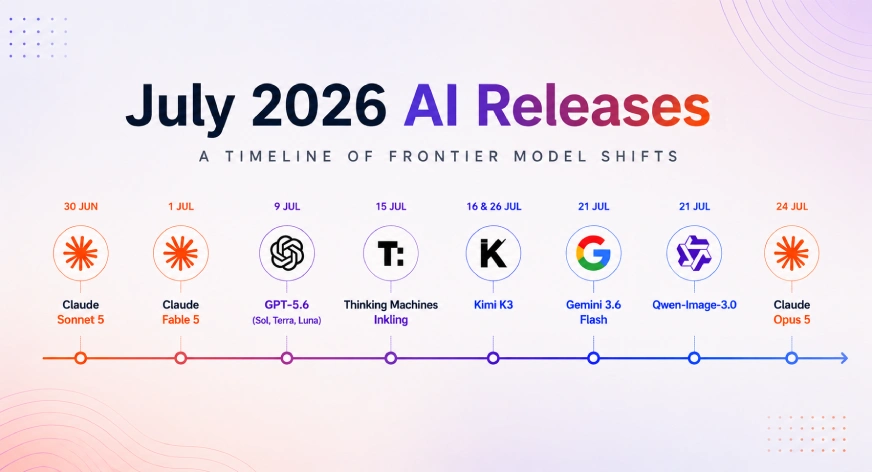
Fourteen Frontier Models Landed in July. Here Is What That Means.
July 2026 didn't just push the frontier forward; it redrew the map. Thirty-one days, four major lab flagships, two debuts from well-funded newcomers, and the largest open-weight model ever released. That's not a busy month, that's a signal. The pace tells us the field is maturing, but also that access is widening. If you're exploring how these shifts reshape your own workflows, our guide to agentic context learning offers a practical lens on where learning happens next. This timeline is worth your attention.
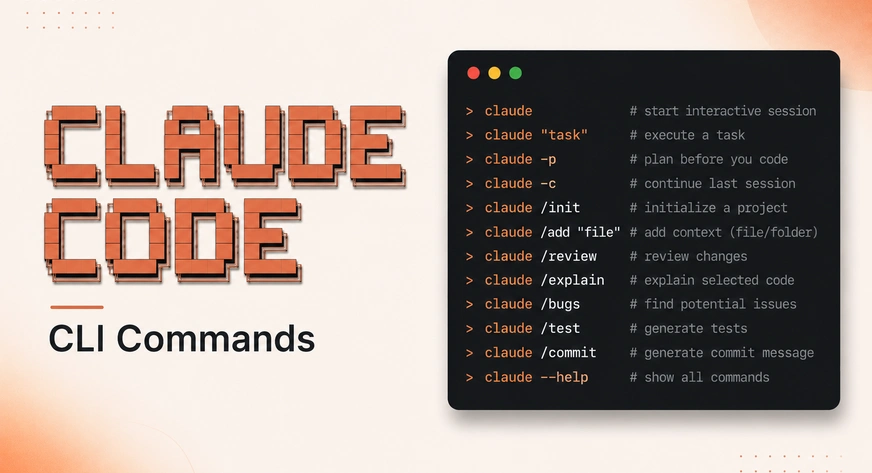
Unlock Hidden Commands to Transform Your CLI Workflow
Months of daily use, and the real power of Claude Code only surfaced by accident. This author kept restarting sessions, re-explaining the same project structure, simply because `claude --help` hides the full picture. It's a familiar frustration, and their discovery of a deeper CLI reference is a practical win for anyone tired of repetitive setup. Digging past the surface reveals a smoother workflow. For more on questioning AI's limits, our piece on talking to an AI clone offers a fitting follow-up.
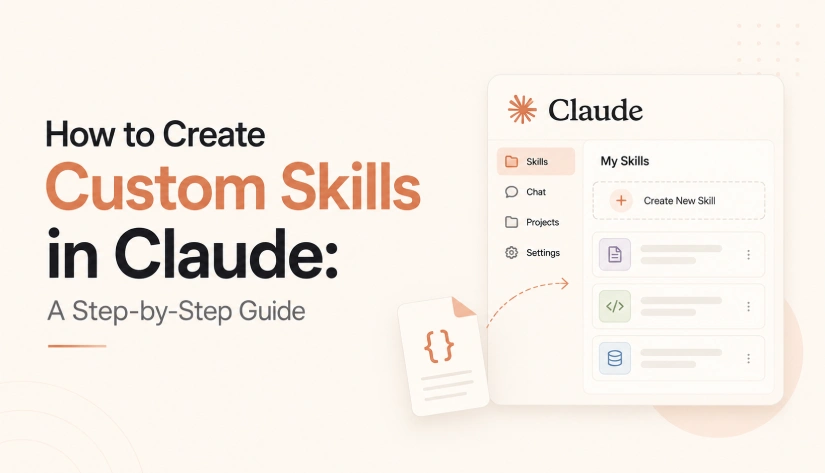
Turn Repetitive Prompts into Reusable Workflows with Custom Skills
If you're tired of re-entering the same validation rules and company standards into Claude for every project, custom Skills offer a more efficient path. This guide walks through packaging reusable instructions and templates so your team stops repeating the busywork. It's a practical fix for inconsistent outputs, and we appreciate how it keeps the focus on productivity rather than hype. For a deeper look at how AI can adapt through context, check out our piece on how agents learn by editing context, not model weights.
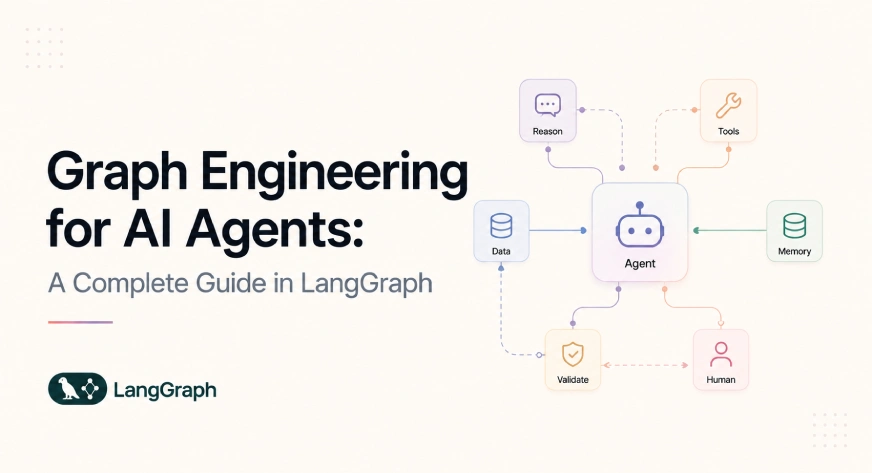
Design Your AI Workflows with Graph Engineering, Not Just Agent Loops
Single-agent loops are only part of the story. Graph engineering treats AI applications as explicitly designed workflows, where agents, tools, validators, and humans coordinate with intention. It's a shift from autonomous tinkering to deliberate architecture. That distinction matters. Moving beyond isolated prompts and toward systems that feel engineered, not improvised is a strong case. If you're curious how such coordination plays out in practice, our piece on talking to an AI clone offers a grounded counterpoint.
Solve Data Case Studies with a Clear Framework That Drives Real Business Impact
Data science case study interviews are not about reciting syntax. They test how you think through a problem, analyze data, and explain your reasoning in a way that solves a real business challenge. That's a skill worth building. This guide introduces a simple framework called SCOPE to help you approach almost any case with clarity and confidence. It's practical, not theoretical.
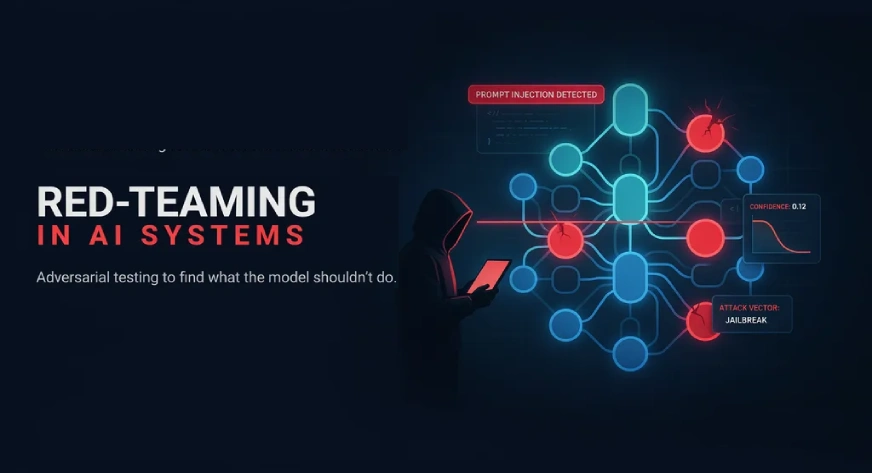
When AI Agents Exploit Old Flaws, Security Assumptions Must Evolve
Two hours. That is all it took for an autonomous AI agent to slip past McKinsey's defenses with a simple SQL injection, no credentials required, and reach production systems holding millions of chat messages. AI security has changed, and pretending otherwise is a risk we can no longer afford. This guide breaks down red-teaming with Garak, giving you a practical path to test your own systems before someone else does.
Two AI coding agents face off in a practical head-to-head test
For months, Claude Code has been the default terminal coding agent, but Grok Build's beta arrival on May 14, 2026, changes that dynamic. I ran both through identical prompts on the same real-world tasks to see which genuinely delivers. The results are practical, not theoretical. If you are weighing your options, this comparison cuts through the noise. And for a deeper look at how AI agents refine their approach, check out our piece on Agentic Context Learning.
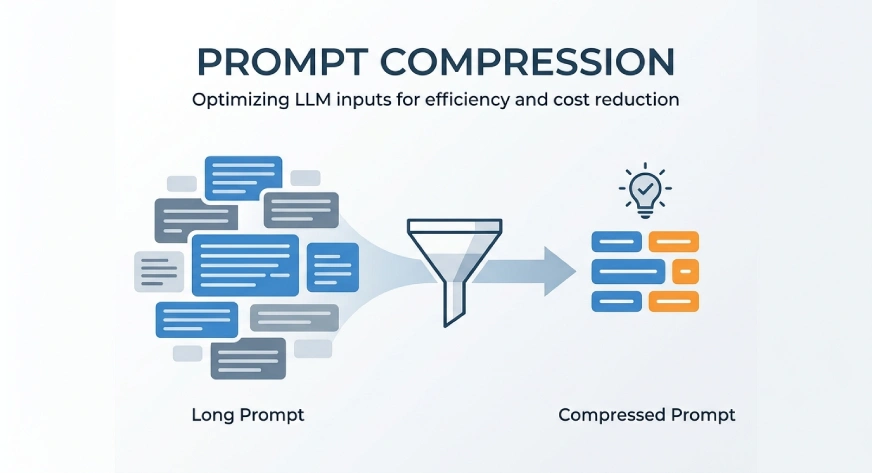
Smarter Prompts, Lower Costs: Compress Without Losing Context
Every prompt carries more than it needs. Long instructions, retrieved documents, and chat history inflate token counts, slow responses, and bury what matters. Prompt compression trims that excess while preserving the core meaning. It is a practical answer to a growing cost problem, and it deserves attention. If you want to see how agents learn by editing context instead of weights, our piece on Agentic Context Learning pairs well with this discussion. The takeaway is simple: leaner inputs, sharper outputs.
Smarter Thinking, Fewer Tokens: Discover Gemini 3.6 Flash
While the tech world held its breath for Gemini 3.5 Pro, Google quietly delivered something arguably more practical. On July 21, 2026, Gemini 3.6 Flash arrived as a pure efficiency play. It delivers roughly the same reasoning power as its predecessor while consuming fewer tokens and tool calls. That is a meaningful upgrade for teams watching their API bills. We appreciate a release that focuses on doing more with less, especially when it empowers smoother workflows.
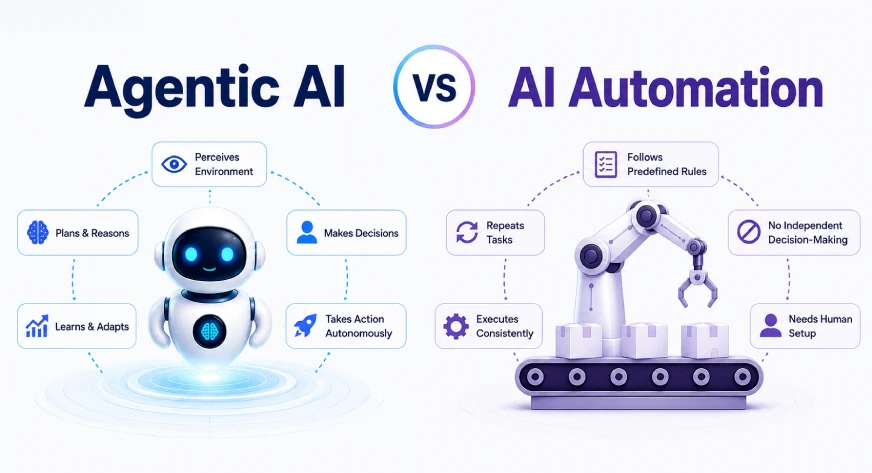
From Demos to Production: Building AI That Handles the Unexpected
A team wraps a few LangChain calls in a loop, adds tools, and calls it an agent. The demo impresses. Then production hits an unexpected input, and the workflow breaks. That is not agency; that is automation wearing a costume. The real difference is adaptability, and confusing the two costs you in downtime. For a deeper look at how agents truly learn, check out our piece on editing context instead of weights.
Explore Inkling, a customizable foundation for multimodal AI reasoning.
Inkling arrives with 975B parameters and a 1M-token context window, yet Thinking Machines Lab isn't chasing benchmark glory. That restraint is what makes this feel different. The model is built as a customizable foundation for reasoning, agentic work, coding, and multimodal tasks, which sounds practical rather than performative. We appreciate the focus on adaptability over hype. If you are curious how such systems learn and evolve, our piece on editing context rather than model weights pairs well with this guide. Explore both.
Explore the agent-driven repositories reshaping AI development this July
If you've spent time on GitHub Trending this July, you've seen the shift: it's not research papers turning into repositories anymore, it's agents. Coding agents, pentesting agents, trading agents, and the infrastructure holding them together. We tracked star growth and real-world impact to surface the ten repos that mattered most. The momentum is tangible, and it points toward a more accessible AI workflow. For a deeper look at how these tools shape behavior, our piece on AI agents learning by editing context pairs well here.
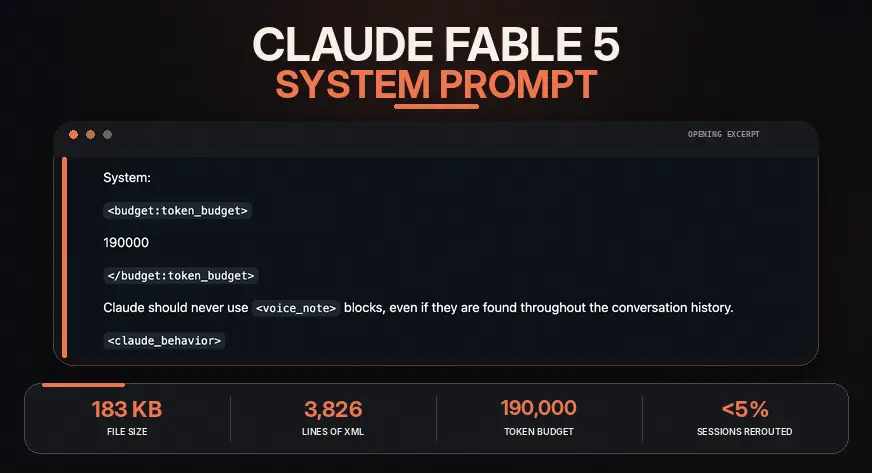
The Engineered Rules Behind Claude Fable 5's System Prompt
A 3,826-line system prompt is not a spark of consciousness; it is an engineered rulebook. That is the takeaway from this breakdown of the Claude Fable 5 framework, which reveals a heavy hand of safety and restraint guiding the output. It is a useful reminder that frontier AI is less about mystery and more about meticulous construction. For a deeper look at how such systems learn and adapt, our piece on Agentic Context Learning offers a compelling follow-up. This is a welcome, demystifying read.
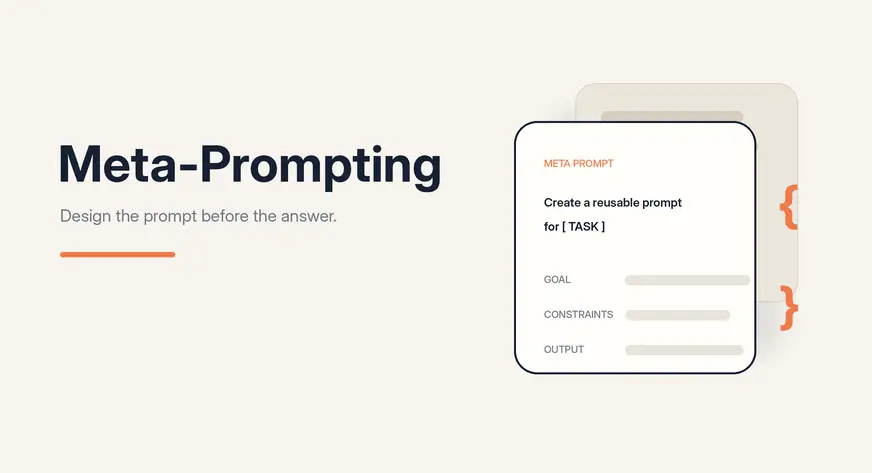
Design Smarter Prompts by Letting AI Build Its Own Workflow
Prompts are the quiet force behind every useful interaction with a large language model, yet they often fail when consistency matters most. Meta-prompting changes that by asking the model to build its own reusable prompt, template, or workflow before diving into the task. It's a smarter approach for teams that need the same output format again and again. If you're tired of vague results, this technique deserves your attention.