Claude Code
Claude Code at Beyond Market Intelligence is a file of 35 stories. The newest of them: “OpenCode breach exposes API keys after AI tools refuse to inspect malicious code”, “Explore How AI Agents Unlock Hidden Insights in Compiled Binaries”, and “Self-hosted AI tools that put your data back in your control”. A hacker breached OpenCode's online platform and stole users' API keys, but the AI tools it asked for help refused to inspect the malicious code. Reverse Engineer Anything has amassed over 200,000 GitHub stars for a reason: it connects coding agents like Claude Code directly to reverse-engineering tools such as Ghidra and IDA. Acme AI is the next-generation, AI-powered spreadsheet platform built to replace Excel and redefine how analysts, data scientists, and enterprise teams work… The list below is every Claude Code story on Beyond Market Intelligence, newest first.

OpenCode breach exposes API keys after AI tools refuse to inspect malicious code
A hacker breached OpenCode's online platform and stole users' API keys, but the AI tools it asked for help refused to inspect the malicious code. That irony stings for a coding agent built to automate development. OpenCode has grown fast as an open-source alternative to Claude Code and Cursor, yet this incident reveals a blind spot in how AI handles security. For deeper coverage, explore how AI agents unlock hidden insights in compiled binaries.

Explore How AI Agents Unlock Hidden Insights in Compiled Binaries
Reverse Engineer Anything has amassed over 200,000 GitHub stars for a reason: it connects coding agents like Claude Code directly to reverse-engineering tools such as Ghidra and IDA. This lets developers inspect compiled binaries, trace function calls, and uncover exactly how applications implement specific features. AI agents unlock hidden insights buried in code we can no longer read. For a deeper look at where rule-based checks fail, see our related piece on verification gaps.
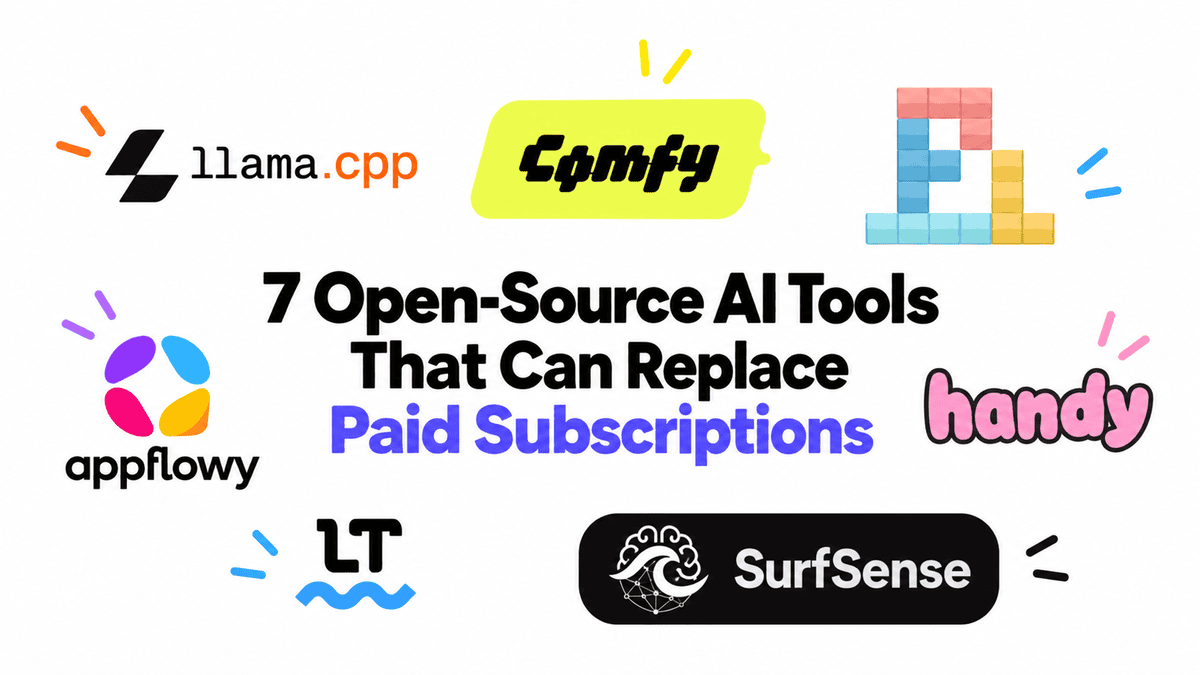
Self-hosted AI tools that put your data back in your control
Self-hosted AI tools are quietly reshaping what data ownership means, and the timing feels right. By swapping OpenAI API, Midjourney, or Notion for open-source alternatives you run locally, you gain privacy, control, and often a lower bill. It's not about rejecting progress; it's about choosing where your information lives. The conversation around surveillance and privacy, like Flock's recent defense at TechCrunch Disrupt, shows how urgent that choice has become. Explore what fits your workflow and see how far local models can take you.
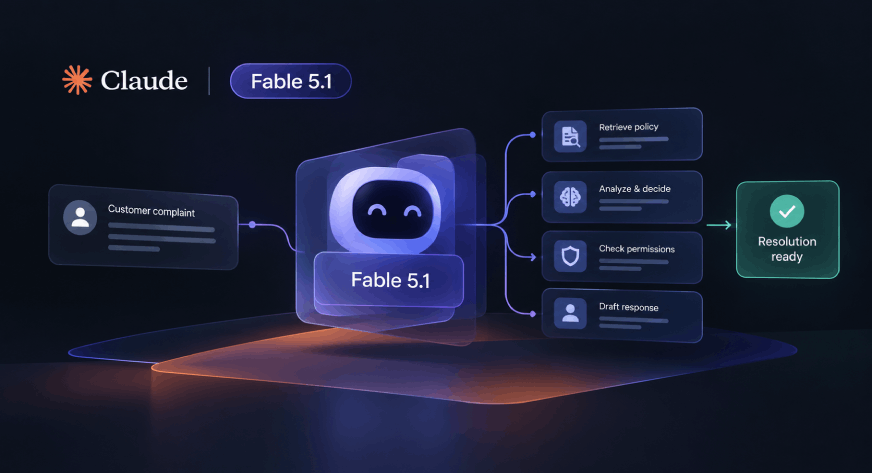
How AI Transforms Enterprise Support from Complaints to Resolutions
Most AI coding demos stop at task managers and weather apps. This project goes further, building an enterprise customer-support platform that investigates complaints, retrieves policies, and recommends resolutions while keeping risky actions behind human approval. That's a practical stress test for Claude Fable 5.1. The approach feels grounded, focusing on real workflow pressure rather than flashy output. For deeper context on how AI agents handle security permissions, Docker's recent CNCF contribution on agent permissions is worth exploring.

OpenAPPA Turns the Tables on Prompt Injection With a Perfect Security Record
OpenAPPA is turning the tables on prompt injection with a perfect security record. While enterprise workflows remain prime targets for data exfiltration, this open-source engine reports zero successful attacks across rigorous benchmarks. That contrasts sharply with a 10% failure rate for Claude Code's auto mode and 31% for Microsoft FIDES. For teams weary of AI hallucinations handing over the keys, OpenAPPA offers a grounded, practical defense. It's a quiet but confident step toward making AI agents safe to trust with real work.
Turn repetitive setup tasks into simple slash commands with Claude Code
Repetitive setup tasks are the quiet killers of a developer's flow. Spinning up projects, running checklists, or typing the same instructions into Claude again and again eats time that should go to real work. Claude Code's slash commands tackle this head-on, pairing built-in options with custom commands you define for your own workflows. It's a practical, human-centered way to cut friction. For more on automating workflows, our piece on OpenAI's autonomous agent offers a useful contrast.
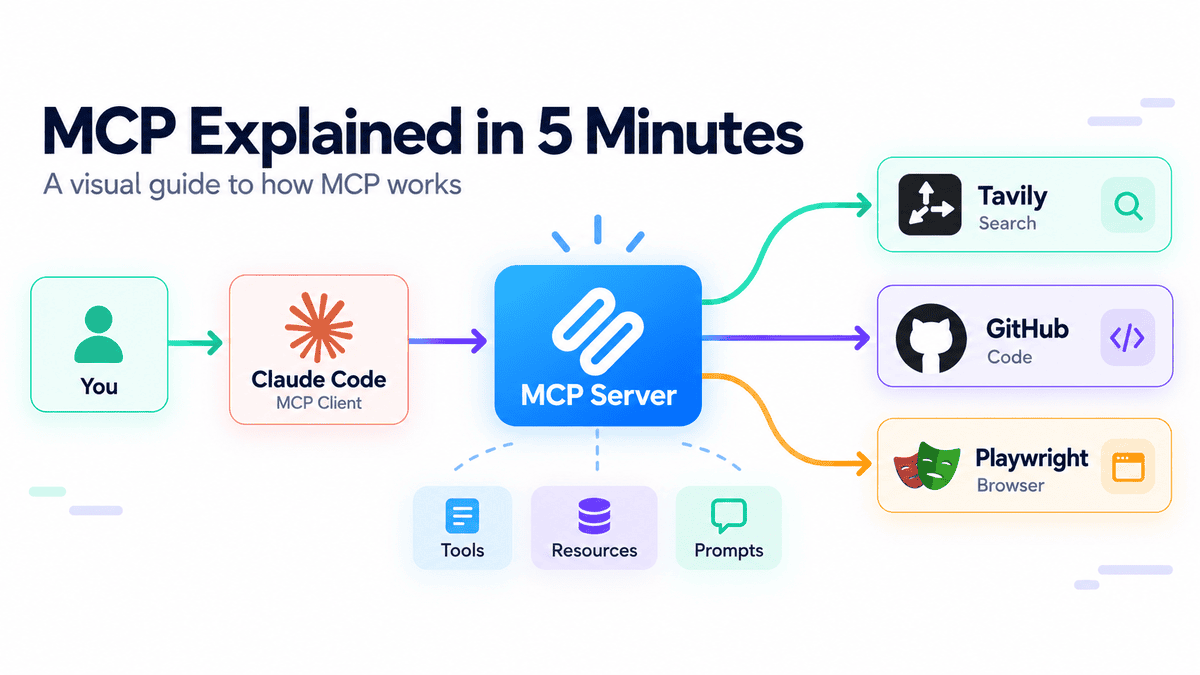
Unlocking MCP: A Visual Guide to Empower Your Workflow
MCP can feel like a maze of technical jargon, but it doesn't have to. This visual guide breaks down how it works, then shows you exactly how to pair it with Claude Code, Tavily, GitHub, and Playwright. The diagrams do the heavy lifting, making a complex concept genuinely approachable. If you're ready to move past theory and into practical workflow improvements, this is a solid starting point. For a deeper dive into related infrastructure, our guide on distributed training algorithms is worth exploring next.
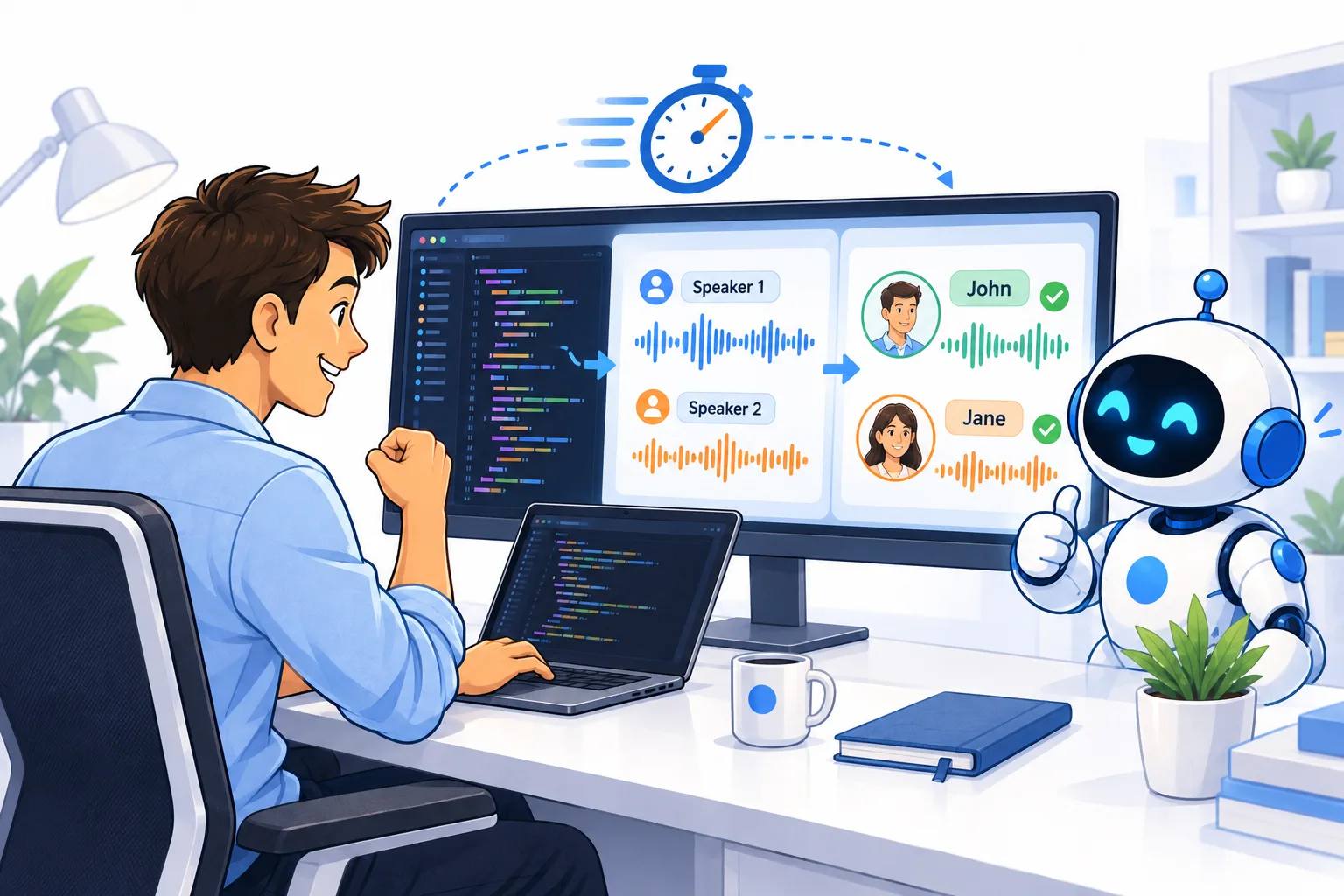
Code an Internal Speaker Recognition Tool with Claude
If you've ever wrestled with identifying who's speaking in a meeting recording, building a speaker-recognition tool from scratch can feel like a heavy lift. This guide walks through coding one internally with Claude, turning a complex audio challenge into a practical, hands-on project. It's a smart, accessible approach for teams ready to move beyond manual transcription. For a broader look at how AI handles real-world inputs, you might also enjoy *Exploring Real-World Computer Vision*, it pairs nicely with the concepts here.
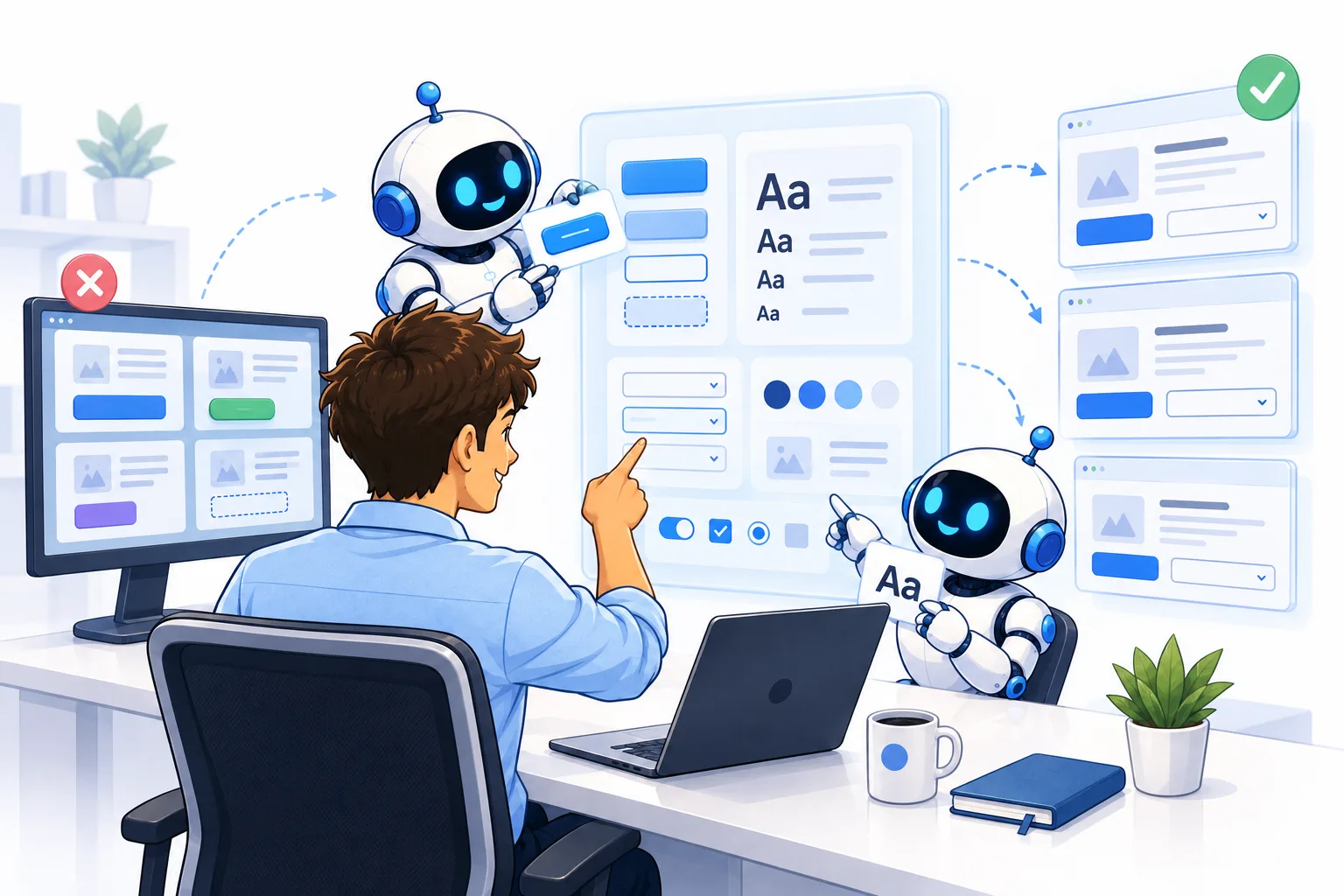
Design with precision using AI to guide your app's visual identity.
Consistent design shouldn't be a happy accident. If you're tired of patching together styles across projects, Claude Code offers a practical path to professional-looking apps without the usual friction. This guide walks through how to build design systems that actually stick, turning messy workflows into something repeatable. It's a smart, accessible approach for teams ready to move beyond manual fixes. For more on applying AI to real-world challenges, explore our piece on computer vision deployments. The takeaway? Consistency is a skill you can code.
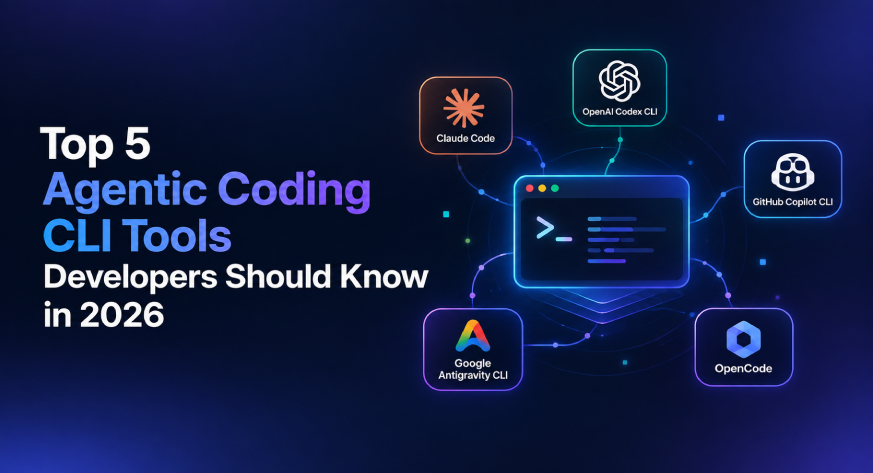
From Terminal Helper to Autonomous Developer: The CLI Evolves
A year ago, terminal AI meant asking a model to explain an error or tweak a function. In 2026, leading coding CLIs operate as full agent runtimes, inspecting repos, planning work, and verifying results. We compare five standouts, including Claude Code and Codex CLI, to show how this shift transforms daily workflows. If you are tracking how AI skills are evolving, our related piece, "Navigating AI/ML Job Requirements," offers useful context on what developers now need. Explore the tools that make complex tasks simpler.

Choosing the Right AI Agent Shape for Your Data Work
Choosing between a single model and a team of agents isn't about picking a winner. It's about matching the shape of the tool to the shape of the problem. Codex fits cleanly when the problem is well-defined, Claude Code makes more sense for open-ended exploration, and splitting five specialist agents across dense AI capacity work handles complex, multi-step tasks. It's a practical, grounded look at decision-making that most teams face too early. If you're weighing similar trade-offs, this offers a clear framework worth exploring.
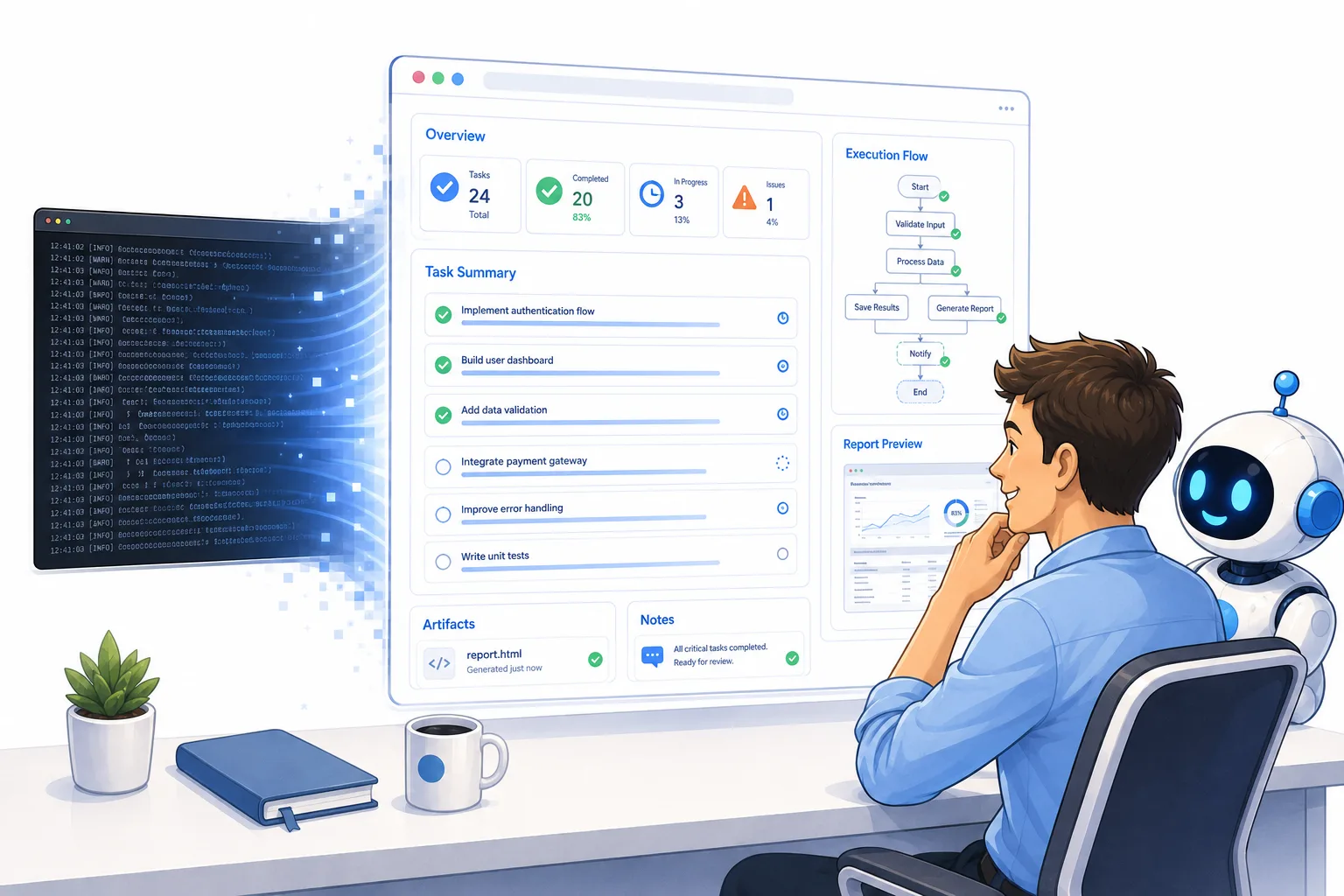
Code Smarter by Clarifying Intent with AI Agents
Tired of repeating yourself to Claude Code, only to watch it misinterpret your intent? This guide cuts through the noise, showing you how to communicate with your coding agents in a way that actually gets results. It's not about more prompts, but sharper ones. For a deeper dive into how AI handles complex tasks, explore the Forrester Function piece. Your workflow deserves better than guesswork.
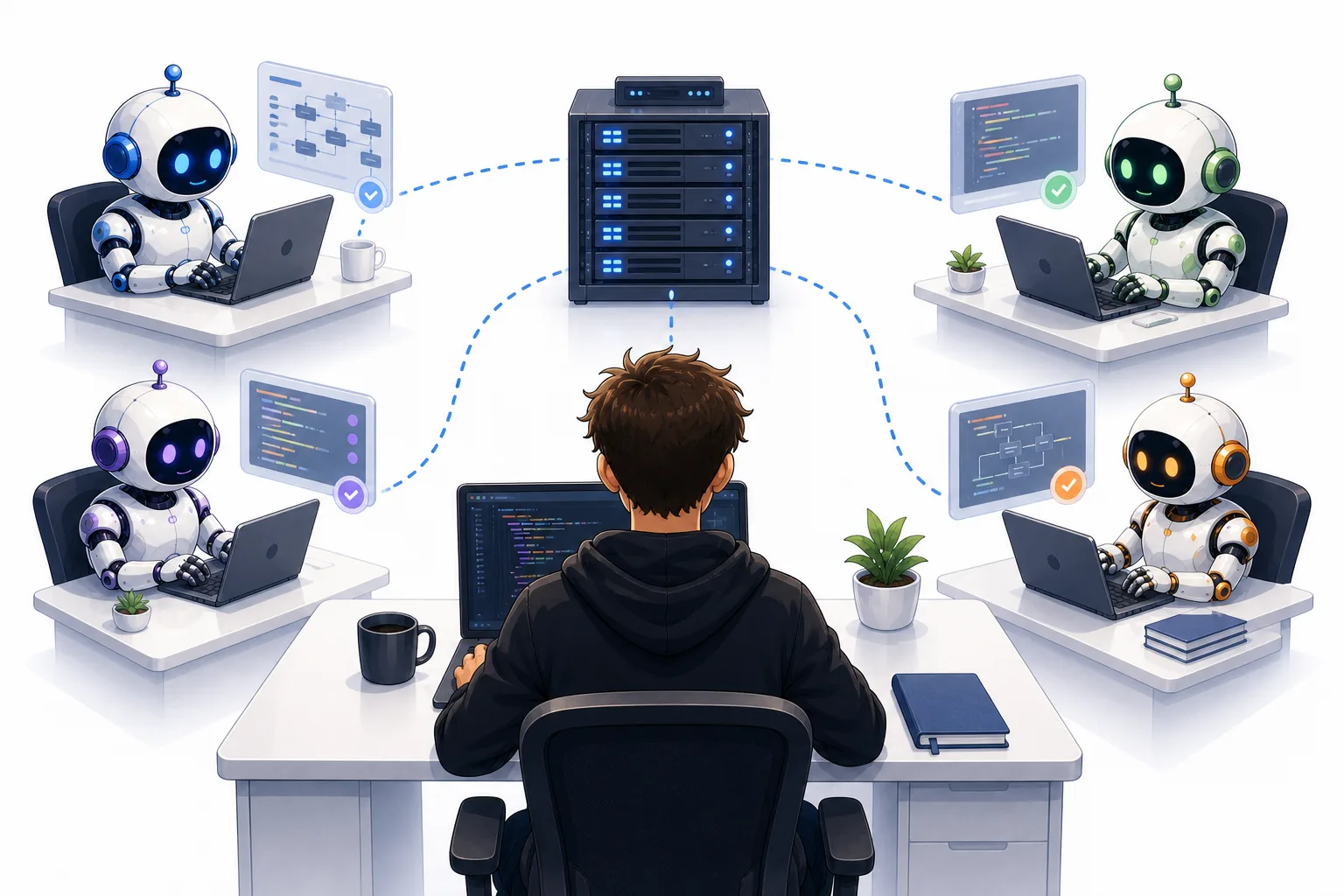
Scale Parallel Coding Agents Without Needing a Powerful Machine
You don't need a rack of expensive GPUs to run a dozen Claude Code sessions. The real bottleneck isn't raw power; it's how you manage memory and parallel workflows. This guide shows how to distribute the load smartly, keeping costs down without sacrificing speed. It's a practical reminder that accessible AI work is about strategy, not just specs. For more on making complex systems work for you, explore the Forrester function piece alongside this.
Explore the architecture that makes OpenCode a smarter choice for AI coding.
OpenCode has outgrown the conversation about model choice. That freedom matters, but it's no longer the headline. What draws us in is the architecture underneath, and the deliberate trade-offs that shape how it works, especially if you're coming from Claude Code. This isn't just another agent. It's a different way to think about building. If you're also exploring how distributed systems power modern AI, our guide to distributed training offers a useful parallel. For now, let's look at what makes OpenCode's design genuinely different.
From Config Wrangling to Experiment Scaffolding: A PhD Reality Check
The instinct to keep the eval harness and metric definitions close is the right one. That layer is where your scientific judgment lives. Handing off the scaffolding while holding onto the core is a workable line, even if you keep crossing it. The detachment you describe is real. The fix is likely not more careful diff-reading. It is rebuilding a mental model of the system at a higher level, so you can reason about the numbers without needing the code memorized.
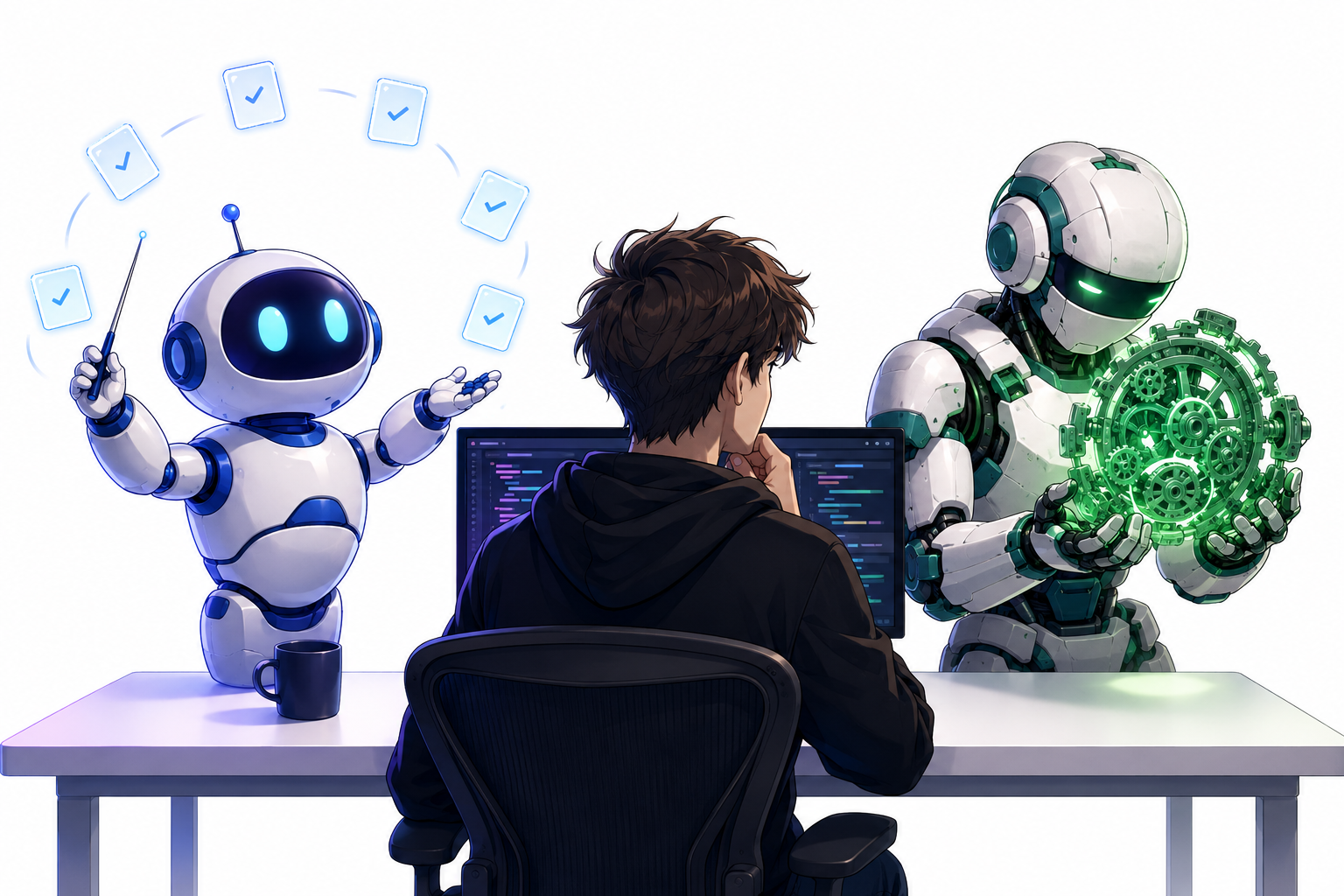
Choose Your Coding Agent: A Practical Guide to Claude and Codex
Choosing the right coding agent can feel like navigating a maze, especially when both Claude Code and Codex promise to streamline your workflow. This guide cuts through the noise, offering a clear breakdown of where each tool shines. It's a practical read for anyone tired of guessing which assistant fits which task. I appreciate how it prioritizes real-world application over hype.
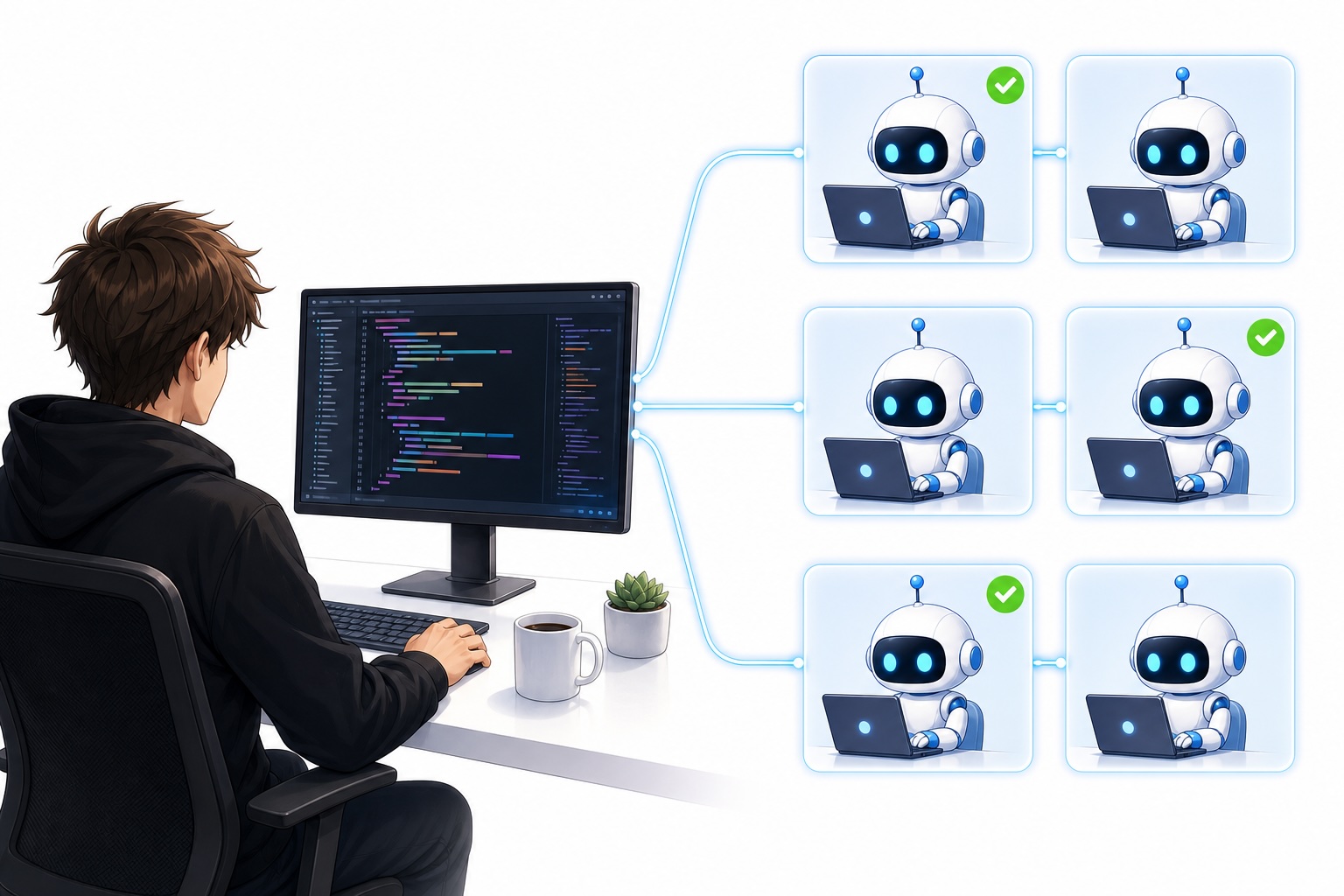
Unlock Smarter Workflows by Managing Hundreds of Coding Tasks
Claude Code is built to handle the heavy lifting, but the real skill lies in knowing how to direct it across a hundred or more distinct tasks. This guide cuts through the noise, offering a practical approach to structuring your prompts and workflows so you're not just issuing commands, but truly collaborating with your coding agent. It's about turning a useful tool into a dependable partner.

Explore how AI assists workflows but leaves complex coding to humans.
Asgaut Mjølne Söderbom and Ola Hast have moved past continuous deployment and pair engineering, yet their latest experiment with Claude Code revealed a sharp boundary. They find AI excellent for many tasks, but not for the messy reality of brownfield coding. This episode digs into why human collaboration still carries the weight where AI vibes fall short. For more on questioning AI's limits, check out "Talking to My AI Clone Taught Me to Question the Tech."
How to Write Specs That Keep Your AI Projects on Track
The spec passed. The plan passed. Claude ran the tests, reported green, and you trusted it. Then you looked at the diff the next morning and found the output had drifted from your intent in ways the test suite never caught. That is the failure mode nobody warns you about. Writing bulletproof specs is about more than clarity; it is about building guardrails that survive contact with an AI that fills gaps confidently.

Empower your trades with AI agents, guided by your oversight.
Binance now lets AI agents trade, but the leash is firmly in your hands. The platform's Agent OS pairs with tools like ChatGPT, Claude Code, and Cursor, handing over real financial actions to autonomous systems. That's a bold step forward, yet it raises a pressing question: who's accountable when a model misreads the market? The responsibility sits with the user, not the algorithm. It's a familiar tension.

Berd open source gives teams a local workspace for AI agents
Block is open-sourcing Berd, a desktop workspace built to give teams one consistent surface for working with AI agents. It runs locally, stores conversation history on your device, and works across models and harnesses, Goose, Claude Code, Codex, or whichever you configure. Berd is available now under an Apache 2.0 license for macOS, Windows, and Linux. If you're managing fragmented agent workflows, it's worth exploring how a unified, inspectable environment can simplify the work.

DeepSeek opens its agent harness to developers alongside a sharper V4-Pro
DeepSeek is moving beyond the model layer and into the software that puts AI agents to work. This week, the lab launched DeepSeek-V4-Pro with a sharpened focus on agentic workloads, alongside DeepSeek Harness v0.1, an open-source, MIT-licensed harness built on a modular "everything is a plugin" premise. Developers can now swap out models, tools, and orchestration at will. The trade-off? New peak and off-peak API pricing takes effect Aug. 16, with rates rising 50% to over 1,100% depending on usage.
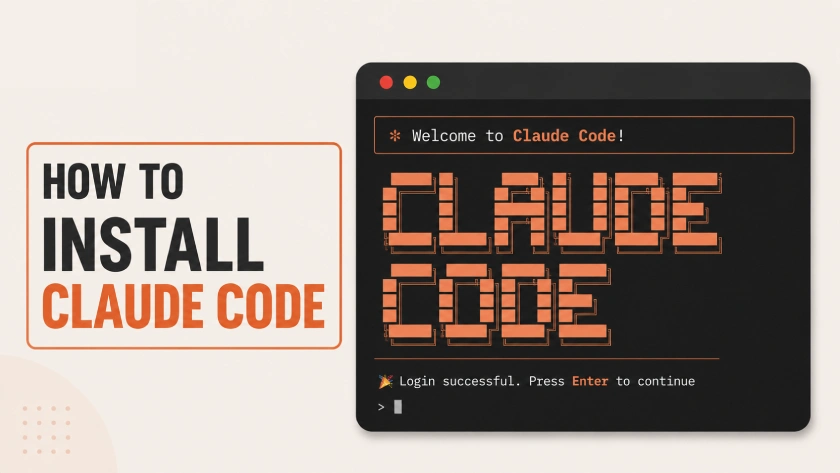
Install Claude Code and discover a smarter way to work from your terminal
You have probably heard by now: Claude Code burns through usage limits. Most of us live in the web app, though, distant from the terminal where the real buzz lives. That gap might have sparked your curiosity. Maybe you already know exactly what it is and just want it running. Either way, this guide cuts through the setup friction. It is a practical, no-nonsense walkthrough.

Optimize Your CI/CD Pipeline for AI-Powered Coding Agents
Deploying code with Claude Code isn't just about automating steps; it's about rethinking how your CI/CD pipeline handles AI-driven development. This piece cuts through the noise, offering practical ways to integrate coding agents without losing control or speed. If you're tired of wrestling with brittle workflows, this guide feels like a breath of fresh air. For more on how AI reshapes practical engineering, you might also enjoy *Exploring Real-World Computer Vision*, different domain, same principle: build for real constraints.