data science
Beyond Market Intelligence keeps data science in one place: 324 stories so far. The section currently leads with “Spot Hidden Data Drift When Individual Features Seem Stable”, “Clean Architecture Removes the Signals Your Agent Needs”, and “Explore the Forrester Function: Beyond Mathematics, a Tool for Machine Learning”. Your features look stable, but your model is quietly failing. Every boundary you draw in clean architecture removes a signal your agent was relying on. Acme AI is the next-generation, AI-powered spreadsheet platform built to replace Excel and redefine how analysts, data scientists, and enterprise teams work… The list below is every data science story on Beyond Market Intelligence, newest first.

Spot Hidden Data Drift When Individual Features Seem Stable
Your features look stable, but your model is quietly failing. That's the problem this post tackles head-on. Hidden data drift often hides in the relationships between features, not the features themselves. Adversarial validation with scikit-learn can catch those subtle shifts before they undermine performance. It's a smart, practical technique for anyone who suspects their model is degrading but can't find the cause.
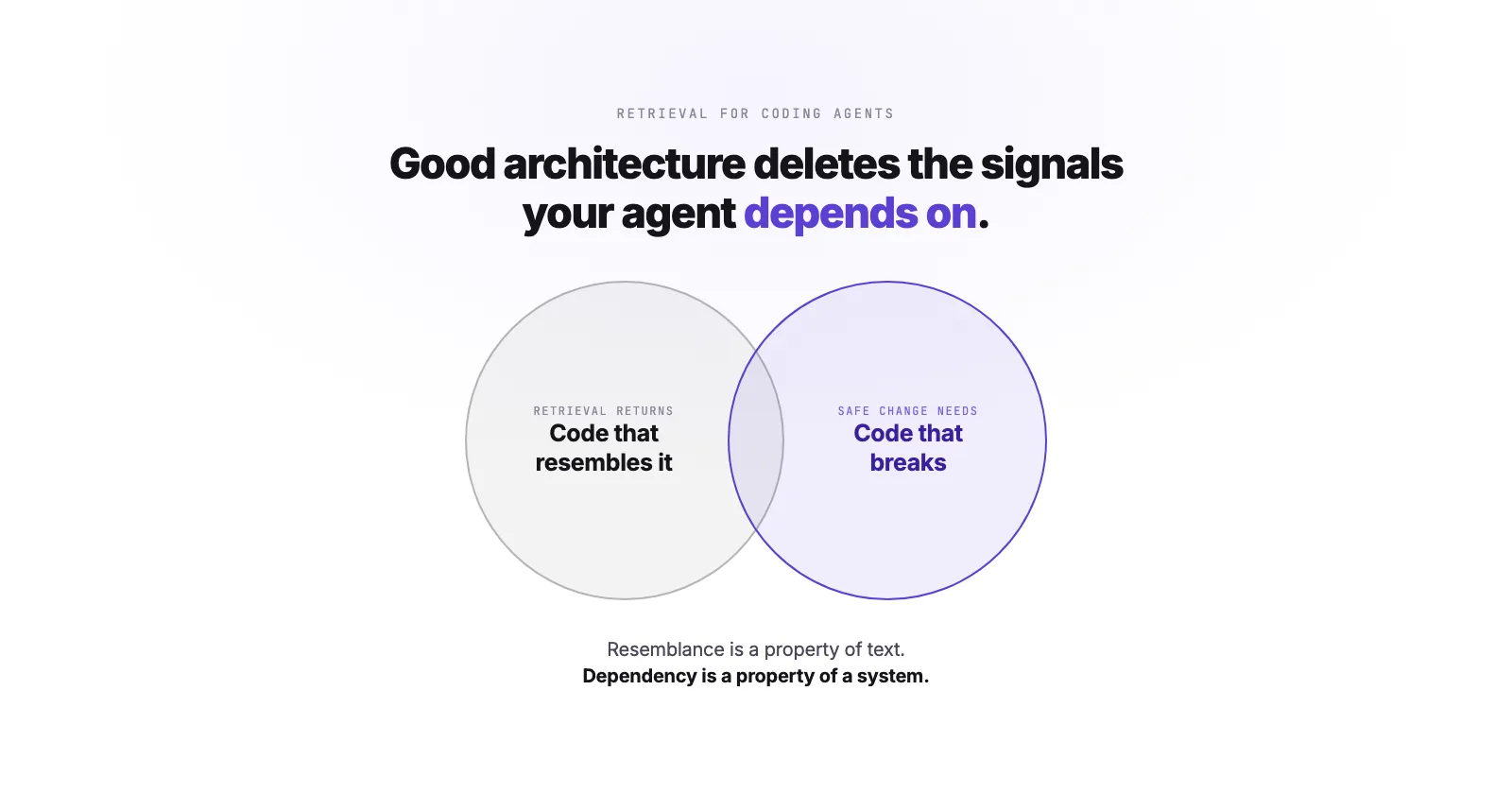
Clean Architecture Removes the Signals Your Agent Needs
Every boundary you draw in clean architecture removes a signal your agent was relying on. That is a structure problem, not a search problem. It's a sharp reminder that organization shapes intelligence, and over-layering can quietly starve the tools meant to help. We appreciate the argument for simplicity here. If you're exploring how systems behave under constraints, our piece on the Forrester function offers a complementary look at mathematical structure in machine learning.
Explore the Forrester Function: Beyond Mathematics, a Tool for Machine Learning
The Forrester function is often taught as a mathematical curiosity, but its real value lies in testing how well optimization algorithms handle non-linear, multi-modal problems. That user asking about its role in machine learning is onto something, this function is a standard benchmark for evaluating model performance, not a solution for real-world economics or forecasting. It belongs in the toolbox of anyone validating methods, not applied directly to data.

Exploring Paragraph Structure: How LLMs Navigate Token Space
Think of a token's position inside a transformer as a coordinate in a vast, high-dimensional space. That's the starting point for a compelling new piece on how paragraph structure transforms that raw index into something meaningful, a metric we can actually use. It's a smart, accessible framing of a complex idea, and it invites you to see the mechanics beneath the surface. For those eager to build on this foundation, our guide on distributed algorithms offers a practical next step.

Expanding Your Tech Fluency: Key Insights Beyond Artificial Intelligence
Artificial intelligence dominates the conversation, but true fluency demands more. In "10 Things I'm Learning Beyond AI to Become More Technologically Fluent," the author steps past the hype to explore the foundational technologies quietly shaping our world. It's a refreshing, grounded take that invites you to broaden your digital toolkit. For those ready to deepen their understanding, this piece pairs well with our guide on navigating AI/ML job requirements, where the skill shift becomes tangible.

Bridging Retrieval and Action: A New Approach to AI Tasks
RAG retrieves. Agents act. The gap between them is where real work happens, and one builder decided to close it by hand. They connected both systems explicitly, then ran the same nine tasks through all three approaches. The result is a clear look at what each setup can and cannot do. It is a practical experiment, not a theory. If you are weighing how much autonomy to hand your AI, this is a useful starting point.
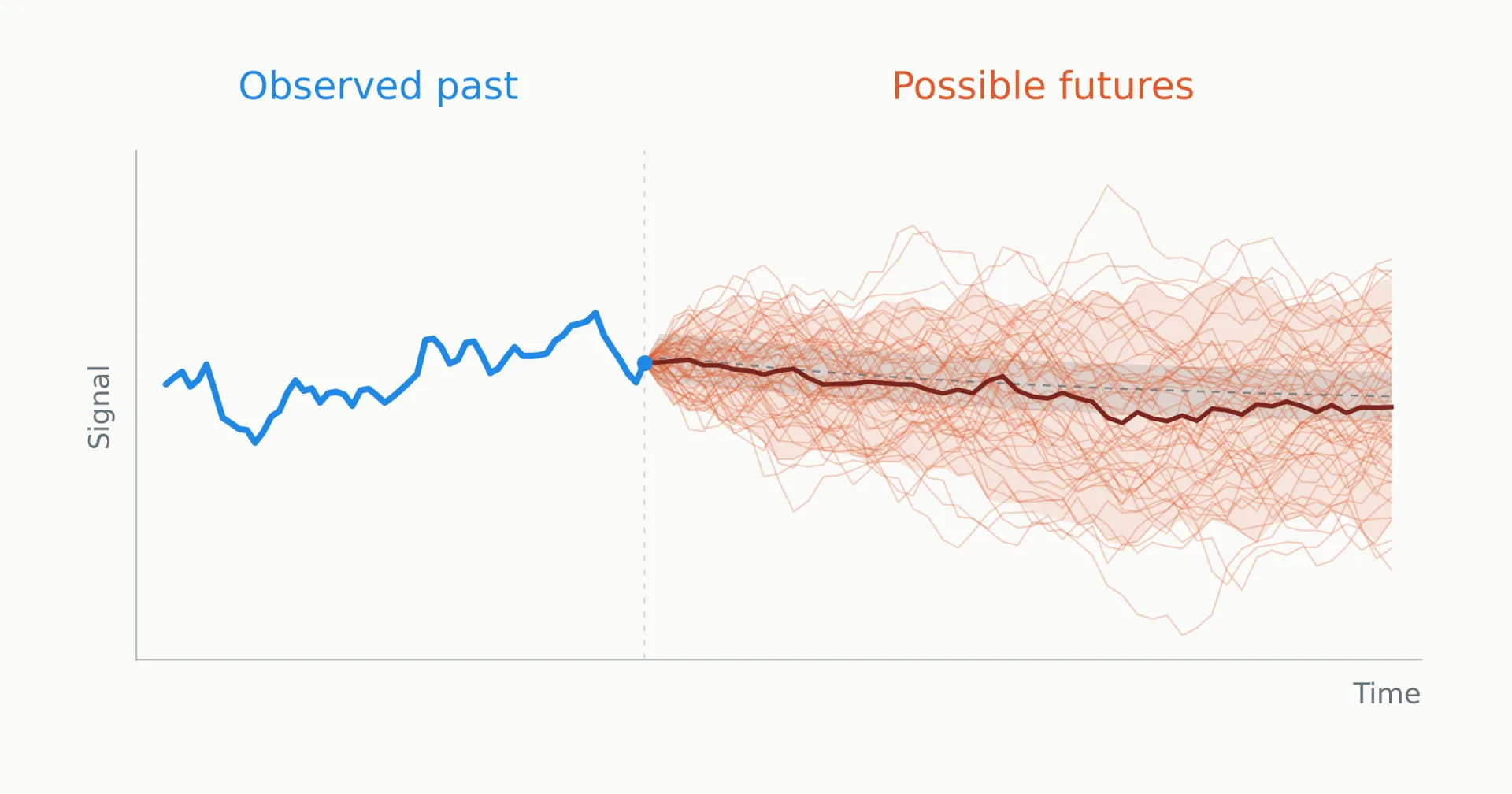
Beyond MSE: Refining Forecasts with Autoregressive Rollout and Uncertainty
Mean squared error tells you how wrong your model is on average. It does not tell you how confident you should be in that number. This second installment in our probabilistic forecasting series tackles exactly that gap through autoregressive rollout and uncertainty propagation. Instead of settling for a single point estimate, the approach refines forecasts by carrying uncertainty forward. It is a practical next step for anyone working with physical signals.
NeurIPS Main Track: 7900 Submissions Accepted, 112 Oral Presentations
NeurIPS set a new bar this year: 7,900 accepted papers from 30,709 valid submissions, with 112 oral presentations and 292 spotlights. That's a steep funnel, and it reflects a field maturing fast. The sheer volume signals serious momentum in AI research, but the real story is selectivity. For practitioners, this isn't just a stat; it's a signal to pay attention to where the community is investing its energy. If you're tracking breakthroughs, our coverage of real-world computer vision deployments pairs well with this moment.
AAAI 2027: Phase 1 Results Released, Phase 2 Submissions Now Open
The Phase 1 results are out, and the path to Phase 2 is now clear for those who advanced. If your paper made the cut, the next submission window is officially open. This is where the work gets more focused, and the stakes feel a little higher. We're watching this cycle closely because it rewards persistence as much as insight. For a deeper look at how structured evaluation shapes complex problem-solving, explore the Forrester Function article we published. Now, get to work.
Explore Data Innovation at the Discovery Science Conference in Mainz
A small conference with a clear focus on applied data work, the Discovery Science Conference in Mainz is worth a look if you're tired of theory-heavy talks. From October 5-9, the agenda leans into practical outcomes, which feels refreshing for anyone who wants to see how data innovation actually lands in the real world. I'm presenting my paper there and would be glad to connect with fellow attendees. If you're on the fence about going, this is the kind of event where exploration meets execution.

Unlock the Full Potential of Your Coding Agent Subscriptions
Most coding agents promise efficiency, yet many teams barely scratch their surface. This guide cuts through the noise, showing you how to turn a simple subscription into a serious productivity lever. I appreciate the focus on practical, repeatable tactics rather than abstract theory. If you are ready to move beyond basic autocomplete, this is a worthwhile read. For another perspective on pushing tools further, our piece on expanding your tech fluency offers a broader lens worth exploring.
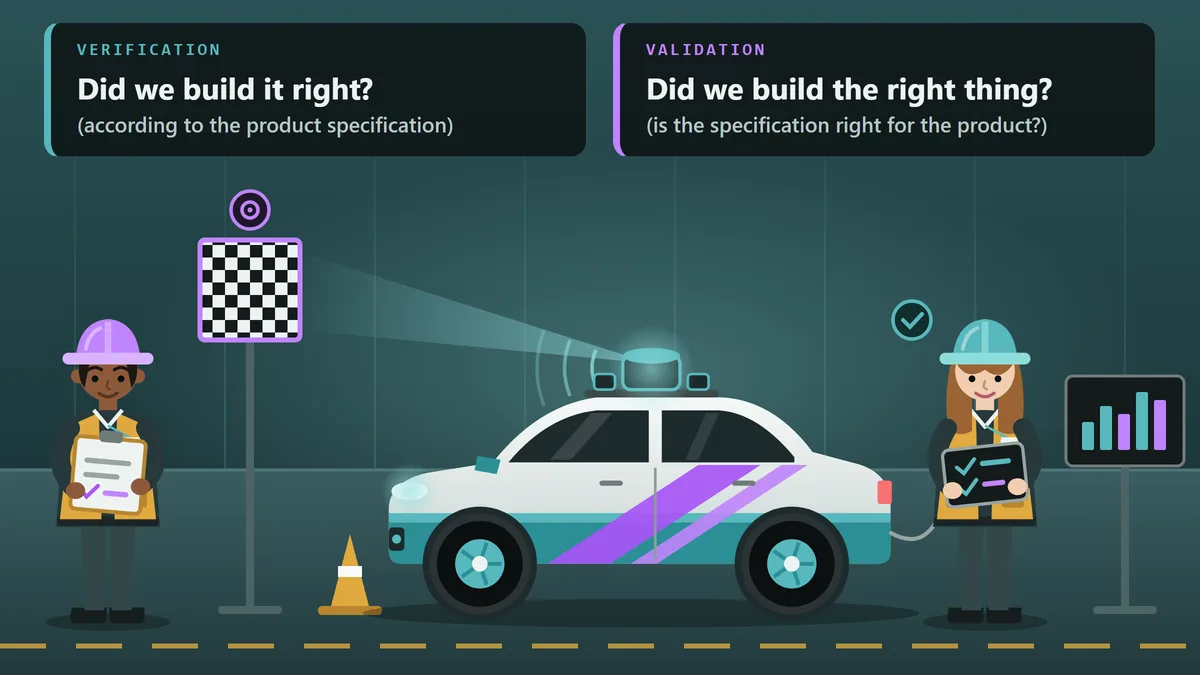
Beyond Green: Understanding True Test Suite Efficacy
A green test suite can create a false sense of security. Passing tests don't always mean your software is healthy, and that gap deserves attention. This piece challenges you to look beyond the color of the results and ask what your tests are truly verifying. It's a practical call to focus on efficacy, not just outcomes. If you're ready to rethink your approach to automation, this is the right starting point.
Empowering Your AI Journey: Exploring Post-Grad Pathways Beyond Traditional Programs
Graduating with a data science degree is one thing; finding the right research path is another. The hunt for pre-doc programs and AI residencies can feel scattered, especially when many big-company websites seem stuck in the past. That doesn't necessarily mean the programs are gone, but it does signal that you need to dig deeper. Exploring lesser-known fellowships, like those mentioned in related coverage on expanding your tech fluency, can open doors you might not expect.
Exploring a Career Shift: An MD, a PhD, and a Data-Driven Future
Weighing an MD against a Math + CS degree is a high-stakes bet on your future. You have two years left in medicine, but you already know it's not your path. The real question isn't whether research or software suits you better; it's how much you trust a degree to matter in an AI-driven market. A strong Math + CS foundation remains valuable, but AI is changing the role of the degree, not eliminating its core utility.
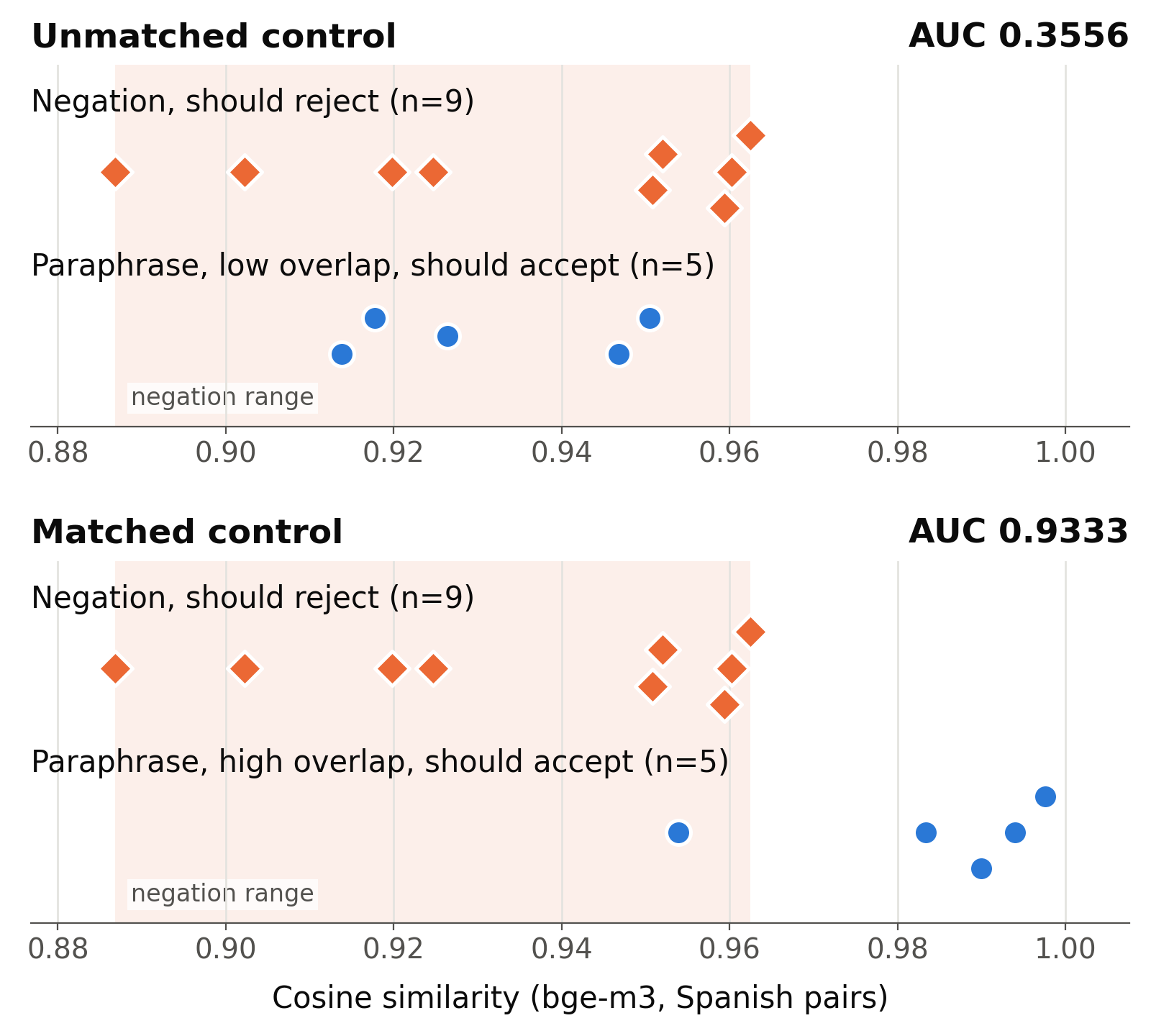
Confident AI Can Be Wrong: Understanding Reliability in LLM Pipelines
We often assume that adding safeguards to an LLM pipeline makes it more reliable. But the opposite can be true: the very mechanisms we introduce to ensure accuracy can lead the model to produce a confident, yet empty, answer. This piece challenges us to examine what happens when the correct response is nothing at all. It's a sharp, necessary look at how we define truth in AI. For more on building trustworthy systems, explore our related piece on refining forecasts beyond traditional metrics.

Unlocking Text's Potential: Exploring Vector Spaces and Classification
Text classification only works when words become numbers. That transition, from raw text into vector space, is where the real thinking happens. TF-IDF and the mechanics of turning language into something a model can actually use are walked through. It's a clear, grounded explanation of a step most people skip. If you're ready to move past the basics, this is a solid next stop. And for a different angle on machine learning, check out "Exploring Real-World Computer Vision" for more hands-on lessons.
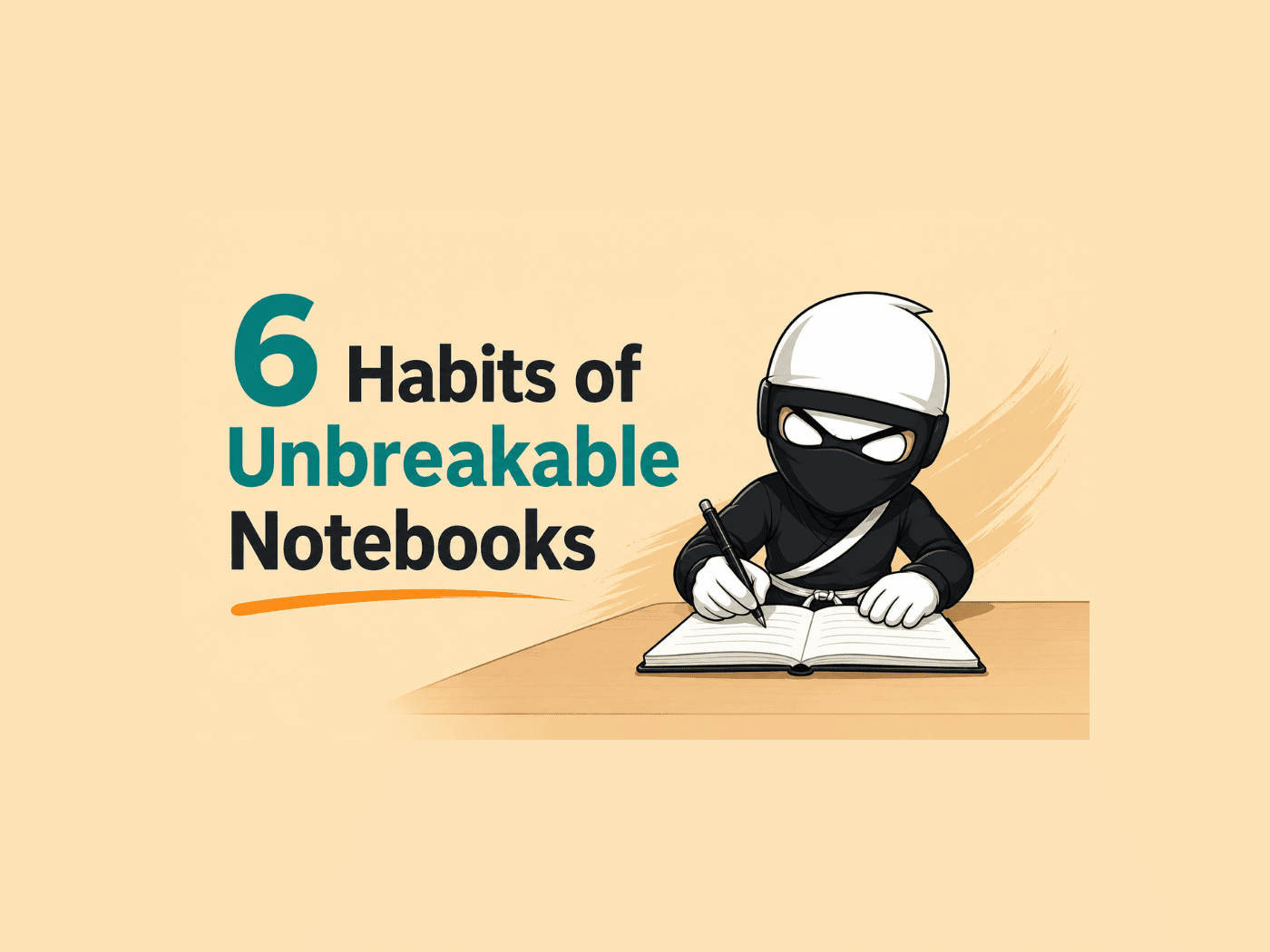
Keep Your Data Science Notebooks Running: Six Essential Habits
A notebook that runs perfectly on your screen can fall apart the moment you close the laptop. That frustrating reality is exactly what these six essential habits address. They are not about writing fancier code, but about building a workflow that survives interruptions and returns you to your work with confidence. We appreciate the practical focus on resilience. For another perspective on keeping complex work sustainable, you might explore our related article, "Expanding Your Tech Fluency: Key Insights Beyond Artificial Intelligence.

Build Your First World Model: A Practical Python Guide
Building a world model sounds abstract until you watch one learn to play CartPole by imagining the future. That's exactly what this practical guide delivers: a hands-on Python walkthrough for creating a model that daydreams its way through the environment, then shows you precisely when that illusion starts to crack. It's a smart, grounded introduction for anyone ready to move beyond static spreadsheets. For more on how AI behaves in real-world systems, explore "Exploring Real-World Computer Vision: Deployments, Edge Models, and Current Challenges."

Greece's PM: AI's Future Demands More Than Yesterday's Solutions
When Greek Prime Minister Kyriakos Mitsotakis sat down with us on his trade mission, he didn't just pitch his country. He admitted something refreshingly honest: no government is ready for what AI is about to do. That kind of candor stands out. It suggests we're all scrambling to keep pace, and that's okay. Acknowledging the gap is the first step toward building smarter policies.
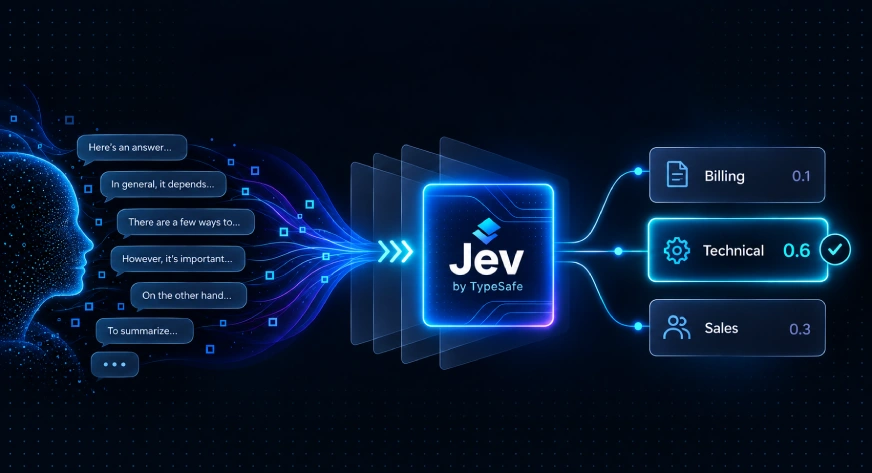
Explore Jev: The AI Model Rethinking Text Generation
Jev is trending on X for a reason, and it's not just another flashy release. TypeSafe AI's new model challenges a core assumption by never generating a single word of text, which feels counterintuitive until you see the logic. We think that restraint is exactly what makes it compelling. If you're exploring how AI can reshape workflows, Jev offers a fresh angle worth your attention. For more on the mechanics behind such systems, our guide to distributed training pairs well with this story.

Uncover Retrieval Weaknesses: Test Your RAG Pipeline Now
Your evaluation set has a blind spot, and it's costing you. A small adversarial test set can expose retrieval failures your standard checks never touch, revealing exactly where your RAG pipeline stumbles under real-world pressure. This approach isn't about adding more data; it's about testing smarter. We think that's a practical, necessary step for anyone serious about reliability. For a deeper dive into how these systems hold up, our guide, "Verify Your AI's Understanding: A Simple Check for Tax Season," offers a useful parallel.
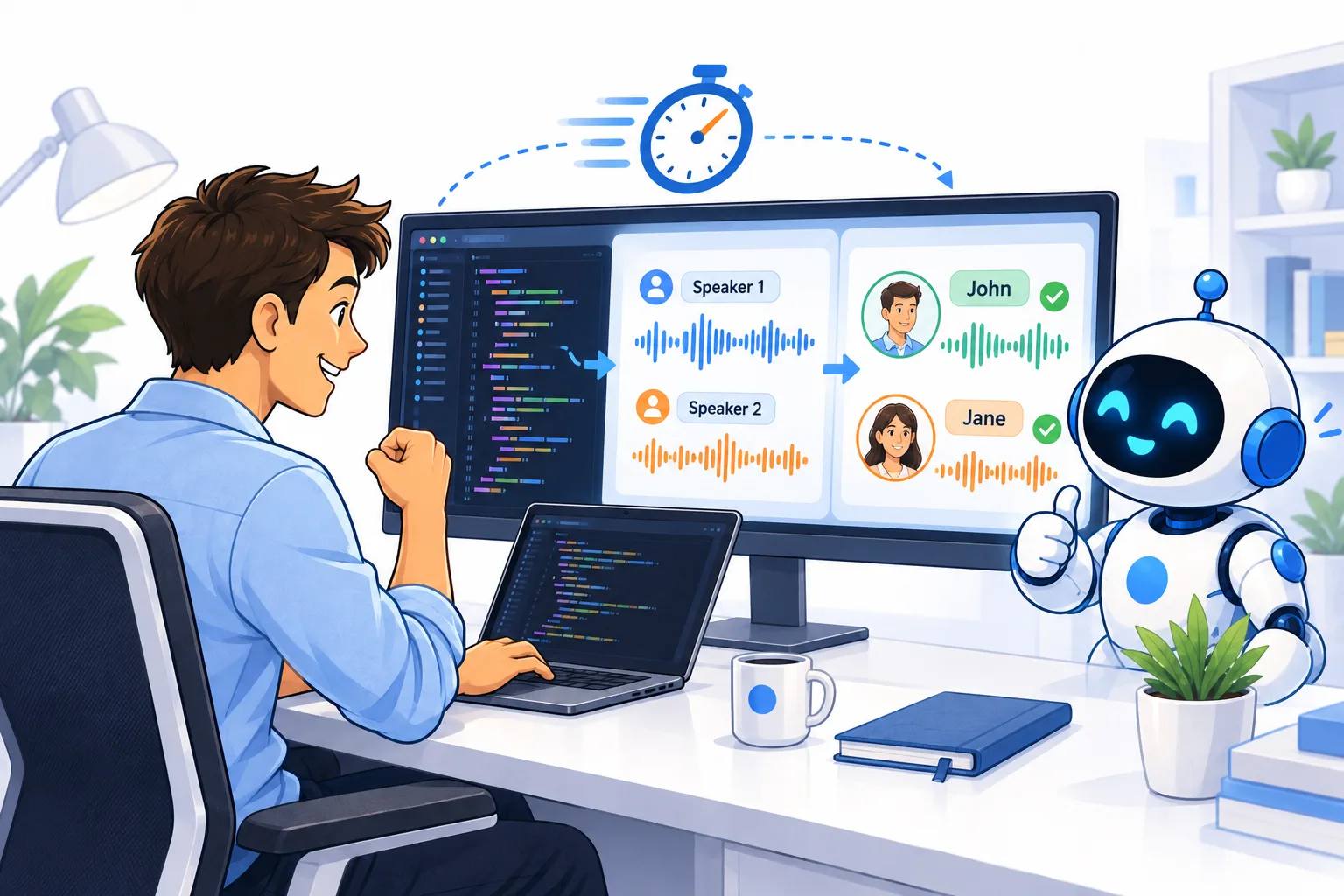
Code an Internal Speaker Recognition Tool with Claude
If you've ever wrestled with identifying who's speaking in a meeting recording, building a speaker-recognition tool from scratch can feel like a heavy lift. This guide walks through coding one internally with Claude, turning a complex audio challenge into a practical, hands-on project. It's a smart, accessible approach for teams ready to move beyond manual transcription. For a broader look at how AI handles real-world inputs, you might also enjoy *Exploring Real-World Computer Vision*, it pairs nicely with the concepts here.

Streamline Your PhD: Four AI-Powered Research Tasks
A PhD thesis is a marathon of small, tedious tasks that drain your energy before the big finish. This guide cuts through the noise, showing how AI can handle the grunt work: tracking down citations, cleaning up code, double-checking facts, and prepping for the defence. It's a practical toolkit for reclaiming your time, not a magic bullet. The focus on verification over blind trust is smart.

Jev: AI That Decides, Not Just Writes
Most spreadsheet users know the pain of writing formulas; Jev skips the typing and moves straight to the outcome. This AI doesn't just generate text for you to interpret; it makes the call, deciding what the next step should be based on your data. It's a direct answer to the question of what happens when the tool stops assisting and starts acting. For those interested in how far AI can go beyond simple generation, our piece on the Forrester function offers a deeper mathematical look.