data science
Beyond Market Intelligence keeps data science in one place: 324 stories so far. The section currently leads with “Which AI Assistant Handles Data Science Tasks Best for Statisticians”, “Ultrahuman and Abu Dhabi partner to validate biological-age model over two years”, and “Explore How OpenAI's Decisions API Can Reshape Your Data Workflows”. Statisticians evaluating ChatGPT, Claude, and Gemini for data science work need a clear, practical comparison, not marketing hype. Two years of clinical validation sounds like the right kind of patience for a model that claims to measure biological age. Acme AI is the next-generation, AI-powered spreadsheet platform built to replace Excel and redefine how analysts, data scientists, and enterprise teams work… The list below is every data science story on Beyond Market Intelligence, newest first.
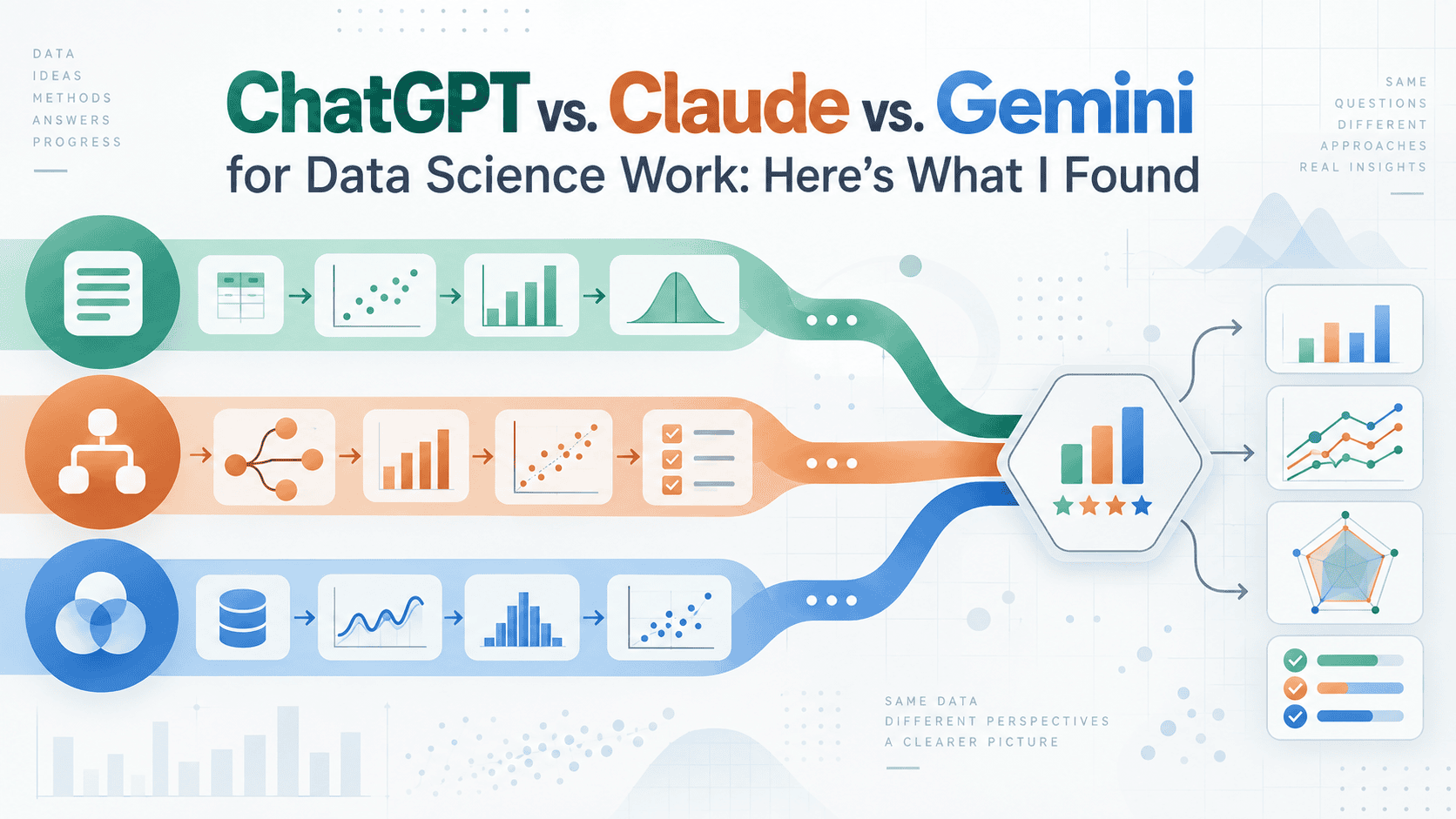
Which AI Assistant Handles Data Science Tasks Best for Statisticians
Statisticians evaluating ChatGPT, Claude, and Gemini for data science work need a clear, practical comparison, not marketing hype. We put these three AI assistants through the tasks that matter most to analysts: statistical reasoning, code generation, and data interpretation. The results reveal meaningful differences in accuracy and approach. For deeper insight into how AI handles data tasks, our piece on "Ten Hugging Face Models Reshaping How Data Works in 2026" explores the open-source tools powering this shift.

Ultrahuman and Abu Dhabi partner to validate biological-age model over two years
Two years of clinical validation sounds like the right kind of patience for a model that claims to measure biological age. Ultrahuman and Abu Dhabi are committing to real research, not just a flashy launch. That matters. If you are curious about how AI is quietly reshaping other unexpected areas, our piece on AI-powered weather balloons winning a military contract offers a fascinating parallel.

Explore How OpenAI's Decisions API Can Reshape Your Data Workflows
If you're still treating AI agents like chat bots that occasionally call a function, OpenAI's new Decisions API suggests a more intentional path. This practical guide walks through how a decision-first model lets you define, constrain, and audit every tool call before it executes, turning reactive workflows into deliberate, auditable processes. It's a genuine step toward production reliability. For deeper context on agent stability, our piece on "Six Architectural Patterns for Scaling Reliable AI Agents" pairs well here.
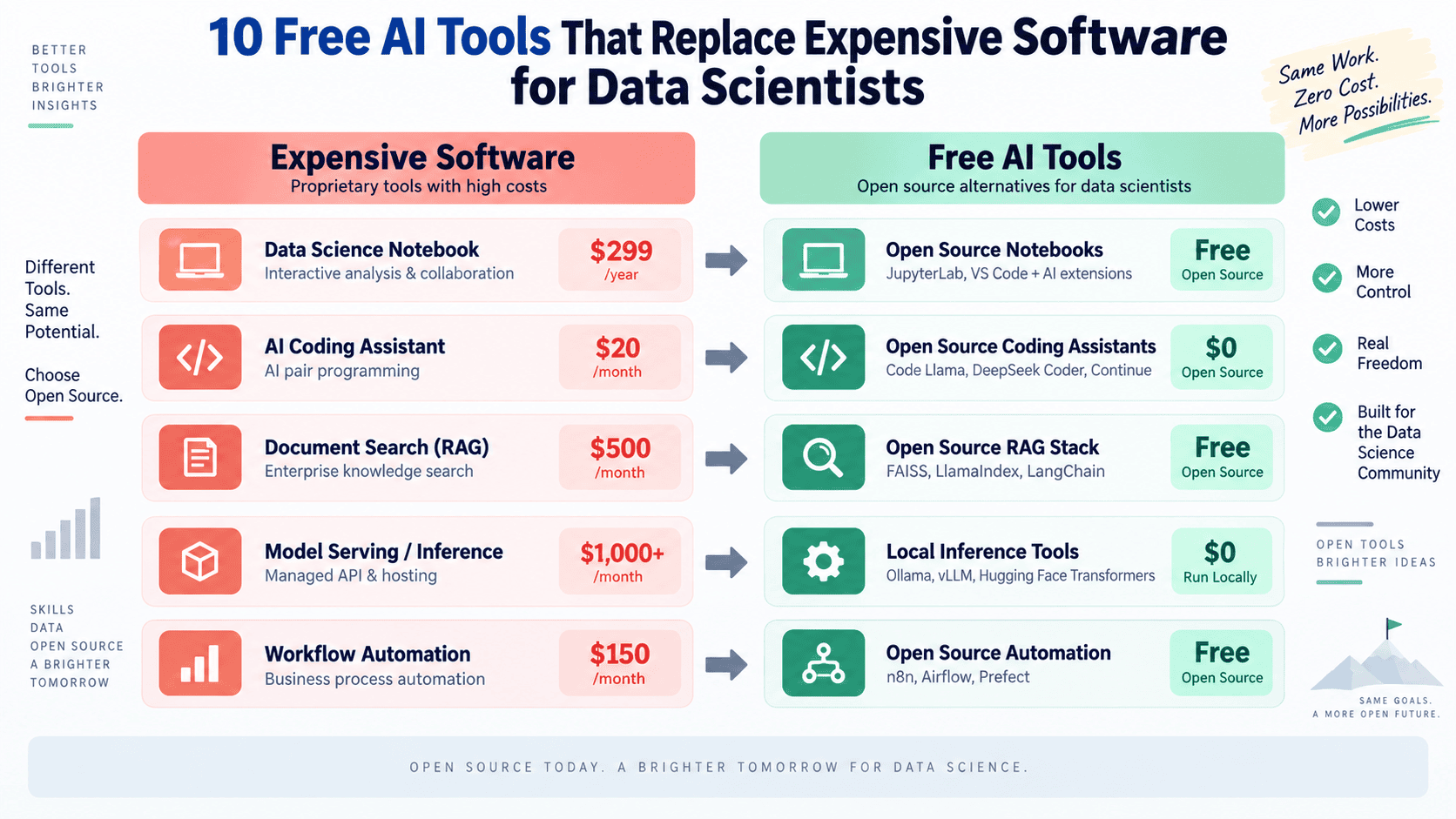
Build a complete data science stack for free with these open-source AI tools
Building a production-grade data science stack doesn't have to strain your budget. Open-source AI tools now match, and sometimes exceed, the capabilities of their paid counterparts, giving you a complete toolkit for free. This is about empowerment, not compromise. If you've been exploring how smarter workflows can transform your practice, our piece on semi-supervised learning as an underrated path offers a fitting next step.
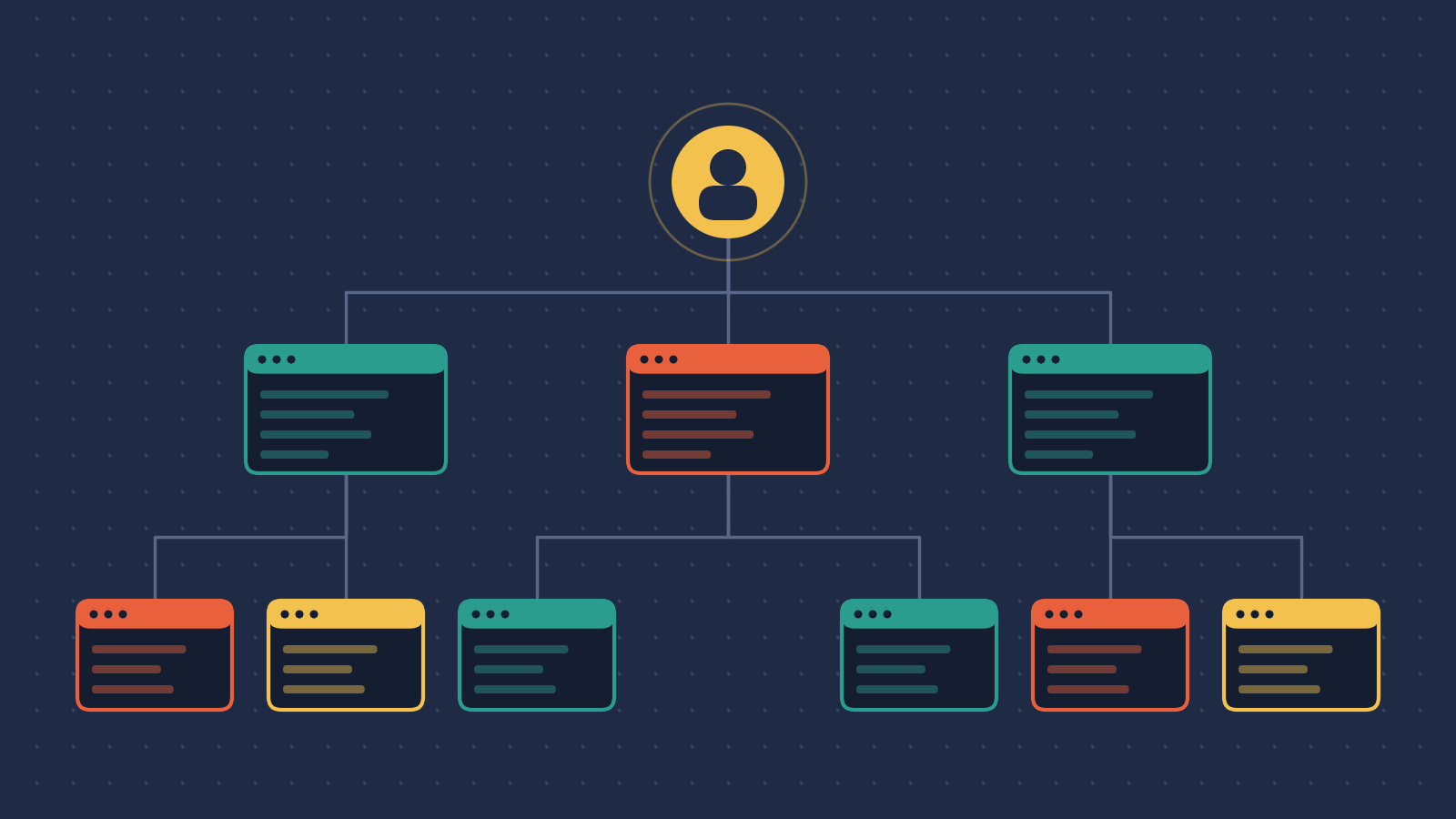
When Code Outpaces Reading, It's Time to Hire AI
AI agents now write more code than any of us can read. That single realization reframes the entire conversation around artificial intelligence. We have moved past the era of asking AI for help and into an era where we hire it as a collaborator. The shift is practical, not philosophical. If you are still treating AI as a tool for drafting emails, you are missing the point.

When AI Writes Faster CUDA Kernels Than PyTorch, Benchmarks Decide
AI agents are now writing CUDA kernels that beat PyTorch on speed, but proving those gains are real is the harder problem. I tested them on an NVIDIA DGX Spark and found that benchmark design matters as much as the code itself. When the hype machine sells you AI at every turn, a clear-eyed test like this cuts through the noise. For more on staying grounded, see our related piece on keeping your judgment amid the AI sales pitch.
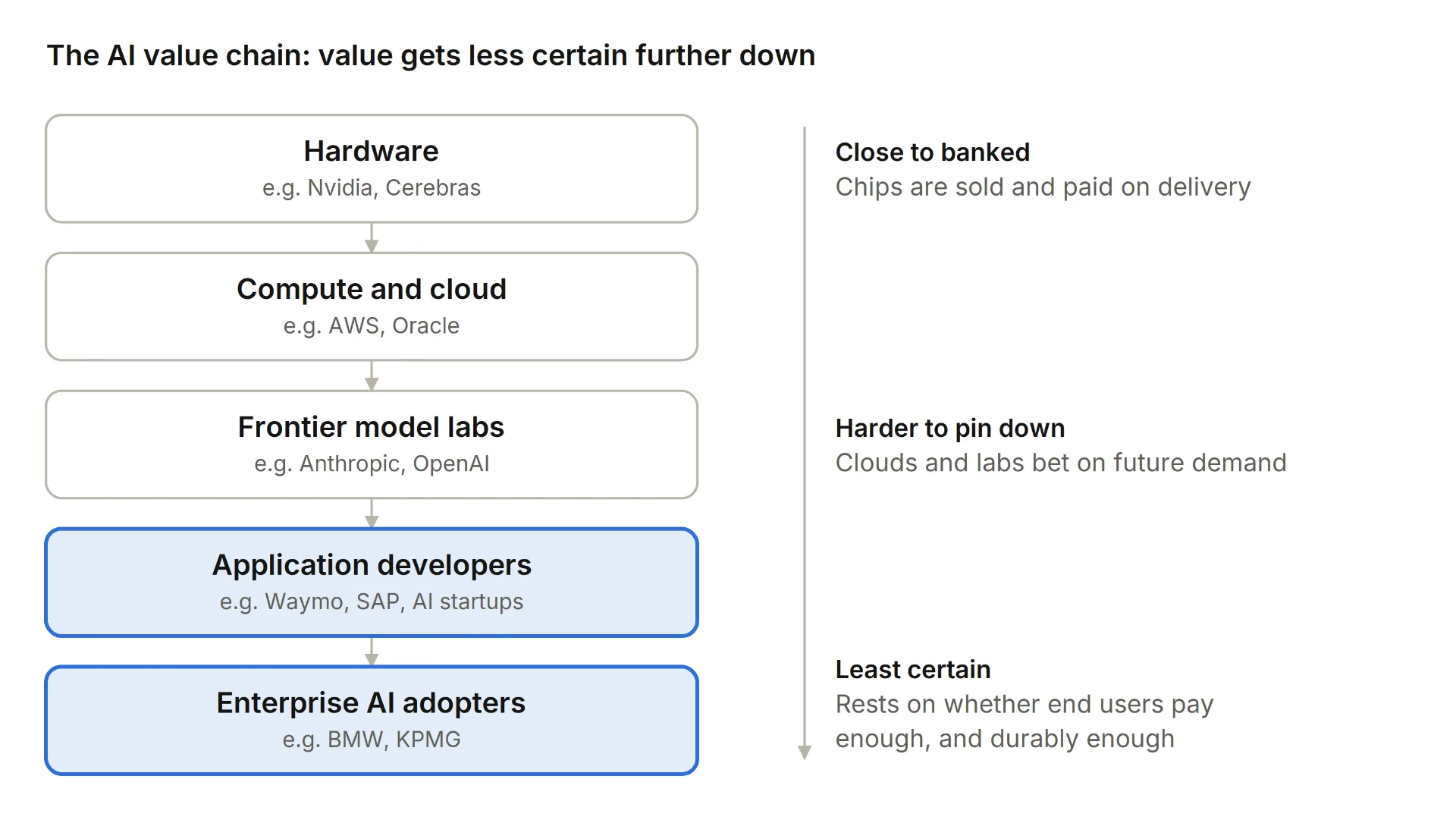
Three moves to stay clear-eyed when every vendor sells AI
Every vendor is selling AI, but not every pitch deserves your trust. The smarter move isn't to tune out the noise, it's to decode it. This guide offers three practical moves to stay clear-eyed when hype threatens judgment. No jargon, no breathless claims. Just a framework for asking better questions before you buy in. For a deeper look at how AI is reshaping real industries, read how Vesta secured $30M to bring AI agents to mortgage lending, a grounded example of innovation without the fanfare.

Explore how machines learn through multi-armed bandit simulations in Python
Reinforcement learning often feels abstract until you watch an agent learn in real time. Multi-armed bandit simulations in Python make that process tangible, showing how machines balance exploration and exploitation through trial and error. The approach is accessible enough for beginners yet powerful enough to reveal core AI principles. If you are ready to move beyond static datasets, this hands-on exploration will transform how you think about autonomous decision-making.
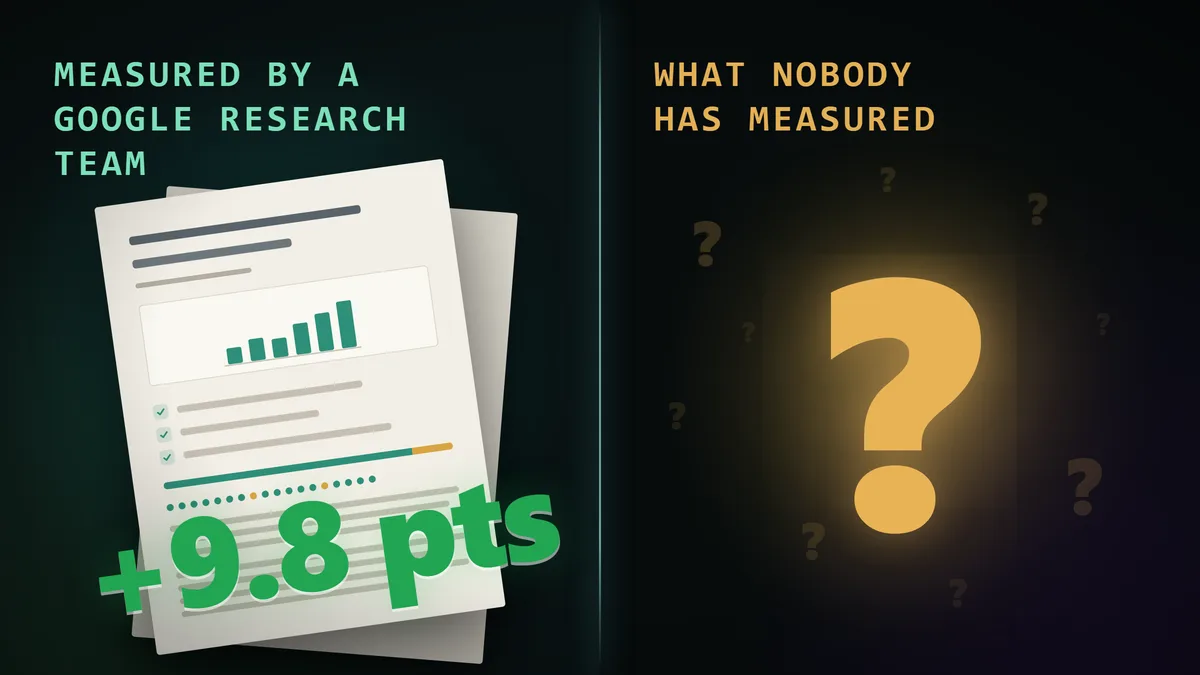
How Google's Data Validated Part of My Argument and Left Room to Explore
Google's own data validated half of my argument, and left the other half open for exploration. In this third installment on spec-driven test automation, we see how measurable evidence can sharpen a thesis without closing the conversation. That's the kind of thinking partner AI should be. For a deeper look at that concept, see our guide on turning AI into a thinking partner that accelerates how you learn.
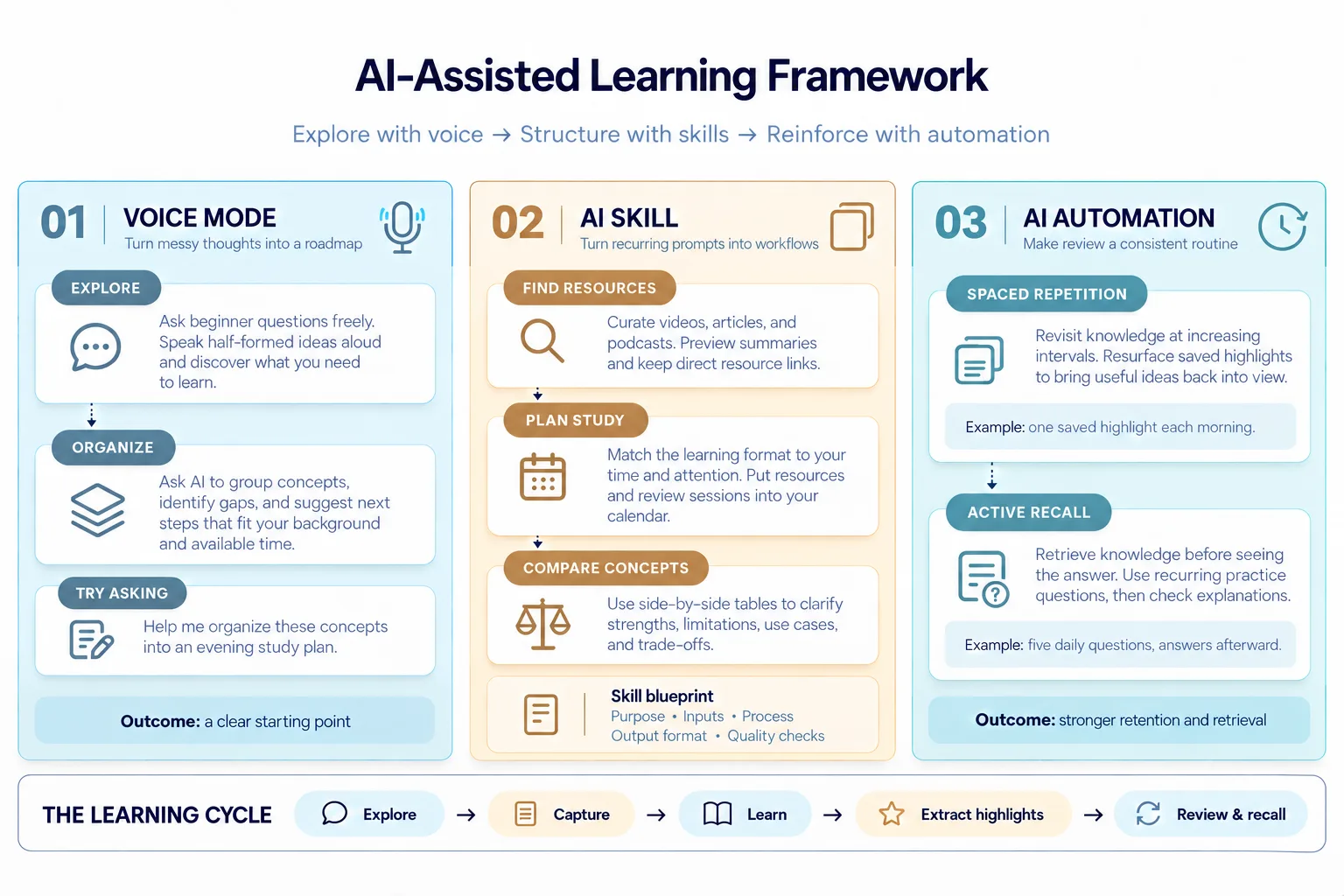
Turn AI into a Thinking Partner That Accelerates How You Learn
Learning any new topic faster starts with how you structure the conversation with AI. This practical framework turns AI into a thinking partner that accelerates understanding rather than just delivering answers. It challenges passive consumption and invites a more active, iterative dialogue. For those testing different approaches, our controlled test of Gemini, DeepSeek, ChatGPT, and Claude on forecasting traps offers a complementary look at how these tools handle real analytical challenges.

We Put Four AI Assistants to the Test With Forecasting Traps
Four AI assistants walked into a forecasting test, and three of them stumbled. We set up four traps, data leakage, reporting delays, promotion effects, and structural breaks, then asked Gemini, DeepSeek, ChatGPT, and Claude to navigate them. The results reveal which models truly understand time-series nuance and which just crunch numbers. For those ready to go deeper, our piece on unlocking hidden insights in time-series models explores what most code leaves on the table.

Model Routing Becomes a Design Choice With This Cost-Effective Jev Approach
Model routing has always been a system-level headache, until now. A new Jev approach treats it as a design choice, not an engineering patch. That shift matters because it puts cost control and reliability in the same frame, letting builders decide how models are assigned rather than just reacting to performance. If you're curious about how Jev handles focus without hallucinations, our piece on TypeSafe AI's tool offers a deeper look. This is practical AI architecture, finally made intentional.

Align Your Agent Development Lifecycle with the Application It Powers
Coordinating an agent's capabilities with the application it powers is the difference between a tool that assists and one that drifts into irrelevance. The development lifecycle often runs ahead of the product it serves, creating misalignment that compounds over time. This piece grounds the conversation in that practical tension, and it pairs well with our look at trimming thousands of API calls by tracing real workflow data. Build the agent alongside the app, not in its shadow.

Trim 2,500 API Calls From One Apartment Search and Keep the Matches
2,500 API calls trimmed from a single apartment search, and the matches didn't suffer. The author traced every listing check with Weights & Biases Weave, then cut unnecessary model work one change at a time, scoring each version against the same answers. This is the kind of practical efficiency that makes AI agents actually useful. For deeper context on why simpler techniques often win, see our related piece on PCA outperforming autoencoders in a real benchmark.
Stop Overpaying for AI Tools Hidden in Your Data Workflow
If you're feeling constrained by traditional spreadsheets, it's time to explore a solution that empowers your data journey. Jev delivers typed probabilities, not text, for faster data decisions. TypeSafe AI, founded by former OpenAI researcher Diogo Almeida, has introduced Jev, a decision-making model that generates calibrated probabilities for any given text prompt. This isn't another chatbot. It's a tool built for clarity, giving users actionable numbers instead of verbose answers. We find this approach refreshingly direct.

Let Coding Agents Handle the Work So You Can Focus on Insight
Data science runs on insight, not output volume. That's the argument in "Insight Is Still the Currency of Data Science," and it lands with refreshing clarity. Let coding agents handle the grunt work so you can focus on analysis, then build review practices that match that new rhythm. It's a smart reframing of automation as a tool for deeper thinking, not faster production.
One test run can reveal more than you think about data
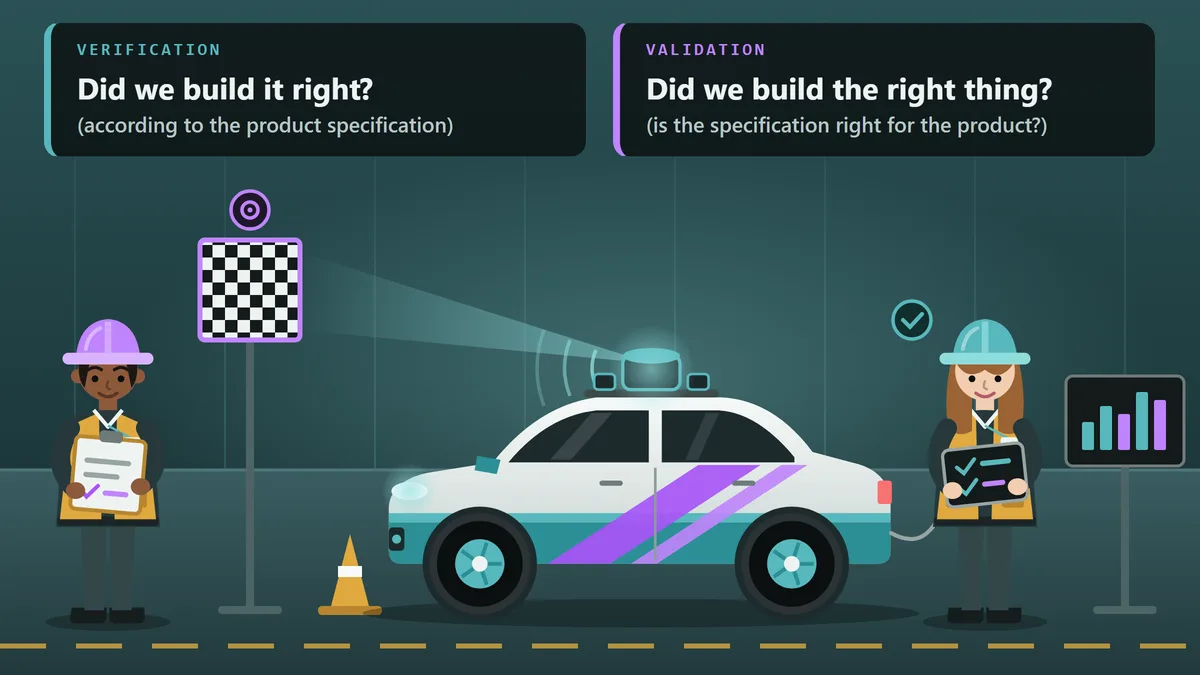
One test run can reveal more than you think about data. One run, and what it actually proves, that's the question this piece explores. It's a sharp look at how a single test can mislead or clarify, pushing us toward spec-driven automation for real confidence. We appreciate the focus on evidence over assumption. If you're curious how similar rigor applies at scale, our coverage of "300K lines refactored for $4,000" shows what happens when you let agents test their limits.

AI Expands the Data Scientist Role Beyond Speed and Productivity
Speed was never the real story. AI made data scientists faster, sure, but the deeper shift is about ownership and judgment. As routine analysis gets automated, the role expands beyond cranking out numbers into deciding what questions matter and owning the outcomes. That changes the career path entirely. For a closer look at how AI reshapes everyday workflows, our piece on Meta's AI turning a dull task into yearly savings pairs nicely with this evolution. The job isn't disappearing; it's growing into something more human.

Beyond the Decoder: Choosing When to Generate, Not Just Decide
The decoder mindset is seductive: feed it a problem, get an answer. But generation is a different beast. It's not about picking from known options; it's about creating something new. We agree, and we think that distinction is where the real value lies. Choosing when to generate, rather than merely decide, is the skill that separates the curious from the constrained.

How to Build Fair Evaluation Sets with Combinatorial Precision
Building fair evaluation sets isn't just tedious, it's a combinatorial puzzle with an exact solution. This post from Towards Data Science lays out the precision method behind it, cutting through the guesswork that trips up so many teams. We appreciate work that treats data quality as a solvable problem, not a vague ideal. If you're wrestling with similar structural challenges, our piece on *Guided Merge Sort* shows how the same clarity extends to sorting complexity.
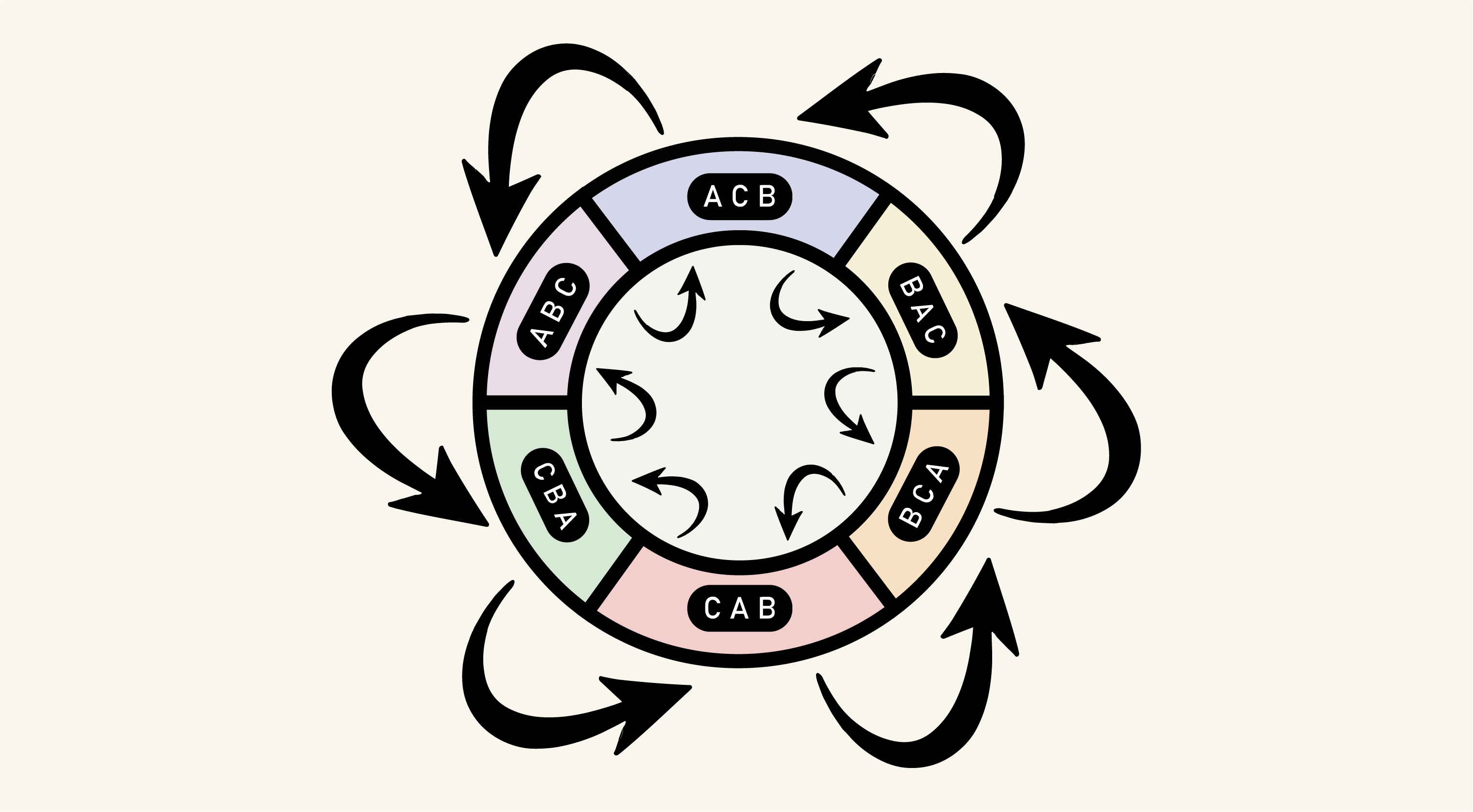
When Sorting Gets Complex, Guided Merge Sort Finds the Smart Path
Sorting messy, real-world data often forces a tradeoff between speed and stability. This piece on Guided Merge Sort takes that tension seriously, showing how a clever use of the `goto` operator lets an algorithm intelligently switch between ordinary and multi-way merging. It's a practical, human-centered refinement, not a flashy rewrite of the fundamentals. For readers tracking algorithmic robustness, the related post on *Clean Architecture Removes the Signals Your Agent Needs* explores how structure can mislead automated tools.

Spot Hidden Data Drift When Individual Features Seem Stable
Your features look stable, but your model is quietly failing. That's the problem this post tackles head-on. Hidden data drift often hides in the relationships between features, not the features themselves. Adversarial validation with scikit-learn can catch those subtle shifts before they undermine performance. It's a smart, practical technique for anyone who suspects their model is degrading but can't find the cause.
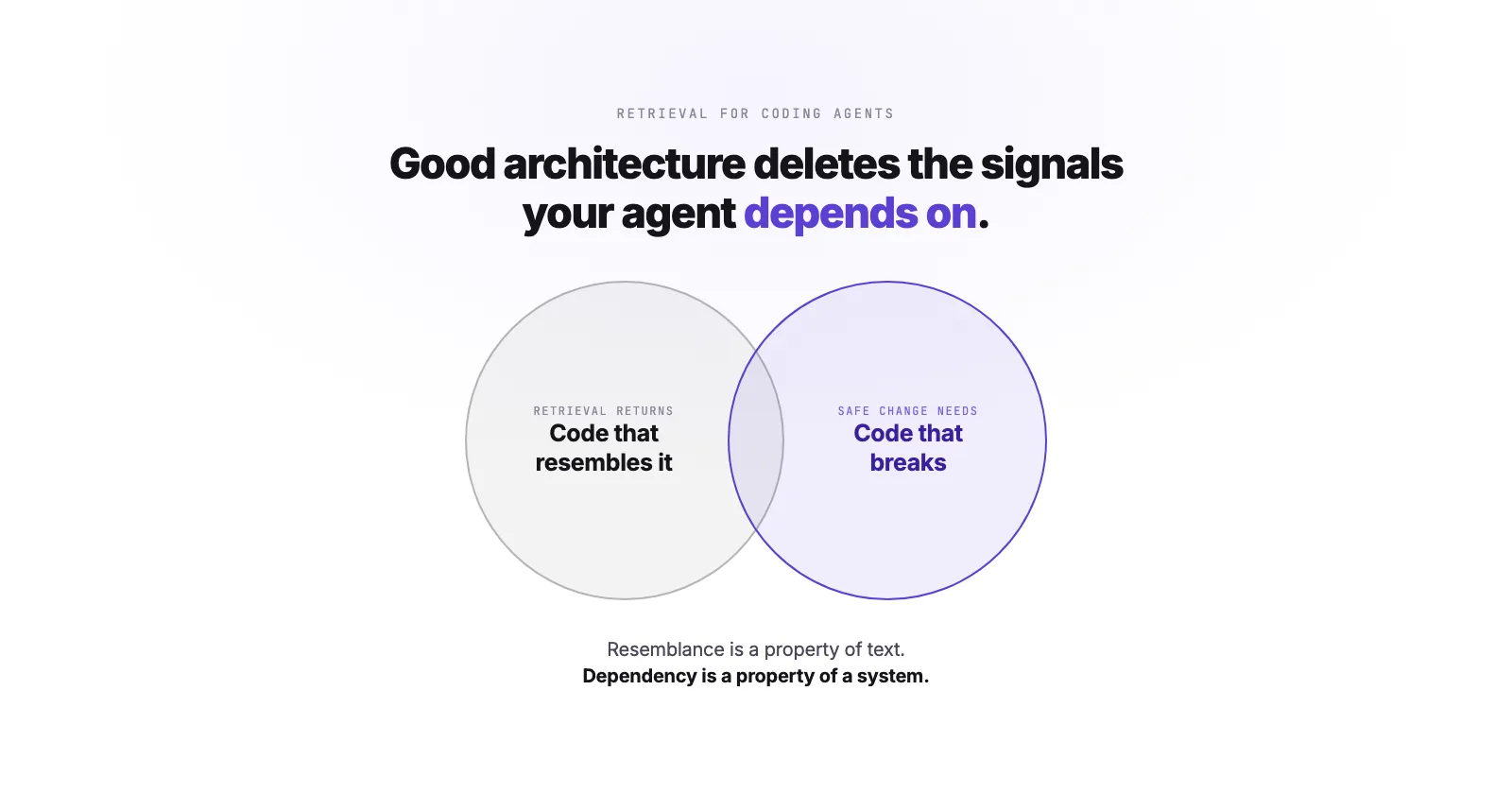
Clean Architecture Removes the Signals Your Agent Needs
Every boundary you draw in clean architecture removes a signal your agent was relying on. That is a structure problem, not a search problem. It's a sharp reminder that organization shapes intelligence, and over-layering can quietly starve the tools meant to help. We appreciate the argument for simplicity here. If you're exploring how systems behave under constraints, our piece on the Forrester function offers a complementary look at mathematical structure in machine learning.
Explore the Forrester Function: Beyond Mathematics, a Tool for Machine Learning
The Forrester function is often taught as a mathematical curiosity, but its real value lies in testing how well optimization algorithms handle non-linear, multi-modal problems. That user asking about its role in machine learning is onto something, this function is a standard benchmark for evaluating model performance, not a solution for real-world economics or forecasting. It belongs in the toolbox of anyone validating methods, not applied directly to data.