Grab Cuts Mechanical Analytics Work From 44% to 30% with AI Agents
Our take
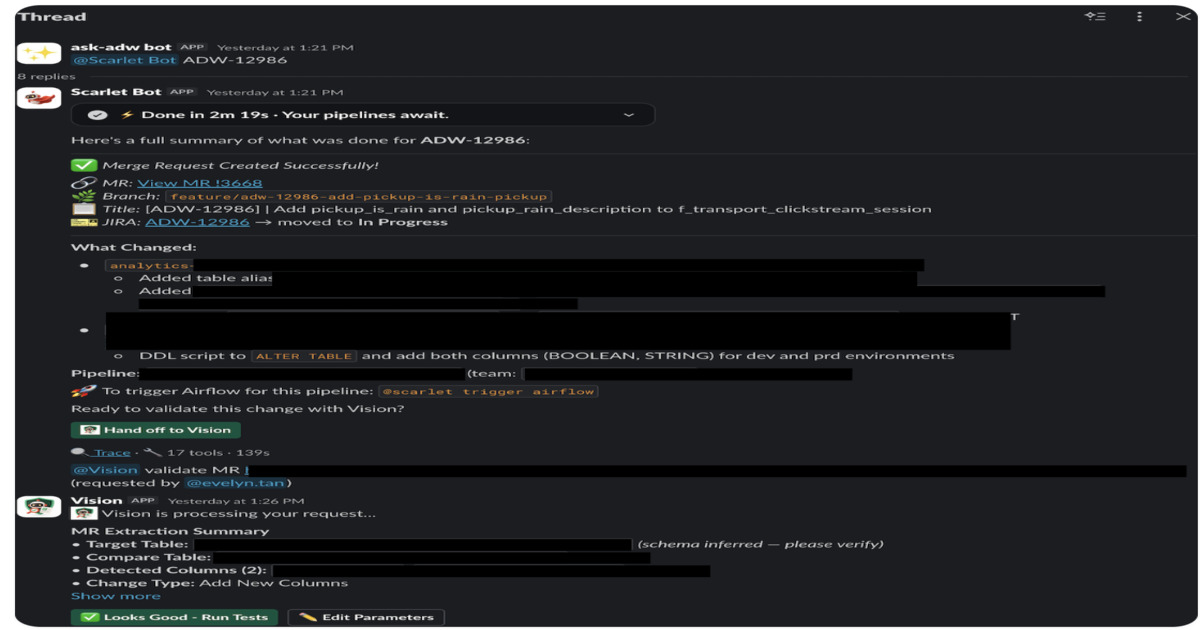
The news from Grab regarding their AI agent implementation for analytics workflows is significant, not just for the company itself, but as a clear signal of where data management is heading. Reducing mechanical analyst work by nearly a third in just four months – from 44% to 30% – demonstrates a tangible and rapid return on investment. This isn’t theoretical; it’s a concrete example of how AI can augment, rather than replace, human expertise. The combination of agent autonomy, certified data sources, context management, and crucially, human oversight, paints a picture of a robust and scalable solution. It’s a model that avoids the pitfalls of overly ambitious, fully automated systems, recognizing the continued value of human judgment and validation. This echoes the sentiment explored in [Stop overthinking which AI to use. Do this.], which emphasizes a pragmatic approach to AI adoption rather than chasing the latest buzzword. The ability for self-service analytics to handle routine metric, data, and SQL requests frees up analysts to focus on higher-value, more strategic initiatives—a shift that benefits both the analysts and the business as a whole.
The key here isn't just the automation itself, but the underlying architecture. The emphasis on "certified data" suggests a deliberate effort to ensure data quality and reliability, a crucial element often overlooked in early AI deployments. Context management is equally vital; AI agents operating in a vacuum are prone to errors, but providing them with the necessary context to understand the data and the business objectives dramatically improves their accuracy and usefulness. Grab’s approach also resonates with the discussion around agentic fitness functions, as outlined in [Article: Agentic Fitness Functions: Extending Evolutionary Architecture Beyond Deterministic Rules]. While deterministic rules are vital for safeguarding core metrics, Grab’s implementation shows how agents can be empowered to adapt and learn within defined boundaries, ultimately driving more effective and responsive analytics. This contrasts with the broader concerns about AI futures, as highlighted in [Why people aren’t buying Mark Zuckerberg’s AI future], where a lack of practical application and demonstrable value can lead to skepticism and resistance.
This development underscores a broader trend: the rise of the "AI-native spreadsheet." We're moving beyond simple data entry and basic calculations to a world where spreadsheets themselves are becoming intelligent platforms, capable of automating complex workflows and generating actionable insights. This shift requires a rethinking of how we approach data management, moving away from rigid, manual processes towards more flexible, AI-powered solutions. It’s not about replacing spreadsheets entirely – they remain a vital tool for many – but about transforming them into something far more powerful and efficient. The ability to automate routine analytics tasks allows businesses to unlock the full potential of their data, driving better decision-making and improved operational performance. The focus on human oversight is particularly important, providing a safety net and ensuring that AI-driven insights align with business objectives.
Looking ahead, the most interesting question is how this model of AI-augmented analytics will scale across different industries and use cases. Will other organizations be able to replicate Grab’s success, or are there unique challenges specific to their business? The increasing demand for data-driven decision-making, coupled with the growing availability of AI tools, suggests that we’ll see a continued acceleration in the adoption of these types of solutions. The crucial element will be building trust – ensuring that these AI agents are not only effective but also transparent and accountable. The future of analytics isn't about replacing analysts; it's about empowering them to do more, with less, and to focus on the strategic questions that truly drive business value.
Grab is using AI agents to automate analytics workflows, cutting mechanical analyst work from 44% in February to 30% in June. Its approach combines agent autonomy, certified data, context management and human oversight, with self service analytics increasingly handling metric, data and SQL requests without analyst intervention.
By Leela KumiliRead on the original site
Open the publisher's page for the full experience