Why RAG Complexity Should Be Earned
Our take
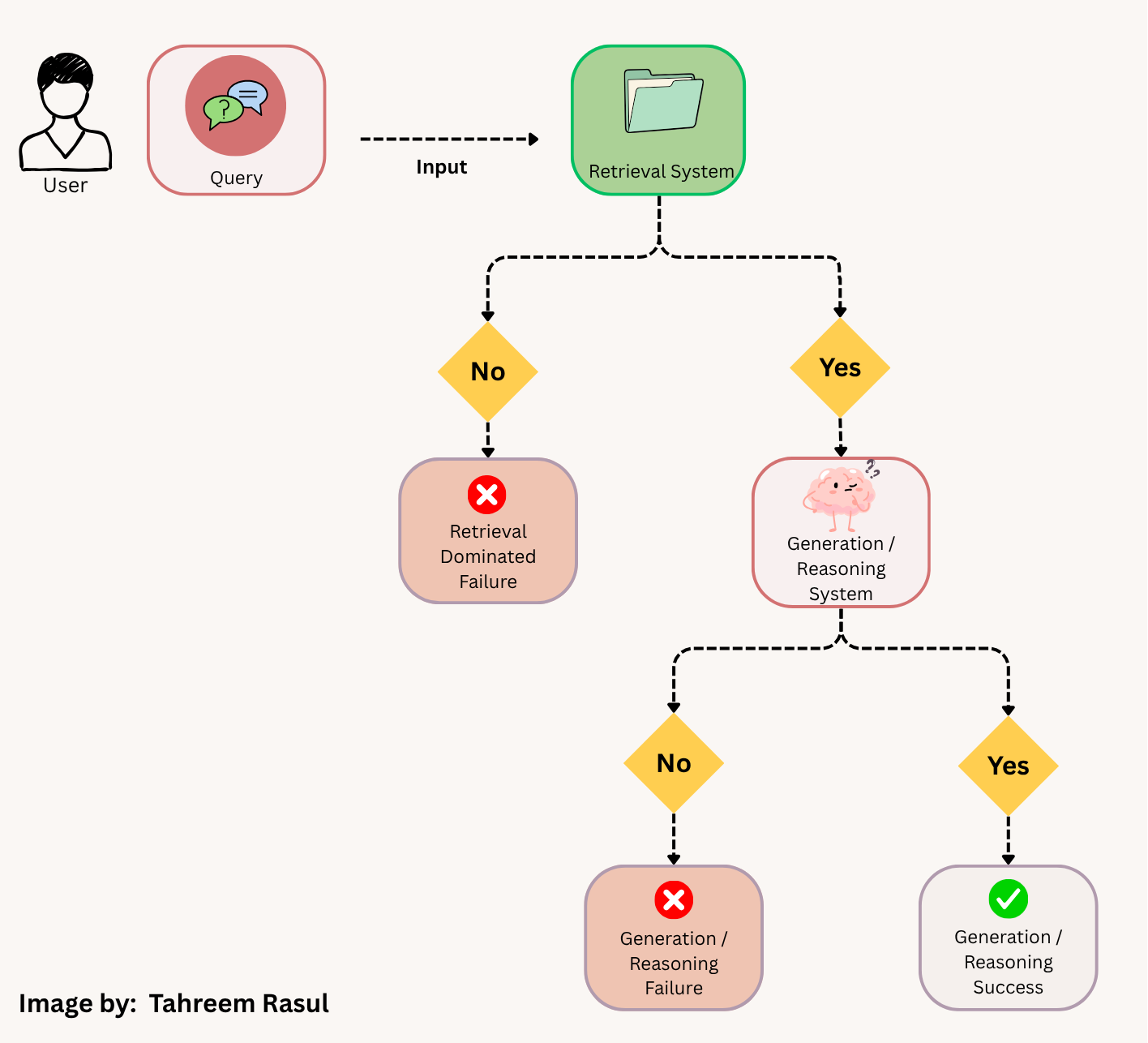
The recent article “Why RAG Complexity Should Be Earned” on Towards Data Science strikes a crucial chord in the rapidly evolving landscape of Retrieval-Augmented Generation (RAG). It’s a welcome counterpoint to the prevailing enthusiasm for simply layering on more and more components—lexical search, hybrid search, reranking, agentic information seeking—without a clear understanding of the underlying issues. The framework presented advocates for a more pragmatic approach: introducing complexity only when and where it’s demonstrably needed to address specific failure modes. This resonates deeply with our own philosophy of building AI-native spreadsheet solutions; we believe in empowering users with transformative capabilities, but not at the expense of usability or understandability. As explored in our piece FAQ as RAG: When You Get to Design the Corpus, thoughtfully designed data structures can fundamentally alter the RAG pipeline, and sometimes a simpler approach is far more effective than a convoluted one. This echoes the sentiment in the article - it’s about targeted intervention, not blanket complexity.
The core insight – that RAG architectures often become unnecessarily complex – is particularly pertinent as organizations move beyond initial experimentation and grapple with real-world deployment challenges. Many early RAG implementations focused on showcasing the *possibility* of combining LLMs with external knowledge sources. Now, the focus needs to shift to the *reliability* and *efficiency* of those systems. The article’s emphasis on identifying failure modes and then strategically adding complexity to address them is a practical and valuable methodology. Consider, for example, the work showcased in Open-source access-control checker for retrieval-based AI applications; adding access control mechanisms is a necessary complexity for many real-world applications, but it shouldn’t be a default starting point. Similarly, the open-source release of FlexGanttFX is Open Source demonstrates how specific domain needs—resource scheduling in this case—can necessitate specialized tools, but those tools shouldn’t inherently make the underlying RAG process more complex. The article’s framework provides a useful guide for determining when such targeted additions are warranted.
This shift towards earned complexity has significant implications for the future of AI-powered data management. It suggests a move away from the "kitchen sink" approach to RAG, where every conceivable technique is thrown at the problem, and towards a more disciplined, iterative process. This aligns perfectly with our vision for AI-native spreadsheets: powerful tools that are inherently intuitive and adaptable. Users shouldn’t need to become AI experts to leverage the benefits of RAG; the system should intelligently adapt to their needs, adding complexity only when it demonstrably improves results. The article’s framework provides a valuable roadmap for building such systems, emphasizing the importance of careful observation, targeted intervention, and a relentless focus on user outcomes.
Ultimately, the question becomes: how can we build tooling that actively *supports* this “earned complexity” approach? We envision a future where AI-powered systems automatically identify failure modes, propose targeted solutions, and transparently communicate the trade-offs involved. Rather than overwhelming users with a multitude of options, these systems will intelligently guide them toward the optimal configuration, ensuring that complexity is added only when it’s truly needed to unlock the full potential of their data. It’s a challenge that requires a deep understanding of both AI technology and human workflow, and one we’re excited to be tackling head-on.
A framework for building RAG pipelines that introduces complexity in response to observed failure modes, from lexical and hybrid search to reranking and agentic information seeking
The post Why RAG Complexity Should Be Earned appeared first on Towards Data Science.
Read on the original site
Open the publisher's page for the full experience