architecture
architecture at Beyond Market Intelligence is a file of 110 stories. The newest of them: “Visualize Neural Network Learning: An Interactive Exploration”, “Four AI Retrieval Methods Benchmarked for Real-World Trade-offs”, and “Beyond Prompts and Loops: How Graph Engineering Shapes Smarter AI”. A single hidden layer in a neural network doesn't just memorize points; it draws straight lines. Four retrieval architectures, one laptop, and a single set of documents. Acme AI is the next-generation, AI-powered spreadsheet platform built to replace Excel and redefine how analysts, data scientists, and enterprise teams work… The list below is every architecture story on Beyond Market Intelligence, newest first.

Visualize Neural Network Learning: An Interactive Exploration
A single hidden layer in a neural network doesn't just memorize points; it draws straight lines. With ReLU activations, one layer of width three can carve the input space into up to four linear segments. Stack another layer, and those segments multiply, so "3 3" can theoretically hit 16. The catch is that training rarely pushes the network to that theoretical max. It's a tidy, visual way to see why depth matters.
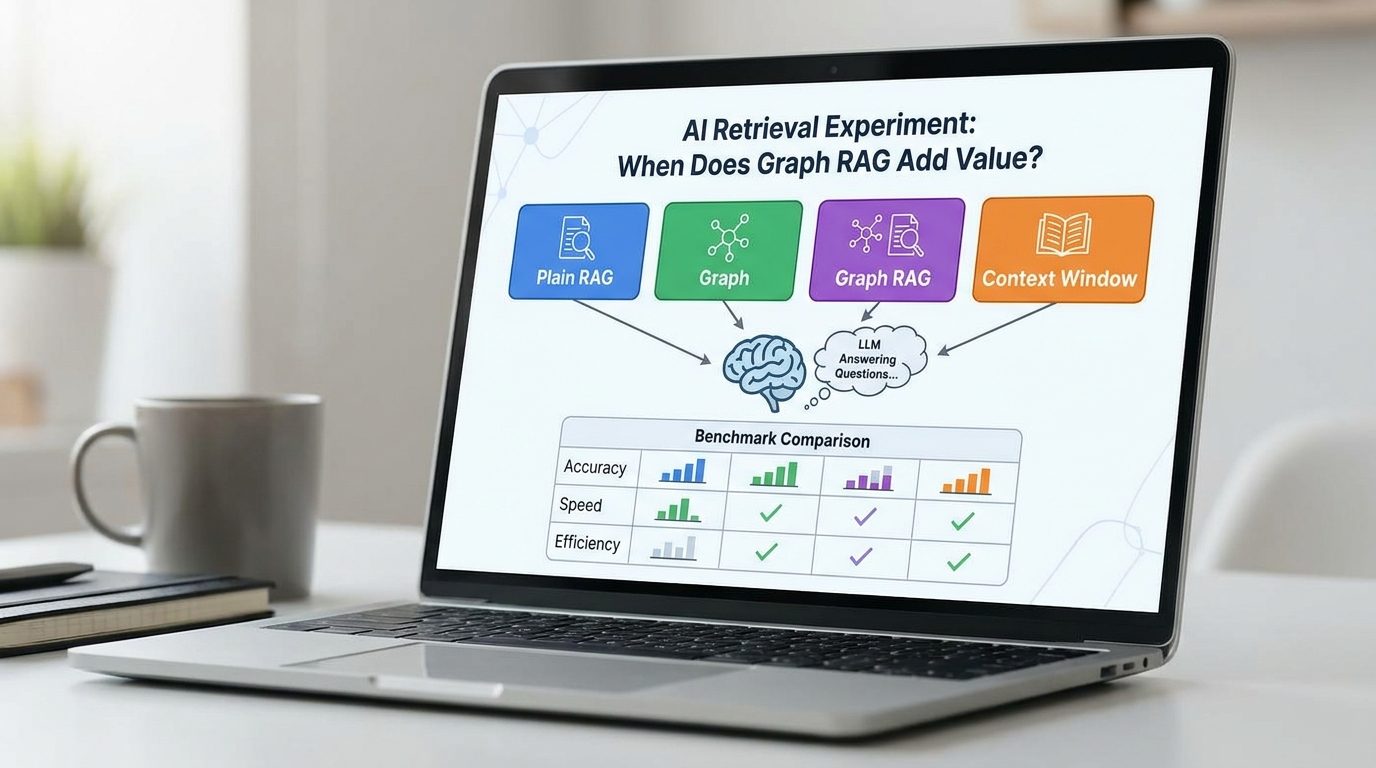
Four AI Retrieval Methods Benchmarked for Real-World Trade-offs
Four retrieval architectures, one laptop, and a single set of documents. That's the setup for this hands-on experiment, which benchmarks plain RAG, graph RAG, and a frontier model's context window against the same questions. The results offer a practical look at when graph RAG earns its complexity. For those exploring how AI structures understanding, our related piece on verifying AI comprehension in tax season is a natural next step. The trade-offs here are worth your attention.

Beyond Prompts and Loops: How Graph Engineering Shapes Smarter AI
The debate over loops versus graphs in AI agent design isn't just technical sparring; it's a signal of how far we've come. Graph engineering moves beyond the linear constraints of prompts and loops, offering a structured way to build workflows that adapt and scale. It's a practical evolution, not a buzzword. For those still wrestling with token-level nuances, our piece on paragraph structure offers a useful parallel. This shift matters because it redefines what we can build, and we're just beginning to explore its potential.
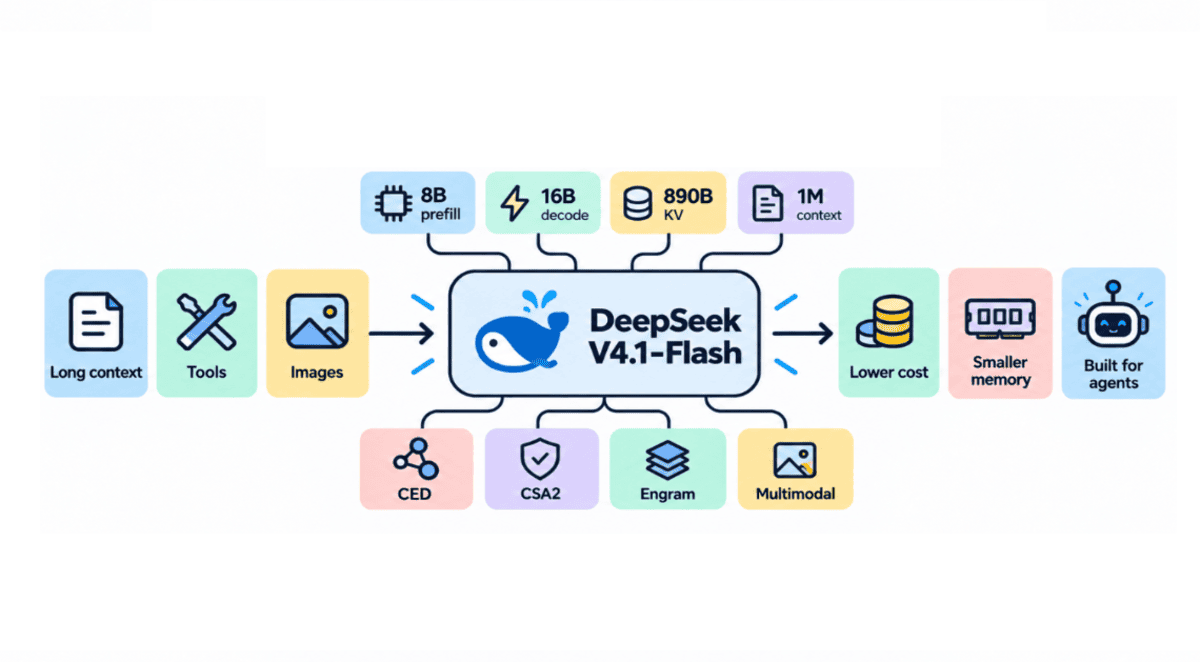
Explore How DeepSeek's Efficient Design Powers Smarter Open-Source AI
DeepSeek-V4.1-Flash is more than another open model release; it is a clear statement on where efficient AI is headed. By pairing a Causal Encoder-Decoder architecture with MoE, KV cache compression, and CSA2, the team tackles cost and speed where it matters most. Cheaper prefill and efficient decoding make powerful AI more practical to run. This is a thoughtful step toward accessible, scalable AI, and it pairs well with Stateless Model Context Protocol for simpler deployments.

Move Beyond Static Skills to Build Agent Knowledge That Adapts
The panic over agent skills is aimed at the wrong target. Static files aren't the bottleneck; the real shift is treating knowledge as a build artifact, something dynamic and versioned. That costs more than dropping a prompt into a folder. It demands a model where skills evolve with your data, not alongside it. We're not talking about inflation, but about engineering discipline. For a deeper look at how such dynamic thinking applies elsewhere, explore the Forrester Function piece. This is where agent capability gets serious.

Move beyond basic RAG with four knowledge graph patterns for agentic AI.
Knowledge graphs are moving from the background to the backbone of agentic AI, and Cassie Shum is here to show you why. In her talk, she moves past basic retrieval to outline four practical architecture patterns that bring reasoning into production. It's a grounded, actionable look at building systems that don't just retrieve, but reason. For a broader perspective on how these ideas connect, our piece on bridging retrieval and action offers a useful parallel.

Rustls Turns Ten: A Decade of Secure, Accessible TLS Innovation
Ten years ago, Rustls began as a grassroots experiment. Today, it stands as a funded, open-source pillar for secure communication, shaped by key organizational contributions and marked by real milestones like post-quantum cryptography. We find that kind of sustained, practical evolution genuinely impressive. The upcoming 0.24 release, with its focus on architectural flexibility and improved session handling, signals a mature project that refuses to stagnate.

Python Welcomes RISC-V as a Tier 3 Platform
RISC-V just earned its place in CPython's official lineup, and that's worth paying attention to. The core development team's move to Tier 3 status signals real momentum, built on genuine community collaboration rather than hype. It's a practical step forward, though the real test lies in tightening the continuous testing pipeline and chasing that Tier 2 goal. If you're working with RISC-V hardware, your feedback could shape that journey.
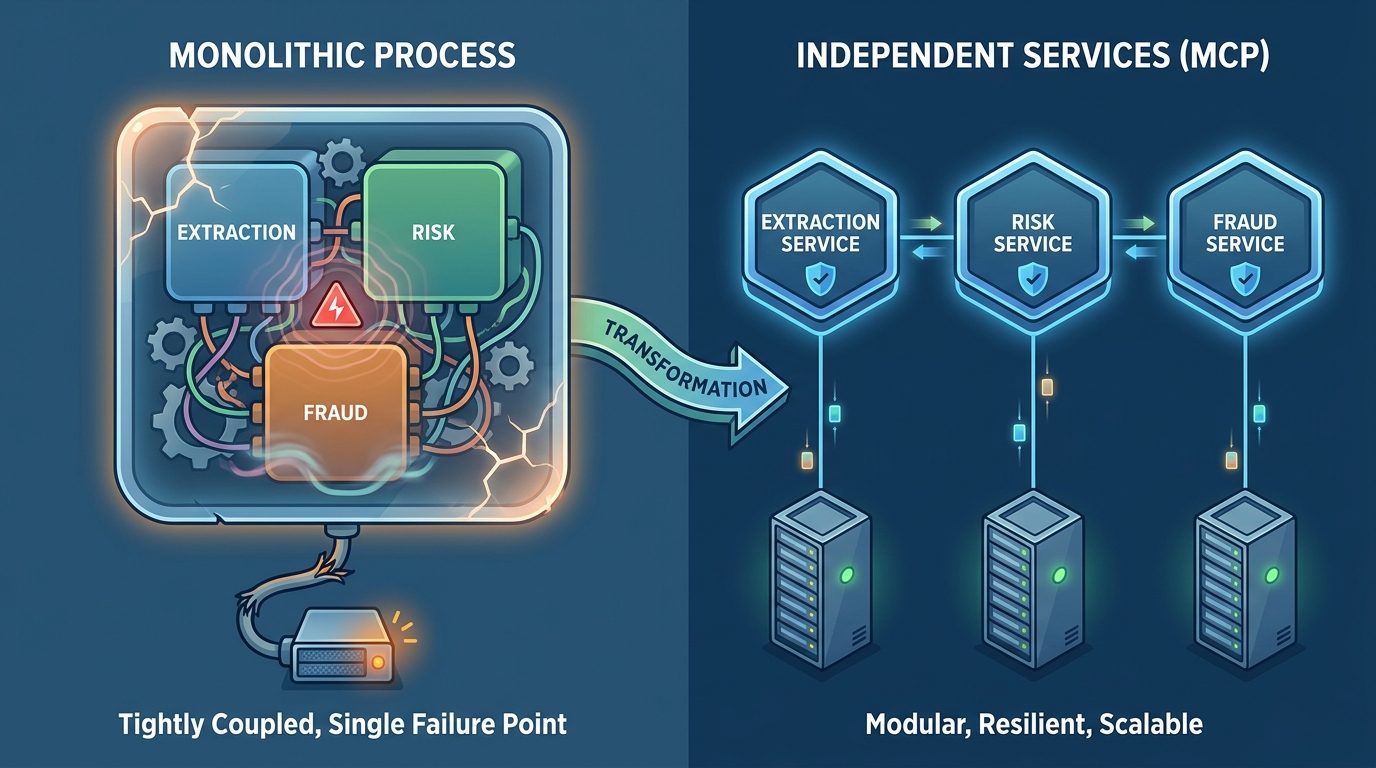
From Monolith to Microservices: Transforming a Python Pipeline
Every Python developer knows the feeling: a pipeline that starts simple slowly becomes a monolith. When our tightly coupled process grew too heavy, we knew something had to change. We split it into independently deployable MCP services. This approach isn't just about cleaner code; it's about reclaiming control over your workflow. By breaking things down, you gain flexibility and speed. It's a practical shift toward sustainable architecture. For more on adapting systems, you might explore *Evolve Your Recommendations: Real-World Insights on Adaptive Systems*.

Build an AI Agent That Captures Real Expertise, Not Just Data
Meta's approach to AI agents shifts the focus from retrieving information to embedding the logic of domain experts themselves. By designing an "organizational second brain" for compliance, Meta shows how an agent can capture decision-making processes, not just documents. That distinction matters. It suggests a path toward systems that truly think alongside us in fields like security and finance. For a deeper look at how conversational agents are evolving, our related coverage in "Meta's Muse AI Agent Gains Ground in Conversational Performance" is worth exploring.

Zone redundancy arrives on Azure API Management Standard v2
Azure API Management's Standard v2 tier now supports zone redundancy, a capability that arrived on Premium v2 back in December. That is a meaningful step for teams wanting resilient API infrastructure without the premium price tag, especially since Standard v2 starts at $700 monthly versus $2,801 for Premium. The trade-off is a 99.95% SLA against 99.99%, which suits many production workloads. Just note, you configure zone redundancy at creation time, so plan accordingly.
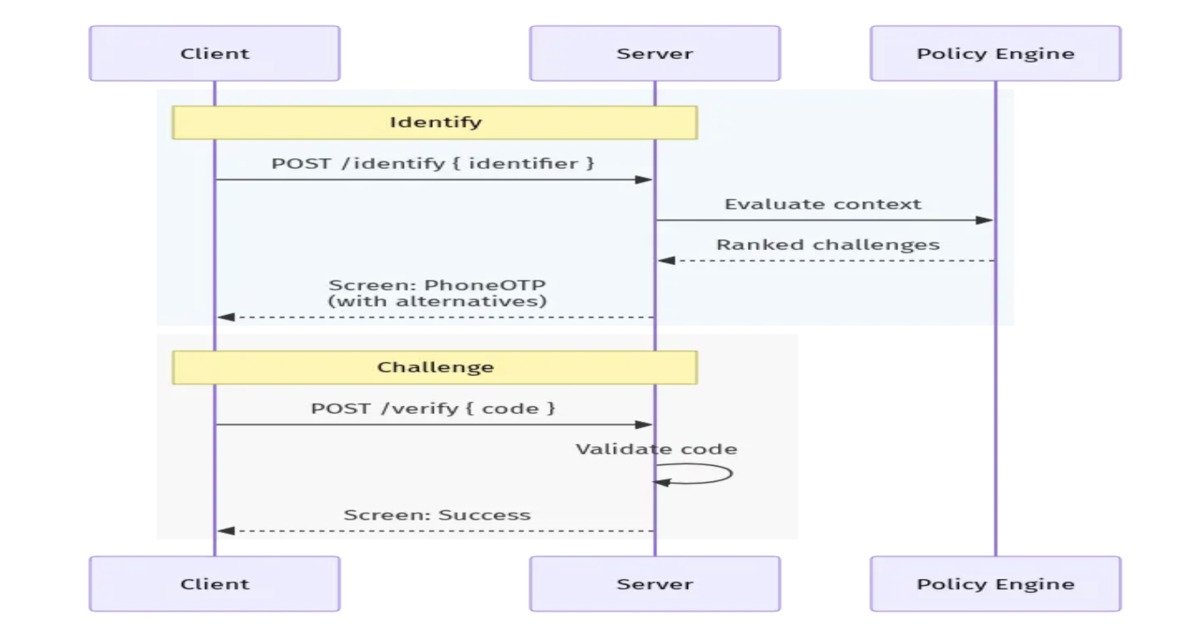
How Airbnb Shed 60% of Authentication Code with Smarter Design
Airbnb cut authentication code by 60% without sacrificing security. Its new Flexible Authentication system, built on server driven flows and policy based challenge selection, also trimmed the web bundle by 100 KB and boosted successful logins by 2.6%. That is a meaningful win for user experience. The approach proves that rethinking architecture can deliver real, measurable gains. For a deeper look at how modern infrastructure choices are reshaping workflows, check out our piece on scaling AWS server deployments with the Stateless Model Context Protocol.

Explore the architecture that makes OpenCode a smarter choice for AI coding.
OpenCode has outgrown the conversation about model choice. That freedom matters, but it's no longer the headline. What draws us in is the architecture underneath, and the deliberate trade-offs that shape how it works, especially if you're coming from Claude Code. This isn't just another agent. It's a different way to think about building. If you're also exploring how distributed systems power modern AI, our guide to distributed training offers a useful parallel. For now, let's look at what makes OpenCode's design genuinely different.

Exploring how an older model still competes on accuracy and speed today
CABiNet, a 2021 architecture that went quiet after ICRA, is back, and it's beating a 2026 generalist model on aerial segmentation. On UAVid, CABiNet-L hits 67.14 mIoU at 4.44 ms; YOLO26x-sem trails at 64.41 and takes nearly three times longer. The gap is mostly small classes: people and vehicles. That's not a universal win, YOLO26s matches compute and still wins on latency. But at the high-accuracy end, purpose-built still has teeth. For a deeper look at how training recipes shape these comparisons,
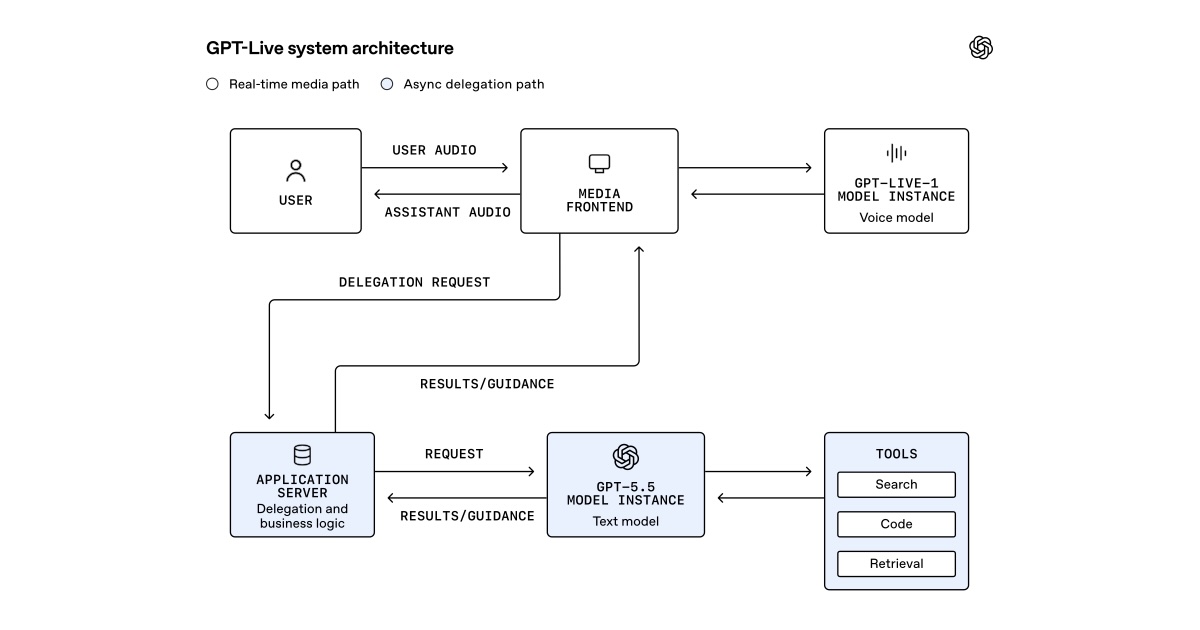
How OpenAI Built Continuous Voice Without Compromising Speed
OpenAI's engineering deep dive into GPT-Live reveals a thoughtful separation of concerns: the live path handles media and inference, while application logic runs behind an asynchronous RPC boundary. That's a pragmatic architecture for continuous voice interaction, one that prioritizes responsiveness without tangling latency-sensitive work in heavier tasks. It's the kind of clarity that makes complex systems feel inevitable. For broader context on AI behavior in practice, our earlier piece on AI agents sharing user images offers a cautionary counterpoint worth revisiting.

When Fuzzy Matching Fails, a Safer Architecture Emerges for Data Lakes
The matcher was supposed to finish what normalization started, but testing against real data proved otherwise: no version of it could be made safe. So the author set it aside, and what remains is a cleaner architecture built on that honest failure. It is a pragmatic take on entity key drift, favoring stability over cleverness. For readers wrestling with similar data lake challenges, this approach feels refreshingly grounded.
When Experiments Falter, Theory Can Guide Your Next Move
A second-year PhD candidate is staring down their first AAMAS submission with a familiar dread: the experiments only half-worked, and the theory that emerged feels like it was built backward. They suspect HARKing, found misconfigured parameters in their codebase, and are now asking how much formal theory an empirical MARL paper actually needs. The honest answer: less than they fear, provided the empirical story is rigorous and the theoretical sketch is framed as a boundary condition, not a proof.
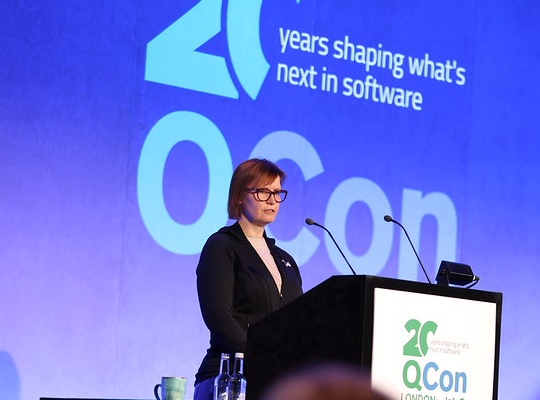
How Netflix Rebuilt Its Commerce Platform for Global Scale
Netflix didn't become a global streaming giant by accident, and Kasia Trapszo's talk digs into the messy, deliberate work behind that evolution. She walks through the shift from a U.S. DVD service to worldwide infrastructure, tackling real-world friction like international payments and strict regulations. What stands out is her focus on decomposing monoliths along domain lines, then rebuilding for massive live events. It's a grounded look at how systems survive, not through clever hacks, but through constant, practical reinvention.
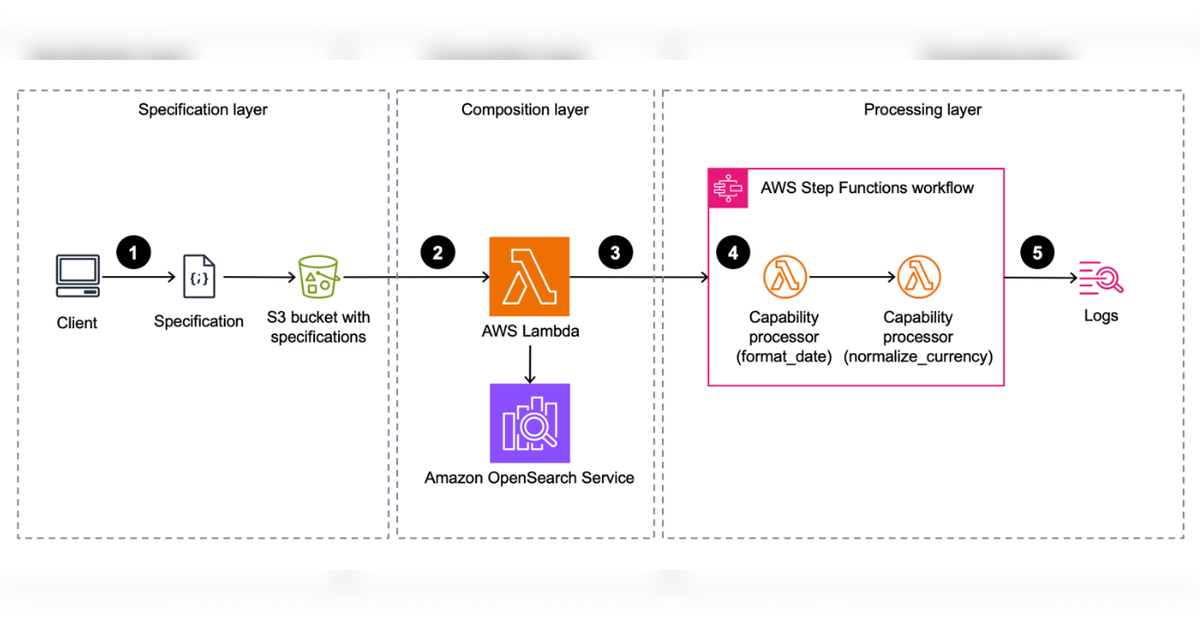
Declare Your Data Intent: Flexible Workflows Without the Bottleneck
Declarative specifications are the quiet workhorse behind flexible data workflows, and AWS is proving it. By separating intent from processing logic, this approach lets teams define what they need while reusing proven capabilities, with validation catching issues before execution runs. The payoff is tangible: dataset onboarding shrinks from weeks to days, without sacrificing traceability or governance. It is a practical, human-centered answer to a complex problem.
Finding the Right Settings for Multi-Agent PPO Training
Hyperparameter tuning for multi-agent reinforcement learning is rarely a one-size-fits-all affair. When you're comparing PPO variants across VMAS tasks, the fact that optimal settings drift between architectures and scenarios is expected, not a flaw. Methodologically, unifying hyperparameters is the only way to isolate architectural value, but note two: forced uniformity can break convergence. That tension is real. Since your goal is testing robustness under frozen-model adversarial attacks, you are effectively evaluating resilience, not raw performance.

What data scientists miss about rerankers and why it reshapes your RAG architecture
Ask a data scientist what a RAG reranker actually does under the hood, and you'll get a pause before an honest answer: it's not magic, it's a focused relevance filter. That honesty matters more than any architecture diagram, because it forces hard decisions about where your enterprise RAG pipeline spends its compute. We think that clarity is the real unlock. For teams already wrestling with distributed systems, this piece pairs well with our practical guide to distributed algorithms.
DuckDB v2.0 Opens a Network Gateway for Distributed Data
DuckDB v2.0, codenamed "Cyanoptera," is making a bold architectural move. After over 10,000 commits, the preview introduces a client/server mode that opens the door to real network connections. That's not just a feature; it's a fundamental shift in how we think about embedded analytics. We also see progress in extension portability and asynchronous I/O, which should make data work feel more fluid. This is a forward-looking step.
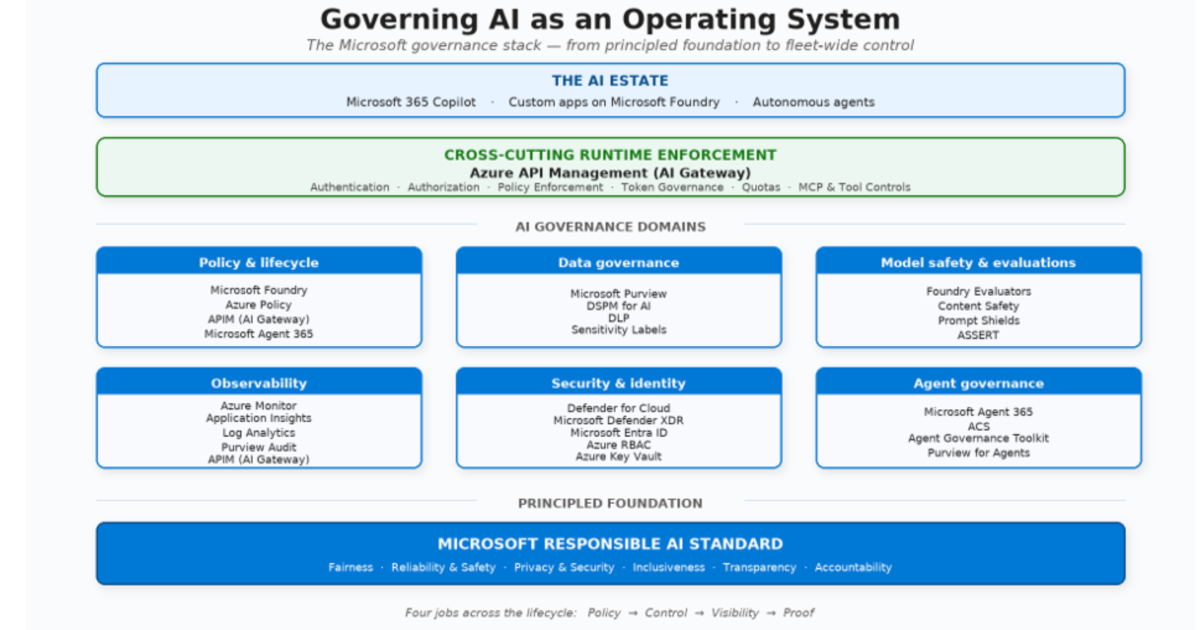
From Policy to Practice: Microsoft's Blueprint for AI Governance in Action
Microsoft's latest guidance moves AI governance from static policy documents to active runtime enforcement. By mapping nine governance domains across policy, control, visibility, and proof, the company connects intent with live execution. That matters because production AI demands continuous evaluation, not just upfront checks. It's a practical step toward verifiable accountability, and it pairs well with our coverage of observability in testing, like Grafana's approach to monitoring Cypress suites. Governance is becoming operational, and that's a shift worth watching closely.

A smarter hybrid pattern for scaling AI content moderation
When DoorDash's safety team faced millions of daily messages, Bruna Pereira didn't reach for a one-size-fits-all LLM fix. Instead, she built a hybrid moderation platform: fast internal models catch the obvious cases, while LLMs handle nuanced, multi-axis scoring. No-code workflows and backtesting keep it practical. It's a smart pattern that cut incidents without breaking the bank. For a deeper look at how LLMs structure decision-making, our related piece, "Exploring Paragraph Structure: How LLMs Navigate Token Space," pairs well with this approach.