4 Claude Skills Every Data Scientist Needs in 2026
Our take
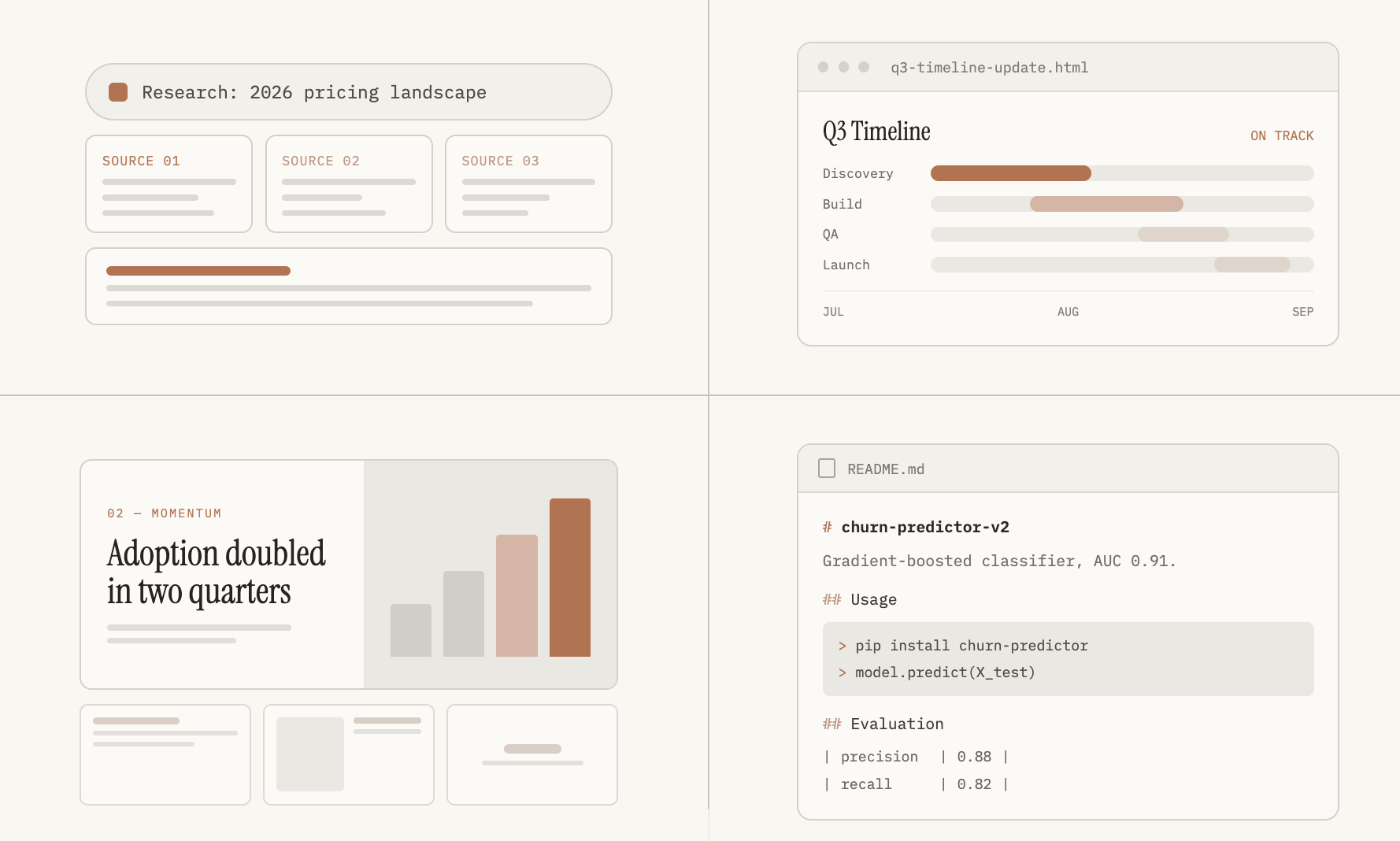
The recent article highlighting essential Claude skills for data scientists by 2026 underscores a critical shift in the landscape of AI-powered data analysis. It’s not merely about adopting a new tool, but about fundamentally rethinking how data scientists approach their workflows. The emphasis on skills like prompt engineering, iterative refinement, and leveraging Claude’s reasoning capabilities signals a move towards a more collaborative and nuanced interaction with AI. This aligns with our own perspective on the future of data management – one where AI isn’t a replacement for human expertise, but an amplification of it. The discussion surrounding AI control, as explored at TechBBQ [At TechBBQ, Europe’s AI conversations kept coming back to: Who’s actually in control?] , further contextualizes this need for skilled data scientists who can effectively guide and interpret AI outputs. It’s a reminder that while AI models become increasingly sophisticated, human oversight and critical thinking remain paramount. Furthermore, Vijay Pande’s shift towards smaller, more focused investments in AI-native ventures [“We’re not doing 30 bets a year”: Vijay Pande on betting small] highlights the growing importance of specialized expertise within the AI field; generalist approaches are giving way to a need for deeper understanding of individual models and their capabilities.
The focus on Claude specifically is noteworthy. While large language models (LLMs) have been generating considerable buzz, the article’s pragmatism—identifying *specific* skills rather than just touting general capabilities—is a refreshing approach. The ability to effectively prompt and refine responses isn’t inherent; it requires a deliberate skillset, and the article rightly points this out. This echoes our belief that accessible AI isn't about dumbing down the technology; it’s about empowering users with the tools and knowledge to harness its full potential. The traditional spreadsheet paradigm, often reliant on rigid formulas and manual processes, is ill-equipped to handle the complexities of modern data. A future-focused approach necessitates a fluency in interacting with AI, turning it into a dynamic and responsive partner in data exploration and analysis. The shift necessitates a move away from static models towards iterative refinement, mirroring how we are approaching the design of our AI-native spreadsheet technology – a system that learns and adapts alongside the user.
Beyond the specific skills outlined, the article’s timing is particularly relevant. As Nvidia continues to innovate beyond GPU technology [Nvidia’s AI advantage is moving beyond the GPU], the computational landscape is evolving rapidly. This creates both opportunities and challenges for data scientists. The ability to leverage LLMs like Claude efficiently, and to critically evaluate their outputs, becomes even more crucial in an environment where compute resources are increasingly specialized and complex. Data scientists need to be adept at navigating this evolving ecosystem, understanding not just *what* AI can do, but *how* it achieves its results and what limitations it might possess. This requires a proactive approach to skill development and a willingness to embrace new methodologies.
Ultimately, the article serves as a call to action for data scientists to proactively adapt to the changing demands of the field. The future of data analysis isn’t about fearing AI, but about mastering it. The need to move beyond the limitations of legacy spreadsheet tools and embrace AI-native solutions is becoming increasingly clear. The question now is: how will data scientists cultivate the skills and mindset necessary to thrive in this new era, and how can we, as a provider of AI-native data management tools, best empower them on that journey?
Four skills worth adding to your workflow today if you don't want to be left behind
The post 4 Claude Skills Every Data Scientist Needs in 2026 appeared first on Towards Data Science.
Read on the original site
Open the publisher's page for the full experience