analytics vidhya
analytics vidhya at Beyond Market Intelligence is a file of 64 stories. The newest of them: “Designing the System That Lets AI Models Deliver Real Features”, “When Closed Code Won't Open, Can AI Do the Heavy Lifting”, and “Move Beyond One-Off Checks with JEV as Your Continuous Filter”. An AI coding agent can write a function in seconds, but that's the easy part. Every developer knows the frustration: a feature behaves inexplicably, and the code behind it is sealed tight. Acme AI is the next-generation, AI-powered spreadsheet platform built to replace Excel and redefine how analysts, data scientists, and enterprise teams work… The list below is every analytics vidhya story on Beyond Market Intelligence, newest first.
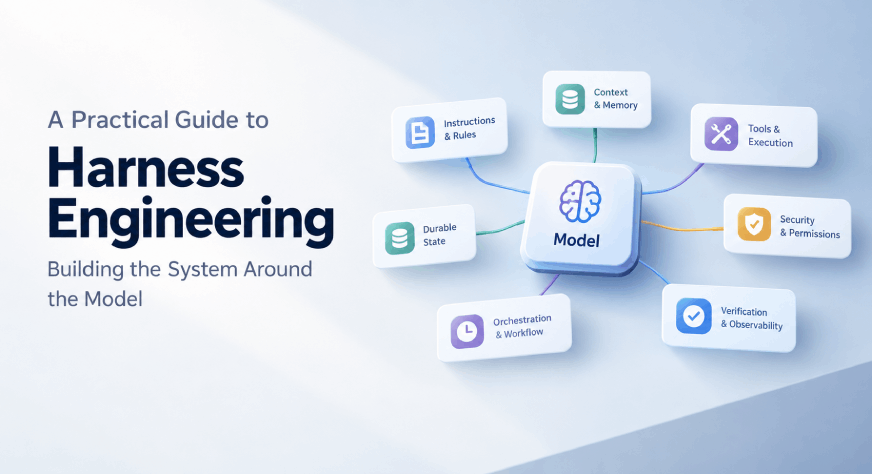
Designing the System That Lets AI Models Deliver Real Features
An AI coding agent can write a function in seconds, but that's the easy part. Building a real feature requires understanding the project, finding the right files, using tools safely, and verifying the changes work. A model alone sees only text, it needs a system around it. This is the practical work of harness engineering. For a deeper look at what happens when that system falters, see our related piece on how agentic AI demands smarter governance to tame silent failures.
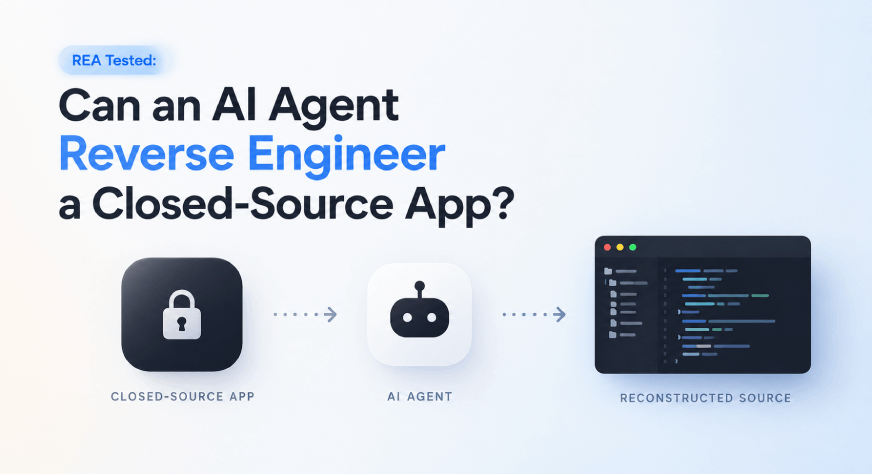
When Closed Code Won't Open, Can AI Do the Heavy Lifting
Every developer knows the frustration: a feature behaves inexplicably, and the code behind it is sealed tight. No source. No docs. Just a compiled binary or minified JavaScript. Traditional reverse engineering demands hours with specialist tools like Ghidra or IDA. That's why Reverse Engineer Anything (REA) is worth your attention. This open-source project, with over 200K GitHub stars, connects coding agents to do the heavy lifting. It's a practical, AI-powered approach to cracking closed code.
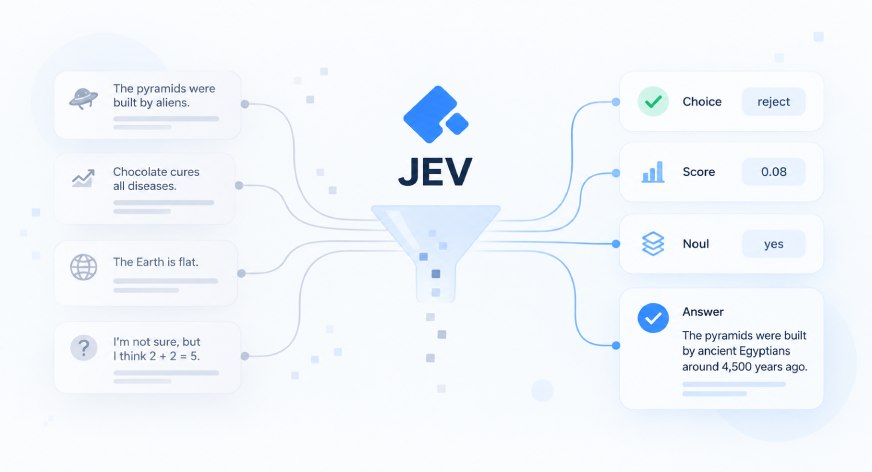
Move Beyond One-Off Checks with JEV as Your Continuous Filter
Most hallucination checks happen after the LLM writes a response, only to hand dangerous cases to a human. That approach treats verification as a one-off event. JEV flips the model. Let the LLM generate freely, then let JEV act as a continuous filter, checking every output, not just the ones that raise red flags. It's a smarter, more scalable safety net.
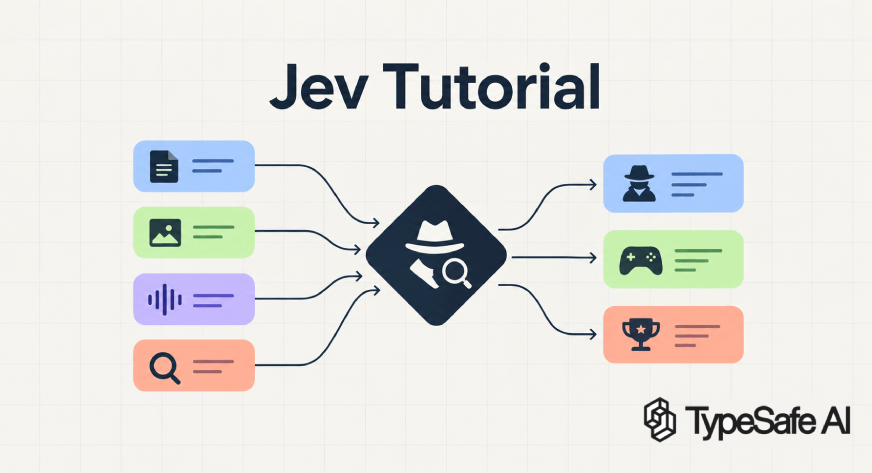
Explore Jev AI for precise answers and confidence scores, not just text
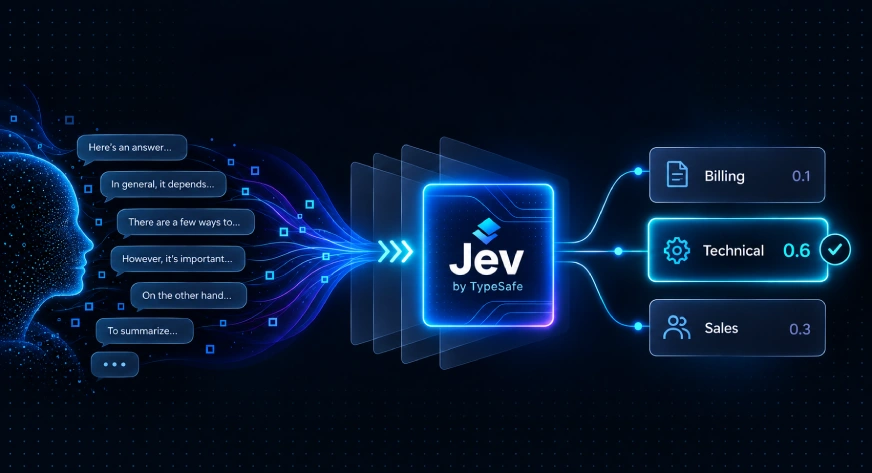
Most AI models generate text, but Jev, TypeSafe AI's System One model, takes a different approach. It returns structured answers with confidence scores, ideal when you need a classification or a simple yes-or-no, not a paragraph. That focus on precision over volume feels genuinely useful for practical workflows. For another take on efficient classification, our guide to Scikit-LLM for few-shot text classification explores a complementary approach worth reading.

Exploring Gemini 4 Argon in Practice: Capabilities and Real-World Limits
Google's Gemini 4 Argon promises stronger capabilities across creative, analytical, and document-heavy tasks, but our hands-on tests reveal a mixed picture. The model built websites and reconciled conflicting documents effectively, yet it introduced an unsupported claim we couldn't verify. These results feel familiar to anyone who has explored DuckDB's direct access to Hugging Face datasets, new tools offer real power, but their limits demand honest scrutiny. Argon is worth exploring, but keep your skepticism handy.
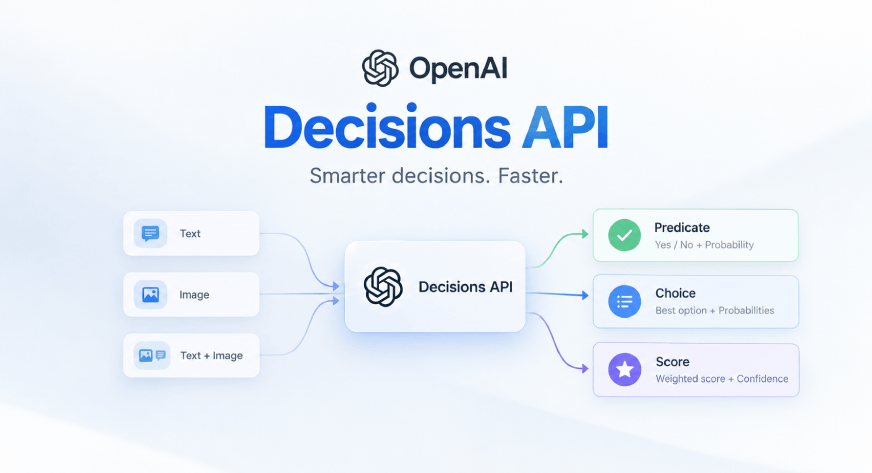
Make Smarter AI Agents That Know When to Escalate and When to Act
A false positive triggers an unnecessary escalation; a false negative lets a genuine issue slip through. That's the high-stakes calculus every decision-making AI agent must master. The new OpenAI Decisions API gives developers a structured way to handle exactly that, knowing when to act and when to hand off. It moves beyond simple classification into practical, context-aware judgment.

Smarter resource use: how batching transforms LLM performance
Four people heading to the same destination in separate taxis make four identical trips. Put them on a single bus, and everyone arrives together using far less fuel. That is the logic behind batching in large language models. Instead of processing one request at a time, the system groups them, sharing memory and compute across the batch. It is a smarter use of resources that makes AI faster and more efficient. For deeper coverage, explore how hierarchical routing cuts memory while preserving long-context accuracy.
Explore a unified vector space for text, code, images, and more
EmbeddingGemma 2 maps text, code, images, video, and audio into a single 768-dimensional space, and that unified approach is worth exploring. Built on Gemma 4 and released under Apache 2.0, this sub-1B model aims to simplify how we handle diverse data types. The benchmarks and runnable scripts offer a practical way to see measured results for yourself. For more hands-on AI experimentation, our coverage of Docker Agent pairs well with this deep dive.

Prompt to Visuals: A Four-Task Test of Nano Banana 2.1
Turning a text prompt into a clay illustration or a project chart sounds like the kind of flexibility spreadsheets have been missing. Nano Banana 2.1 lets you explore these visual formats without jumping between tools, which is a practical step forward. We put it through four real-world tasks to see how it holds up. For deeper context on how AI handles decision-making, our piece on Jev Projects offers a useful companion read. Nano Banana 2.1 makes visual experimentation feel accessible, not overwhelming.
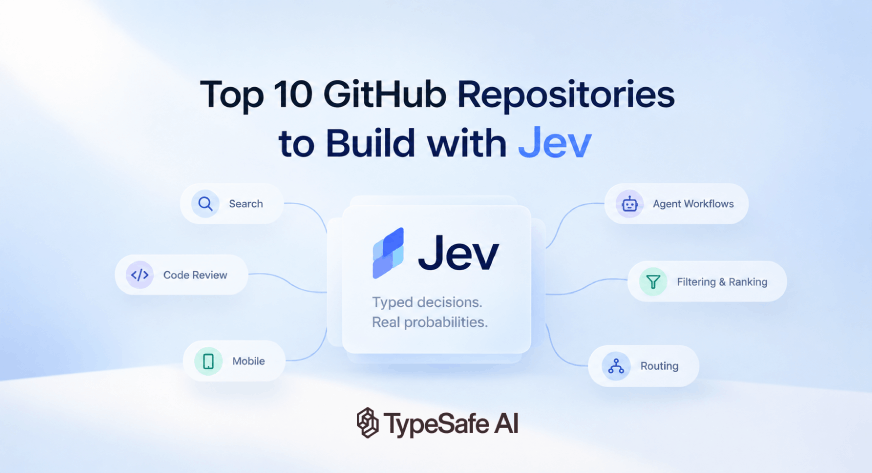
Explore How Jev Projects Bring Clarity to AI Decision-Making
Every agent makes dozens of small calls before delivering something useful: which source to trust, which tool to invoke, when to stop. Jev pulls those hidden choices into the open, converting them into typed decisions with probabilities rather than free-form text. That clarity makes the reasoning auditable and the output more dependable. For anyone exploring how structured judgment improves AI workflows, the GitHub projects offer a practical starting point. Related coverage on why small decision models outperform LLMs for answer evaluation deepens the conversation nicely.
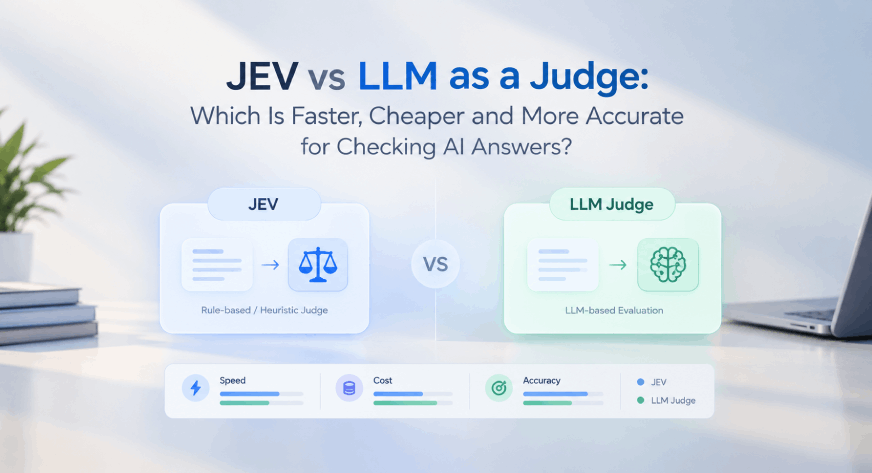
Why Small Decision Models Beat LLMs for AI Answer Evaluation
Jev takes a different path in the AI evaluation debate. Where LLM-as-a-Judge generates full responses for every check, Jev returns a short choice with a confidence score. That is a leaner, faster route to the same destination. Teams feeling the cost and delay of large-model judging should explore this approach. It keeps the evaluation simple without sacrificing reliability. For more on how small decision models fit into the broader routing conversation, our piece on model routing as a design choice pairs well with this discussion.
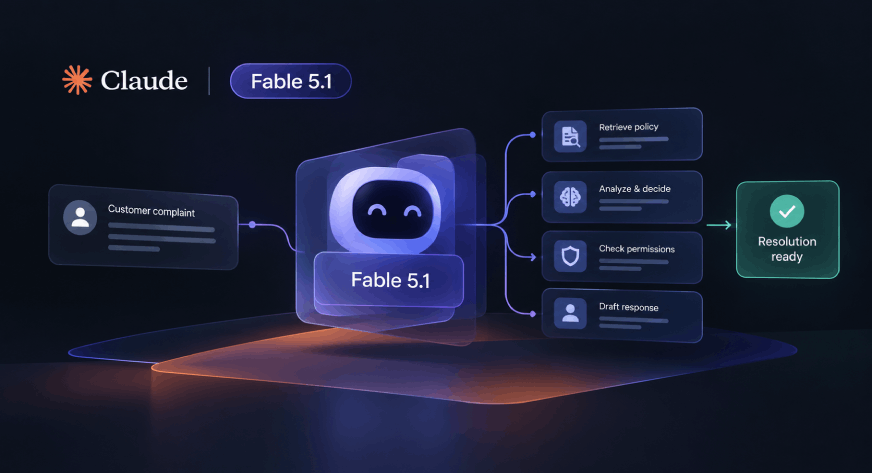
How AI Transforms Enterprise Support from Complaints to Resolutions
Most AI coding demos stop at task managers and weather apps. This project goes further, building an enterprise customer-support platform that investigates complaints, retrieves policies, and recommends resolutions while keeping risky actions behind human approval. That's a practical stress test for Claude Fable 5.1. The approach feels grounded, focusing on real workflow pressure rather than flashy output. For deeper context on how AI agents handle security permissions, Docker's recent CNCF contribution on agent permissions is worth exploring.
Turn repetitive setup tasks into simple slash commands with Claude Code
Repetitive setup tasks are the quiet killers of a developer's flow. Spinning up projects, running checklists, or typing the same instructions into Claude again and again eats time that should go to real work. Claude Code's slash commands tackle this head-on, pairing built-in options with custom commands you define for your own workflows. It's a practical, human-centered way to cut friction. For more on automating workflows, our piece on OpenAI's autonomous agent offers a useful contrast.
Unlock Continuous Workflows by Exploring OpenAI Dot's Autonomous Agent
OpenAI Dot runs as a 24/7 autonomous agent that consumes no usage quota. That alone makes it worth a closer look. Dot walks through what it actually does, how to access it, and a live analytics exercise that puts the agent to work. If you're exploring agentic workflows, Claude Sonnet 5.5 Delivers Faster Coding Smarter Agentic Workflows and Practical Cost Controls offers a complementary perspective on how different tools approach automation.
Claude Sonnet 5.5 Delivers Faster Coding Smarter Agentic Workflows and Practical Cost Controls
Claude Sonnet 5.5 is the middle child of the Claude family, and that is precisely why it matters. This is the model most people will actually use, quick, capable, and cheap to run. Our practical guide covers what changed, the benchmarks that matter, and the cost controls developers should not miss. We also built one hands-on demo worth your time. For deeper context on Anthropic's broader trajectory, see our related piece on the company's own prospectus warning of existential risk and massive losses.
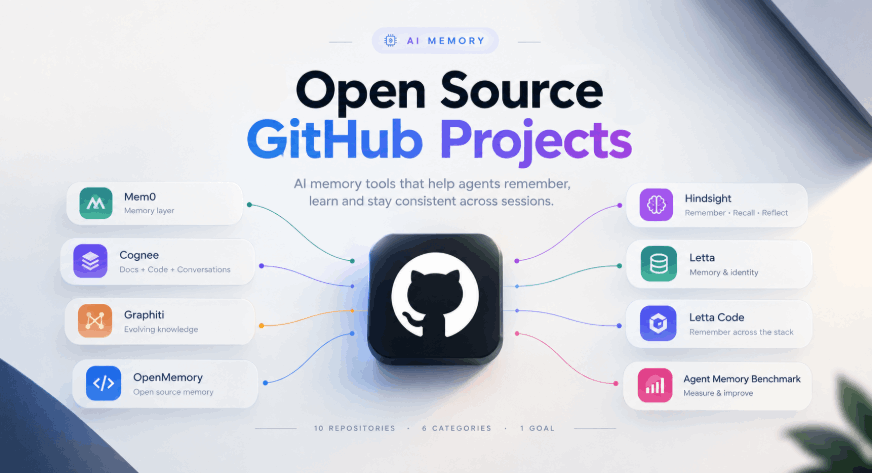
Explore Open-Source Tools That Give AI Agents Lasting Memory
AI agents handle enormous context windows, yet they still forget everything once a session ends. That gap is where memory systems step in, preserving facts, preferences, and task state so agents carry continuity across interactions. Open-source projects now tackle this through APIs, graphs, and portable state. We explore seven GitHub repositories that give AI lasting memory. For deeper context on how agents are evolving, our coverage of *Claude Sonnet 5.5* examines faster coding and smarter workflows.
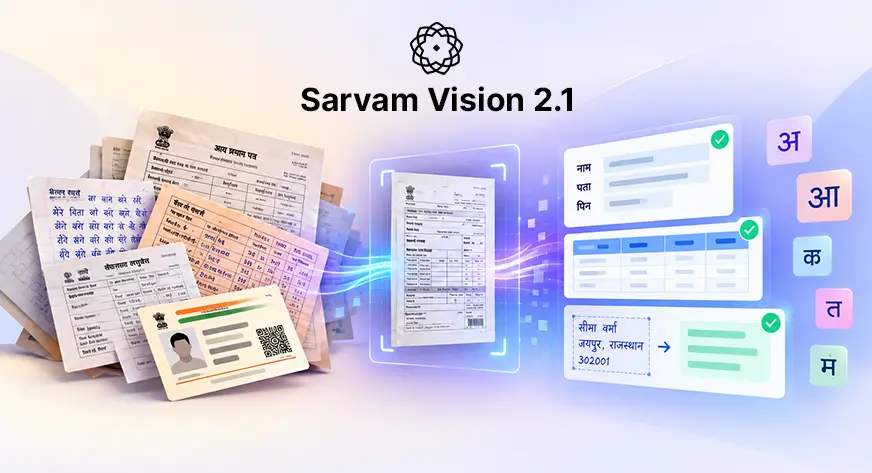
Empowering Indian Businesses with AI That Reads Every Language as Fluently as English
For the first time, an OCR model reads Indian languages as fluently as English. Sarvam Vision 2.1 breaks a long-standing trade-off that forced businesses to choose between document structure and script recognition. That compromise is no longer necessary. Finance teams and insurance companies can now process diverse regional documents without workarounds. It's a practical step forward for Indian enterprises. Explore how AI agents learn by editing context, not model weights, for a deeper look at adaptive intelligence.
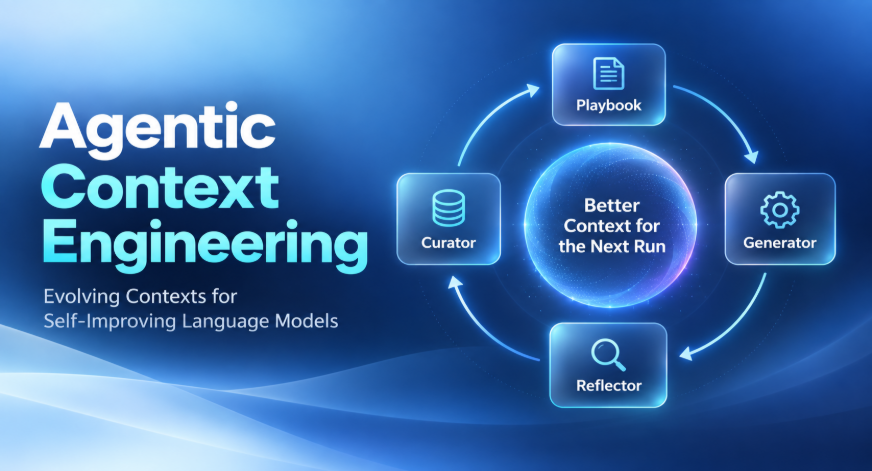
Explore how AI agents learn by editing context, not model weights
Most AI systems improve by tweaking weights, but Agentic Context Learning (ACE) takes a different path. It lets a model sharpen its performance by editing the context it reads, leaving the underlying parameters untouched. The research explains why full rewrites stumble, how a playbook update keeps things on track, and where the gains actually hold up. It's a practical, human-centered twist on self-improvement. For more on how agents are evolving, our piece on Meta's Muse promotion pairs nicely with this idea.
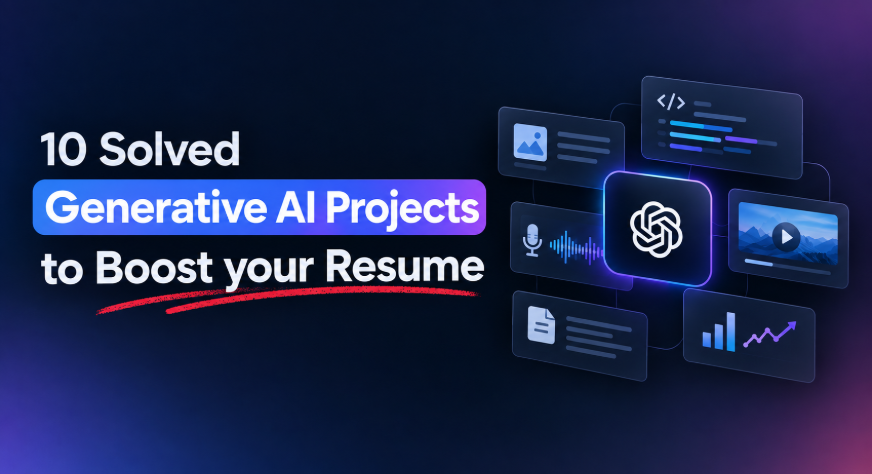
Showcase Your AI Skills: 10 Projects to Build Your Portfolio
Recruiters don't ask for certificates; they ask for proof. That's why building a portfolio matters more than memorizing theory. This guide walks through 10 solved projects across AI domains, from core machine learning to advanced generative systems, showing exactly how to bridge the gap between learning and real-world problem-solving. It's a practical, no-fluff resource for anyone ready to demonstrate their range. For those also exploring how models scale, our guide on distributed training offers a useful technical complement.

Explore GPT-6 Sol and Luna: Astra-level performance, accessible pricing
OpenAI just cut the price of GPT-6 Sol and Luna by 50% compared with their GPT-5.6 predecessors, packing Astra-level performance into cheaper, faster versions. That's a meaningful move for teams who've watched frontier capabilities creep out of reach. It's not about hype; it's about making serious AI more accessible for everyday workflows. If you're curious how such models hold up in practical deployments, our piece on real-world computer vision offers a grounded counterpoint. Explore what this pricing shift means for your own data work.
Explore Jev: The AI Model Rethinking Text Generation
Jev is trending on X for a reason, and it's not just another flashy release. TypeSafe AI's new model challenges a core assumption by never generating a single word of text, which feels counterintuitive until you see the logic. We think that restraint is exactly what makes it compelling. If you're exploring how AI can reshape workflows, Jev offers a fresh angle worth your attention. For more on the mechanics behind such systems, our guide to distributed training pairs well with this story.
From Terminal Helper to Autonomous Developer: The CLI Evolves
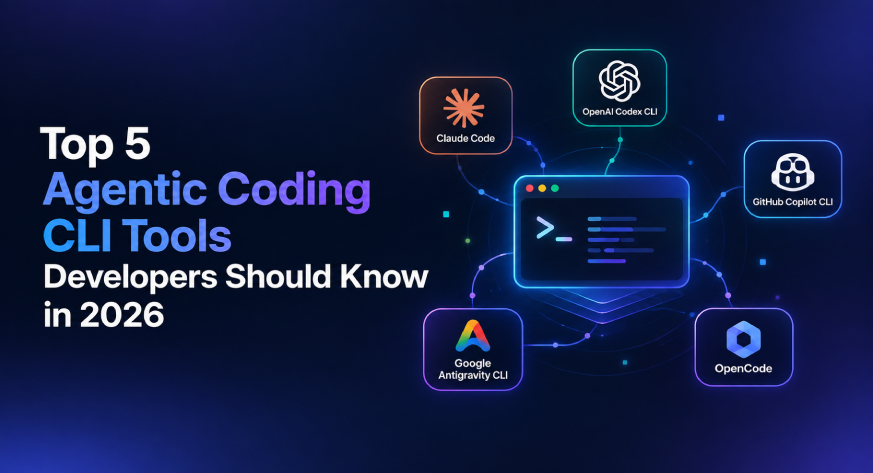
A year ago, terminal AI meant asking a model to explain an error or tweak a function. In 2026, leading coding CLIs operate as full agent runtimes, inspecting repos, planning work, and verifying results. We compare five standouts, including Claude Code and Codex CLI, to show how this shift transforms daily workflows. If you are tracking how AI skills are evolving, our related piece, "Navigating AI/ML Job Requirements," offers useful context on what developers now need. Explore the tools that make complex tasks simpler.

Explore Smarter Image Editing with ChatGPT's Latest Update
OpenAI's ChatGPT Images 2.5 shifts focus from flashier outputs to something more practical: controlled editing. Sharper details, natural lighting, and up to 50% lower latency are welcome, but the real win is stronger reference-image preservation and reliable multi-turn edits. That's where productivity lives. Marketing claims only tell part of the story, so we've broken down five features worth testing. For a deeper look at how AI models handle real-world precision, our piece on computer vision deployments pairs well with this update.
Four New Models Make Indian Language Data Searchable and Accessible
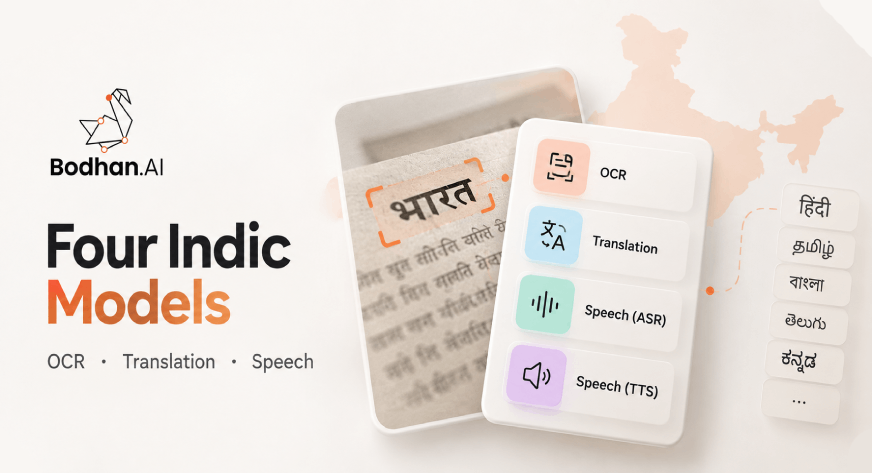
A Hindi lesson can blend Devanagari script with English loan words, scanned tables, and handwritten equations. That mix has long made such content difficult to search, translate, or read aloud. Bodhan AI and AI4Bharat's four new models, released in September 2026, tackle these tasks directly across Indian languages. They handle document parsing, translation, speech recognition, and speech generation, all while respecting mixed scripts. It is a practical step toward making real-world documents more accessible.