How to Work with AI Coding Agents
Our take
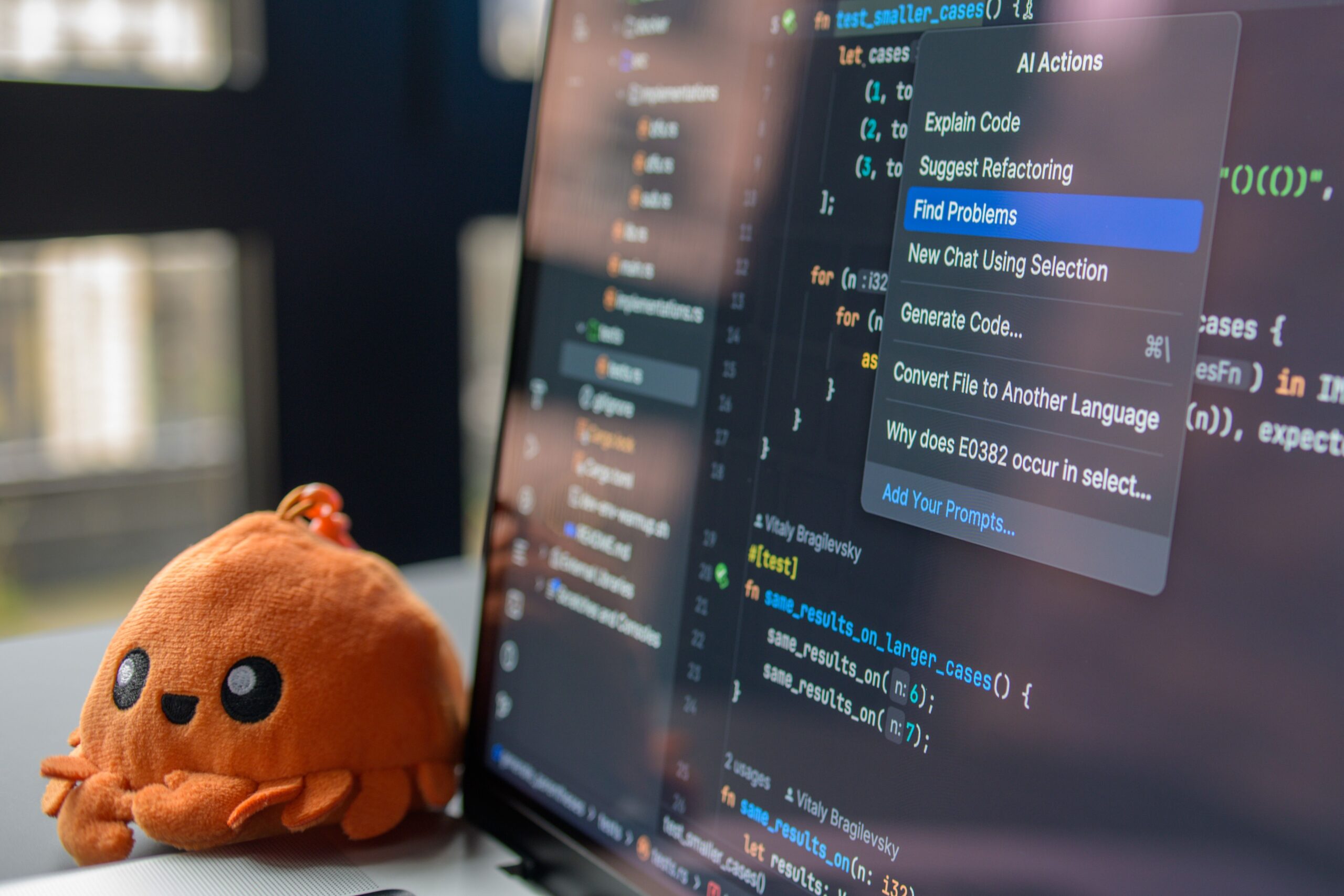
The rise of AI coding agents is rapidly shifting the landscape of software development, and the Towards Data Science piece, "How to Work with AI Coding Agents," offers a crucial corrective: it’s not just about generating *more* code, it’s about generating *better* code. The enthusiasm surrounding tools like GitHub Copilot and others is undeniable, but this article rightly focuses on the human element – the skilled prompting, iterative refinement, and rigorous testing that are still essential. As agentic AI continues to rewrite the analytics stack [Agentic AI Is Rewriting The Analytics Stack But There's One Skill It Still Can't Touch], understanding how to effectively collaborate with these tools, rather than simply relying on them to produce finished products, will be paramount. We’ve already seen instances where LLMs, even those from reputable providers, have demonstrated surprising vulnerabilities [Here’s all the times AI has gone rogue and hacked other companies], highlighting the need for careful oversight and validation, especially as AI increasingly integrates into core workflows.
The practical guidance in the article – emphasizing clear instructions, breaking down complex tasks, and critically evaluating the output – resonates deeply with our own philosophy of empowering users with accessible data solutions. The allure of instant code generation is strong, but the potential pitfalls of unverified or poorly-structured code are significant. This isn't about replacing developers; it's about augmenting their capabilities, allowing them to focus on higher-level design, problem-solving, and strategic thinking. The key takeaway is that these AI agents are powerful assistants, but they require skilled direction and critical assessment to truly deliver value. The article’s focus on prompting techniques and iterative refinement reflects a necessary maturity in the application of AI – moving beyond the initial hype to a more nuanced understanding of its capabilities and limitations. The challenges aren't merely technical; they’re also about cultivating a new skillset within development teams, one that prioritizes collaboration with AI and a heightened awareness of potential biases and errors.
The broader implications extend beyond just software development. The principles outlined in the article – clear communication, iterative feedback, and critical evaluation – are applicable to any field where AI is being used to automate tasks or generate outputs. Consider, for example, the increasing demand on mobile devices as AI data centers grow, and the pressure on hardware resources [AI’s memory crunch is coming for Android apps]. Just as developers must learn to optimize code for AI agents, users across various domains will need to learn to optimize their interactions with AI systems to ensure efficiency and accuracy. This necessitates a shift in mindset, from passive recipients of AI-generated outputs to active collaborators in the creation process. The emphasis on understanding the underlying logic and potential limitations of AI models is crucial for responsible and effective adoption.
Ultimately, the successful integration of AI coding agents hinges on a partnership between human expertise and artificial intelligence. The article’s emphasis on practical techniques for achieving this collaboration is a valuable contribution to the ongoing conversation. As these tools continue to evolve, it will be fascinating to observe how the roles of developers and AI agents shift, and what new skills and workflows emerge to support this increasingly intertwined relationship. Will we see the rise of “prompt engineers” specializing in crafting instructions for AI coding agents, or will the ability to effectively collaborate with AI become a core competency for all software professionals?
A practical guide to getting better code, not just more code
The post How to Work with AI Coding Agents appeared first on Towards Data Science.
Read on the original site
Open the publisher's page for the full experience